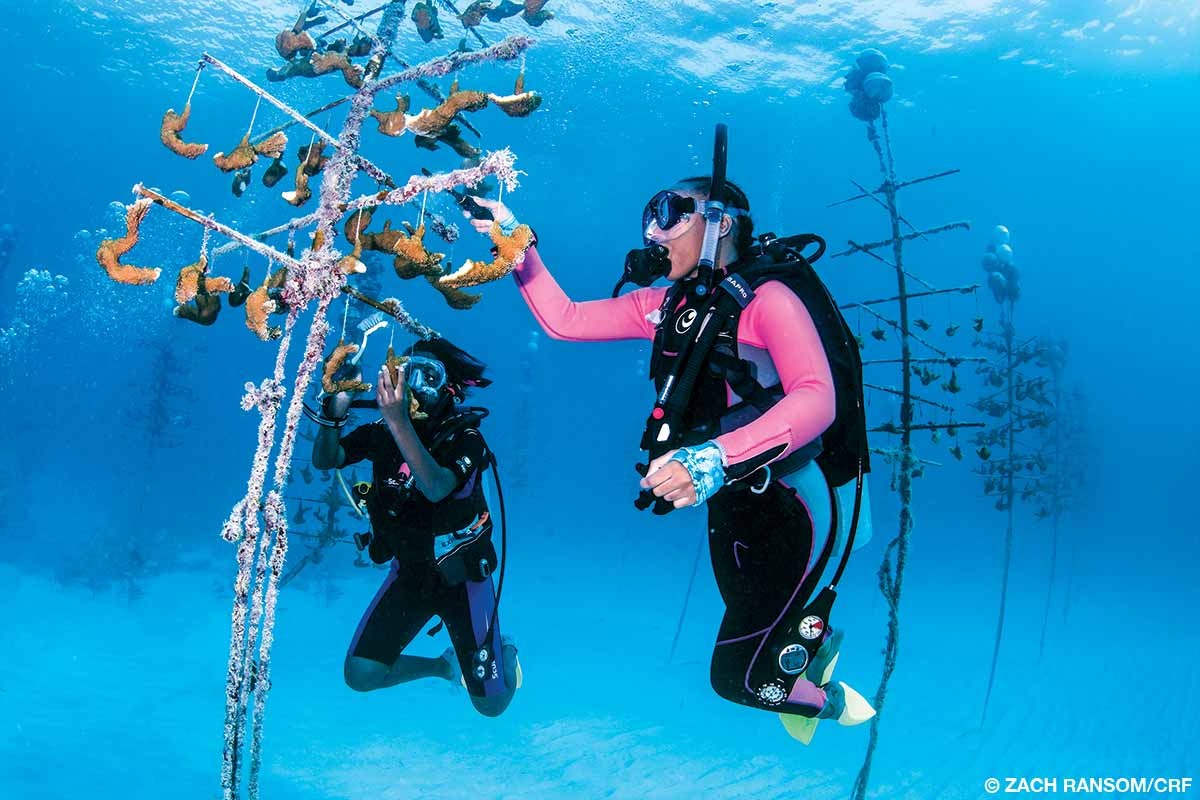
Ocean literacy is important for the public to make informed decisions about ocean restoration efforts and to take increased individual responsibility in those efforts. Younger generations are crucial for developing an ocean literate society, but adequate ocean science education is a challenge for underserved and underfunded schools. Informal educational opportunities run by the Black Girls Dive Foundation (BGDF) fill the knowledge gap and are a resource for environmentally minded students.
In Fall 2013, my wife, Liv, and I were supervising 16 new divers who were experiencing low visibility for the first time. Our training site had a maximum depth of […]
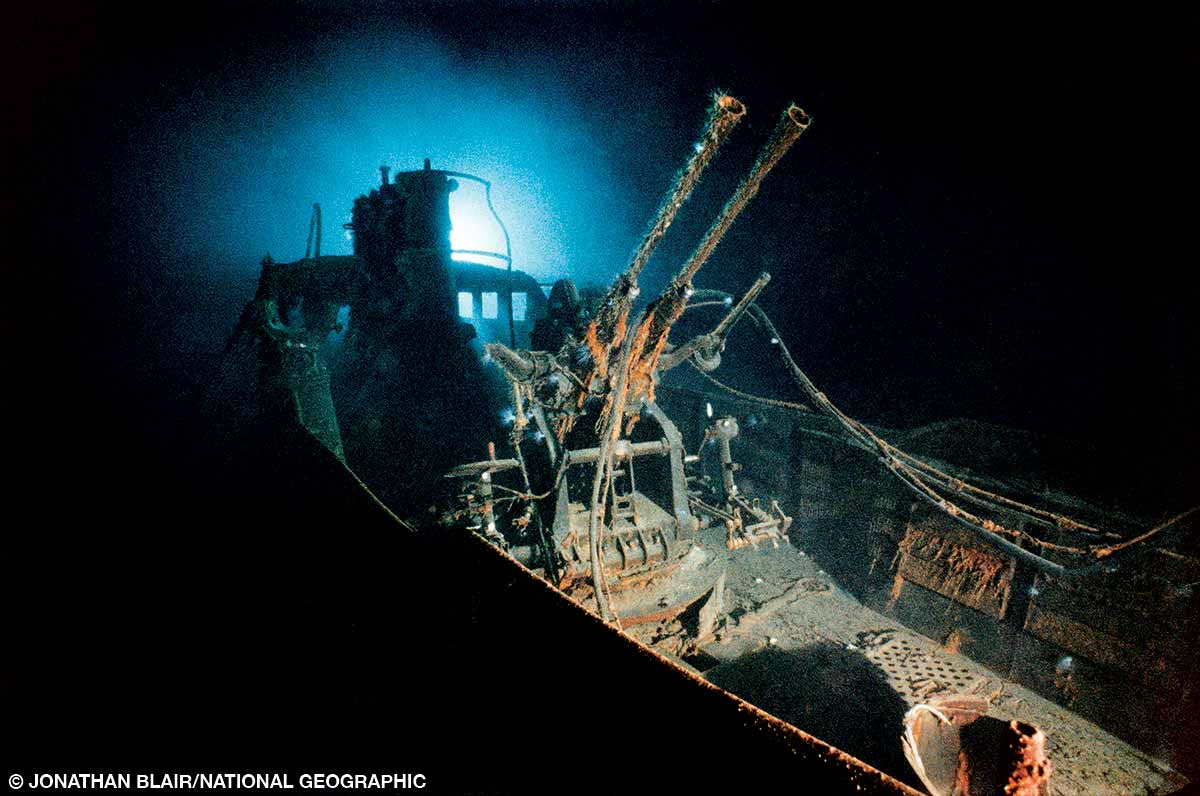
The story of the search for the Japanese submarine I-52 is one of two discoveries separated by time and purpose. In the dark of night in the Atlantic Ocean in 1944, U.S. Navy anti-submarine ships searched for a clandestine meeting between German and Japanese naval crews. Operating on captured intelligence, they sought to surprise and sink the two submarines. Half a century later, the I-52 still rested undiscovered on the seafloor, but this time the search was in the dark of the deep ocean in pursuit of possibility, not destruction.
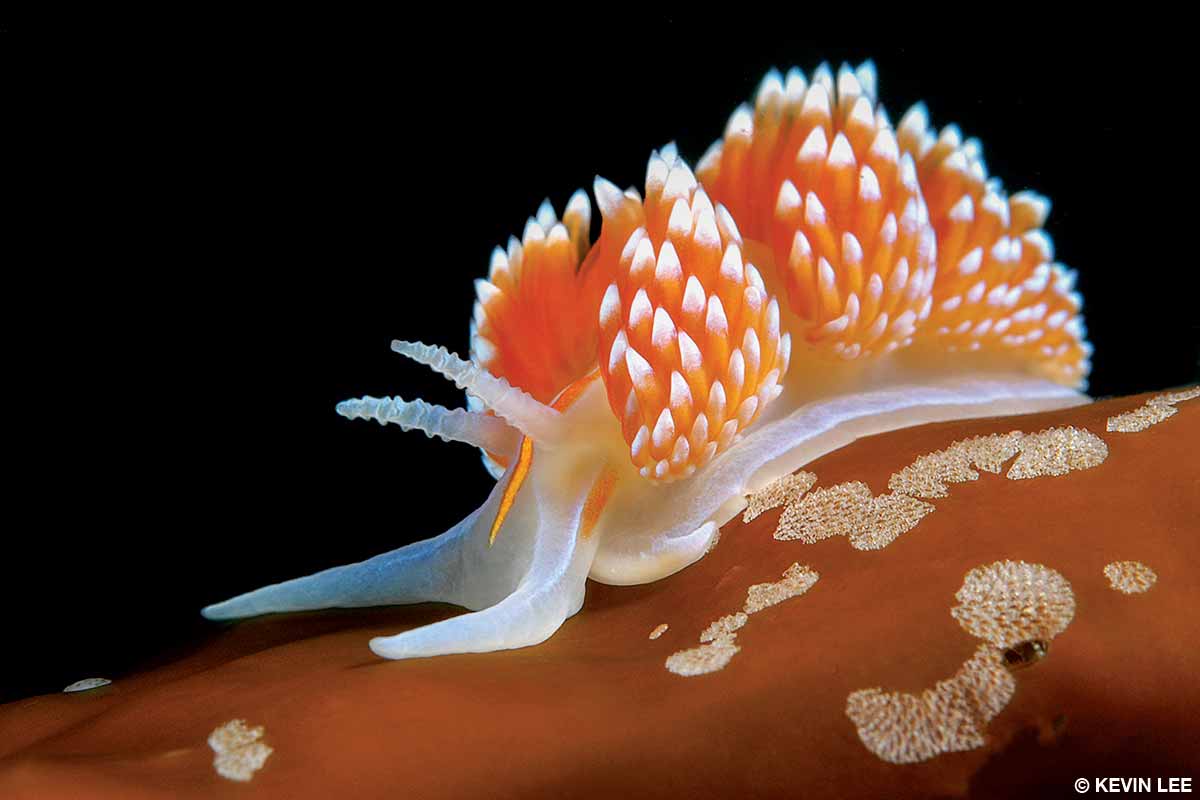
At the Maritime Aquarium in Norwalk, Connecticut, nudibranchs have become storytellers for an issue facing our oceans that is difficult to understand yet imperative to know about: global climate change. The aquarium has taken a unique approach to educate the public on this global threat. Their new exhibit, A Slug’s Life: Facing the Climate Endgame, showcases the adored mollusk and runs through Sept. 6, 2021. The exhibit’s specific intent is to help guests understand the warnings that changing slug populations provide about the health of their habitats.
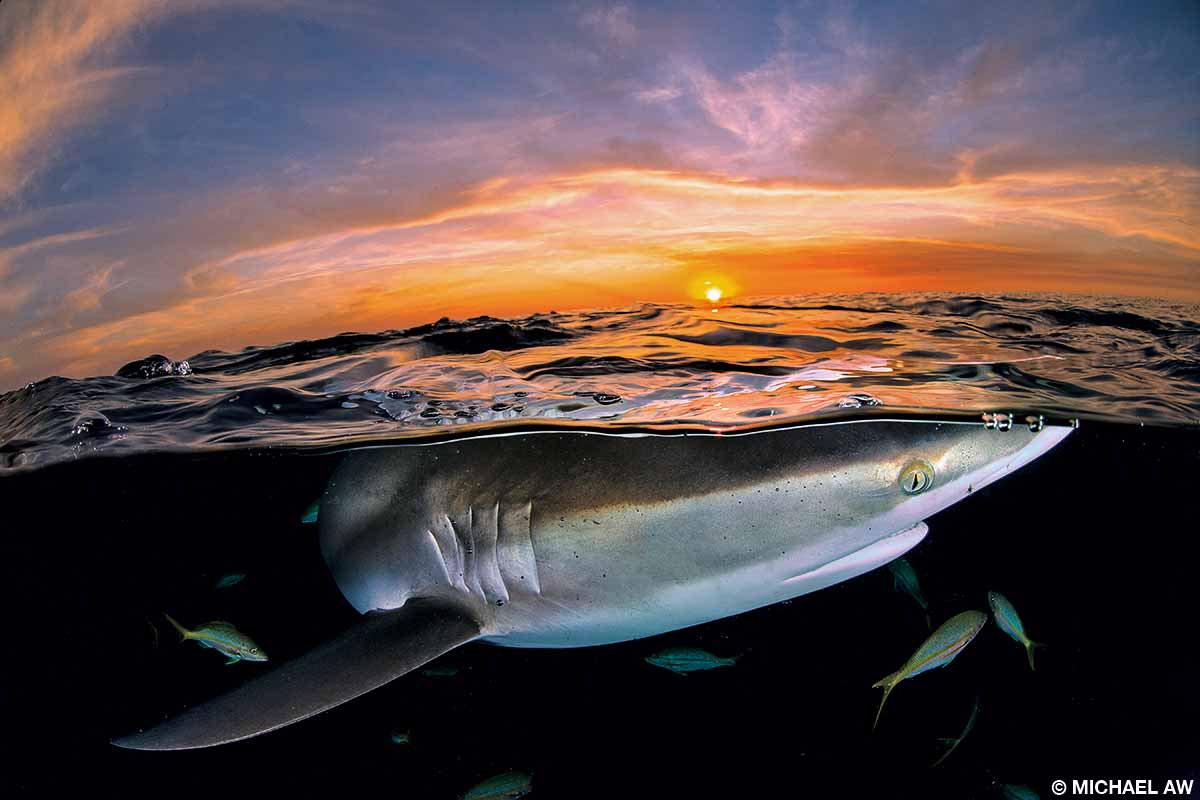
Michael Aw’s early life while growing up in Singapore — he didn’t see the ocean until age 17 — gave few clues that he would one day become one of the most influential print journalists in destination diving and ocean conservation. The author of or major contributor to 43 books, Aw created Ocean Geographic magazine in 2007 and also leads expeditions, often to exotic regions. He now hopes to raise awareness of the folly of shark-finning and the overexploitation of our marine resources.
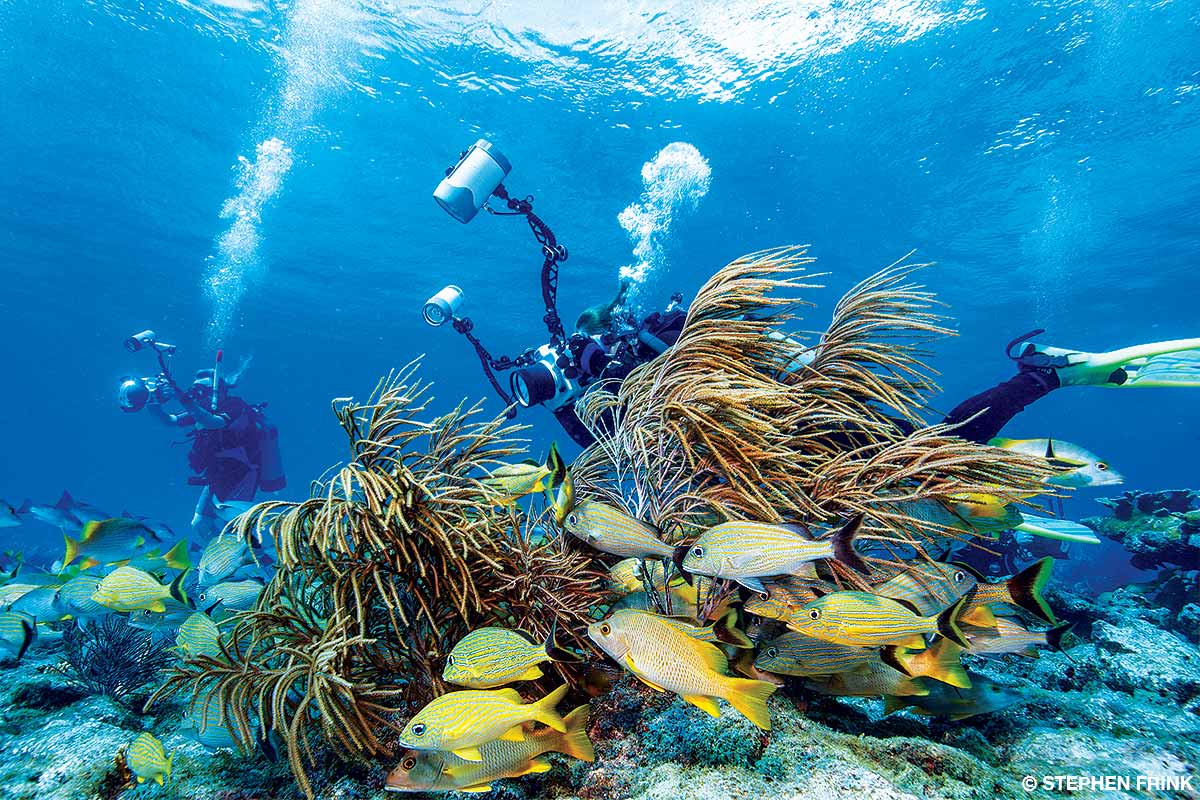
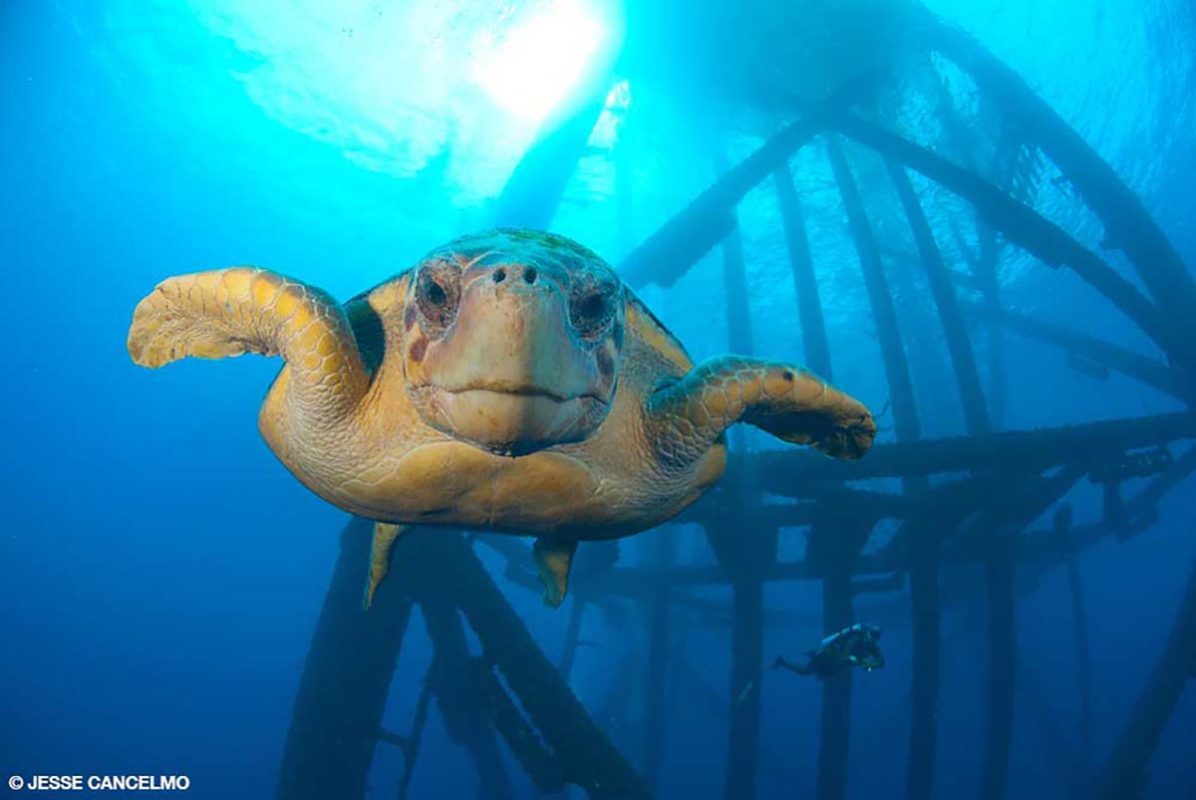
Jesse Cancelmo provides a bonus photo gallery of images from Flower Garden Banks National Marine Sanctuary.
Our checkout dive was easy, with a maximum depth of 75 feet for 50 minutes. The current was slight, and the visibility was spectacular — an ideal first dive. It closed with a nice, slow ascent and a three-minute safety stop. When we returned to the boat, I felt a sudden tingling in my right foot followed by a dull ache in my knee. I assumed the worst, thinking I had decompression sickness (DCS). When I reviewed the dive in my mind, however, that seemed impossible.
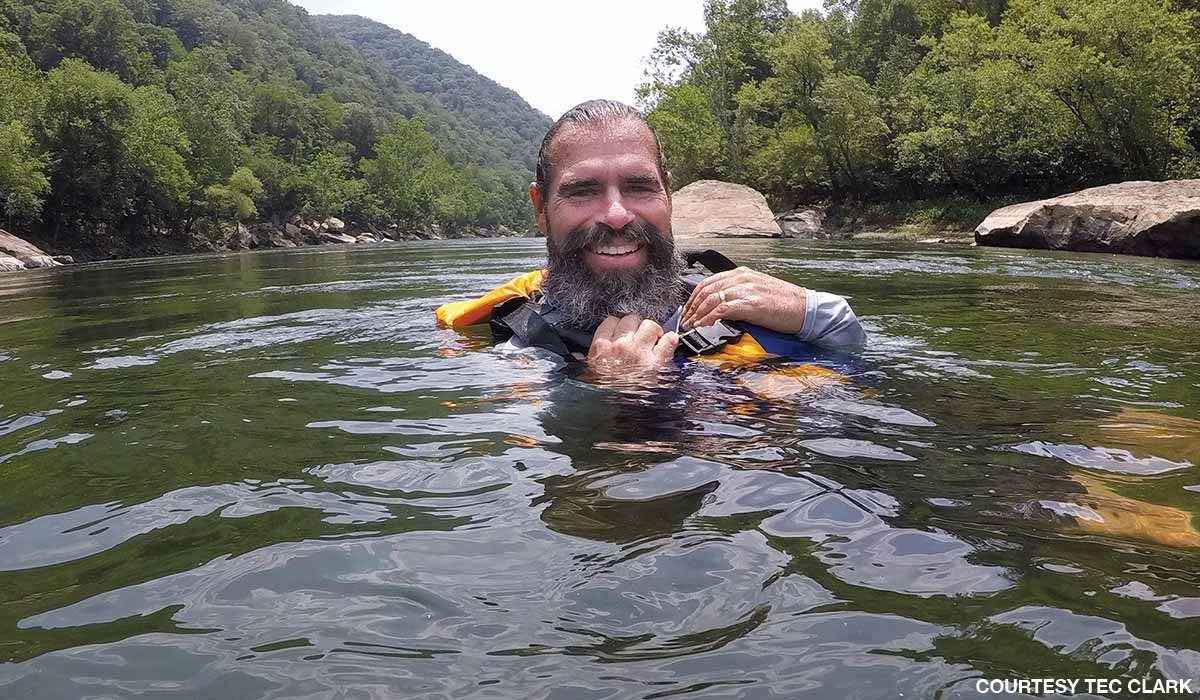
Dive legend Tec Clark has built a memorable career and legacy around training excellent divers. He describes his underwater experiences as “absolutely worshipful” and “otherworldly.” It’s the place where he feels closer to God than anywhere else on Earth. Helping others safely and professionally experience this same life-changing magic is his focus. Clark summed up the philosophy behind all his advice to new dive professionals: “Great training is the key to great diving. Don’t cut corners. Offer excellent training. Go beyond the standard.”
Turbid water can be a challenging environment for underwater photographers, particularly when shooting wide angle. Turbid water may not appear brown or green from the surface — in many cases the water looks entirely different once we drop in and begin the dive. All water is turbid to some degree. Understanding what causes turbidity and knowing how to work around it can make a world of difference when shooting in those conditions. One of the best skills a photographer can develop, particularly for shooting wide angle, is learning how to read water quality.