Capturing good pictures of whales is among the most rewarding photographic experiences an underwater photographer can have. These majestic and charismatic creatures evoke wonder, and the time spent with them will likely be unforgettable. The environments where you find them, however, along with their sheer size and elusive nature present challenges.
Hometown: Orlando, FloridaAge: 67Years Diving: 55Why I’m a DAN Member: I want to be a part of an organization that freely gives back to the dive community and ensures that […]
David Doubilet said it first and best. “He uses boundless imagination and a keen eye to peel back the surface and expose a world that is beautiful, bizarre, and wonderfully unexpected,” Doubilet said about Alex Kirkbride’s remarkable underwater photographic journey through all 50 states for his book American Waters.
In 1943 a hyperbaric chamber in London reached an air pressure equal to 300 feet (91 meters), and nitrogen narcosis hammered the three dry divers inside. They reached for the rubber mouthpieces of their dive gear, which delivered 100% oxygen.
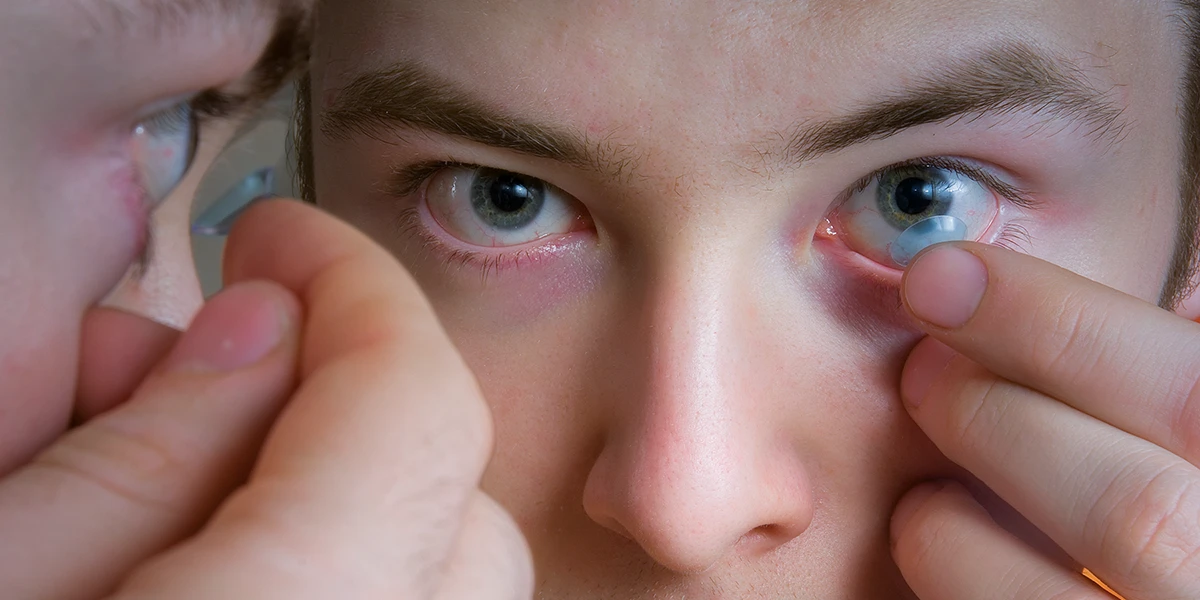
Many divers wear contact lenses without issue during their dives. It’s crucial, however, to be aware of potential challenges, such as increased dryness or irritation due to factors like dry air in the dive mask, prolonged wear, mask squeezes, or exposure to saltwater. Maintaining good hygiene practices, including thorough handwashing before handling lenses and avoiding contamination, is essential.
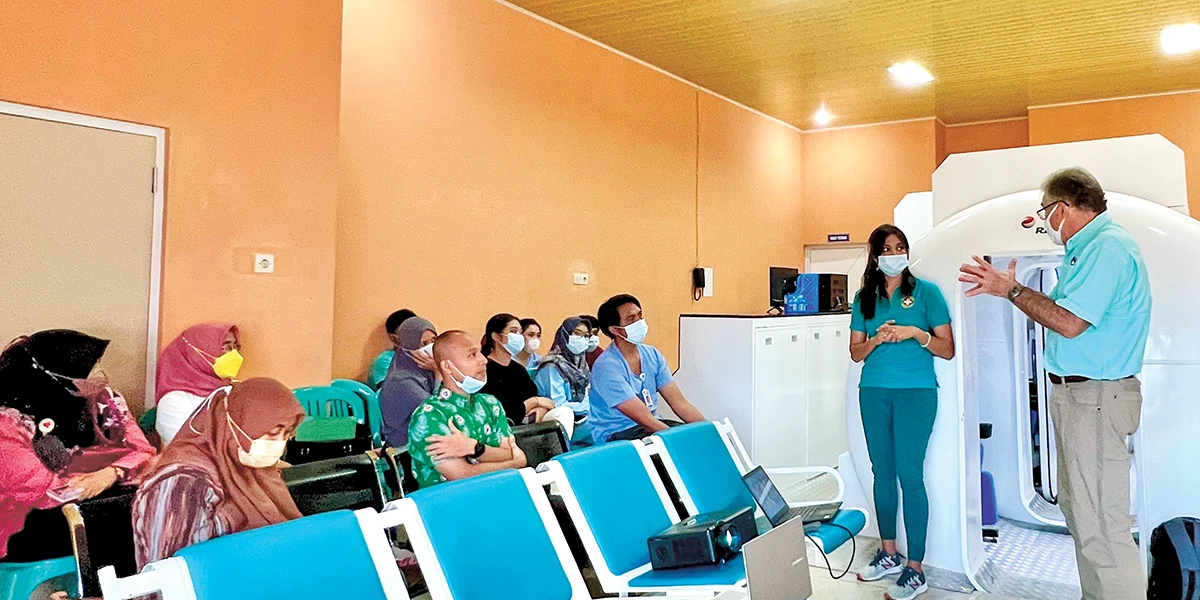
Indonesia’s archipelagic beauty and marine biodiversity lure divers from around the world. As the country’s popularity as an international dive destination grows, so does the complexity of dive safety. Protecting divers is no small feat across this landscape of more than 17,000 islands, many dotted with dive sites in remote locations lacking medical infrastructure.
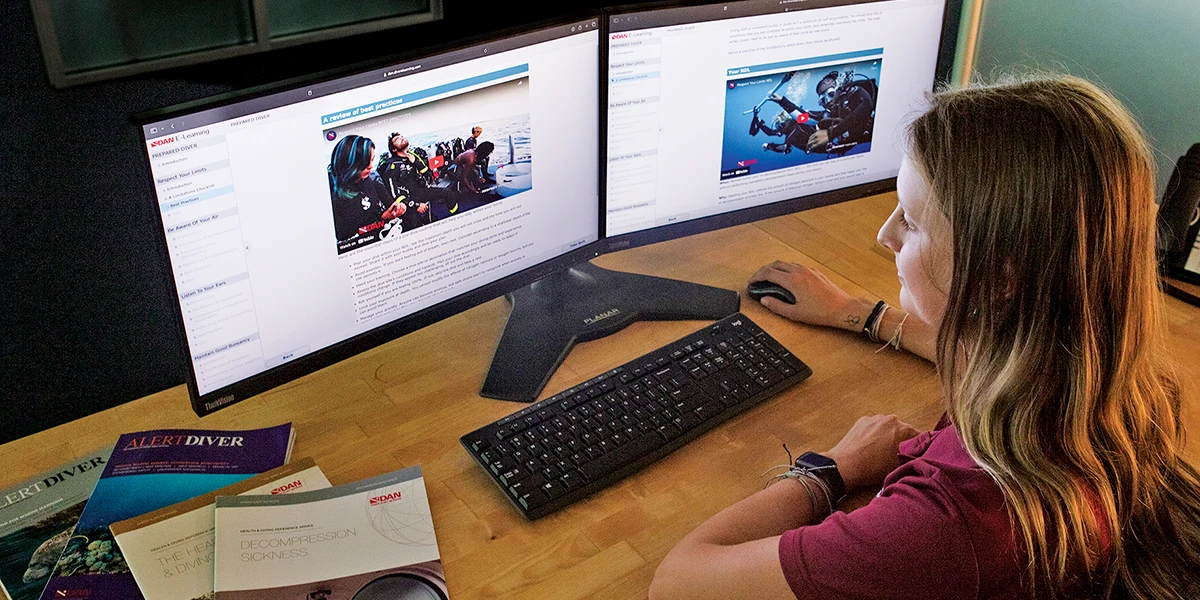
DAN’s vision is to make every dive incident- and accident-free. Improvements in training, equipment, operations, dive boats, and dive computers have made diving significantly safer. The safety of a dive, however, relies heavily on the diver’s practices.
In the last issue of Alert Diver we shared the harrowing story of an attack on a fossil-hunting river diver by a 13-foot alligator. In this issue we’re bringing you more educational articles related to hazardous marine life encounters.
The day-to-day tasks of injury monitoring at Divers Alert Network include tracking dive fatalities by sifting through emails, news alerts, and social media to collect information about recent events. Our goal is to report to the dive community our findings on what people report to us or what we encounter in our research.
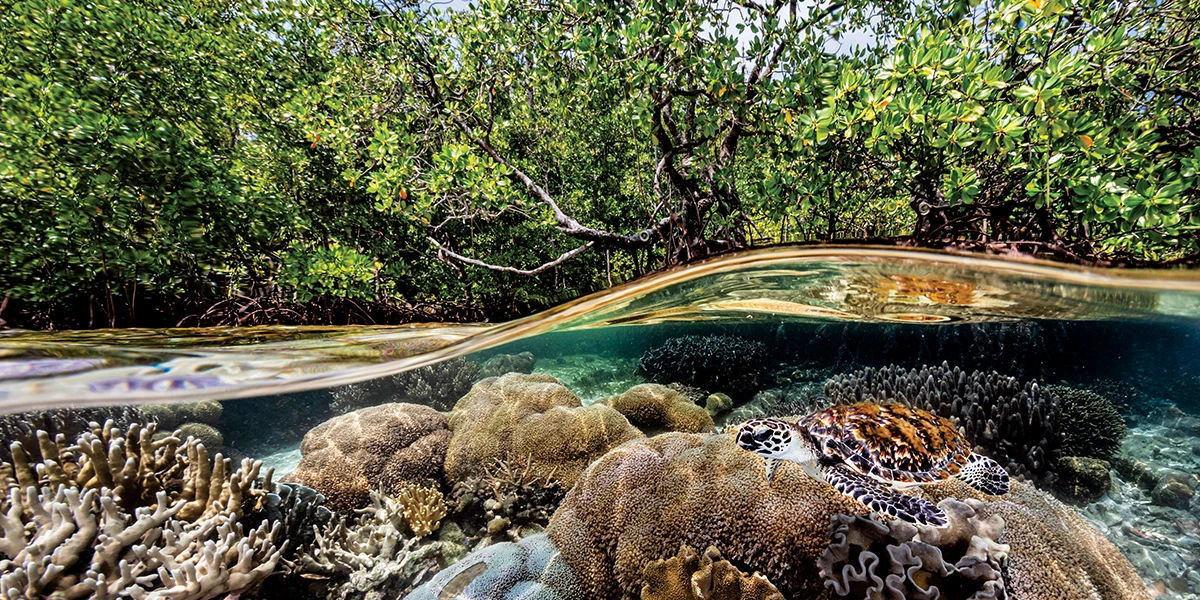
Mangroves matter. They are unique, complex habitats that guard shorelines. They connect the land to the sea, house a diverse range of animal and plant life, and reduce the impacts […]