The Nature Island
When people ask me to describe my favorite ocean experiences, I think of my first trip to Dominica in 2020. My goal was to photograph sperm whales underwater, but I kept my expectations low, having heard that quality interactions with sperm whales often require a lot of luck. It turned out that luck was on my side — over the next five days I had one of the most memorable trips of my life.
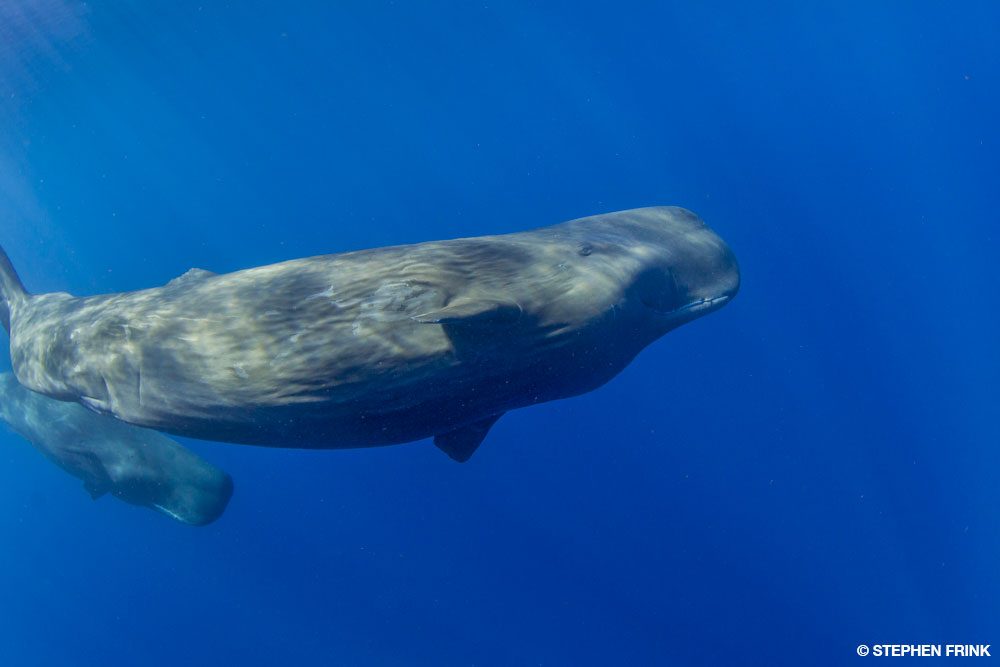
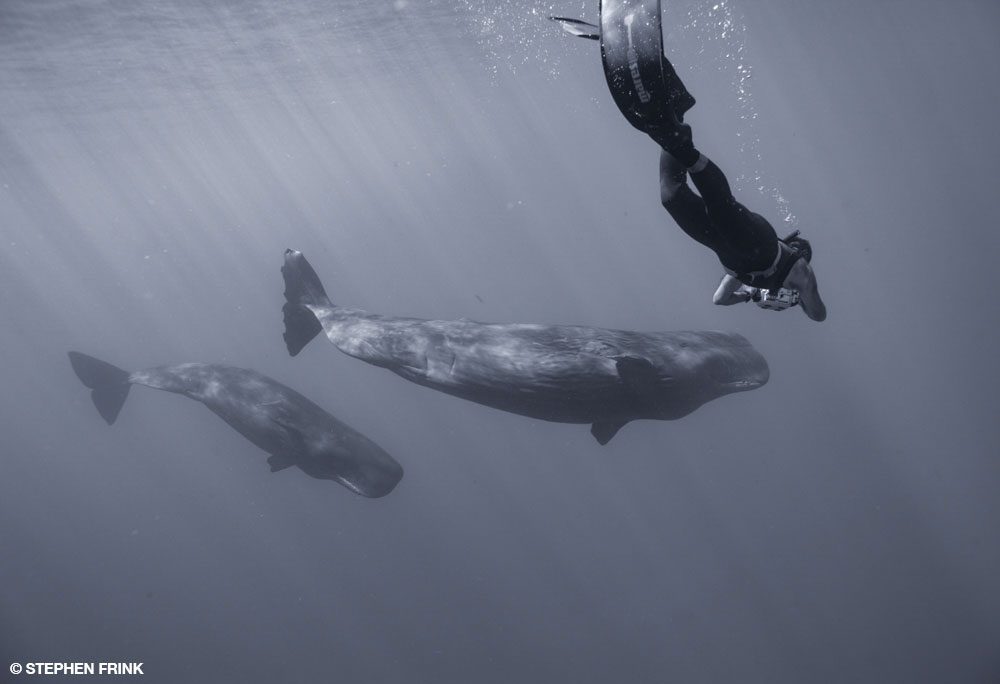
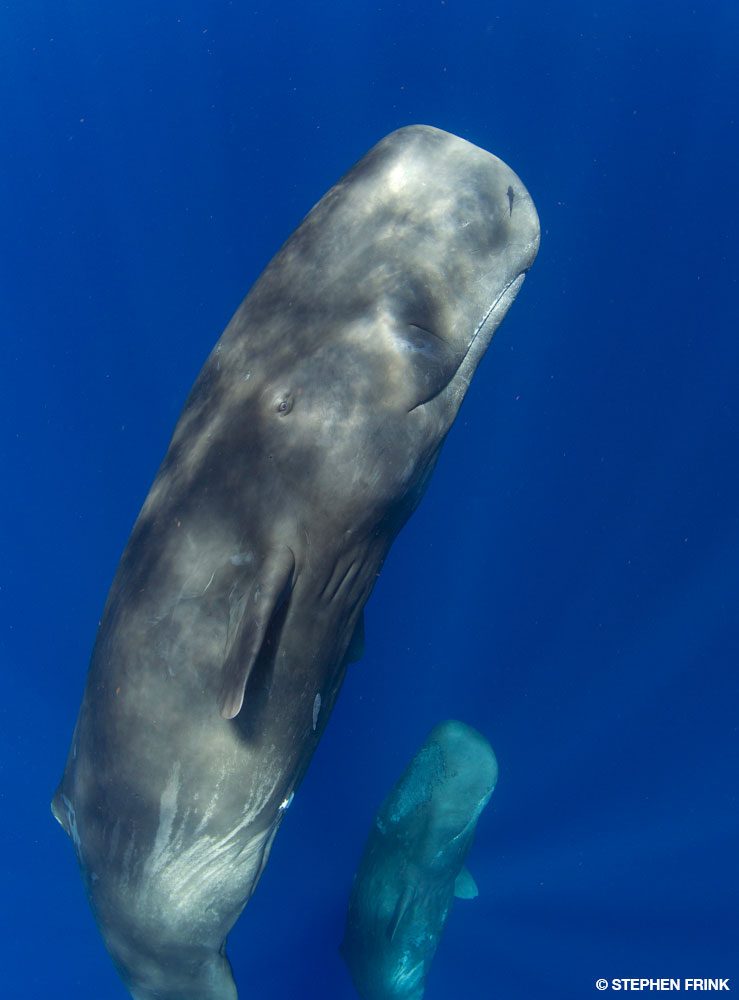
We were the only boat on the water, and our small group of three saw everything we could’ve hoped for and more: playful mothers and calves, sleeping whales hanging vertically in the water column, and, on our last day, 16 sperm whales socializing and playing together in the open blue. After spending two hours in the water watching the show, I climbed back onto the boat, thinking I had seen just about everything Dominica had to offer.
I’ve since learned that was quite a naive thought — I didn’t realize how much I had missed both above and below the surface. Many marine enthusiasts, especially underwater photographers, visit the island primarily to see sperm whales. But Dominica, aptly called the Nature Island, has much more to offer.
For divers, the island is home to healthy reefs and dramatic wall dives. For hikers, there’s an extensive network of trails through rainforests, to waterfalls, and up volcanic peaks. Returning four and a half years later, I took the chance to explore more of the island, finally discovering what I had once overlooked. And I was grateful to see the whales again — this time with a deeper understanding of the island and against the backdrop of a new conservation milestone.
Dominica’s New Sperm Whale Reserve
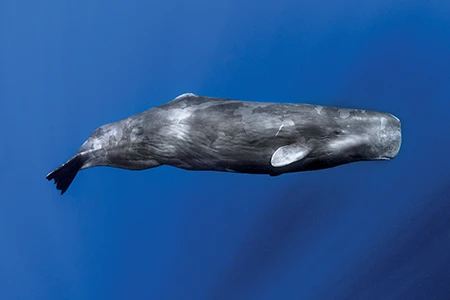
While Dominica is rich in natural wonders, its sperm whales remain the island’s most iconic ambassadors. Deep underwater canyons on the island’s west side provide an ideal habitat for the whales’ favorite prey: deep-sea squid. Thanks to this steady food supply, about 200 individual sperm whales reside in Dominican waters, making it one of the only places in the world where you can reliably see them year-round.
The resident whales are uniquely tied to Dominica, with research showing they even speak their own dialect and have a culture distinct from other sperm whale populations. The island’s longstanding connection with sperm whales has made these animals a symbol of national heritage, underscoring the need for their protection and sustainable tourism management.
Dominica’s relationship with sperm whales and other cetaceans has evolved significantly. While past generations hunted whales to provide food for the community, this practice mostly ended in the 1990s. Whale-watching tours emerged in its place, especially with the rise of cruise ship visitors, fueling the island’s growing ecotourism industry.
Requests began to emerge around 2005 to cater to cetacean research projects. The Dominica Sperm Whale Project, led by marine biologist Shane Gero, brought international attention to the whales’ communication, behavior, and genetics. This scientific interest soon led to demand for recreational in-water whale encounters.
At the time, the only legal framework governing in-water activities with sperm whales was Dominica’s Fisheries Act, legislation prohibiting profit from marine resources without permission, such as a fishing license or exemption under a scientific research permit. Consequently, swimming-with-whale tours have since been managed under a provision within the Fisheries Act, which essentially utilizes research permits as the only legal means for government oversight. The government is aware that some permits are used for recreational purposes rather than purely scientific purposes, but lacking a better legal framework, this workaround has remained in place.
As demand grew, so did the number of operators. While many local guides set their own ethical boundaries for in-water encounters, the lack of formal regulation left varying levels of enforcement. In 2022 National Geographic’s Pristine Seas team visited Dominica and recommended formalizing a cetacean government sector.
This guidance garnered significant government attention, and in 2023 the government announced a proposed law to establish a sperm whale marine reserve. The law has not yet passed through the government, but enactment is expected in the second half of 2025. The new legislation will establish a dedicated sperm whale reserve office within the government and create a corresponding sperm whale reserve fund to support conservation programs.
Gero, who also sits on the task force shaping the legislation, says the model is inspired by Rwanda’s successful gorilla conservation program, where permits are limited and fund both habitat protection and local community initiatives. In Dominica, whale permits could similarly support both conservation projects and local infrastructure, such as providing the means to build a new marine fuel dock and new schools.
The reserve will cover much of the island’s west coast and introduce new measures, such as designated shipping lanes to reduce vessel strikes and additional regulation on in-water activities. For snorkelers, the law aims to clarify the permitting system by creating three types of permits for in-water encounters: recreational, commercial media, and research. A marine ranger will be present on board to oversee every boat involved in in-water activities and reduce regulatory pressure on boat operators and crew.
The legislation also limits the number of boats allowed on the water, bans the commercial sale of footage by tourists holding recreational permits, and mandates crew certification for best practices. New rules will govern in-water encounters: Interactions will be restricted to 10 minutes per encounter, only one group may observe sleeping sperm whales until they awaken, and boats are prohibited from dropping snorkelers near nursing calves under any circumstance. To set realistic expectations about what operators can offer in Dominica, they will not be allowed to post or publish any footage or imagery containing swimmers and whales together.
Some regular visitors may lament the increased regulation and be worried it will dilute the raw magic of encountering sperm whales underwater. Unfortunately, more regulation sometimes becomes necessary. Earlier this year there were instances of as many as 10 boats circling a single whale, which is an unsustainable model. Operators have also noticed that the sperm whales seem to be moving farther offshore, potentially stressed by the amount of human activity.
Even if the semiprivate experiences that I and others enjoyed in the past may no longer be possible due to rising demand, the spirit behind the new whale reserve still represents a step forward. Protecting these animals ensures that future generations can continue to experience the beauty of sharing the ocean with the largest toothed predators on Earth.
Grassroots Efforts to Save Dominica’s Reefs
Though many people already know about Dominica as a prime destination for reef diving in the Caribbean, I was so fixated on sperm whales on my first trip that scuba diving barely crossed my mind. That finally changed on my recent return trip, when I spent a few extra days diving around the Soufrière-Scott’s Head Marine Reserve.
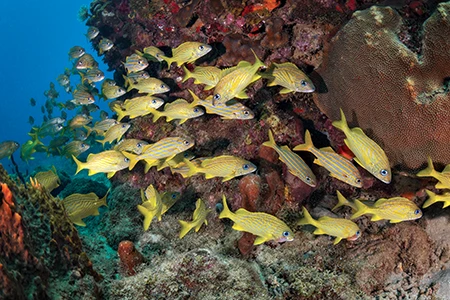
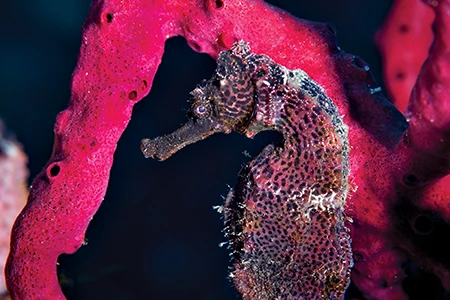
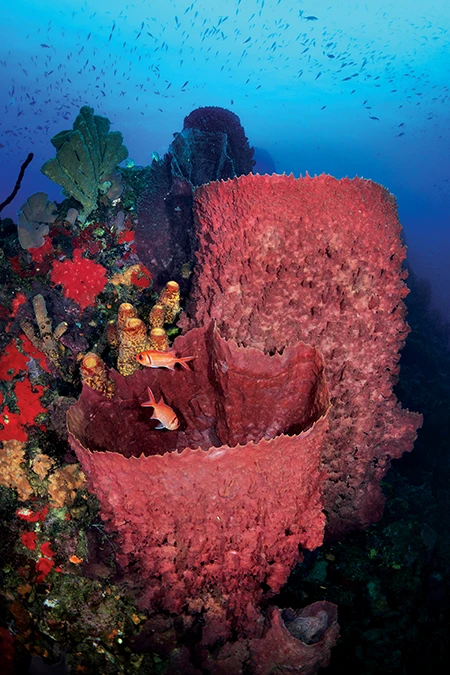
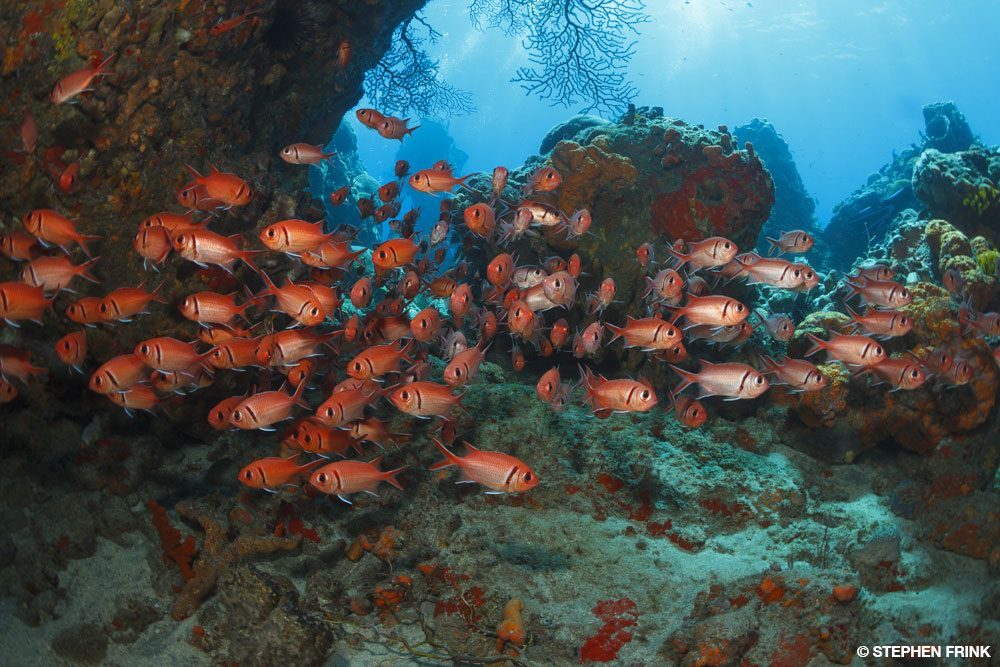
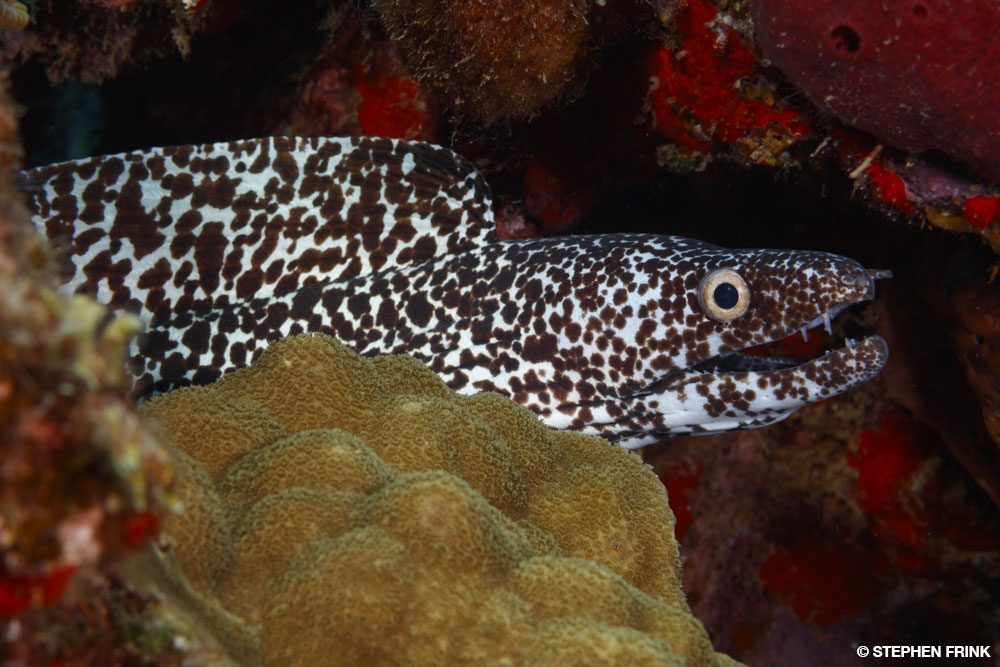
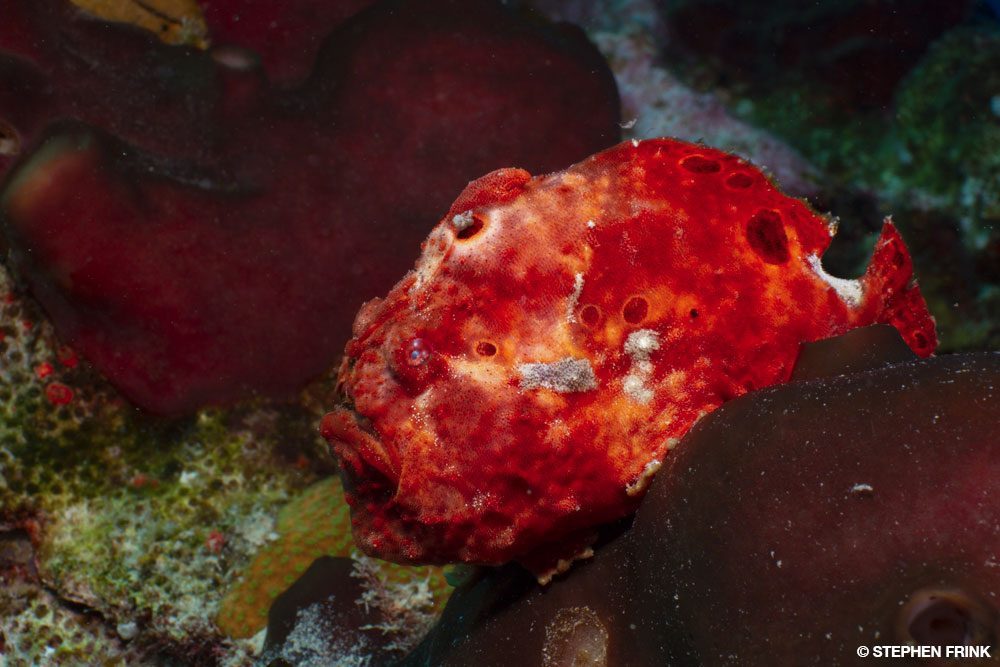
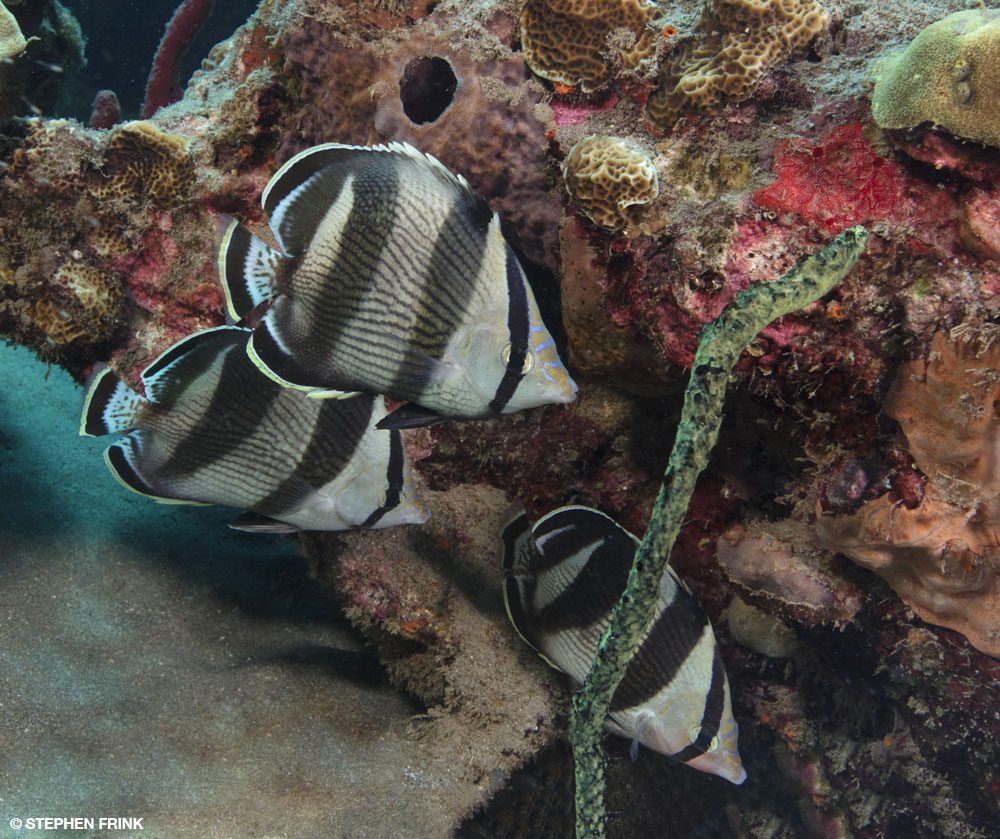
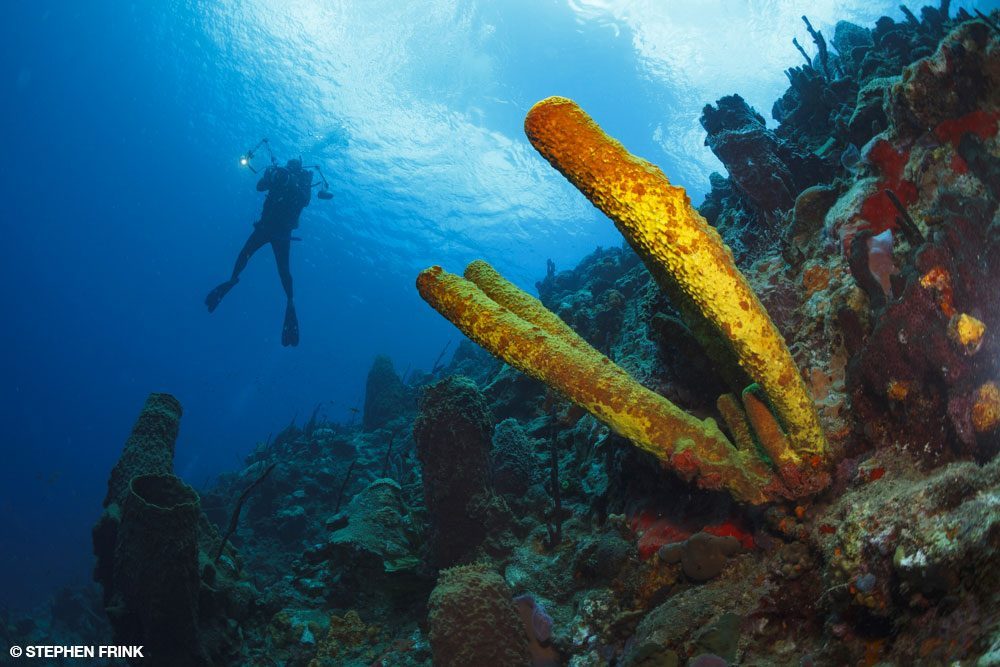
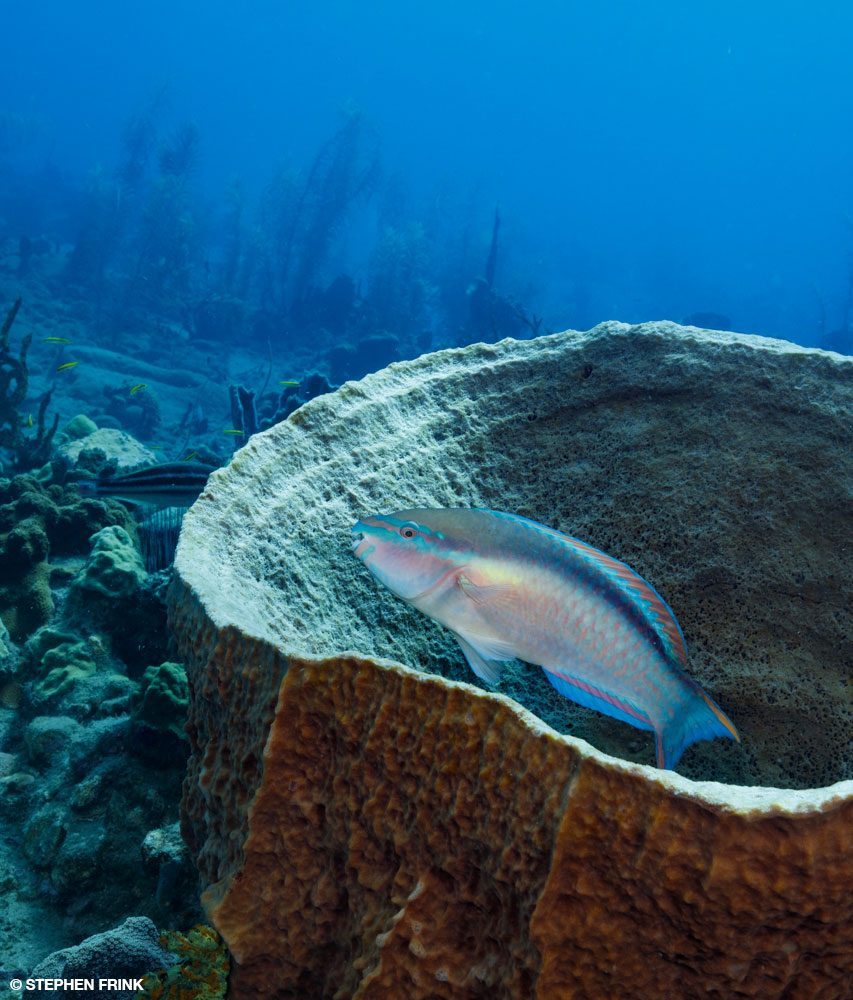
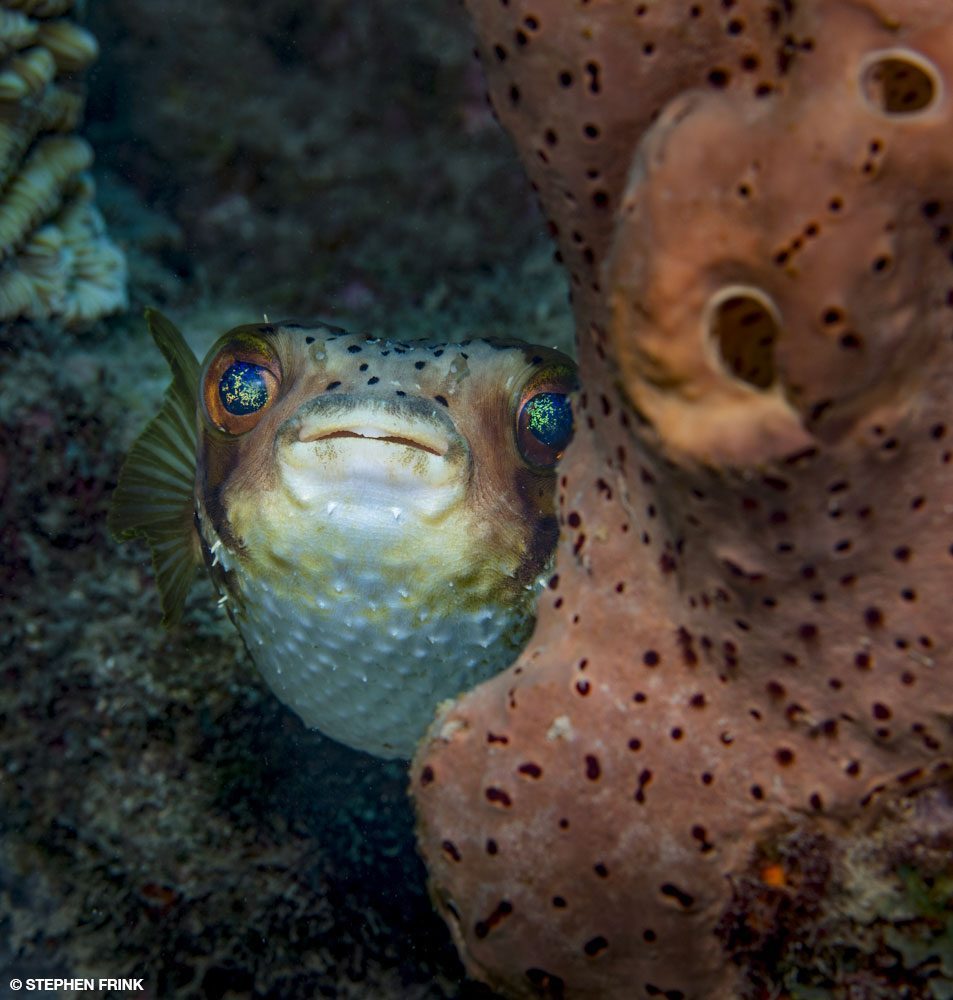
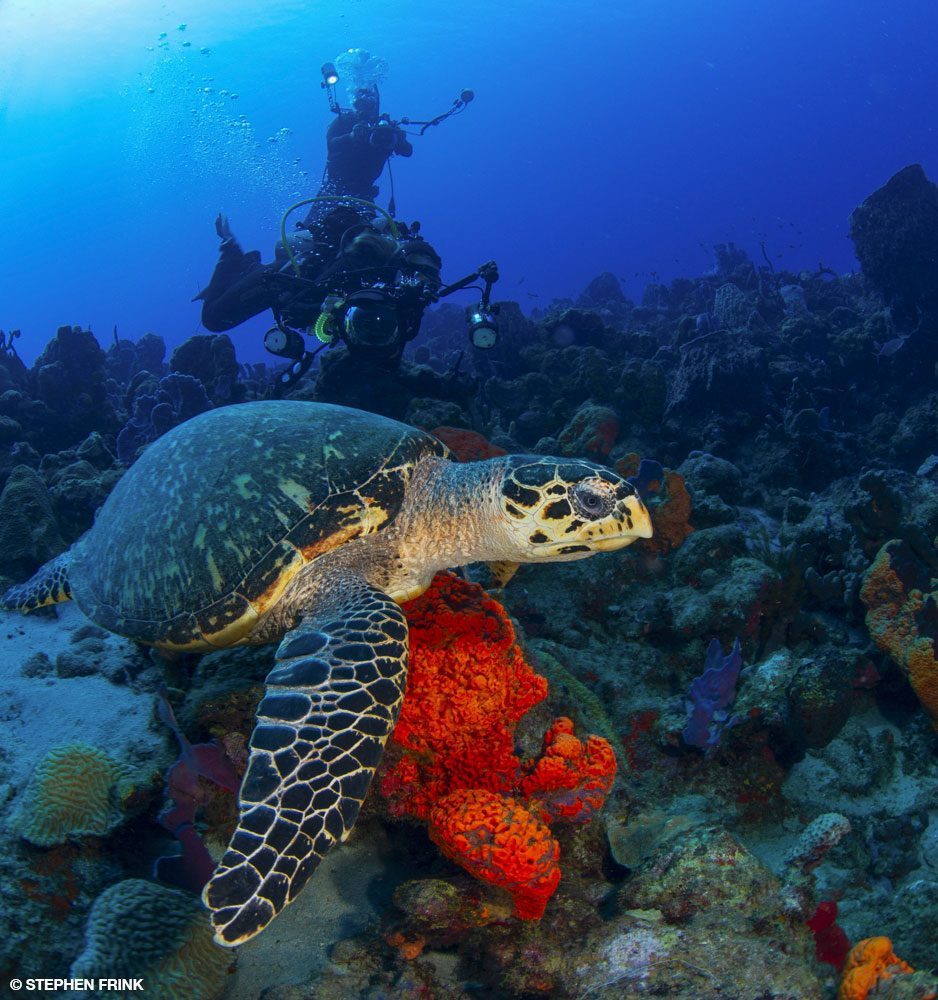
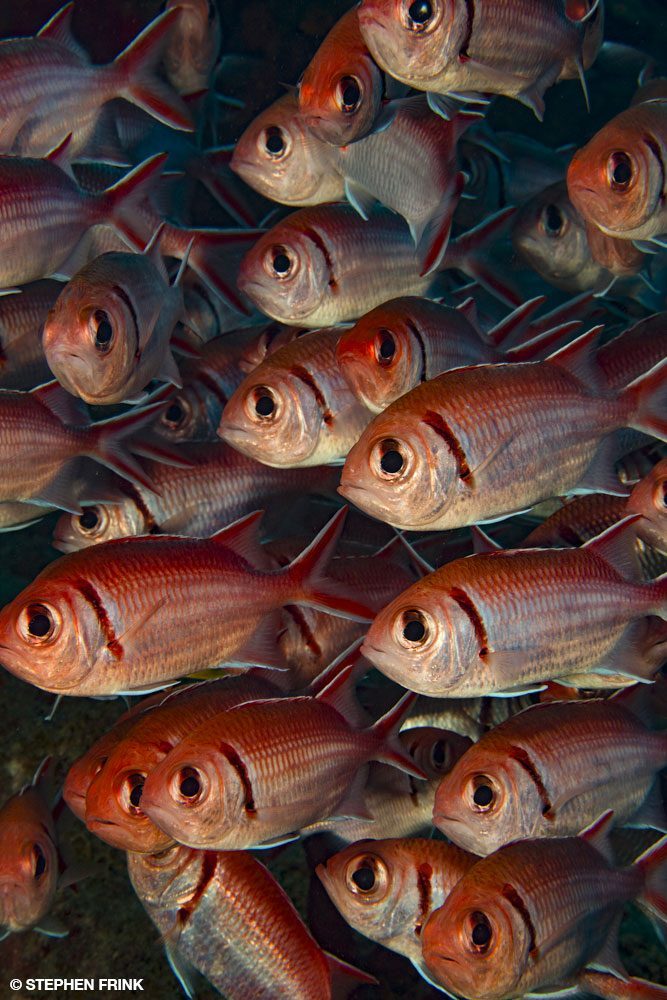
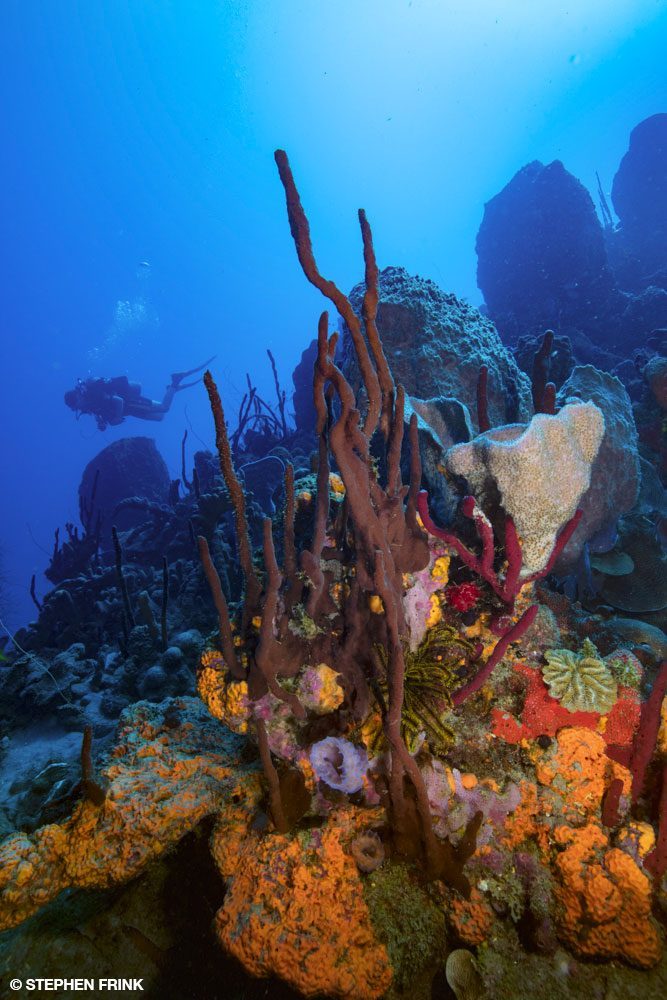
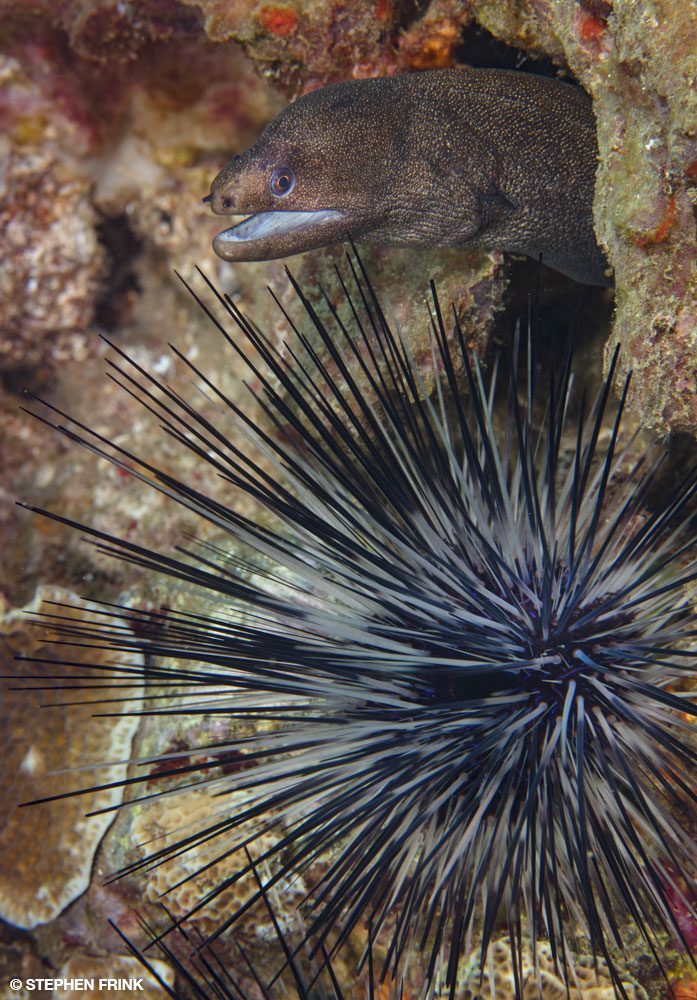
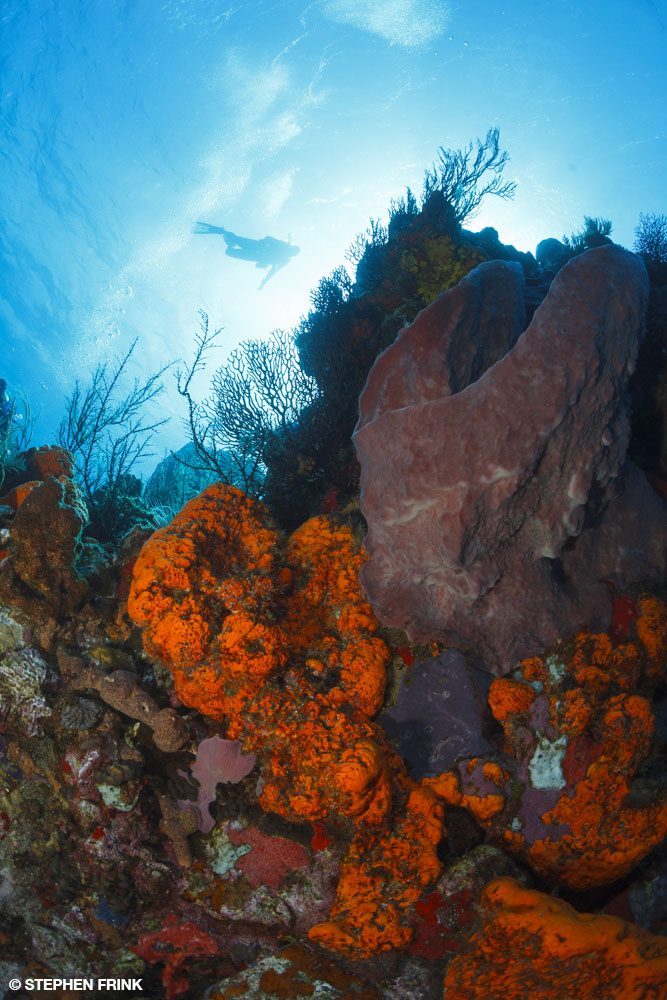
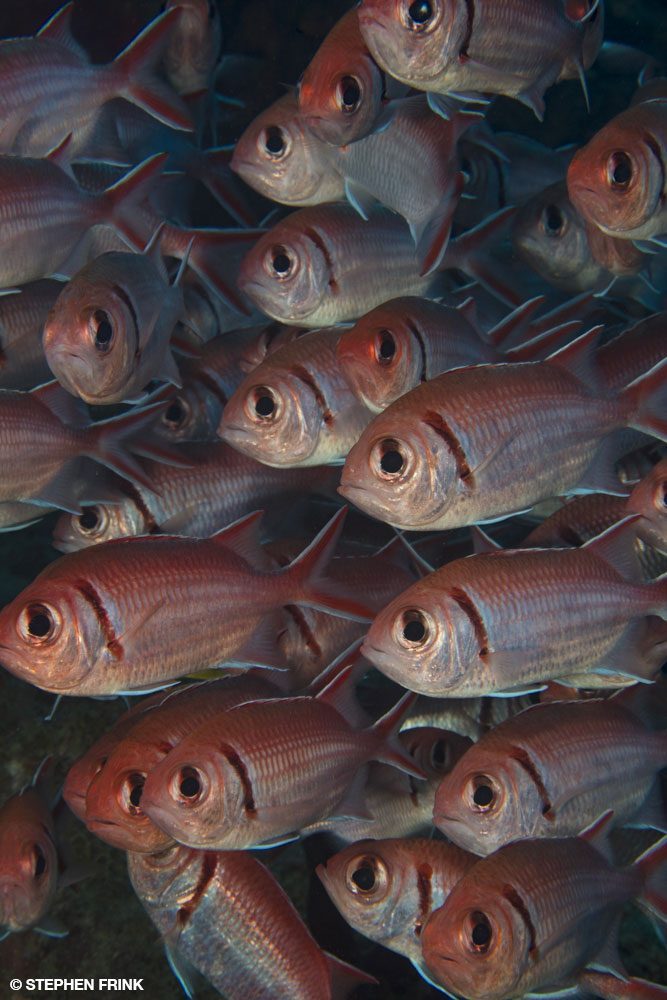
This protected marine area, which encompasses a submerged volcanic crater at the island’s southwest tip, is filled with dramatic walls and pinnacles covered with colorful corals and sponges. Looking closer, I also found a rich diversity of macro life, including shrimps, blennies, crabs, seahorses, and more.
Even more impressive were the conservation efforts spearheaded by Nature Island Dive, a local dive operation based in Soufrière. Co-owner Simon Walsh has more than 33 years of experience and more than 10,000 dives in the marine reserve. Over the past decade he and his staff have been leading important coral conservation efforts to safeguard Dominica’s underwater biodiversity.
In the early 2020s the deadly stony coral tissue loss disease (SCTLD) began approaching Dominican waters from the greater Caribbean. This fast-spreading disease causes rapid tissue loss in hard corals and can kill entire colonies within days if left untreated. In collaboration with experts from Florida and Turks and Caicos, Nature Island Dive responded by rapidly educating themselves on all the affected coral species and their treatment requirements.
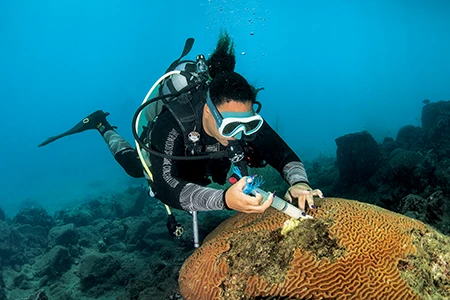
They began using Base2B, an ointment designed to be mixed with amoxicillin, to treat infected corals. The team meticulously documented treatment protocols, noting which species responded best and developing techniques to improve the treatment’s success rate on more challenging corals.
There were times when staff members would dive the same section of reef every day, armed with more than 20 tubes of the Base2B mix, treating every affected coral they could find. By tagging and monitoring key corals, they could track the progress and effectiveness of treatments, ultimately saving a significant portion of Dominica’s reefs from devastation.
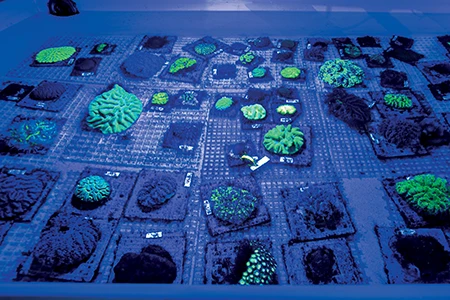
The threat to the reefs escalated further in 2024 with a mass coral bleaching event. While Dominica’s deep waters historically offered some protection from bleaching compared with other surrounding islands, that year the Atlantic reached a critical 90°F (32°C), leading to severe bleaching across the island. This devastation and SCTLD pushed Nature Island Dive to build a land-based coral biobank and restoration center in June 2024.
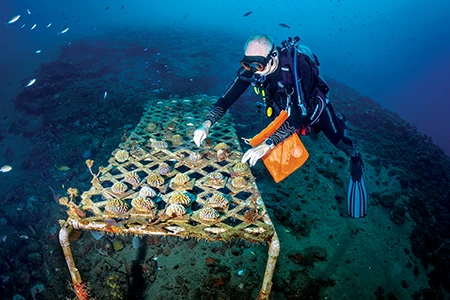
To date they have successfully biobanked 22 species, including pillar coral, which went extinct around Dominican waters in 2024 and is critically endangered worldwide. While the long-term goal is to reintroduce these corals to the wild, the group’s immediate focus is expanding their biobank. With current government regulations preventing coral exchange between islands, localized biobanking has become essential to preserve genetic diversity and build the foundation for future restoration.
They also maintain several underwater coral nurseries, including coral trees designed to repopulate local reefs. Maze coral was once the dominant species in Dominican waters before being heavily impacted by SCTLD and is currently the focus of their restoration project.
It’s easy to admire the healthy reefs of Dominica, but what struck me the most was learning how much work goes into keeping them that way through the myriad challenges plaguing Caribbean coral reefs. Through dedicated effort, Nature Island Dive, a small local dive shop, has become a frontline defender of Dominica’s reefs. They have helped save hundreds of corals that would have otherwise been lost.
Waterfalls and Rainforests
Dominica is also known as the Island of 365 Rivers. Due to its abundance of mountains, volcanoes, and rainforests, the island has a greater concentration of waterfalls than nearly any other Caribbean island. After mornings spent scuba diving or searching for whales, I would often spend my afternoons — at least on the days when the rain wasn’t too heavy — hiking through the rainforest to visit some of these numerous waterfalls.
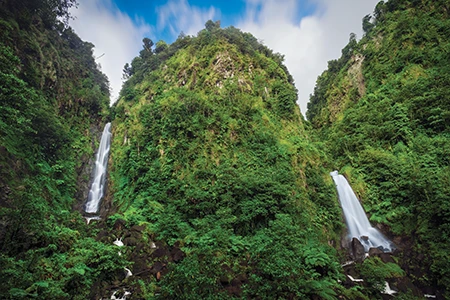
Many of the island’s most spectacular falls are within Morne Trois Pitons National Park, Dominica’s first national park. It is a UNESCO World Heritage Site protecting much of the central and southern highlands. Among the most accessible and famous waterfalls are Emerald Pool, a small cascade that empties into a beautiful swimming hole, and Trafalgar Falls, known for its dramatic twin falls. Both falls have short, manicured trails leading to wooden viewing platforms.
At Trafalgar Falls, adventurous visitors can continue beyond the platform and climb up to the base of the twin falls, where they will discover a surprising contrast — one waterfall, fed by hot springs, is warm, while the other, river-fed, is refreshingly cold. Hiring a local guide for this scramble is highly recommended, as the rocks can be slippery and dangerous, especially to those unfamiliar with the terrain.
Further inland lies Dominica’s tallest waterfall, Middleham Falls. This impressive waterfall drops 270 feet (82 meters) through a narrow gorge and can be reached via a moderate 40-minute hike. Be prepared for river crossings along the way — many trails in Dominica involve wading through streams or walking over slick stones, so it’s essential to wear proper footwear, such as hiking sandals or water shoes.
It’s easy to spot a wide range of wildlife along these trails, especially lizards and birds. Thanks to Dominica’s varied habitats, abundant resources, and relative isolation, the island supports a larger diversity and density of reptile species than its neighbors. Three endemic lizard species are found nowhere else in the world: the Dominican anole, the Dominican ground lizard, and the Dominica skink. These species are all quite common, and I saw them almost daily, both on hikes and while strolling around my hotel grounds.
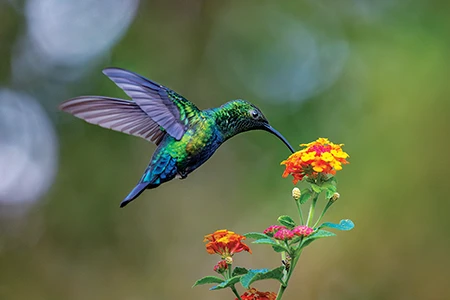
Bird enthusiasts will also find plenty to discover, with nearly 200 bird species recorded across the island. Dominica has two endemic parrot species, both of which are rare and protected: the imperial amazon, which is locally known as the sisserou parrot, and the red-necked amazon. The island’s forests are alive with bird calls, and it’s not uncommon to spot hummingbirds, bananaquits, and other colorful species flying by or perched along trails.
As a macro enthusiast and bug-lover, I often paused to look for tiny jumping spiders, froghoppers, and other miniature critters clinging to leaves and hiding among the foliage.
In addition to incredible sperm whale encounters on my recent trip, I was equally impressed by the range of experiences Dominica offers. The island’s colorful reef dives, towering waterfalls, and diverse rainforests made every day an adventure. If you are considering a visit to Dominica to see sperm whales, come for the whales but stay for the diving, the waterfalls, and the wild moments in between.
How to Dive It
Getting there: International flights to Dominica arrive at Douglas-Charles Airport. United and American Airlines offer nonstop flights from Newark and Miami, respectively. From there it’s a 1.5-hour drive through Dominica’s mountainous interior to Soufrière. Renting a car is recommended for exploring the island’s waterfalls and beaches, but local resorts or transfer companies can arrange transportation anywhere around the island.
Driving is on the left side of the road. When driving, be cautious of the deep drainage ditches along many of the roads. There are no ATMs in Soufrière, and options are limited for groceries, which are more easily available a 15-minute drive away in the island’s capital, Roseau.
Conditions: Diving is possible year-round. The high season runs from November to May, when cruise ships visit the island. But the diving is equally excellent during the quieter June to October slow season, when you’re more likely to have dive sites to yourself. August and September fall within hurricane season but can offer surprisingly calm conditions if hurricanes aren’t directly overhead — just be aware of the weather risk.
Water clarity is typically quite good, aside from days with heavy rain and consequent runoff. An island of 365 rivers will offer the best water clarity away from the river outflows. Some of the dive sites are subject to currents, which are variable in velocity, often as a function of lunar phase. The dive guides are skilled and can read the current. If it’s too strong, they will choose a more sheltered site.
Occasionally, rather than making divers fight the current to get back to the mooring buoy, the boat will drop off the divers and then move to the next downcurrent mooring for the pickup. The guides are skilled at drift diving and will generally not offer it unless the group has demonstrated competency.
Explore More
Find more to love about Dominica in this bonus photo gallery and video.

© Alert Diver – Q3 2025