Marine Stings in Remote Locations
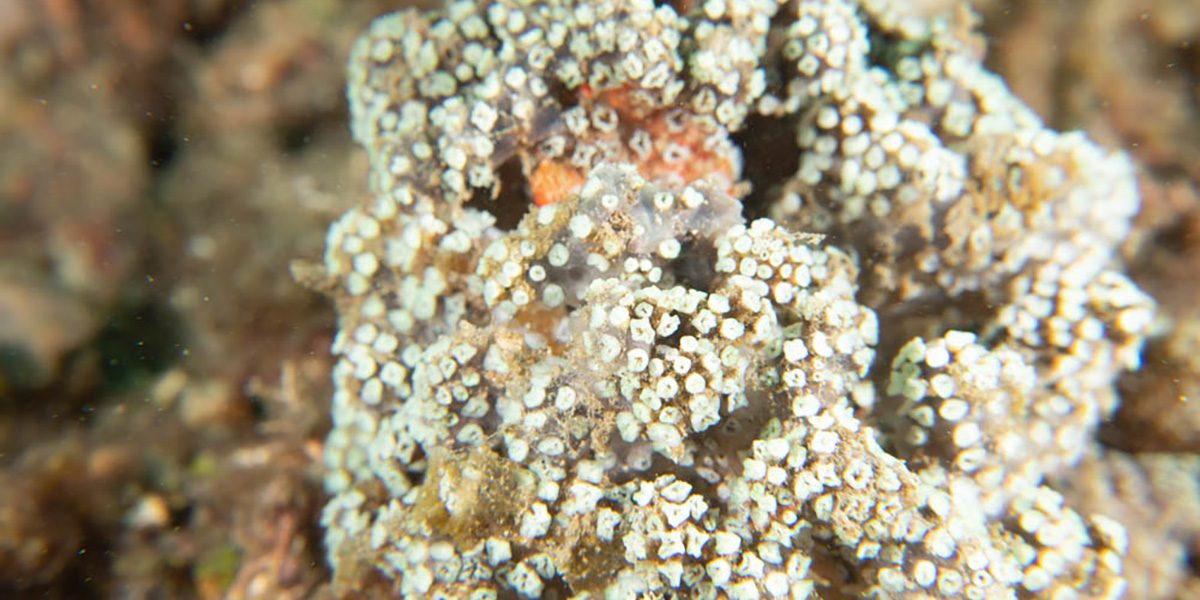
A DAN World Member shares her experience following a marine sting and provides advice to fellow divers to be cautious when diving, particularly in remote locations.
Diving Incident Reports Post Type
A DAN World Member shares her experience following a marine sting and provides advice to fellow divers to be cautious when diving, particularly in remote locations.
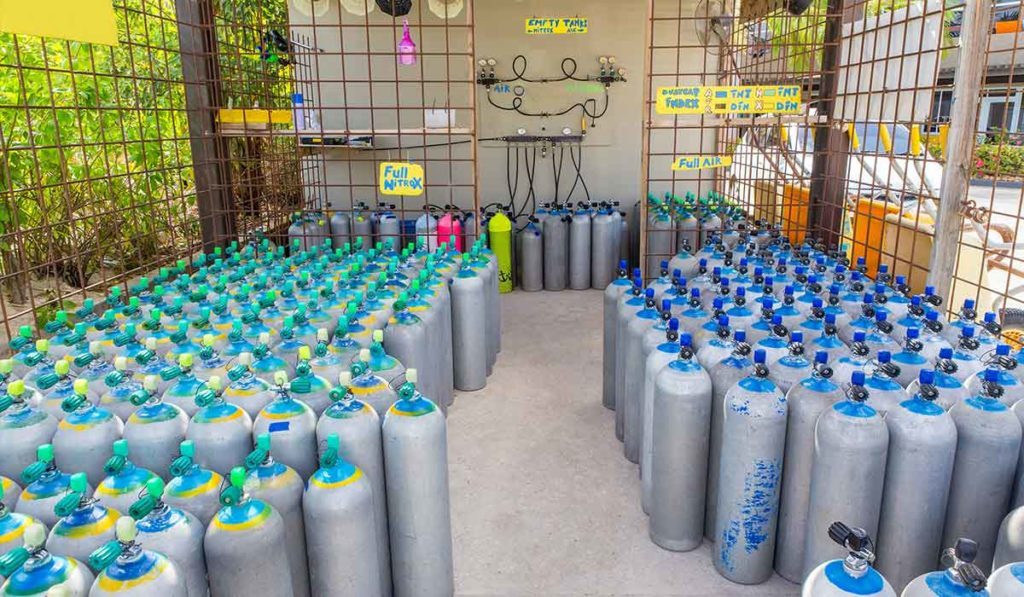
Breathing gas can become contaminated — so divers should always trust their noses. Read a case summary of contaminated breathing gas and what can be done should it happen to you.
A diver requires rescue after experiencing shortness of breath and coughing up blood while performing surface skills for entry-level scuba certification.
Turning the tank valve back half-a-turn often confuses divers and can inadvertently make breathing difficult at depth.
While many divers trust their dive computers completely, the fact is that no dive computer knows who is wearing it, they all simply estimate no-stop limits based on a theory.
Equipment failure during DSMB deployment causes multiple problems for this diver.
Do not drink and dive. A diver dove too deep and ran out of air. His emergency ascent proved extremely hazardous.
Accidents happen without notice, but the inopportune activation of his BCD may have been a sign that he is not yet familiar enough with its use and could have benefited from additional instruction.
Stay within eyesight of your buddy when descending. If you lose sight of your buddy you need to make sure that you do not forget normal practices (such as a controlled ascent) when trying to regain contact.
Diver in advanced diving class struggled due to excess buoyancy. Instructor failed to recognize and correct the problem.