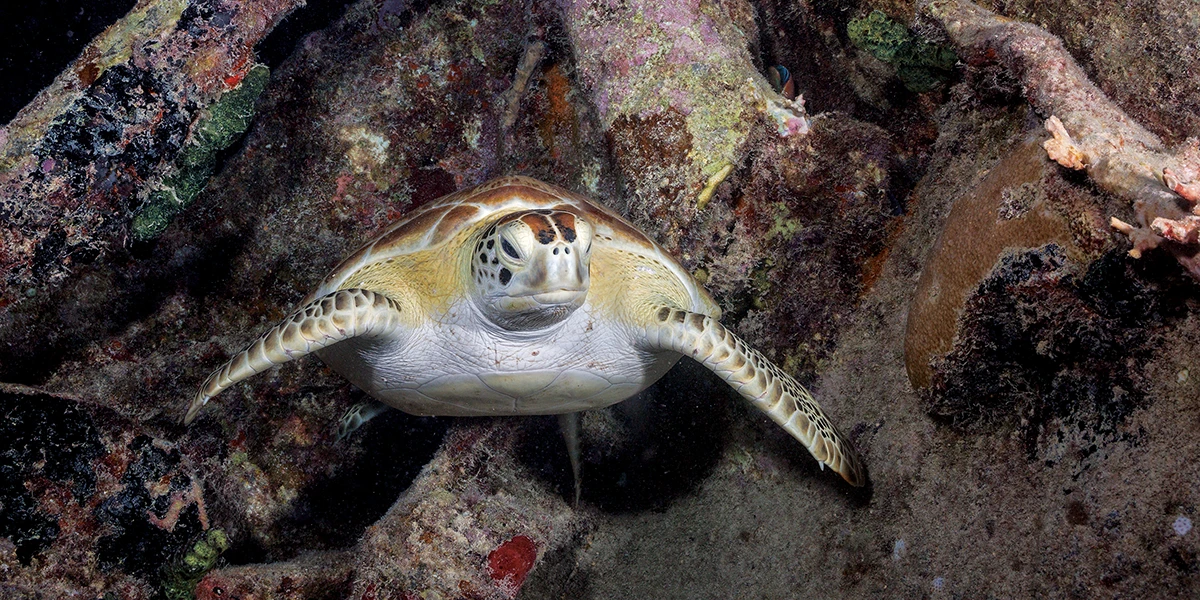
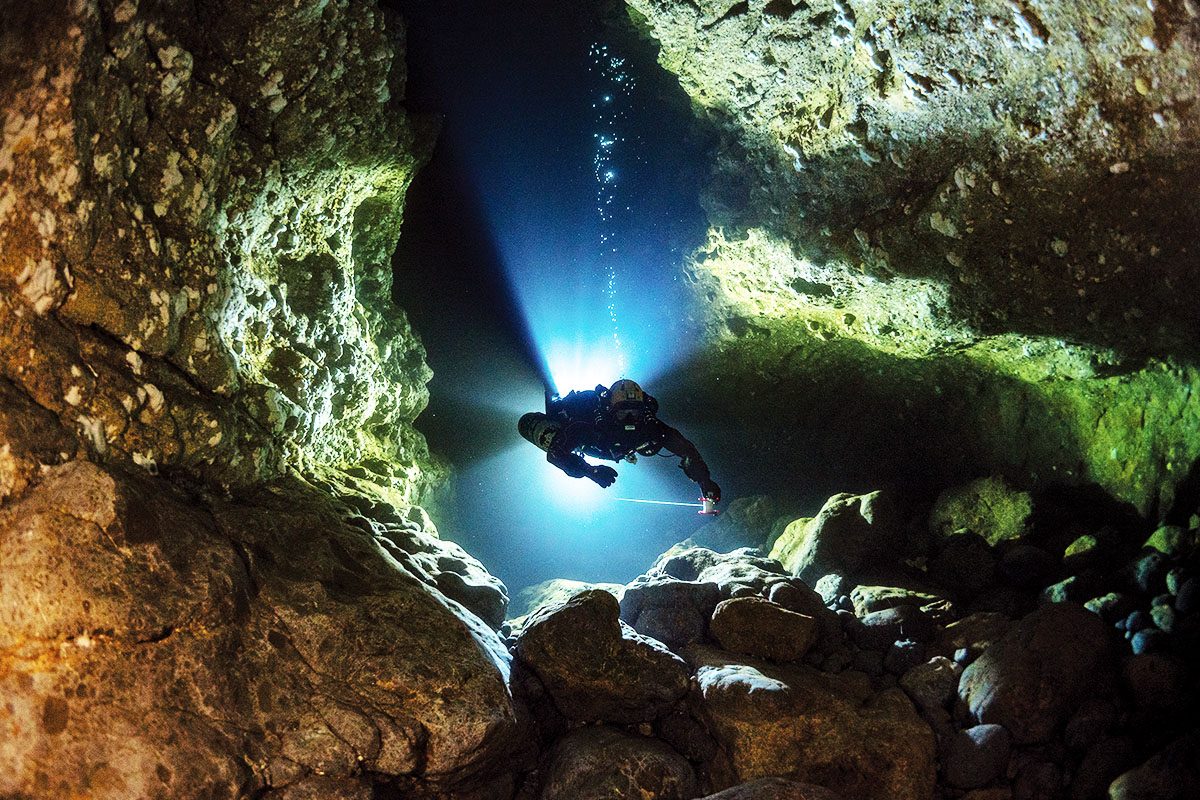
Diving at night provides an exciting new dimension in underwater exploration. As the light fades and darkness spreads through the water, marine life exhibits different behaviors, and the underwater world takes on a new and ethereal quality.
Spearing fish has been a part of human sustenance since hunters first sharpened sticks. With the advent of masks and fins, spearfishing became its own activity. Whether for sport or to put food on the table, divers and freedivers seek these opportunities around the world.
Underwater environments simulate the conditions of space exploration and allow NASA to test equipment, perform research, and prepare for future missions in extreme settings such as the moon or Mars. Being underwater replicates the isolation, confined spaces, and limited resources astronauts experience in space.
When I was young I read about Antarctic expeditions and was mesmerized by the alien worlds found under the ice. As incredible as it looked, I never imagined seeing it for myself. I enjoy all types of diving and underwater environments, and ice diving was another unique and challenging realm to explore — one that required furthering my dive education and skills.
There is a moment in every dive — after the gear is checked, the team gives the final OK, and your body slips below the surface — that everything else fades.
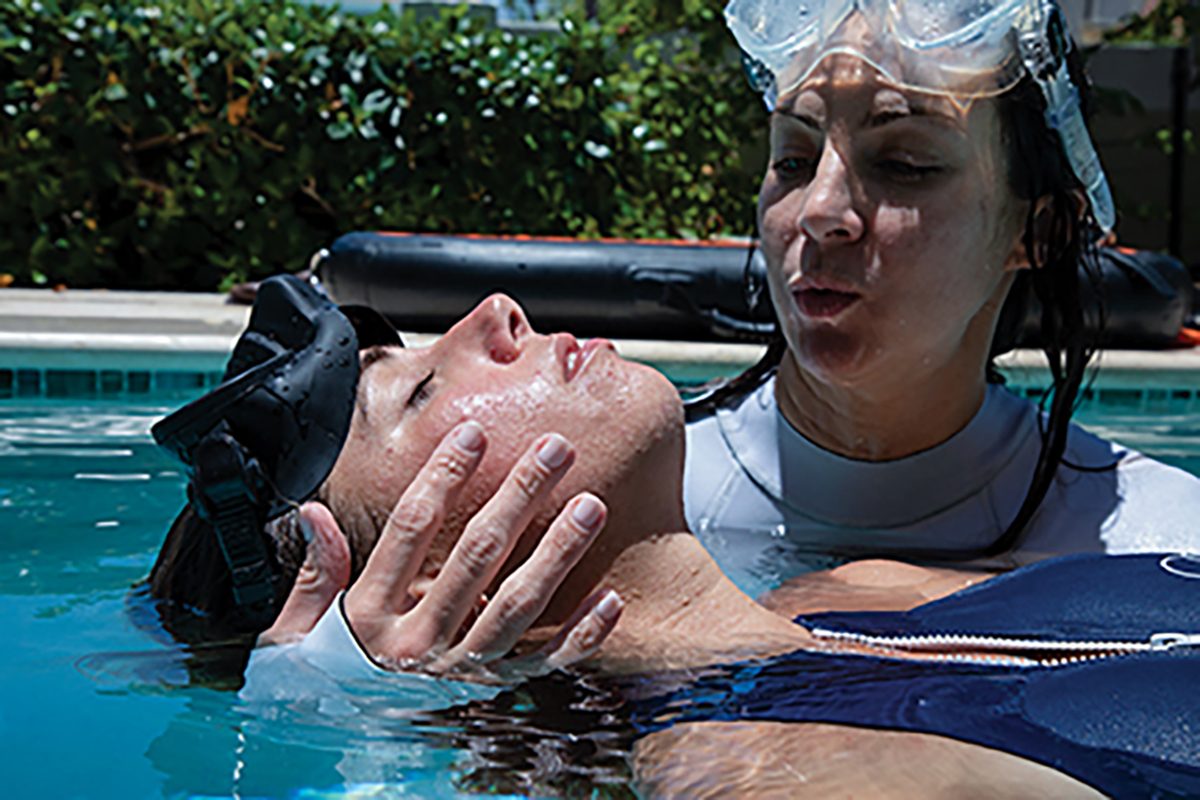
Accidents and incidents occur worldwide that leave victims beyond the reach of standard rescue techniques. These events often happen in or near the water and may require the assistance of specially trained personnel.
WEATHER, SILTY SEDIMENT, time of day, or water movement are just a few natural factors among the range of possible causes that can influence the visibility at your dive site. Low-visibility diving can be quite enjoyable, but it depends on the circumstances and your comfort level. Why do people dive in low-visibility environments? Some divers, […]
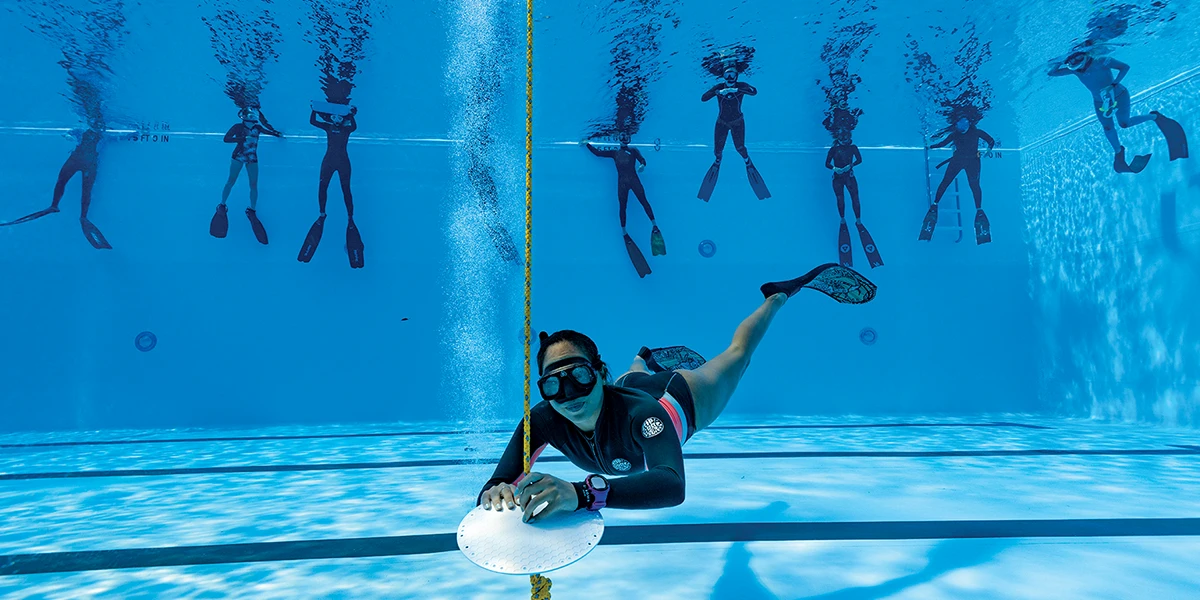
Uncover the importance of the culture of freediving safety in maximizing fun and minimizing risks during your underwater adventures.
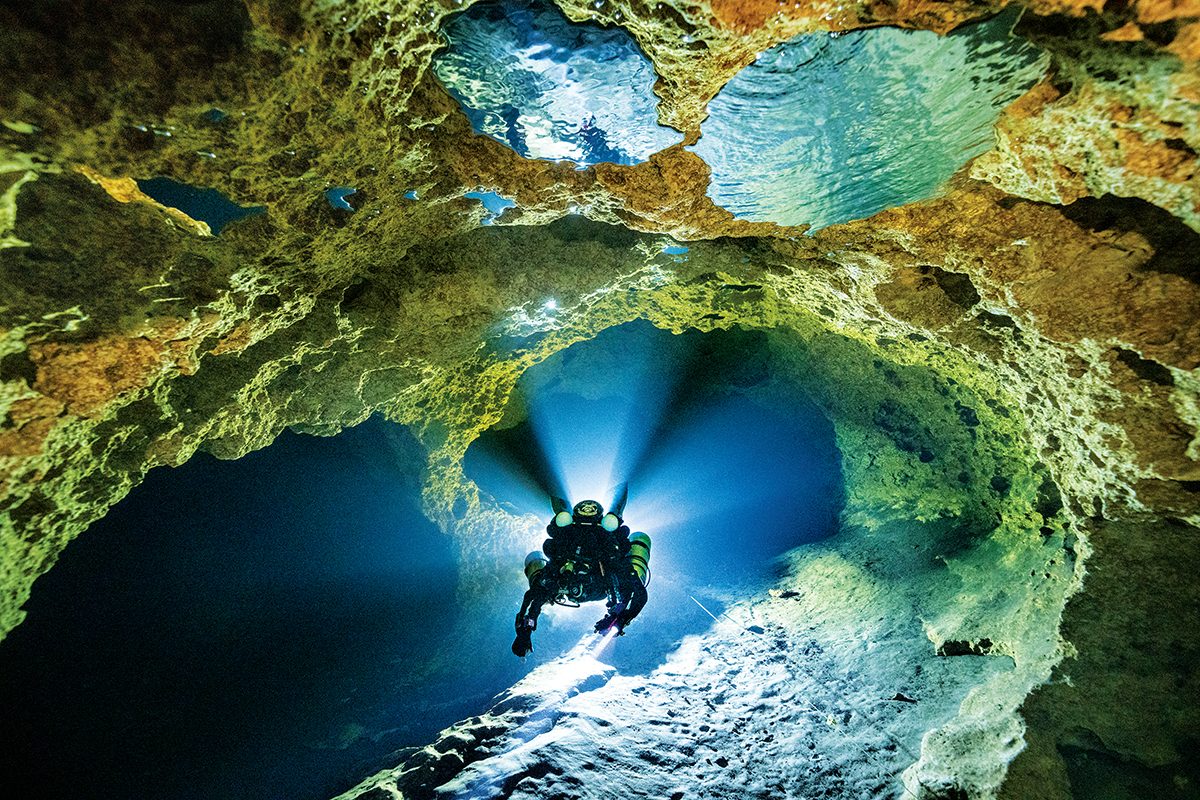
CLOSED-CIRCUIT REBREATHERS (CCRs) have significantly grown in popularity over the past few years. They are becoming more of a norm in the technical diving community, and recreational and …
WHEN YOU GROW UP IN THE FLORIDA KEYS, the Atlantic Ocean is your backyard and the Gulf of Mexico is the front — or as the locals say, the ocean and the bay. Fins are your enclosed footwear, and your mask and snorkel dangle from your elbow after school or on weekends. You never know […]