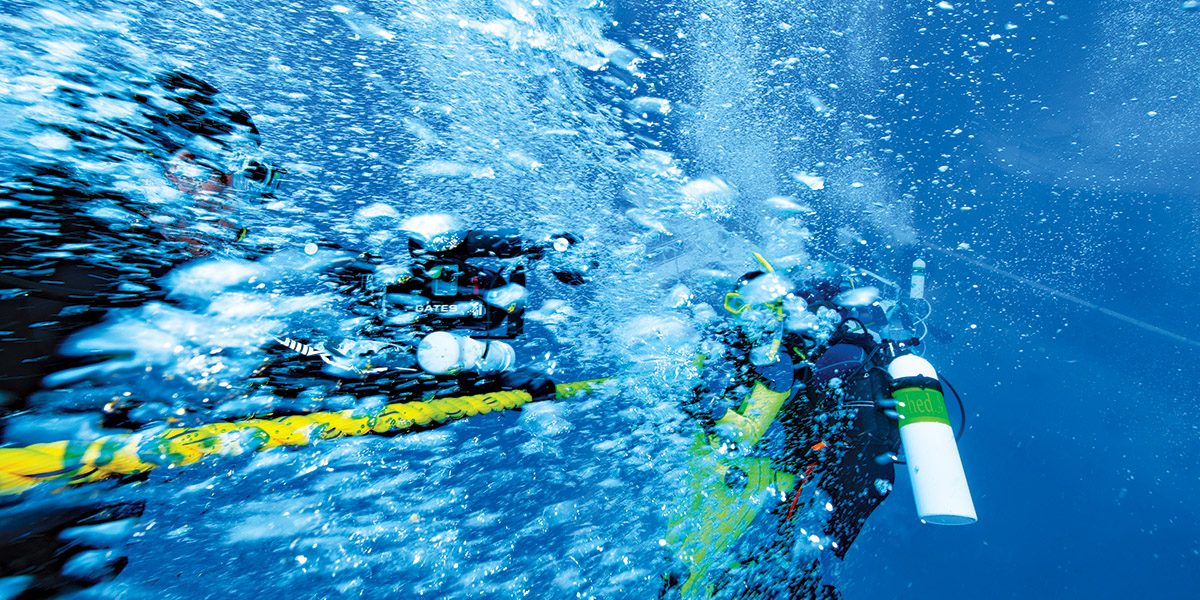
Derek Abbey
I started diving while I was in flight school in Pensacola, Florida. One day I thought, “I’m right by the water. I’ll go try it out.” I got certified and found that flying and diving share a lot of similarities.
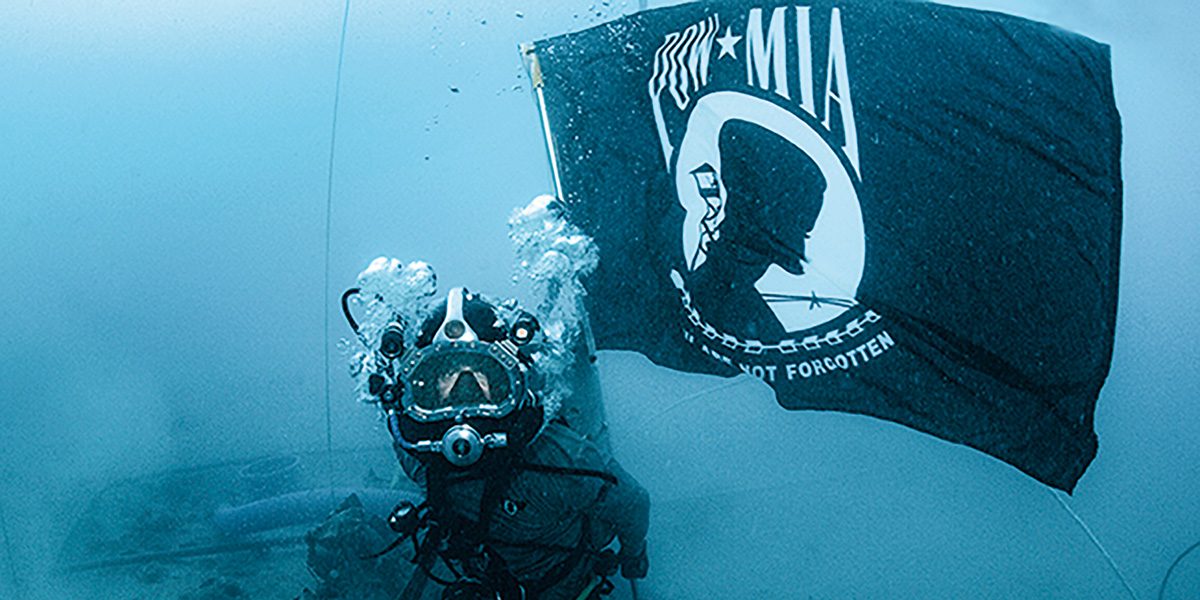
I started diving while I was in flight school in Pensacola, Florida. One day I thought, “I’m right by the water. I’ll go try it out.” I got certified and found that flying and diving share a lot of similarities.
Having their work showcased in a print magazine is one of the greatest satisfactions for underwater photographers.
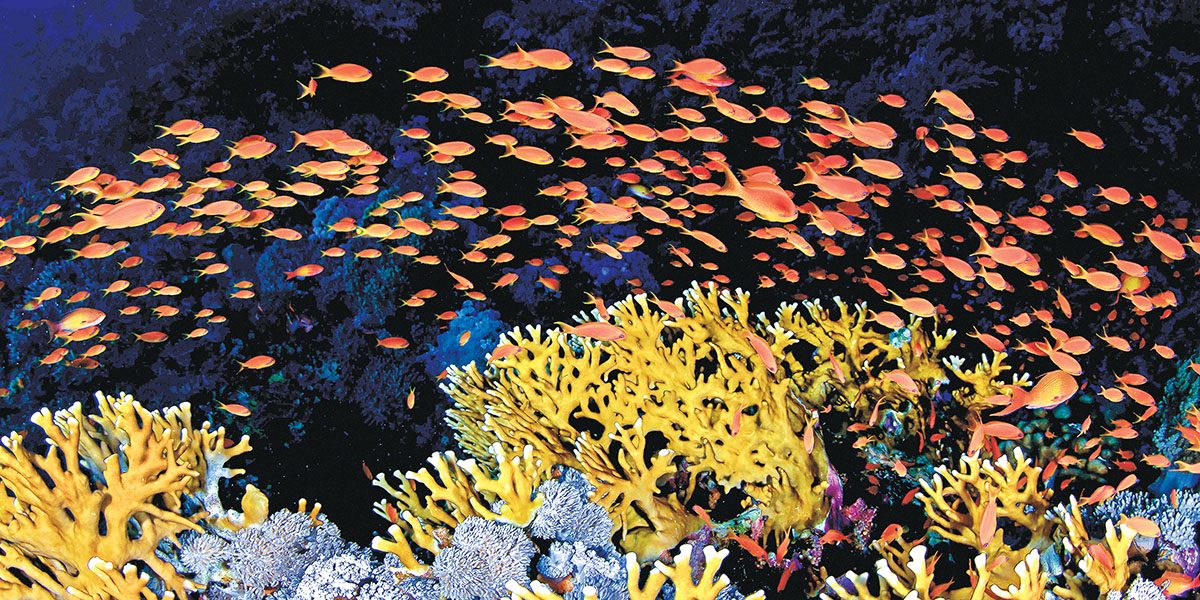
Traditional copper and brass deep-sea dive helmets often attract the modern dive community’s attention. International interest recently spiked when a helmet believed to be from the dawn of American professional diving sold for a record-setting $54,000 in Wichita, Kansas.
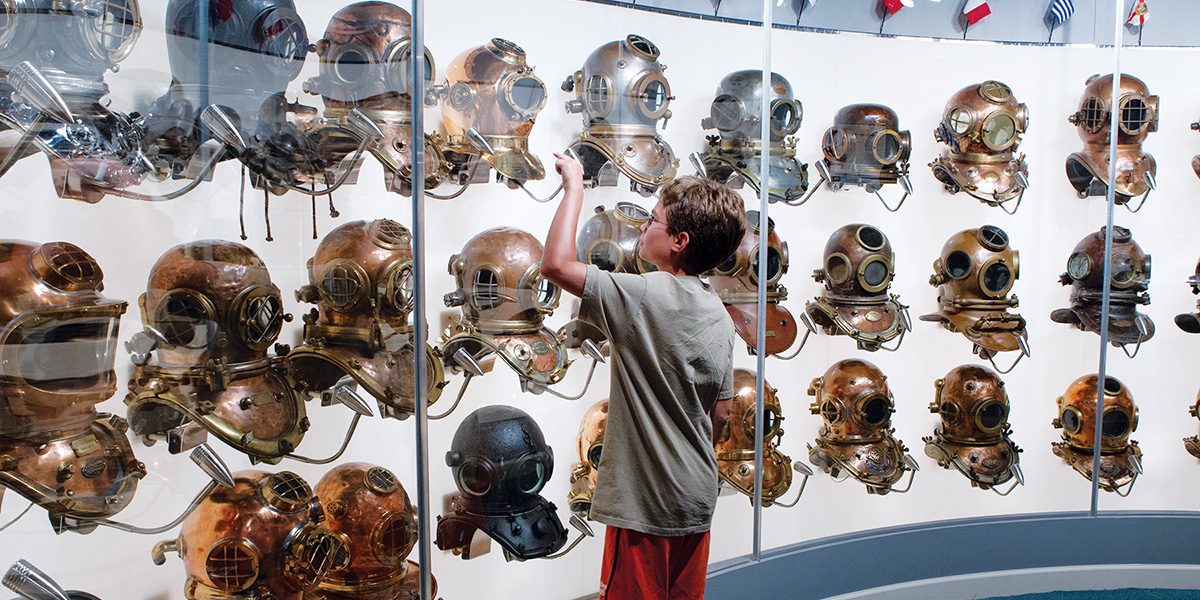
In the opening chapter of The World Beneath: The Life and Times of Unknown Sea Creatures and Coral Reefs, his acclaimed combination coffee table book and coral reef reference guide, Richard Smith, PhD, recalls his six months of shore diving and research in 2007 at the Wakatobi reefs in Indonesia.
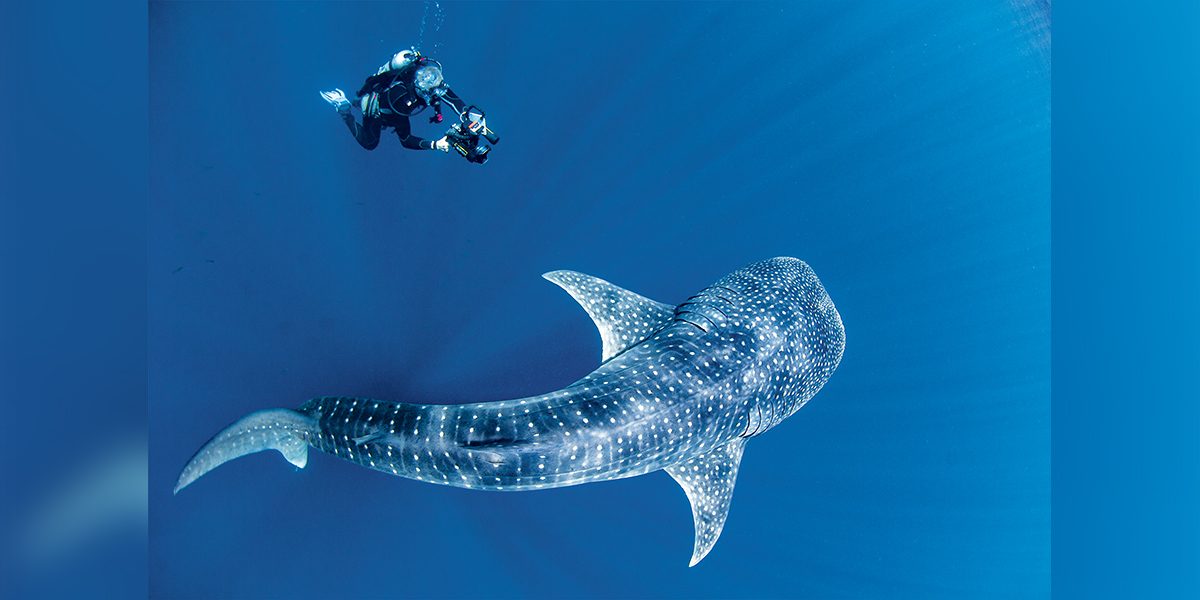
This past summer the Florida Keys experienced the effects of a marine heatwave event that lasted longer and was more intense than anything in recent recorded history. By early June 2023 the National Oceanic and Atmospheric Administration (NOAA) Coral Reef Watch (CRW) issued bleaching warnings for some areas in the Florida Keys and other locations in the Caribbean.
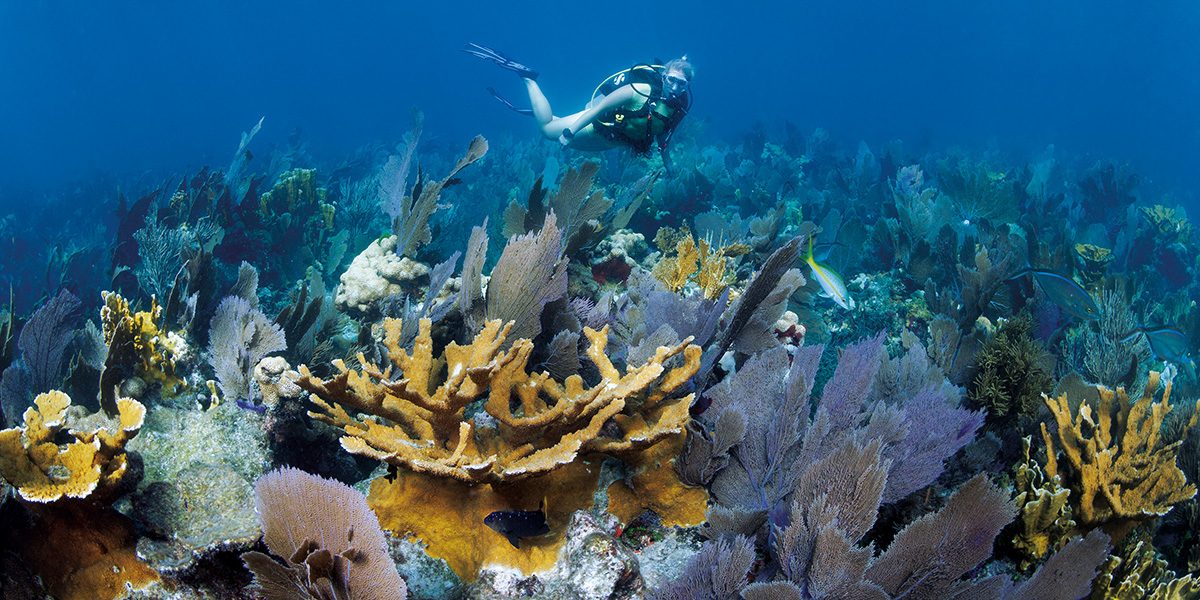
I am about two and a half months postpartum with no complications and have received clearance from my physician and a dive specialist to resume diving.

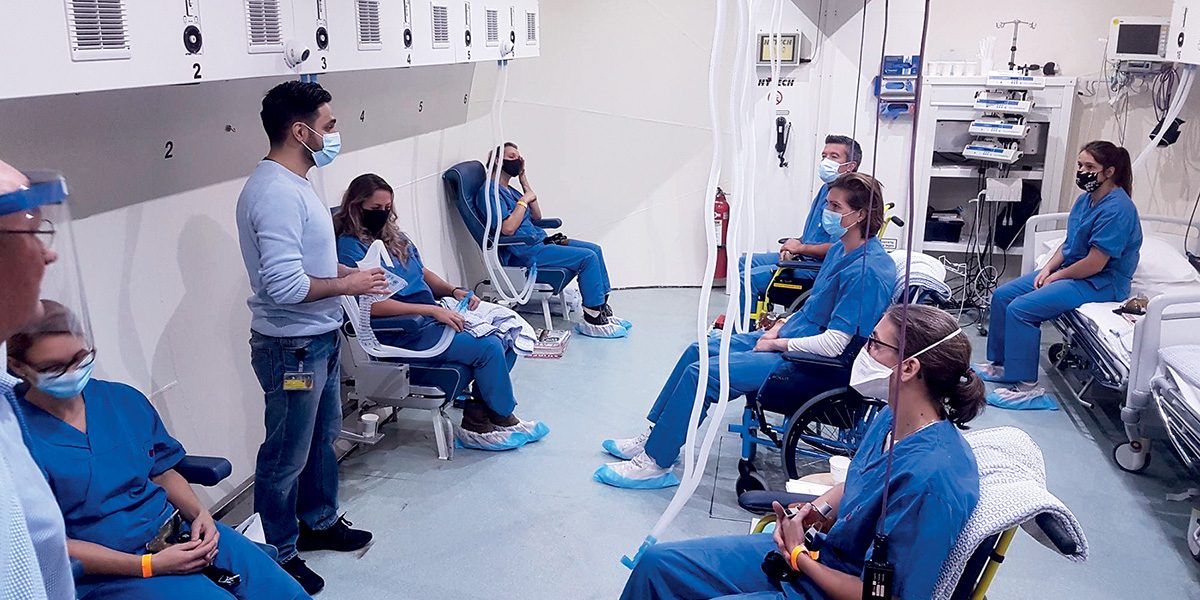
Pieter-Jan van Ooij, MD, PhD, is the head of the Department of Research, Innovation, and Education at the Royal Netherlands Navy’s Diving Medical Centre (DMC).
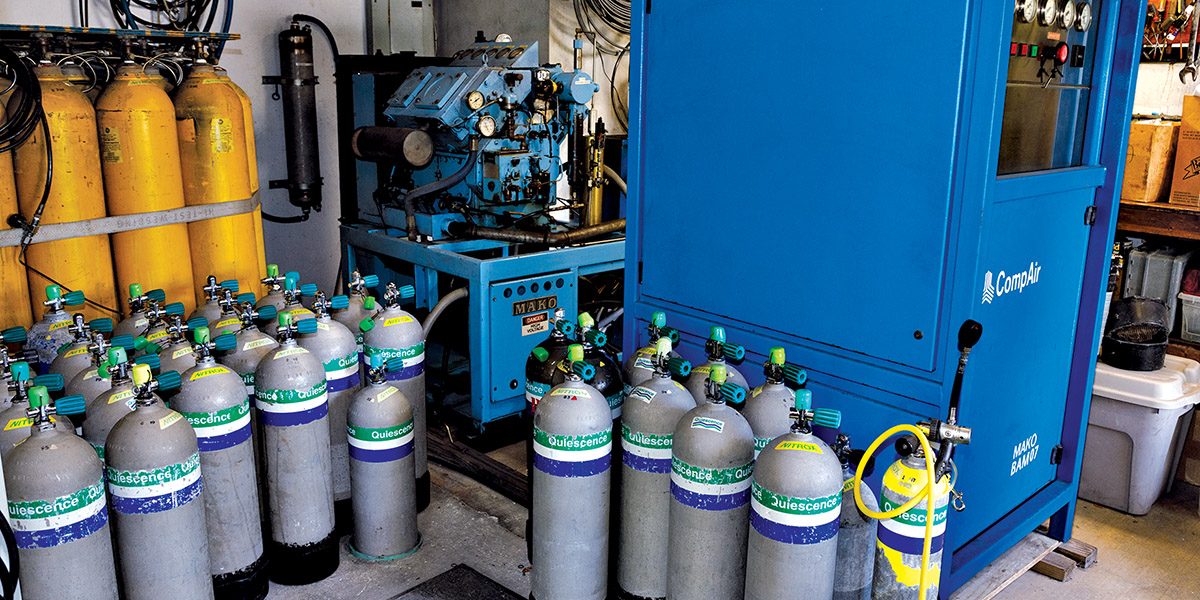
Most divers know their scuba cylinders need a visual inspection every year and a hydrostatic test every five years (referred to as a requalification or a hydro). The actual regulations for cylinders and other dive equipment, however, are less clear.
Most divers’ love of the sport stems from a drive to explore a foreign environment. With exploration must come the ability to navigate. Nowhere else on Earth can one become more lost than in a liquid, while simultaneously requiring constant individual concentration on safety techniques, breathing gas, buoyancy, horizontal trim, depth, and time.

Divers spend much of their time underwater with a select group of buddies — the ones we trust to get us through the dive and surface with fresh experiences and stories to tell. Newly certified divers have had limited interactions underwater, having dived only with classmates, instructors, and assistant instructors during their classes.