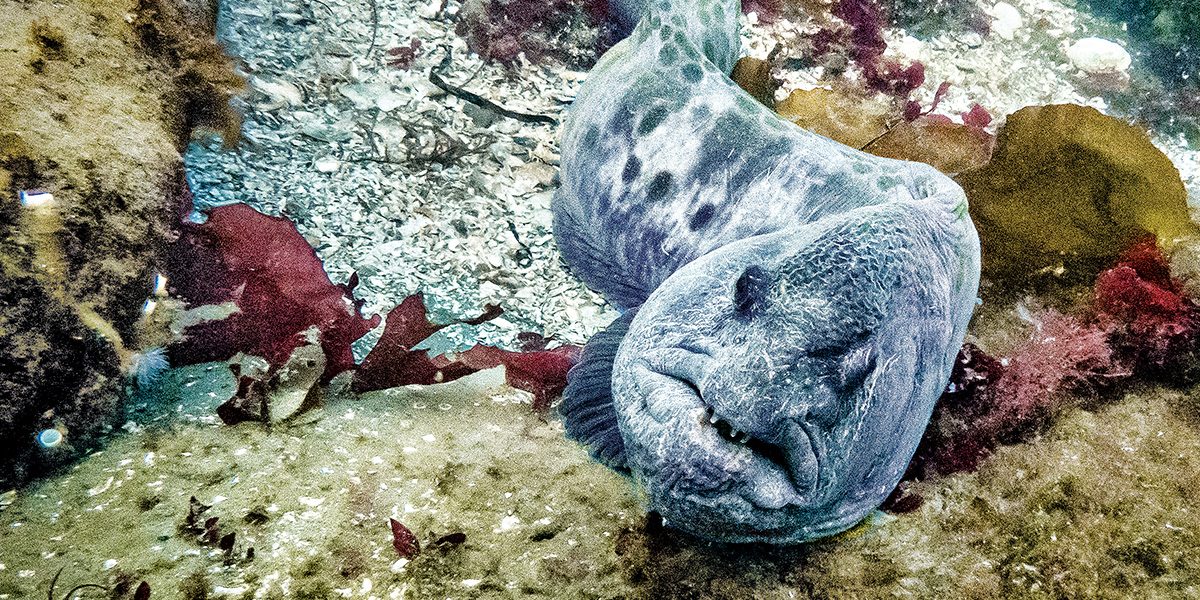
ASK DIVERS IN THE PACIFIC NORTHWEST what makes for a great dive, and most will agree that a wolf-eel (Anarrhichthys ocellatus) is involved. There is something about the face of an adult wolf-eel staring at you from its den that turns an ordinary dive into a great one. The specific conditions don’t matter. Cold temperatures, terrible visibility, or strong currents are easy to forget when a wolfie — as we call them locally — appears.
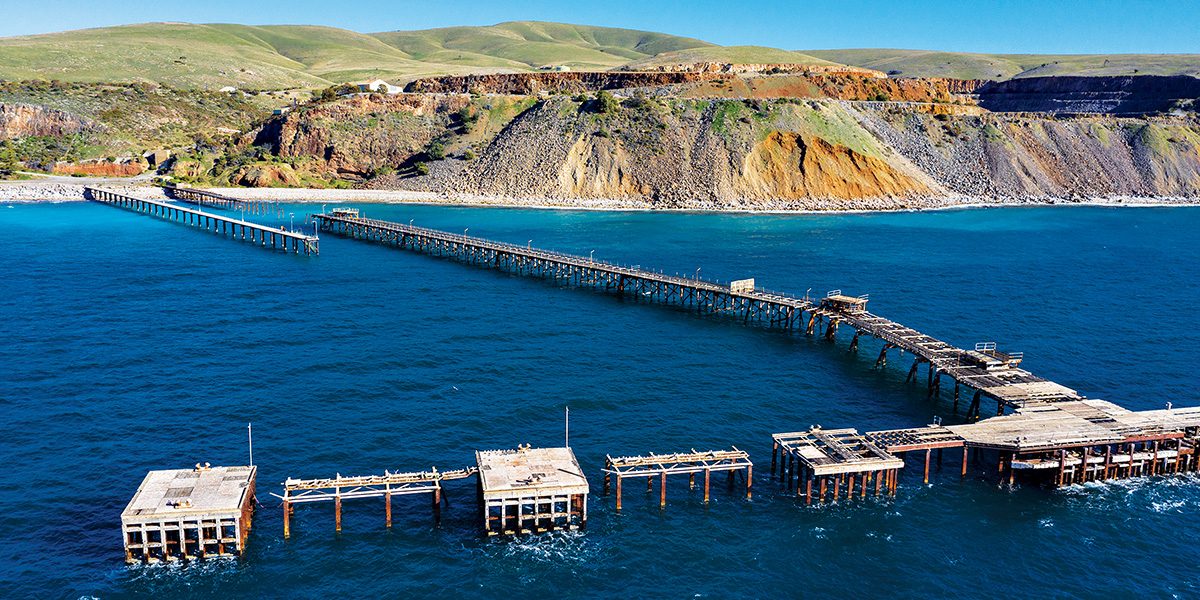
It is early June, the onset of winter in the Southern Hemisphere, and an army has just reached its destination. It has marched from the ocean’s depths into the shallows, amassing among the pilings at Blairgowrie Pier in Port Phillip Bay, south of Melbourne, Australia.
As I drove west past Port Alberni on Vancouver Island, British Columbia, on my way to a photo shoot, I watched in disbelief as the temperature gauge in my vehicle rose from 64°F (18°C) to 113°F (45°C). I thought something was wrong with my gauge, but a local radio station reported the same temperature. British Columbia had record-high temperatures throughout the province that week in June 2021.
When you think of a billfish, what comes to mind? Perhaps it’s a swordfish, a sailfish, or even the giant marlin from Ernest Hemingway’s classic The Old Man and the Sea. It can be confusing because 12 species are collectively known as billfish: one swordfish, four spearfish, two sailfish, and five marlins.
Her legs move quickly as she scrambles over the sand toward a large coral reef. It’s a bold and risky move, as the expanses of sand between coral patches are full of predators waiting to take advantage of a lone spiny lobster.
In November 2021 I was diving on the HMHS Letitia shipwreck in Halifax Harbour, Nova Scotia, one of Canada’s Maritime provinces. The British hospital ship, which lies near a gray seal colony, ran aground and sank in 1917 while returning from Liverpool, England, with wounded Canadian soldiers.
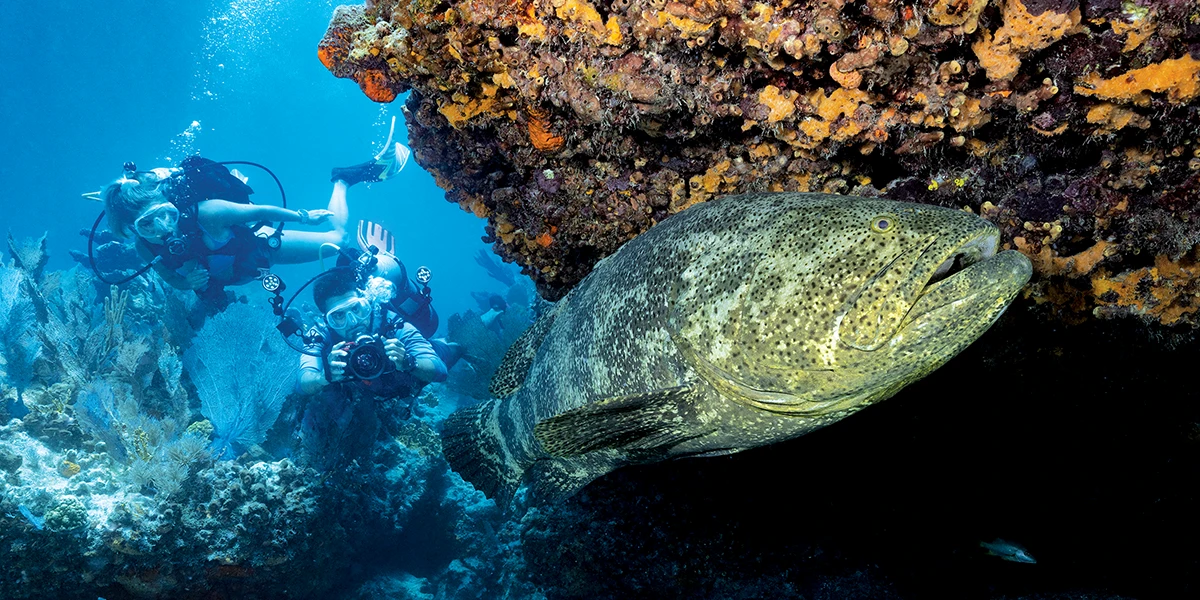
Our group of six researchers back rolled off the vessel near Jupiter, Florida, and began our descent to the sandy bottom nearly 80 feet (24 meters) below. As the wreck became visible, our team streamlined into formation to begin our task: searching for goliath groupers.
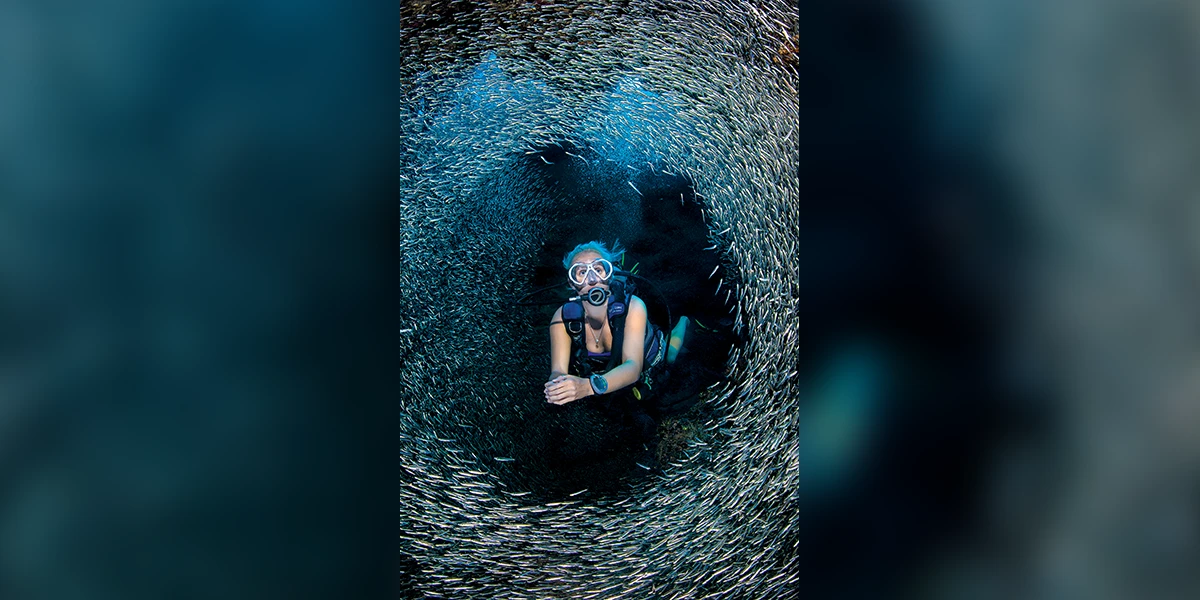
Fish completely enclose me. Their tiny, silvery bodies twinkle in the half-light as I float suspended in the center of a sphere of clear, warm water. I feel like I am inside a disco glitter ball.
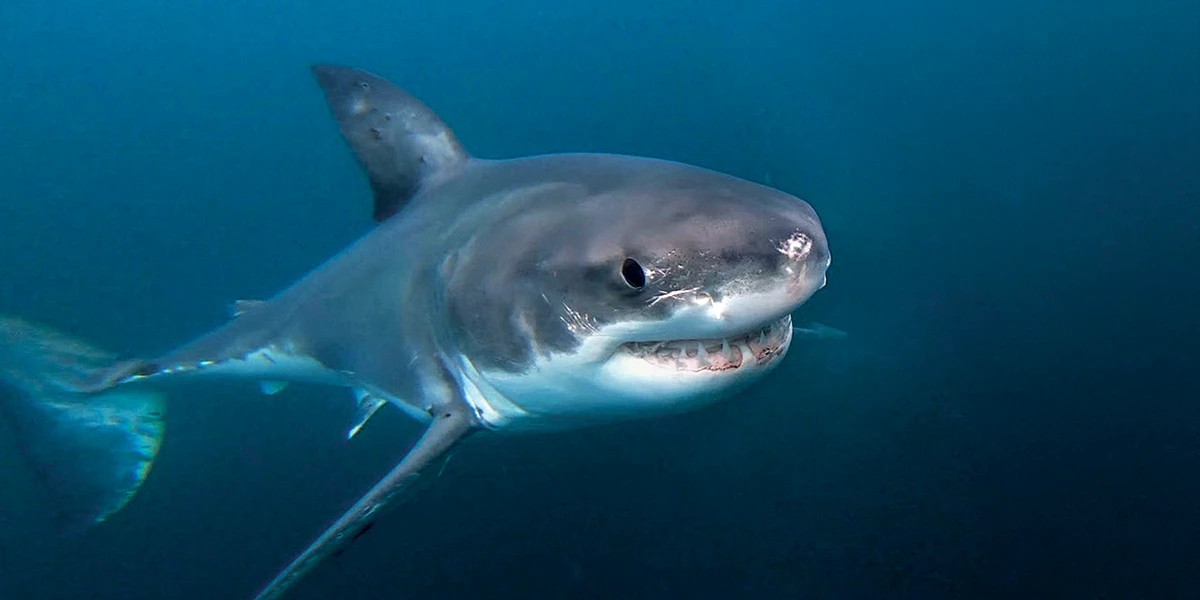
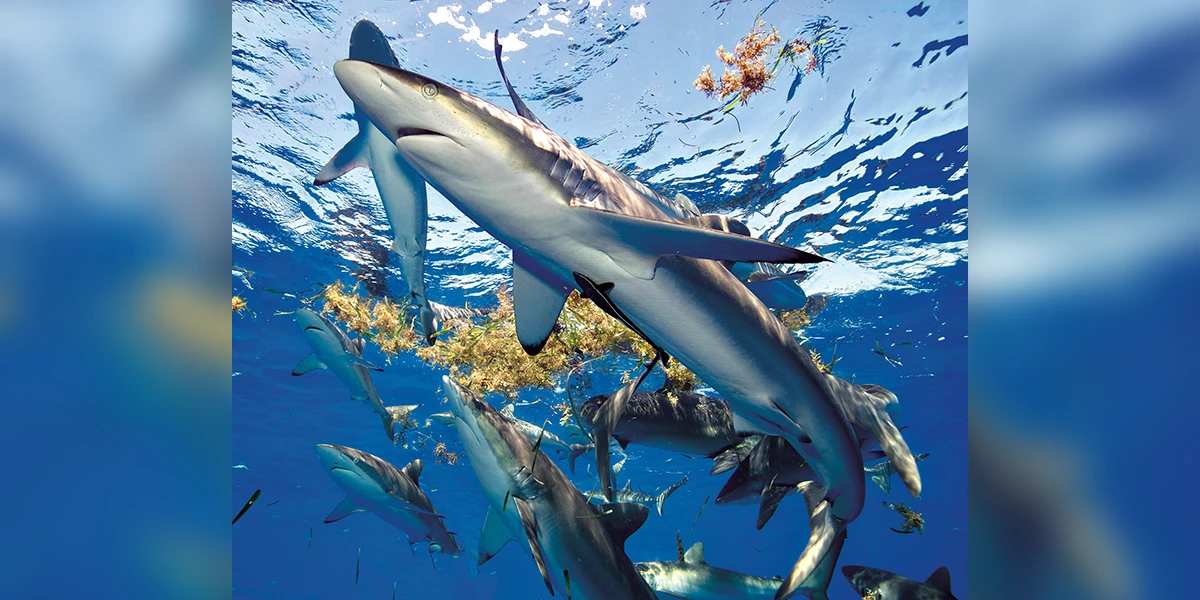
Sharks are among the ocean’s oldest survivors. They have cruised through Earth’s seas for more than 450 million years — long before the first trees grew or Saturn formed its rings.