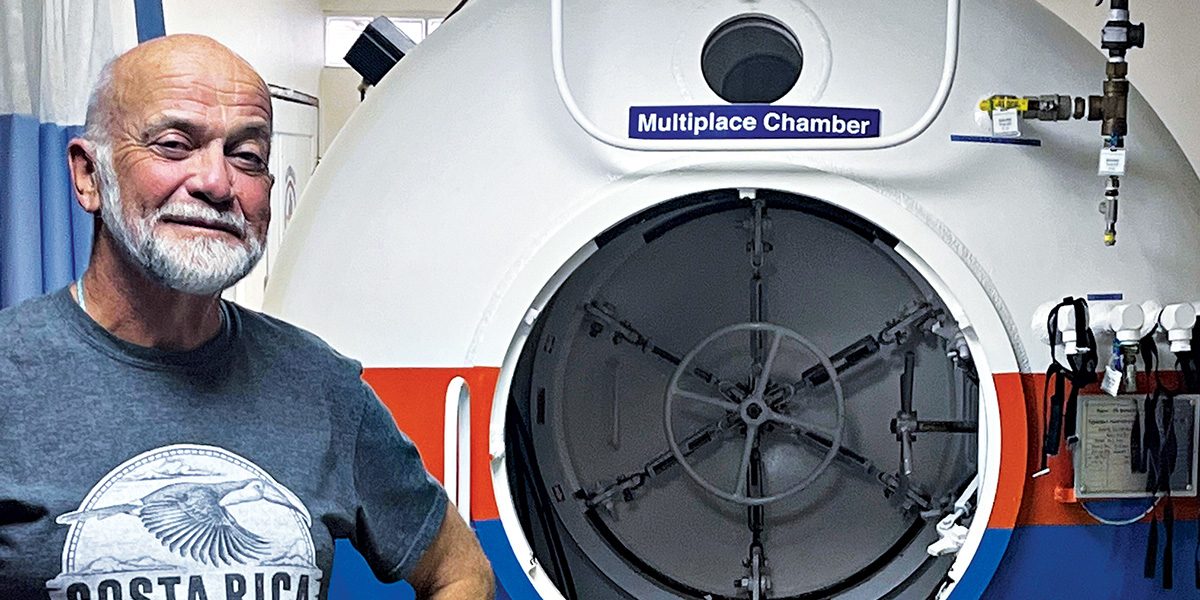
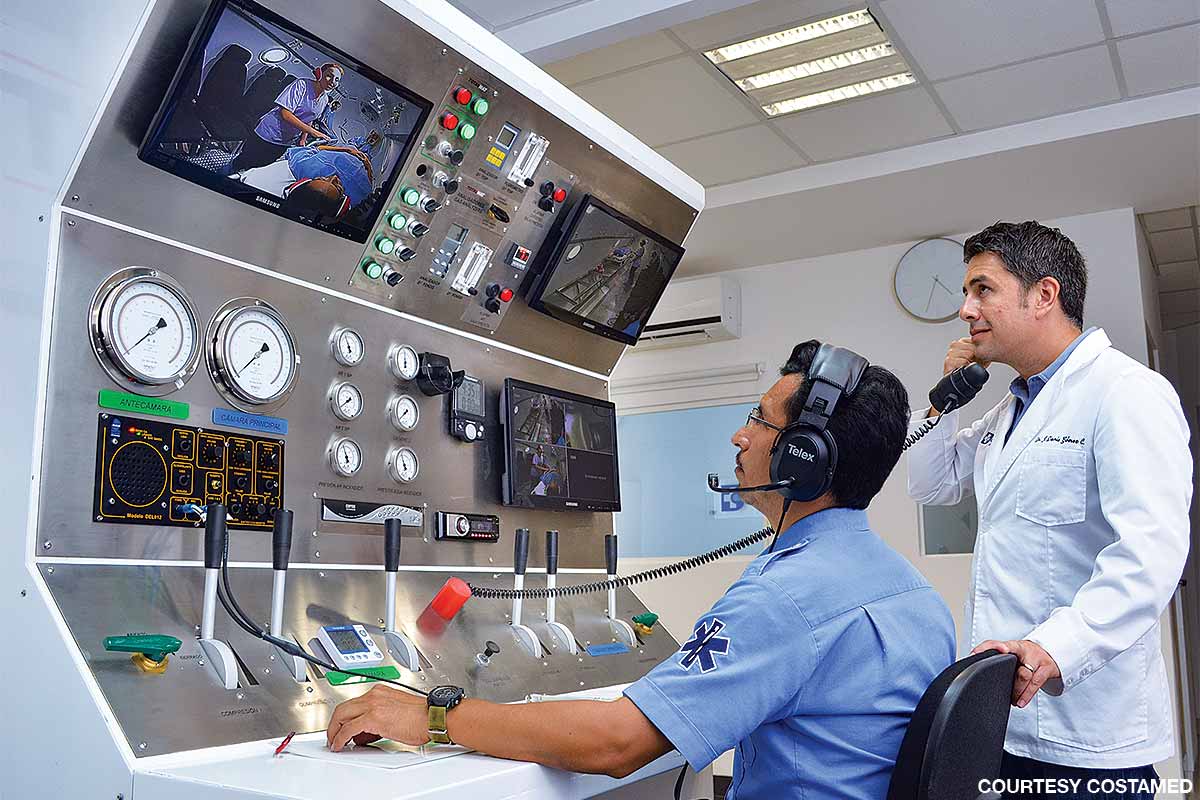
AFTER I SPENT ALMOST 20 HOURS in a hyperbaric chamber over five days, life there had grown tedious. The last 15 minutes, however, were not only exciting but highly instructive. I learned that if you don’t know what you’re doing, don’t touch anything or do anything without first asking permission.
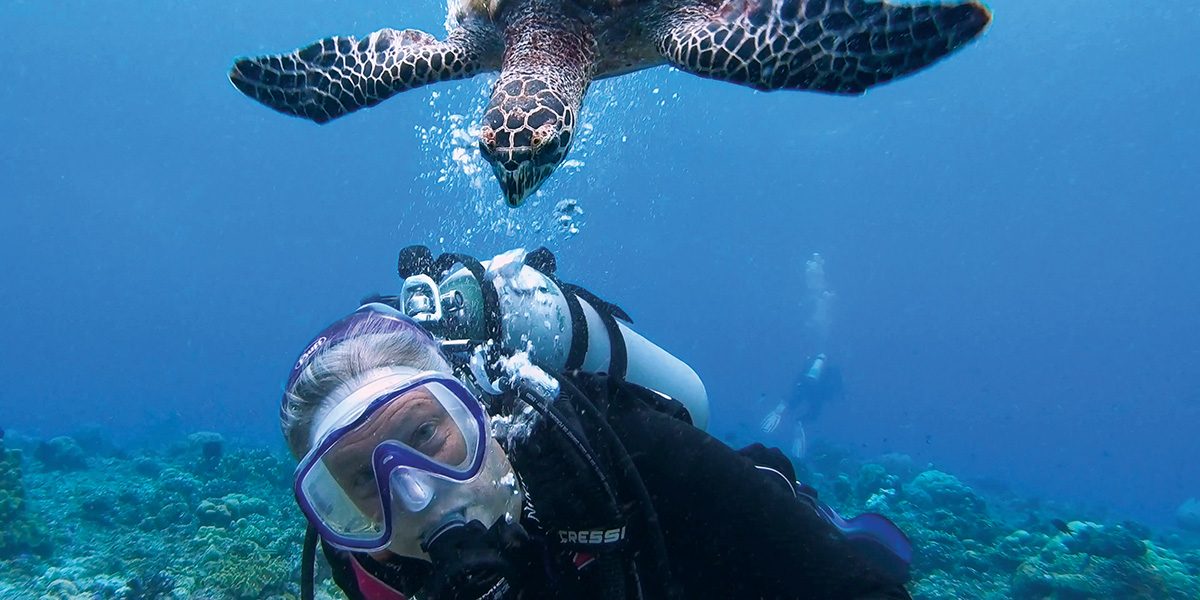
I was diving with my wife, Kristy Hiltz, in remote Kimbe Bay, Papua New Guinea. We had taken all the necessary precautions and dived according to our computers. On what turned out to be our last dive, we sat on a rock ledge at 70 feet for 15 to 20 minutes and then made a slow ascent, completing a full safety stop.
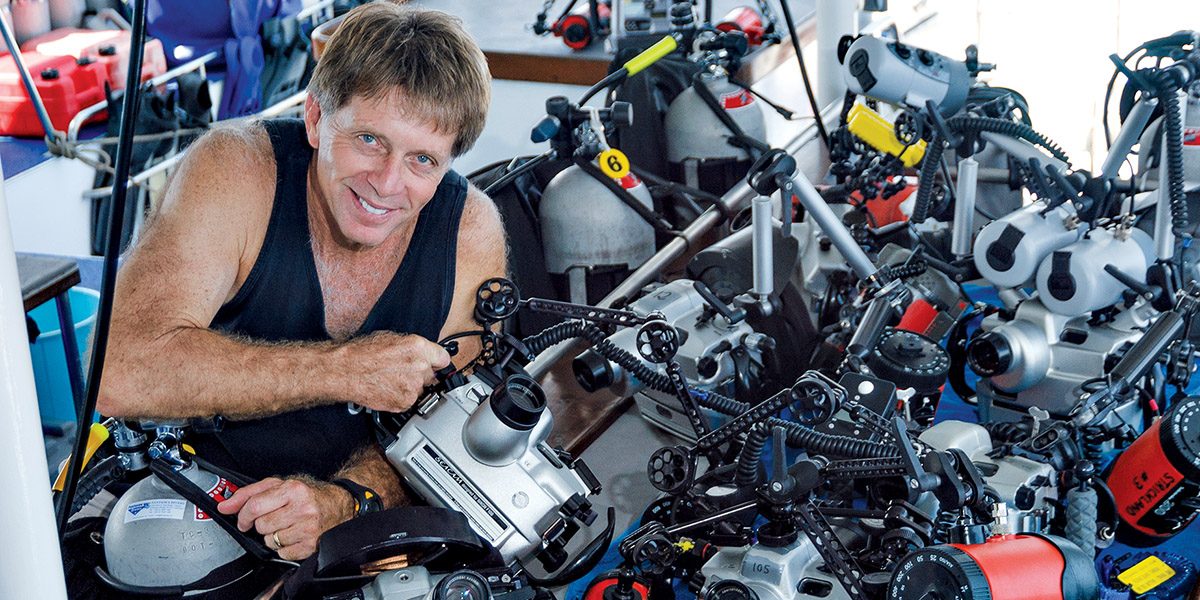
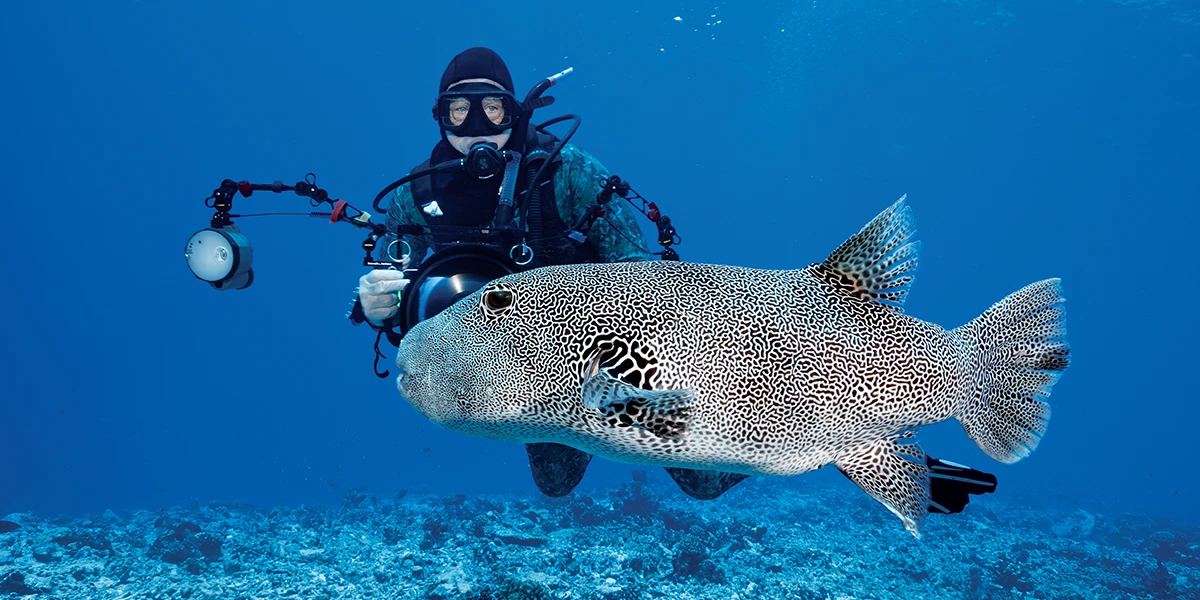
It was 2004, the dawn of digital photography, and I was conflicted about whether to shoot film or digital. I had brought housings for both cameras with me to Thailand. Carrying two housings on a dive was ponderous, but I could manage it if I didn’t take two sets of strobes. My solution was to rig both housings with wet connectors called EO pigtails, which went into the regular sync socket, allowing me to connect and disconnect my strobes underwater.
I am grateful for the safety information DAN publishes, their recommendations for dive medicine physicians, and the peace of mind their insurance coverage provides.
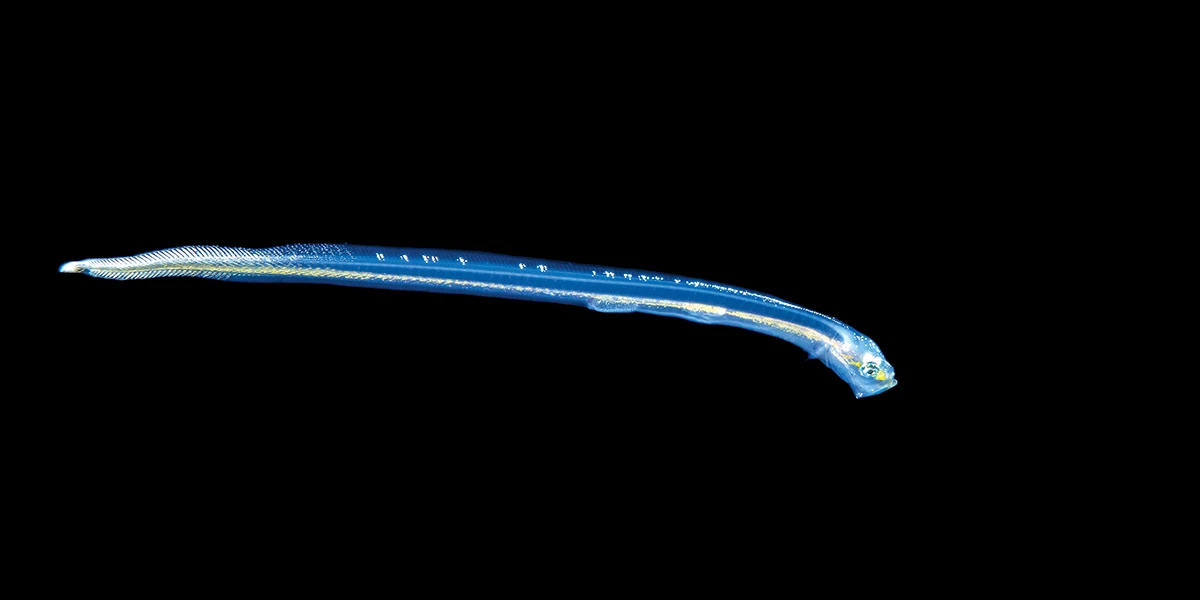
About 12 years ago, a pair of commercial dive operators began offering adventurous divers a chance to go blackwater diving off the coast of Florida. Since then, blackwater dives have become an established fixture in the Palm Beach dive community, and I have been fortunate to log more than 1,000 such dives without incident.
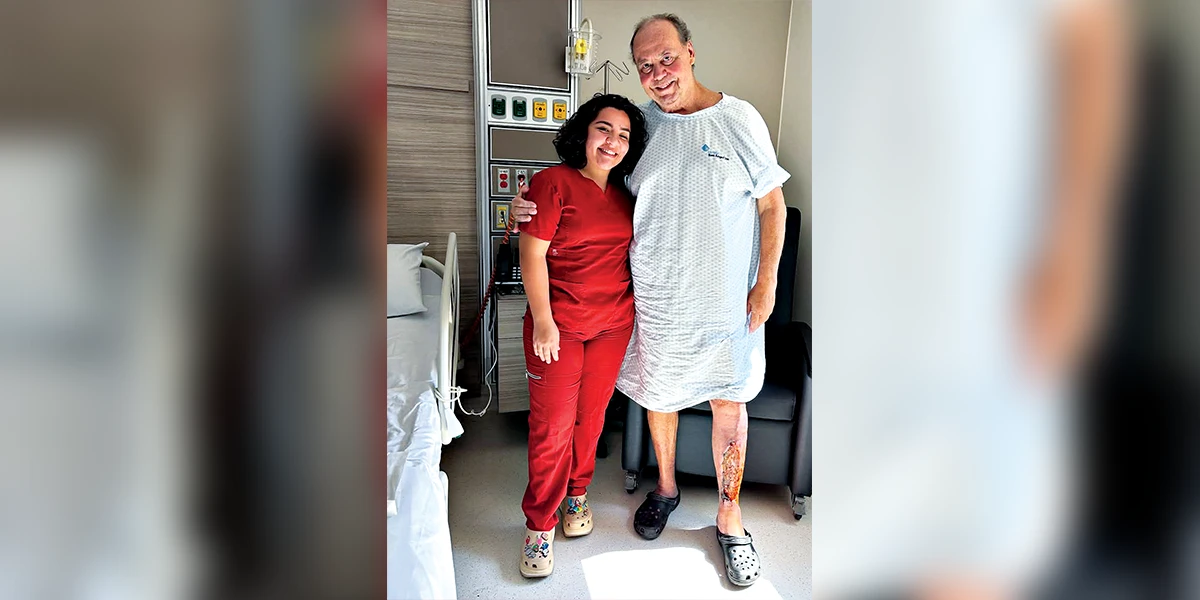
I always get DAN Trip Insurance for overseas trips, which gives me peace of mind should the unexpected happen. There is a modest upfront payment based on the total trip costs and your age, so I considered skipping it for a Raja Ampat trip since I’ve had many trips without having to file a claim. I’m glad I chose otherwise.
I have been a diver for about 35 years and a dive instructor for about 30 years. Some instructor friends and I run the Buzos del CAE and Paraná Divers […]
Our checkout dive was easy, with a maximum depth of 75 feet for 50 minutes. The current was slight, and the visibility was spectacular — an ideal first dive. It closed with a nice, slow ascent and a three-minute safety stop. When we returned to the boat, I felt a sudden tingling in my right foot followed by a dull ache in my knee. I assumed the worst, thinking I had decompression sickness (DCS). When I reviewed the dive in my mind, however, that seemed impossible.
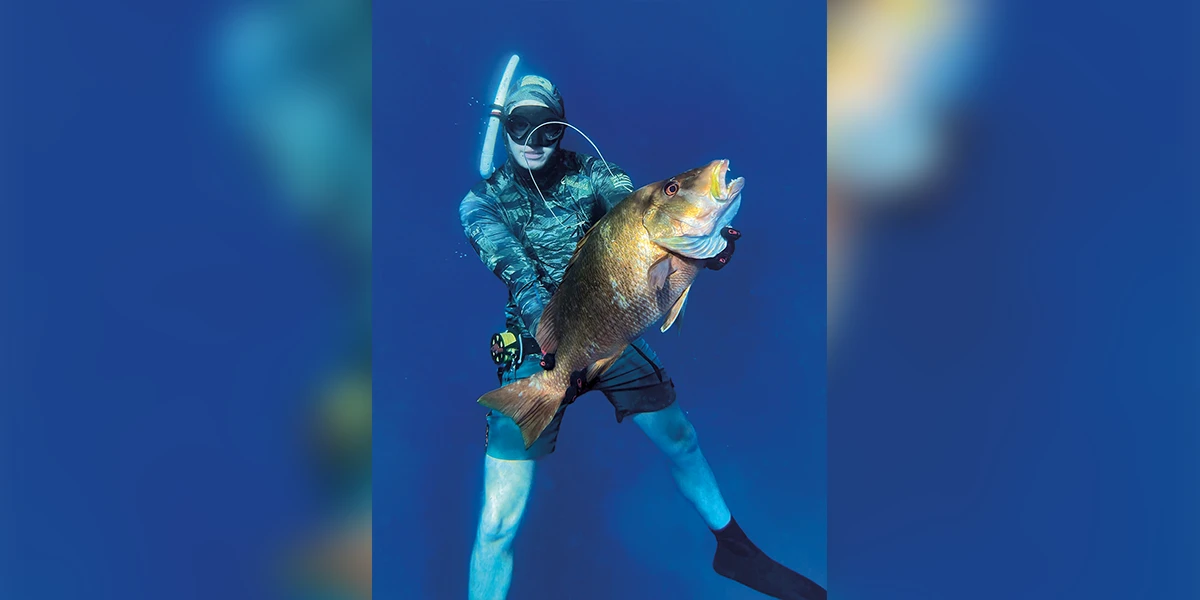
On a sun-drenched afternoon in the Bahamas, my friends and I sailed out for what we thought would be a routine spearfishing trip. We anchored off the remote southern tip of Abaco, between Sandy Point and Hole in the Wall, and found ourselves alone in the blue-green expanse. As we freedived beneath its surface, the clear water was alive with groupers, cubera snappers, and reef sharks.
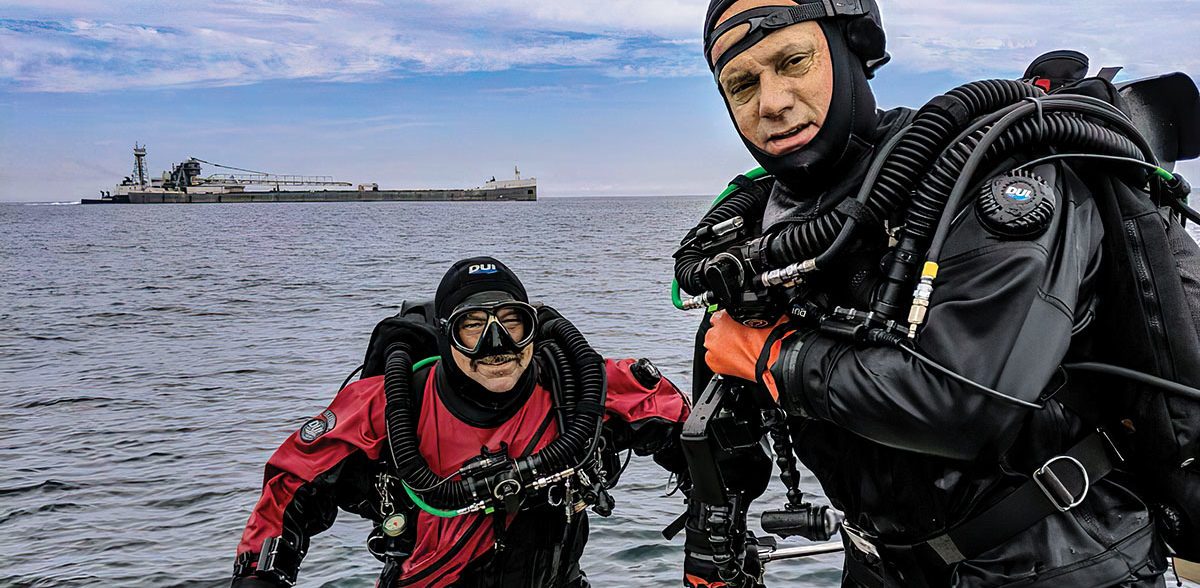
I HAVE BEEN A CERTIFIED DIVER since 1986 and have logged hundreds of recreational and technical dives. Since 2014 I have primarily been doing technical rebreather diving with a close group of experienced rebreather divers from Northern California. During the summer of 2019, our group visited Lake Huron’s Thunder Bay National Marine Sanctuary in Michigan […]