To Eat or Not To Eat Fish
SEAFOOD HAS LONG BEEN AN INTEGRAL PART of the human diet, and some people consider it to be an inexhaustible food source.
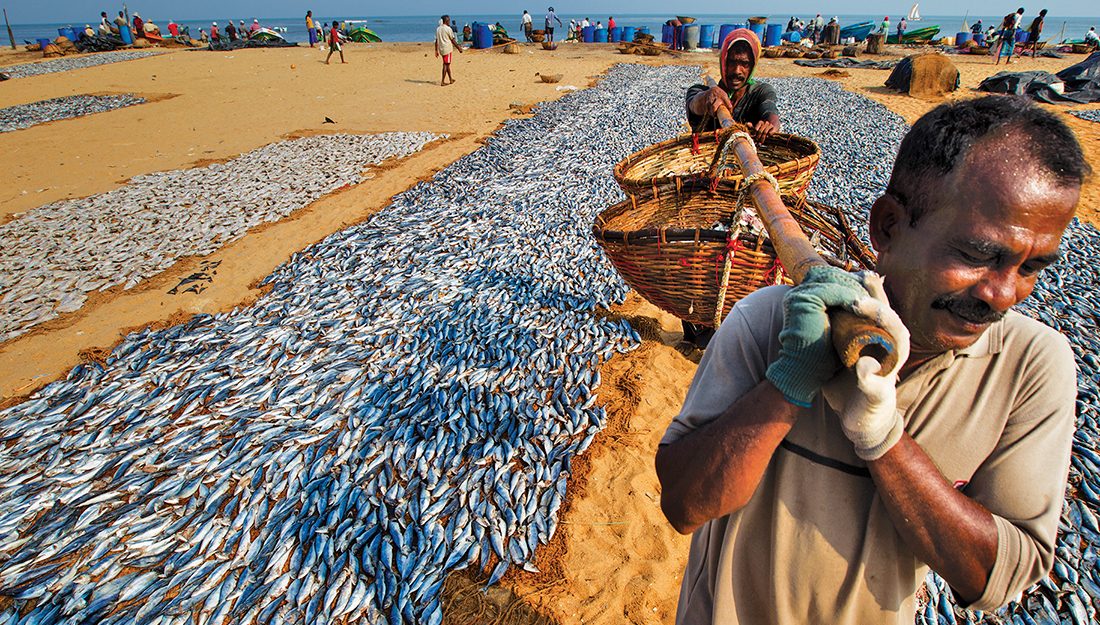
SEAFOOD HAS LONG BEEN AN INTEGRAL PART of the human diet, and some people consider it to be an inexhaustible food source.
MARITIME TRANSPORT HAS MORE TO DO WITH CORAL DISEASE than you might think. Just like most animals, corals can get diseases. Researchers first recognized coral disease in the early 1970s. It has increased over time and become a significant threat in many areas of the world.

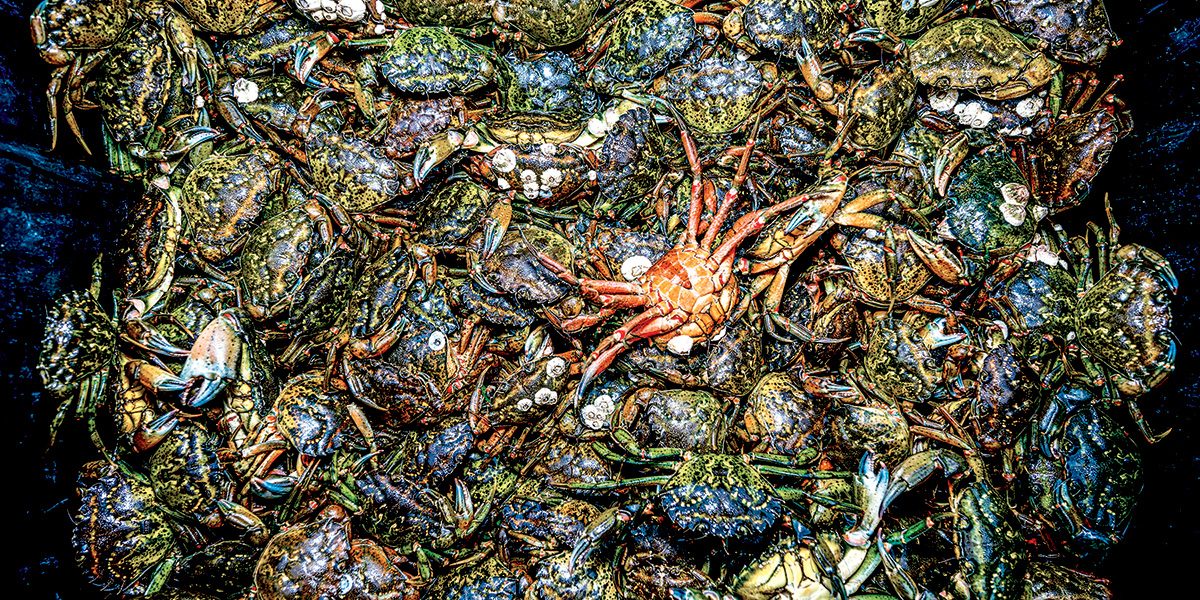
One of the world’s most destructive invasive species is gaining new ground — or water — in Canada and up to Alaska. Carcinus maenas, which translates to “raving mad crab,” outcompetes many local crab species in devouring clams, oysters, and mussels, and they sometimes even eat other crabs and juvenile fish. They destroy seagrass, an essential habitat for juvenile salmon, herring, rockfish, and many other marine animals.
Colombia has some of the strictest illegal fishing laws in the world, but people still need to stand up and enforce them. Erika Lopez has taken on the role of guardian of Malpelo, an island 314 miles (506 kilometers) west of Colombia.
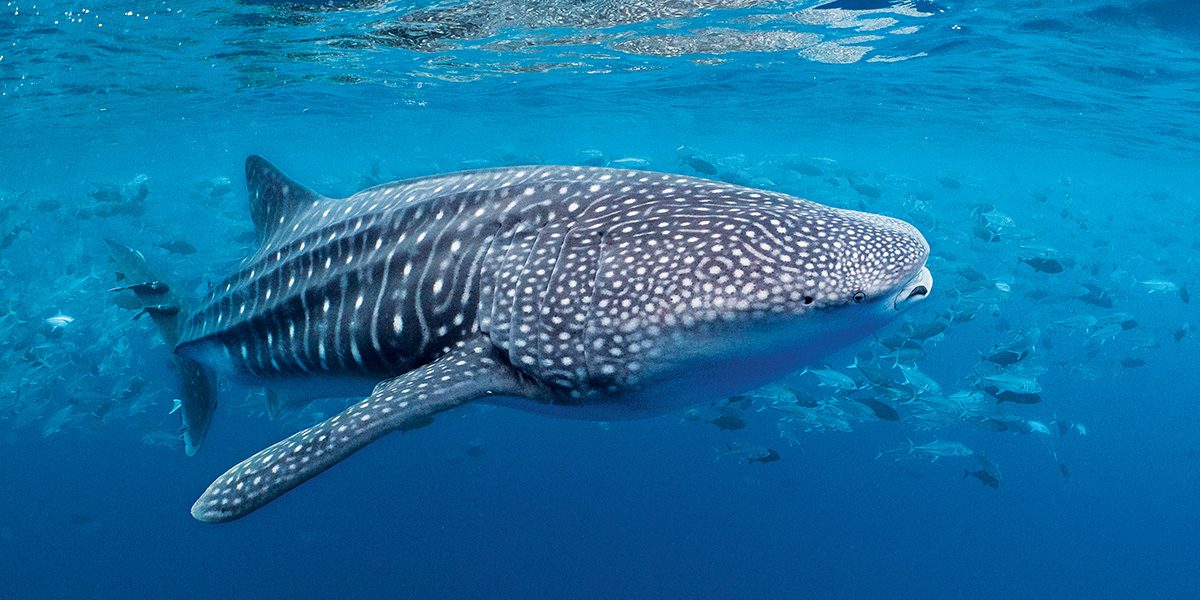
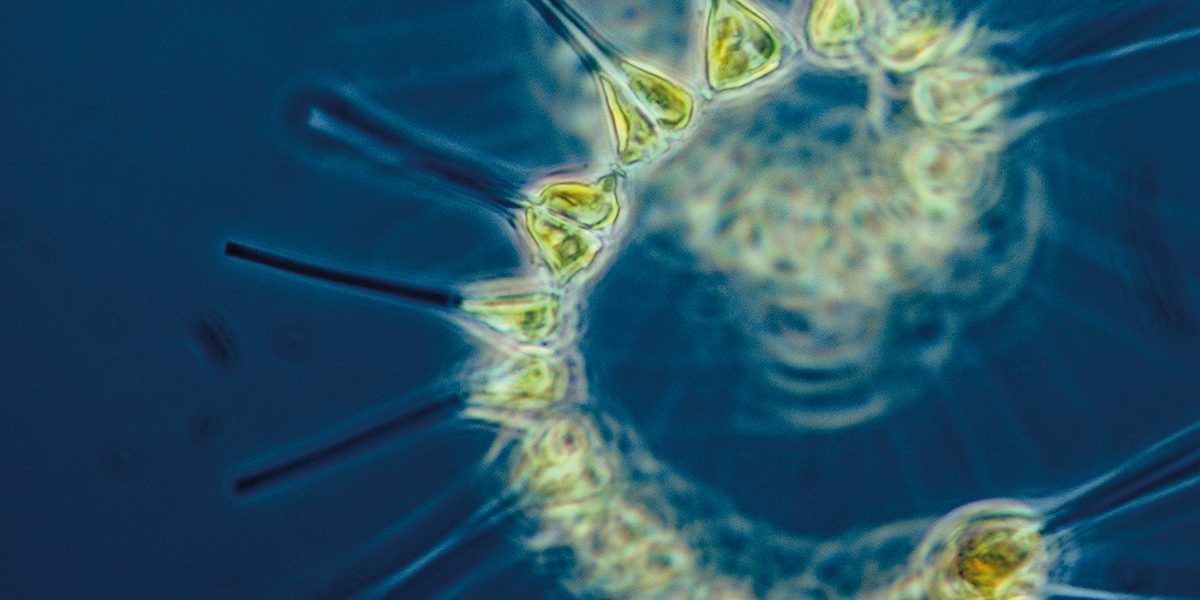
Sometimes the tiniest critters can pack the greatest punch. Phytoplankton, which are unicellular microalgae, can cause mass mortalities of animals such as dolphins and manatees and be the source of serious human illness.
Maintaining a respectful distance from potentially harmful species underwater is a tenet of good recreational diving and a frequent topic of charter boat predive briefs. But those venomous fish you have learned to avoid might save your life someday.

Rewilding is a popular term in conservation circles, but what does it mean, and is it appropriate for coral reefs? Should divers be clamoring for reef rewilding? Does it represent […]

Many divers top off a trip to the Southern Red Sea by watching a rotund dugong snuffle through seagrass meadows in about 25 feet (7.6 meters) of water.
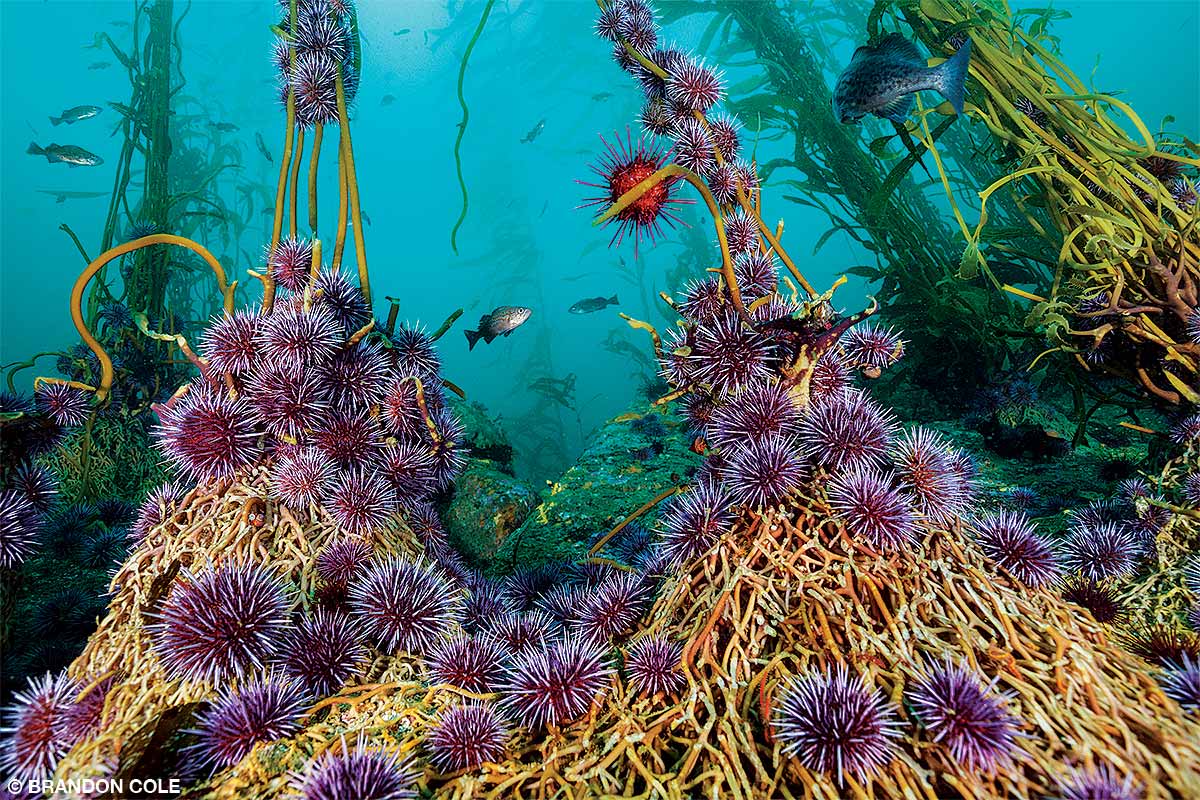
For more than five years, divers and scientists along the U.S. West Coast have watched a disaster play out before their eyes. Sunflower sea stars fell victim to a wasting disease, which wiped out roughly 90 percent of the global population in 2013. Seven years later, scientists see no signs of recovery. Without the sea stars, the population of purple urchins that sea stars eat has exploded and mowed down entire forests of bull kelp. The West Coast experienced intense ocean warming from 2014 to 2017, and by 2015 divers began seeing urchin barrens — vast swaths covered in piles of spiny creatures and little else.
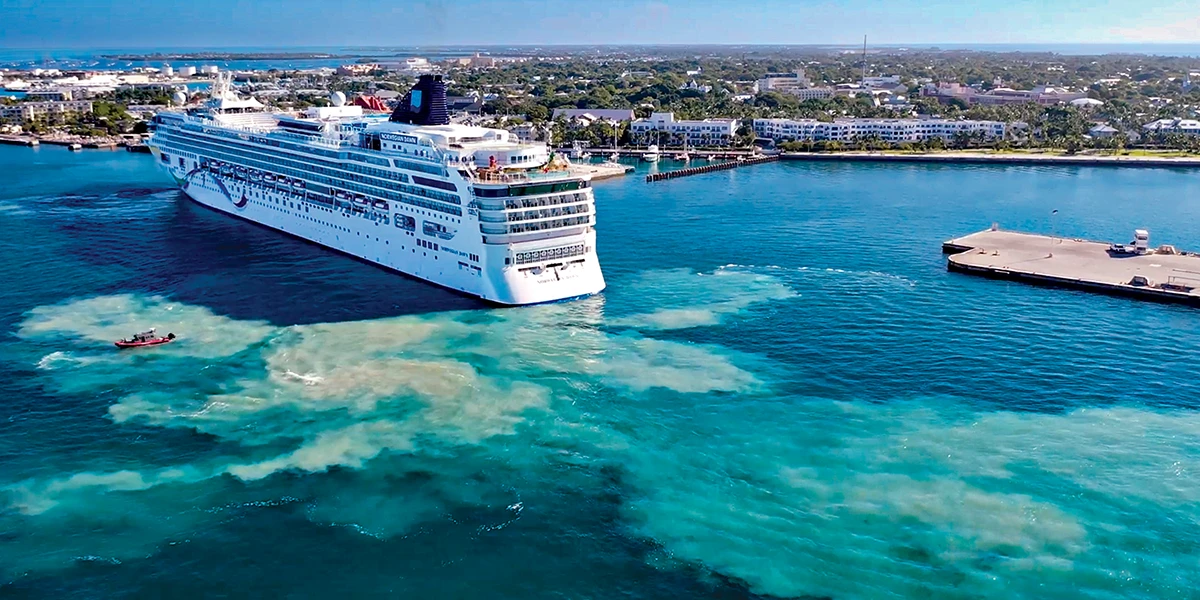
Coral reefs are facing many environmental challenges, and cruise ships are a major contributor. One of these ships’ greatest impacts is starting to muddy the water.