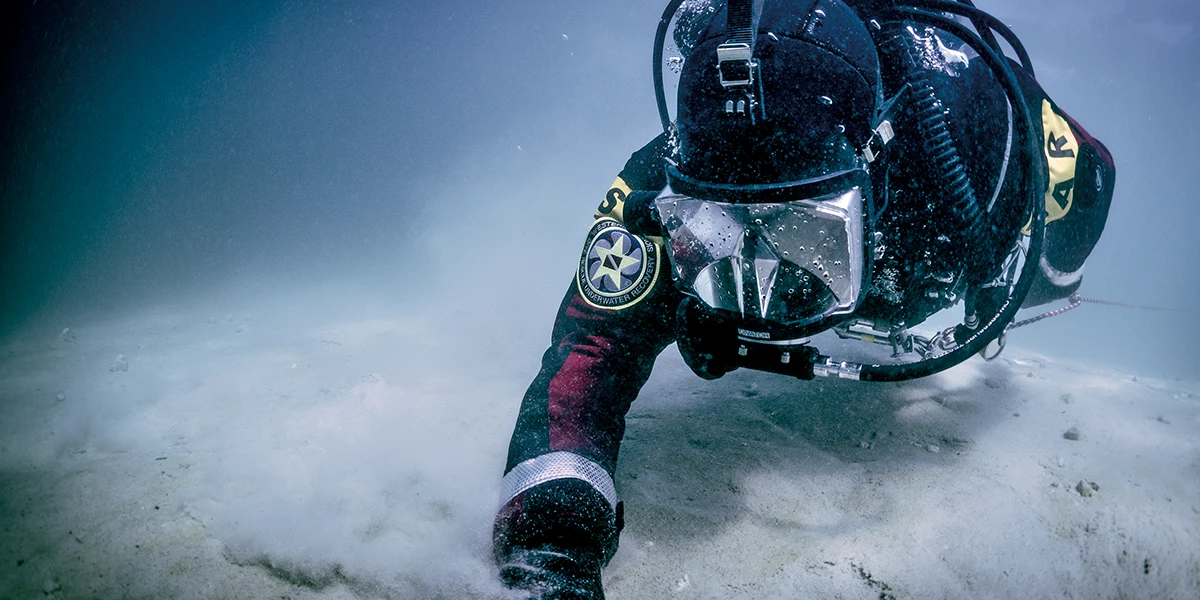
Scuba diving demands not only physical fitness but also proper nutritional preparation. Like with any activity, we expend energy while diving; surprisingly, the energy required for routine recreational diving is somewhat moderate. Under unusually strenuous recreational conditions, however, it’s possible to burn more than 500 calories.
To clear up any confusion divers may have about patent foramen ovale (PFO), I will share how I explain the condition to patients.
The day-to-day tasks of injury monitoring at Divers Alert Network include tracking dive fatalities by sifting through emails, news alerts, and social media to collect information about recent events. Our goal is to report to the dive community our findings on what people report to us or what we encounter in our research.
As a hyperbaric physician and dive instructor, I’ve been around a lot of dive accidents, and I’ve spent decades educating divers and treating decompression sickness (DCS).
You check in at the dive shop, sign your waivers, get your gear on the boat, and set up your BCD on your first tank for the day. The divemaster introduces you to your dive buddy for this trip — a total stranger from another part of the world who is here for the same things you are: great diving and returning home safely.
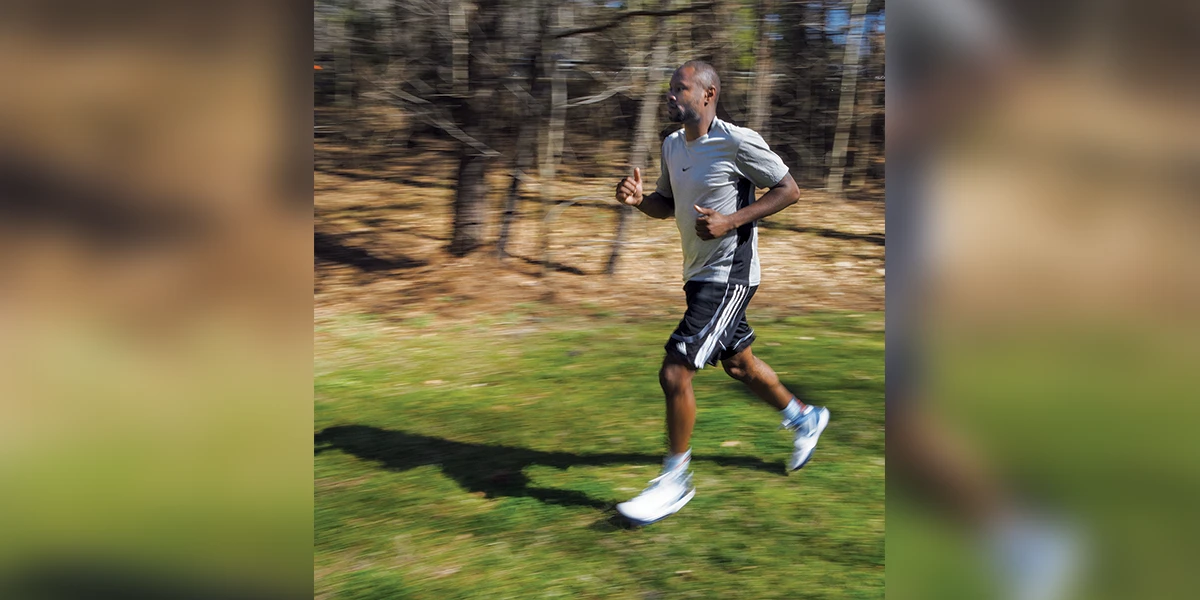
Being physically fit can be important, and sometimes crucial, for dive safety. Physical fitness plays a role in both regular dive activities and emergent events. A quick and effective response to sudden demands can often quickly and easily resolve a situation, while an insufficient response can prolong or exacerbate it.
I was recently scrolling through social media and found a popular video of a salvage diver saying that ear beer was enough after diving in contaminated water. Hearing this advice gave me pause — someone could have serious adverse health effects if they follow it without more knowledge.
Certified divers learned to do predive safety checks during training, but do they perform one every time they dive? It is one of the easiest ways to prevent oversights, gear malfunctions and forgotten pieces of equipment. But predive safety checks often aren’t as thorough as they should be. Complacency and skipping your predive safety check or buddy check are entirely preventable factors in dive accidents. Complete all your checks before every dive.