Avoid Diving with Earplugs
A TOPIC THAT COMES UP FREQUENTLY when discussing dive safety is the use of earplugs. Are they safe to use while diving? Does DAN have any recommendations?
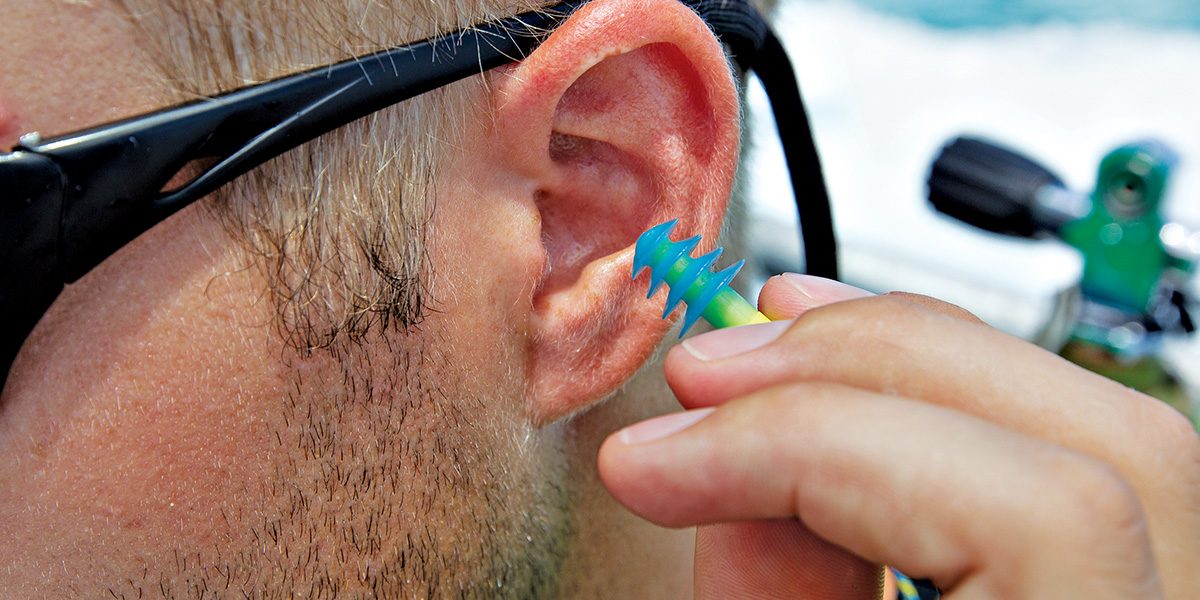
A TOPIC THAT COMES UP FREQUENTLY when discussing dive safety is the use of earplugs. Are they safe to use while diving? Does DAN have any recommendations?
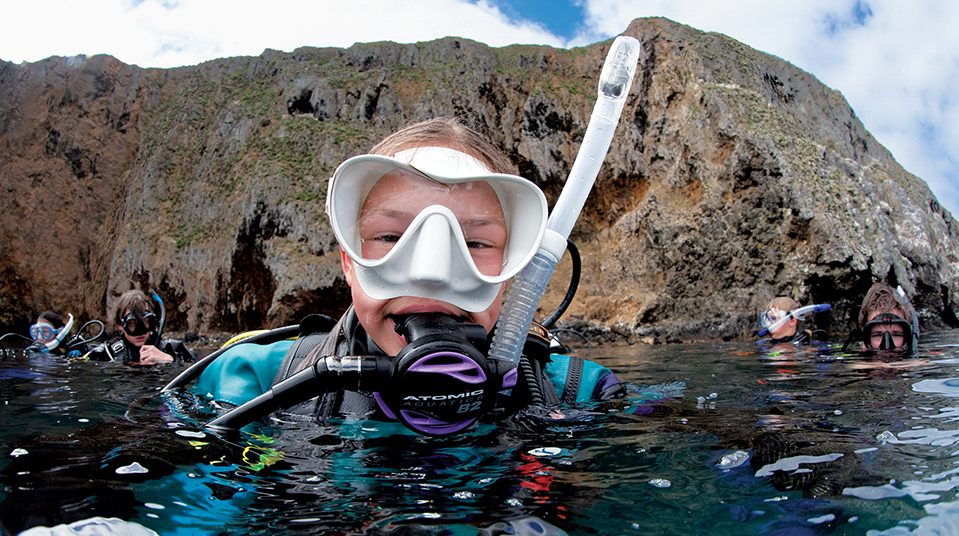
MINORS HAVE BEEN DIVING FOR DECADES, but the incidence of scuba diving injuries among them remains poorly studied.
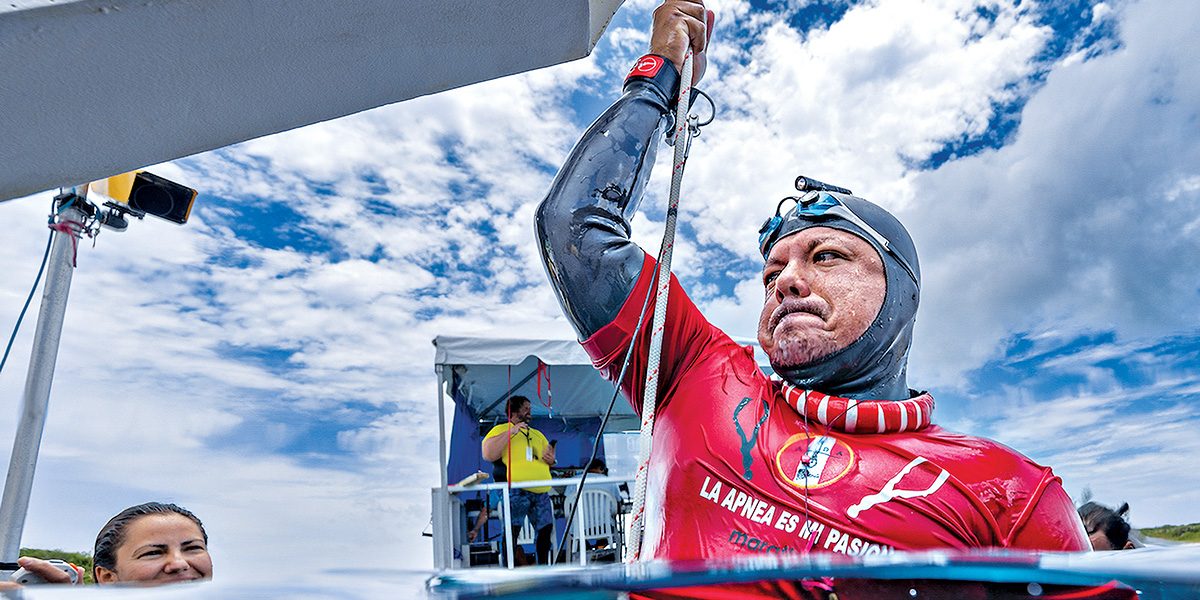
THE RAPID GROWTH OF FREEDIVING in the U.S. brings a positive light to a sport that is mentally healthy and physically inspiring but has little tolerance for error. Shallow-water blackout and respiratory barotrauma are the most feared consequences of freediving, but they can be minimized with training and good safety practices.
Scuba diving demands not only physical fitness but also proper nutritional preparation. Like with any activity, we expend energy while diving; surprisingly, the energy required for routine recreational diving is somewhat moderate. Under unusually strenuous recreational conditions, however, it’s possible to burn more than 500 calories.

To clear up any confusion divers may have about patent foramen ovale (PFO), I will share how I explain the condition to patients.

The day-to-day tasks of injury monitoring at Divers Alert Network include tracking dive fatalities by sifting through emails, news alerts, and social media to collect information about recent events. Our goal is to report to the dive community our findings on what people report to us or what we encounter in our research.

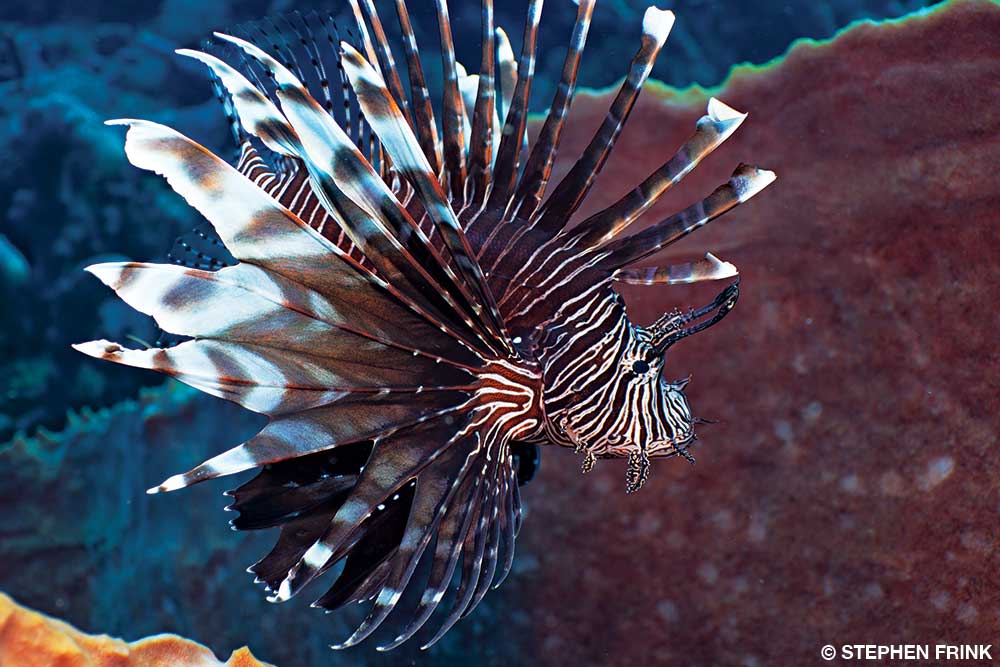
Lionfish are fascinating and beautiful creatures, but they can cause serious injuries as well as environmental problems outside their normal range.
As a hyperbaric physician and dive instructor, I’ve been around a lot of dive accidents, and I’ve spent decades educating divers and treating decompression sickness (DCS).

As with any exercise, it is important to honestly and accurately assess your fitness level before diving. There are assessments you can do at home to test your fitness for dive and ensure you’re in good health.
You check in at the dive shop, sign your waivers, get your gear on the boat, and set up your BCD on your first tank for the day. The divemaster introduces you to your dive buddy for this trip — a total stranger from another part of the world who is here for the same things you are: great diving and returning home safely.
