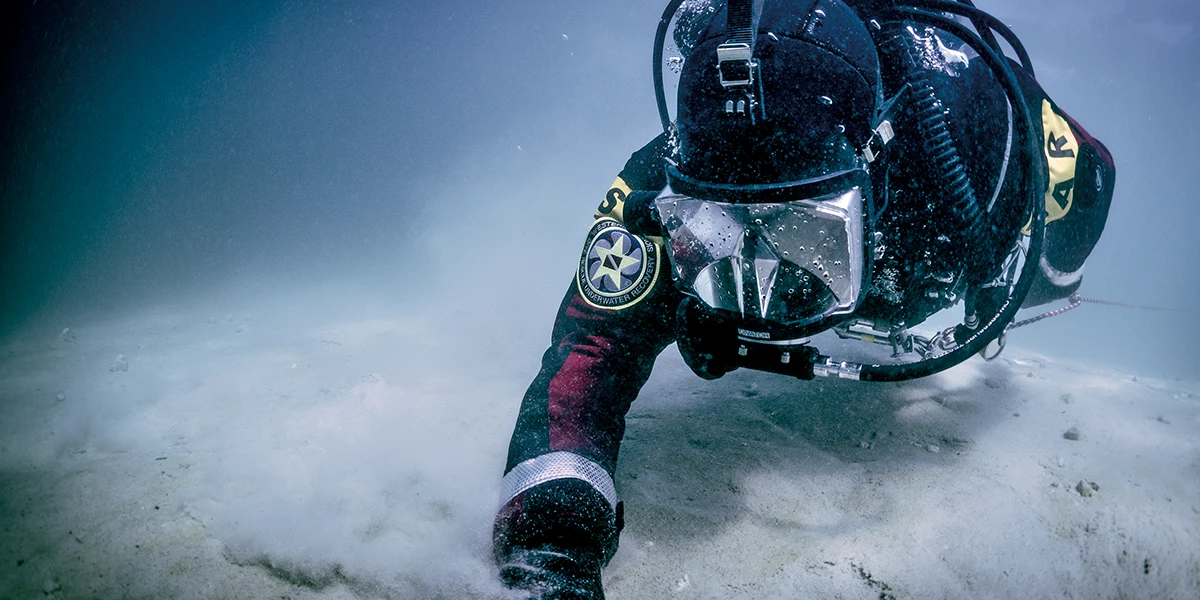
I was recently scrolling through social media and found a popular video of a salvage diver saying that ear beer was enough after diving in contaminated water. Hearing this advice gave me pause — someone could have serious adverse health effects if they follow it without more knowledge.
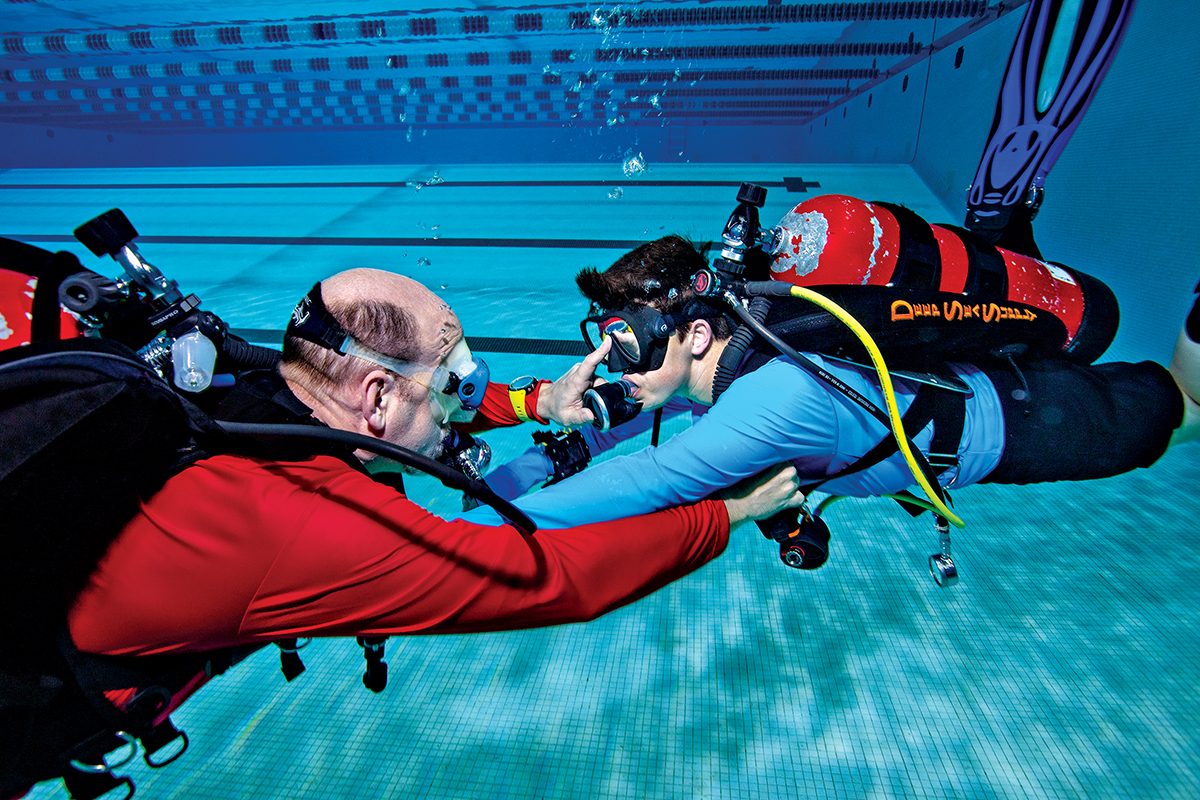
Pulmonary barotrauma can occur in a shallow swimming pool if a diver holds their breath during ascent or inadvertently floats to the surface while holding their breath. Most dive-related pulmonary barotraumas occur in compressed-gas diving due to pulmonary overinflation during a breath-hold ascent. Pulmonary barotrauma can occur even with normal breathing if there is an obstruction in the bronchial tree that prevents one lung segment’s normal ventilation.
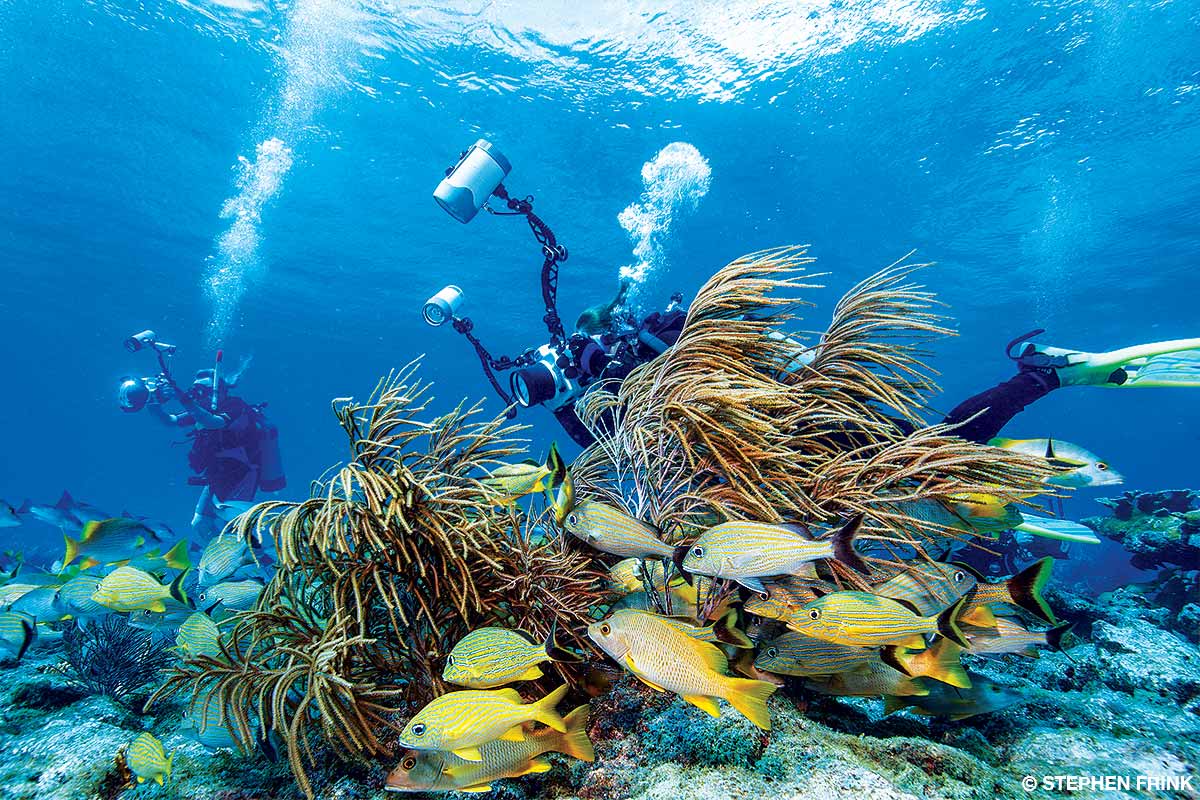
Imagine descending to a beautiful reef. The water is clear, fish glide past, and then you feel a strange pull on your face, like the mask is trying to suction itself onto your eyes. When you surface your eyes are red, swollen, and possibly bruised. The cause was mask squeeze, a common but preventable dive injury.
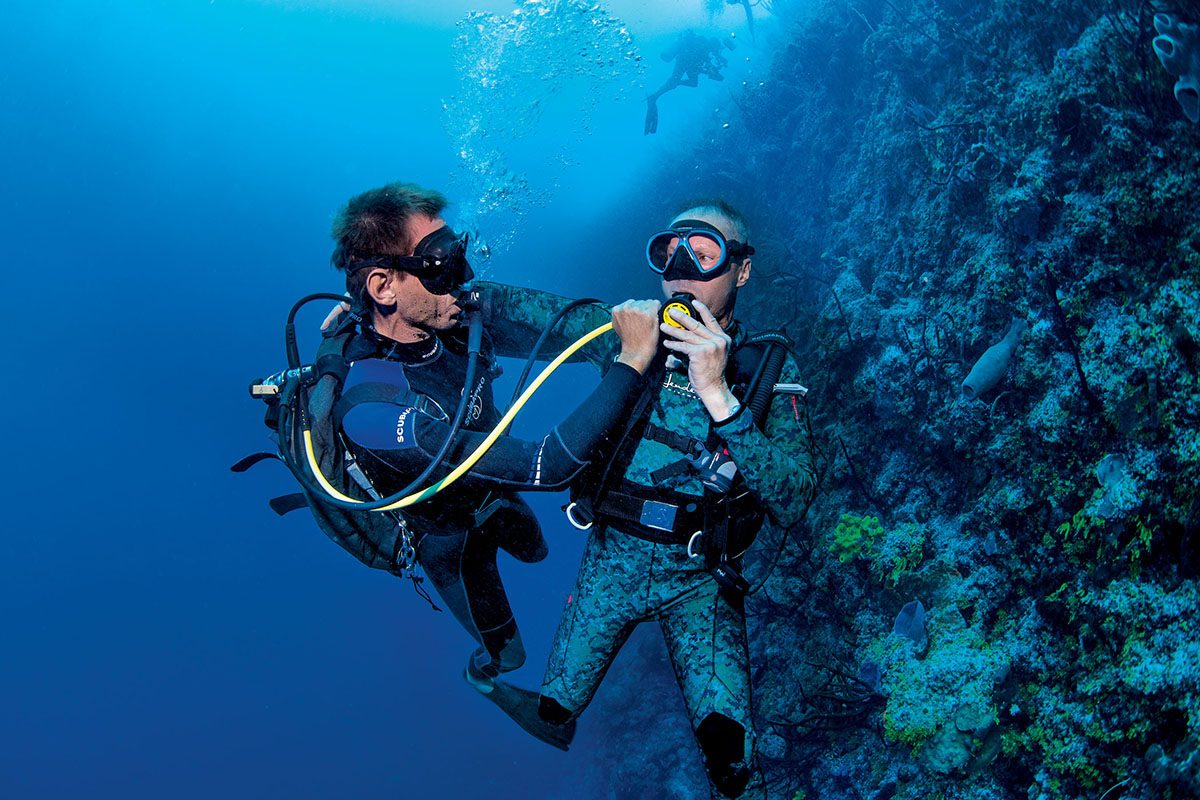
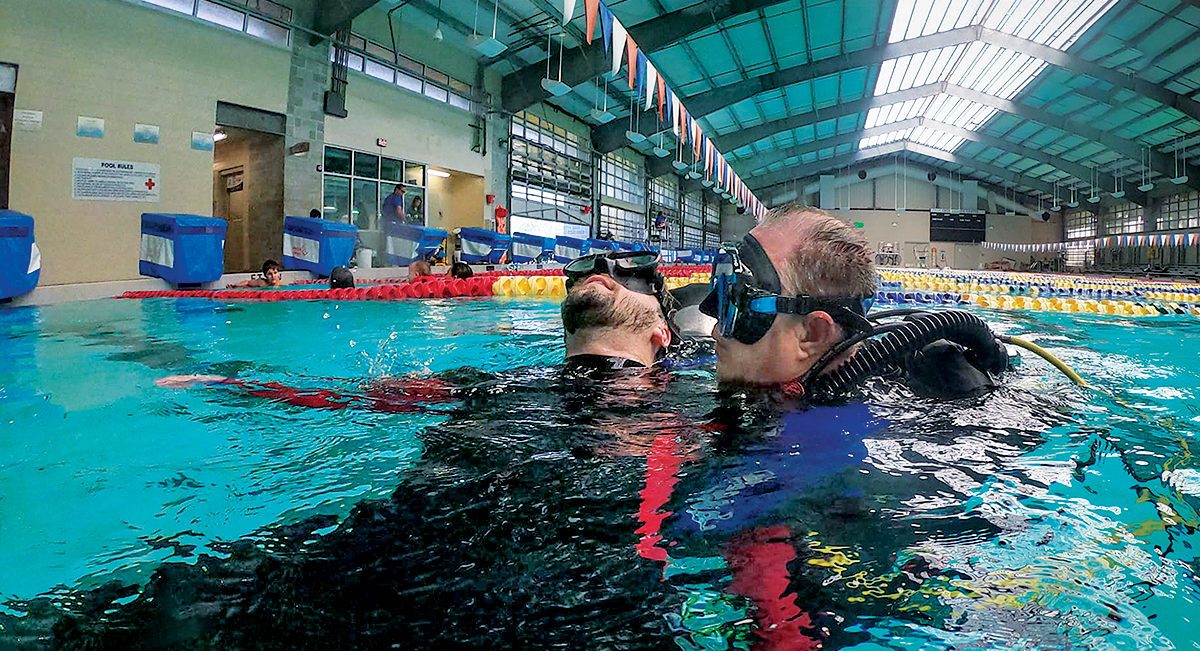
DIVING INHERENTLY CARRIES AN ELEVATED LEVEL OF RISK because humans cannot survive underwater without specialized equipment. When things go wrong, an effective rescue is vital for a favorable outcome. Most rescue diver courses teach students basic techniques to apply after something goes wrong, but better courses also provide techniques to prevent incidents from occurring in […]
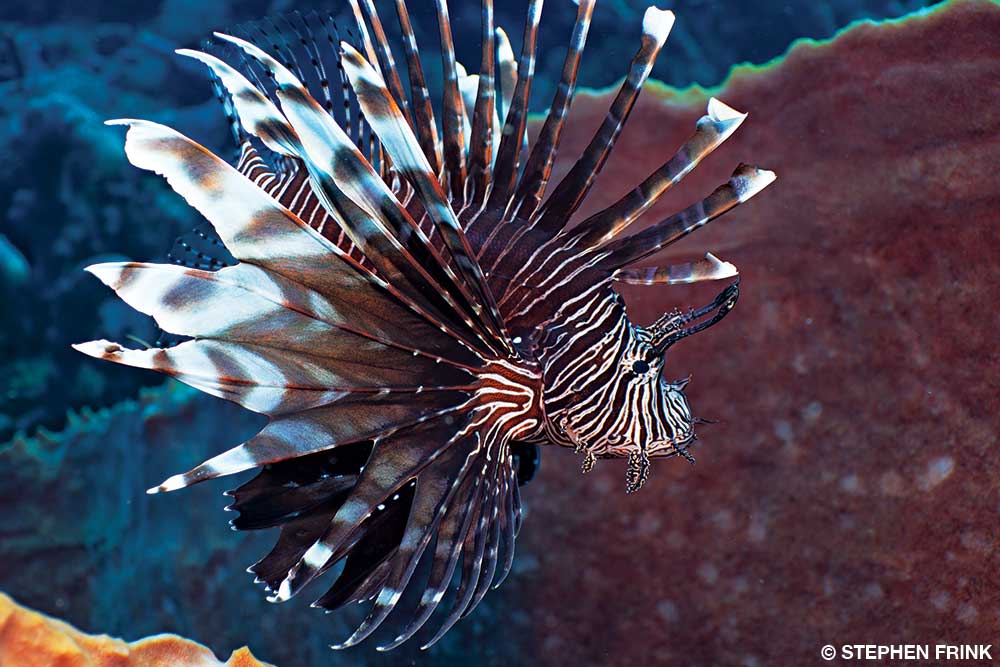
Lionfish are fascinating and beautiful creatures, but they can cause serious injuries as well as environmental problems outside their normal range.
THE DIVE INDUSTRY IS FULL OF DEBATES. Should you use a jacket-style, back-inflate, or backplate and wing buoyancy compensator? A canister light or a cordless light? A weight belt or integrated weights? Regular fins or split fins?
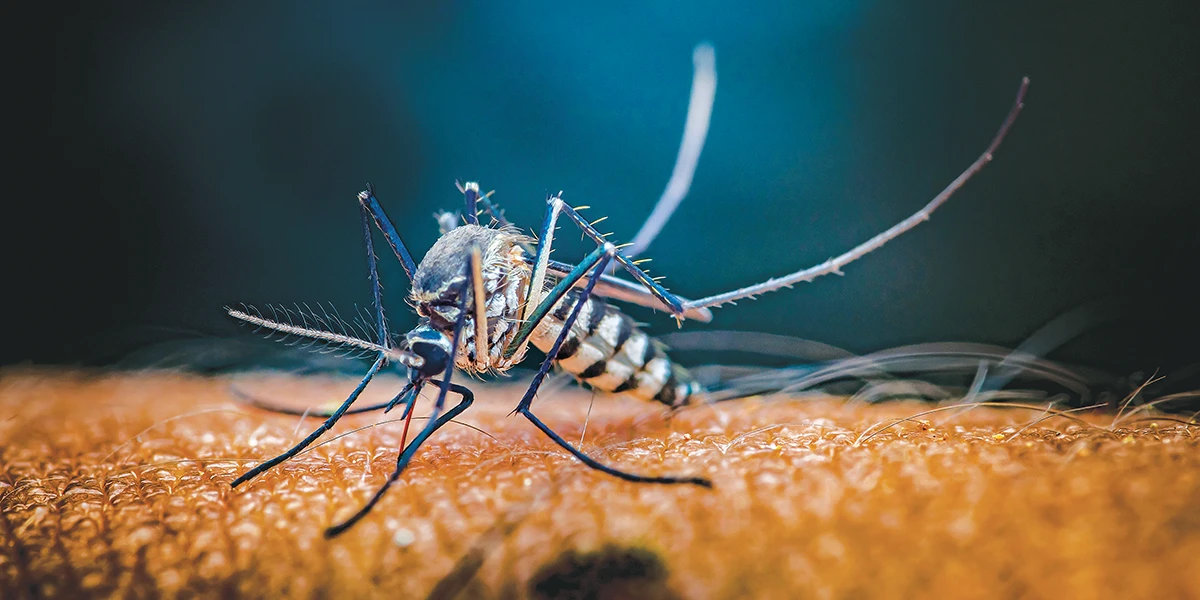
Dengue Fever spreads through mosquitoes in tropical climates. Explore recent data and its implications for your travel plans.
WHEN ASKED TO DESCRIBE THEIR FAVORITE COURSE, many divers will discuss the challenges and triumphs they experienced during their rescue class. Instructors often describe rescue as the most rewarding course they teach. It is often the first course in which divers begin thinking about others more than themselves, so it’s little surprise that it stands […]
A diver reported feeling unwell after a series of dives and described an uncomfortable irritation on the roof of his mouth, which raised a question about the quality of the […]
Being involved in a traumatic event can take a toll on everyone: dive professionals or rescue divers who perform a rescue, lay providers who help with CPR and first aid, and dive buddies or bystanders.