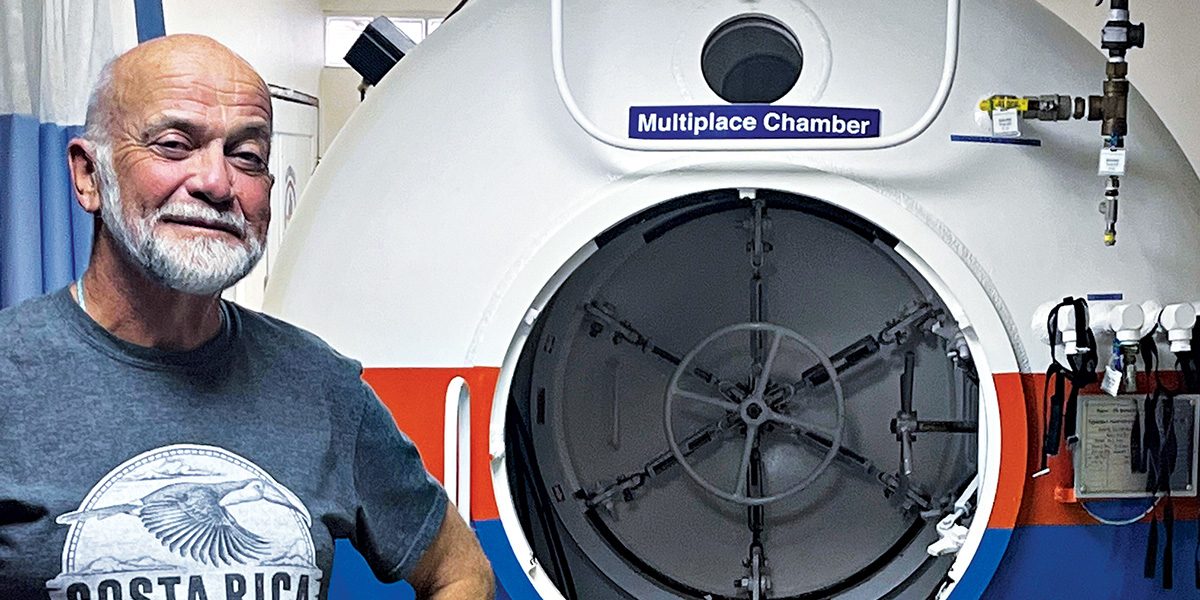
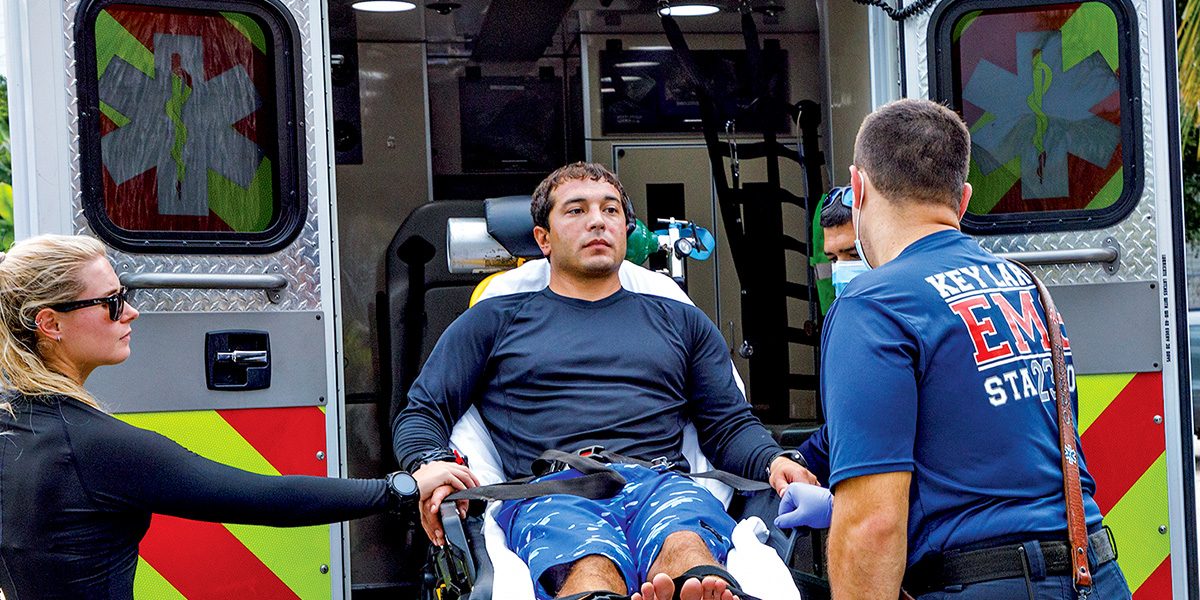
AFTER I SPENT ALMOST 20 HOURS in a hyperbaric chamber over five days, life there had grown tedious. The last 15 minutes, however, were not only exciting but highly instructive. I learned that if you don’t know what you’re doing, don’t touch anything or do anything without first asking permission.
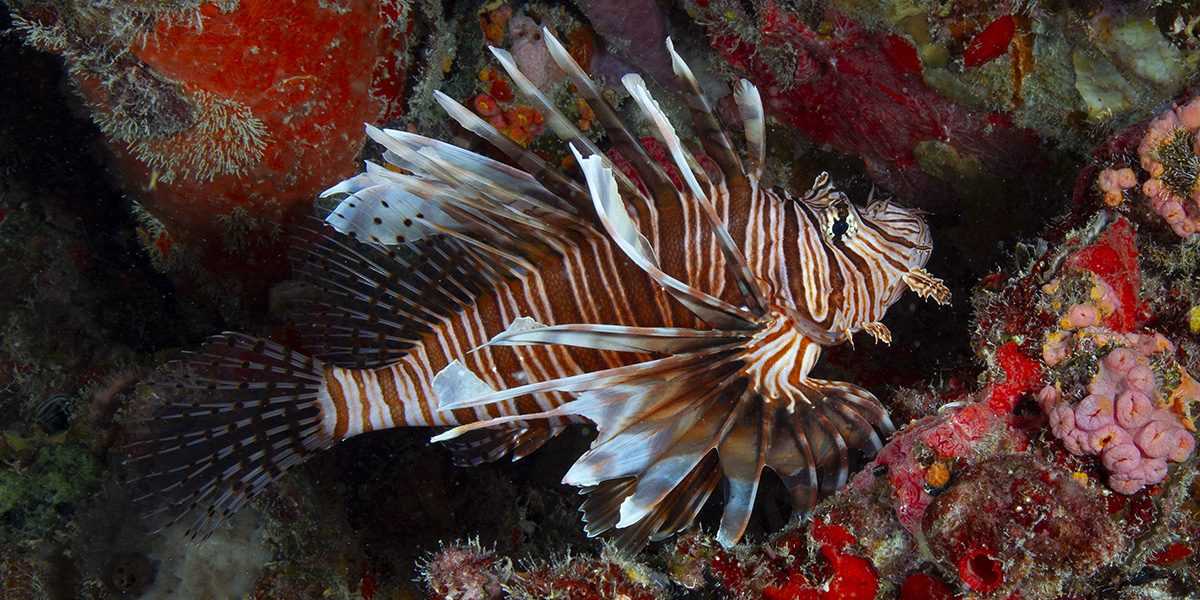
BEING STUNG BY A LIONFISH is like being bitten by a poisonous snake. I found that out the hard way.
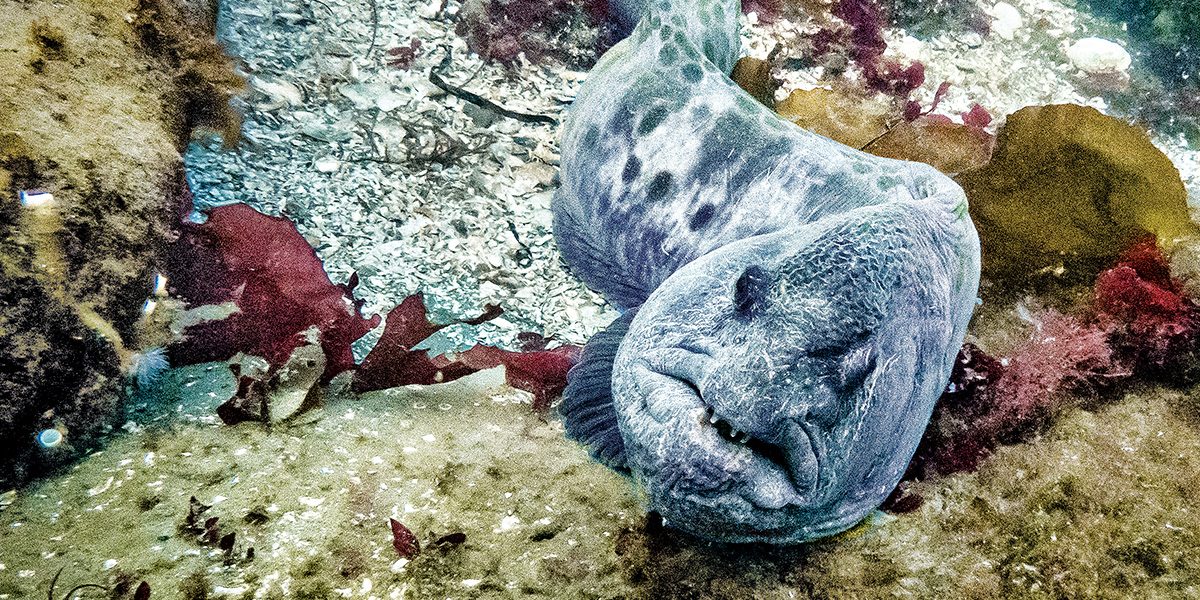
ASK DIVERS IN THE PACIFIC NORTHWEST what makes for a great dive, and most will agree that a wolf-eel (Anarrhichthys ocellatus) is involved. There is something about the face of an adult wolf-eel staring at you from its den that turns an ordinary dive into a great one. The specific conditions don’t matter. Cold temperatures, terrible visibility, or strong currents are easy to forget when a wolfie — as we call them locally — appears.
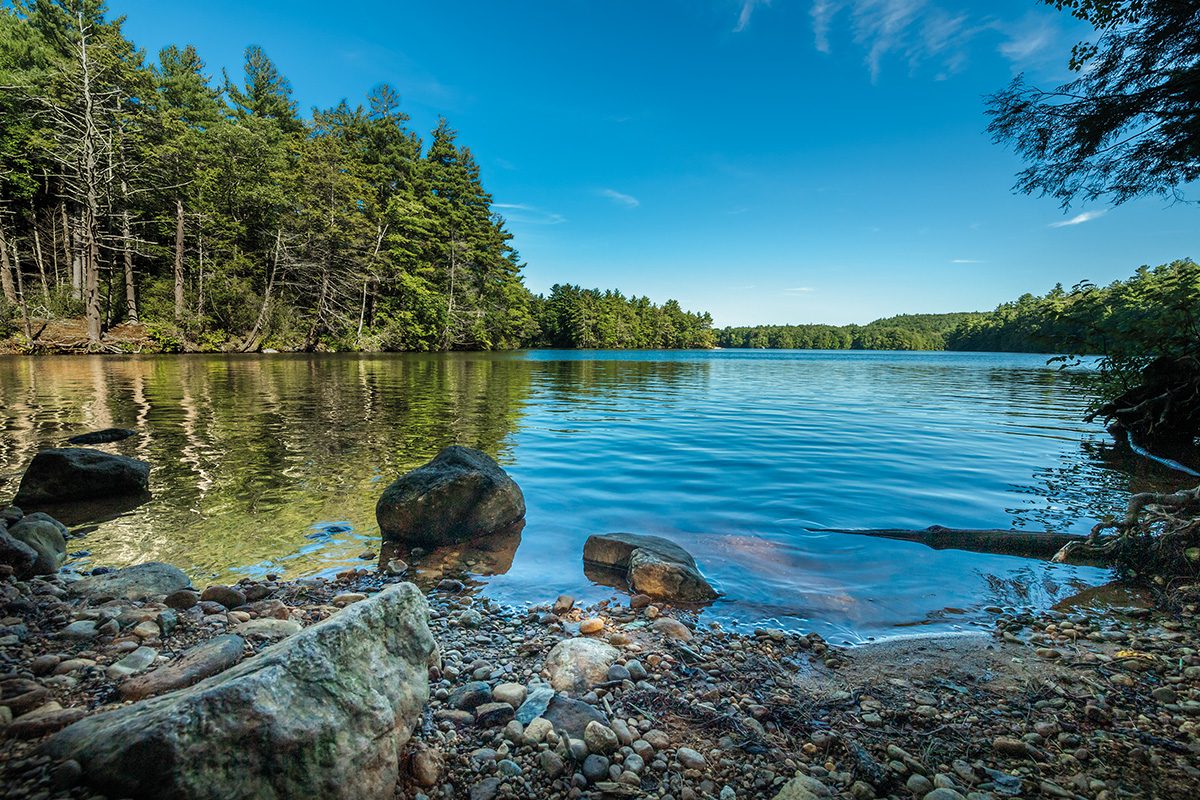
BETWEEN NEW YORK AND BOSTON LIES HARTFORD, the heartbeat of Connecticut. Visitors there can tour the Mark Twain House, Harriet Beecher Stowe Center, and the Wadsworth Atheneum Museum of Art. Beyond the city, trees and hills make way for fresh and coastal waters teeming with macro life.
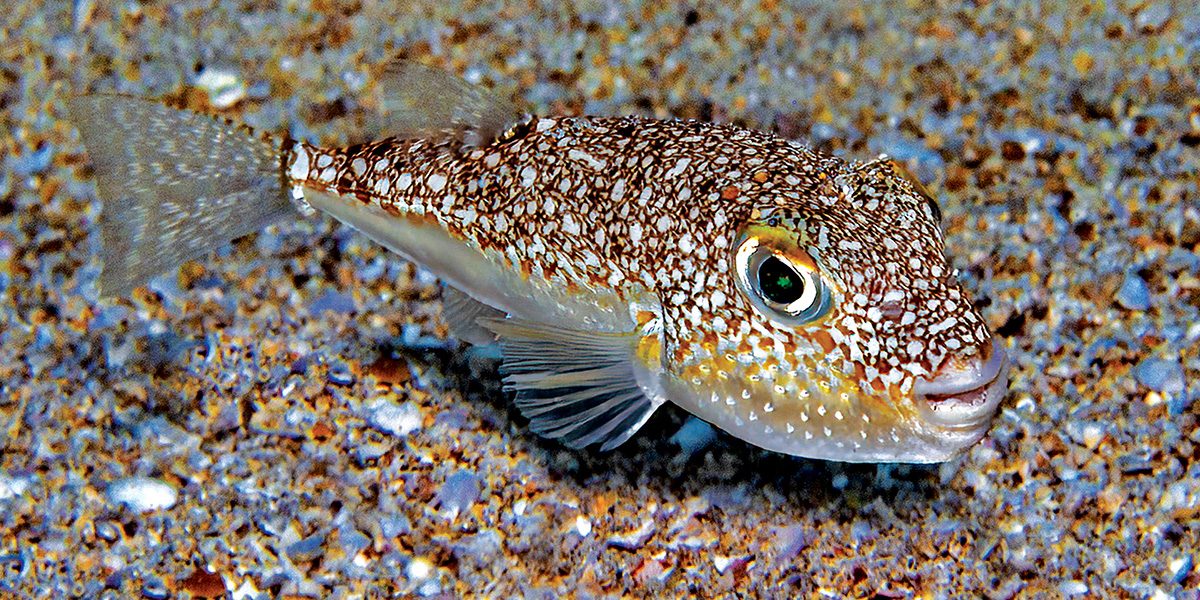
MANY JAPANESE DIVERS LOVE UNDERSEA CREATURES, particularly the home-grown varieties living in abundance along the country’s craggy volcanic coastlines and offshore islands. They also have an infatuation for the eccentric — the stranger the better.
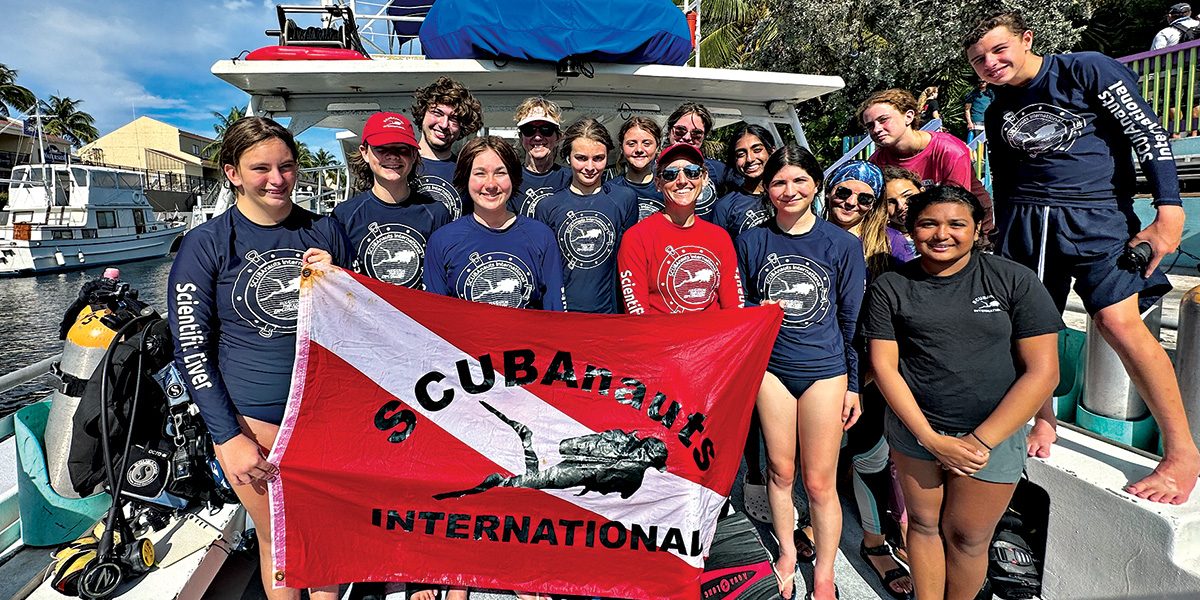
FOR MORE THAN 20 YEARS the nonprofit marine science education program known as SCUBAnauts International (SNI) has introduced young people ages 12 to 18 to informal science education through underwater exploration. While many youth organizations exist in the dive industry, this group’s scientific rather than recreational nature and its strong foundation in dive safety give SNI a unique identity.
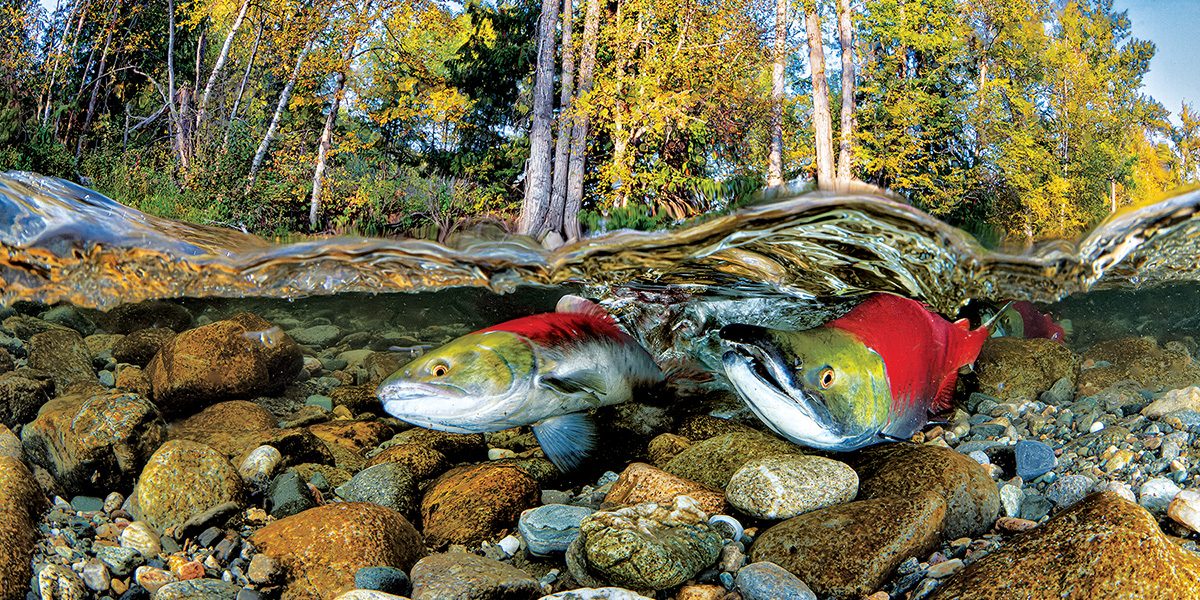
IN THE ADAMS RIVER IN BRITISH COLUMBIA, huge flows of sockeye salmon swim upstream to complete their life cycle, marked by the compelling need to return to their birthplace to spawn. Their unique journey from the ocean to their freshwater birthplace to reproduce is riddled with obstacles and dangers.
Lorsque vous en avez le plus besoin, DAN est là pour vous aider. Nous coordonnons les évacuations d'urgence et couvrons les frais de nos membres jusqu'à concurrence de US$500 000 par personne. Chaque membre de DAN a droit à ces services d'urgence ainsi qu'à une assistance voyage, médicale, juridique et personnelle.
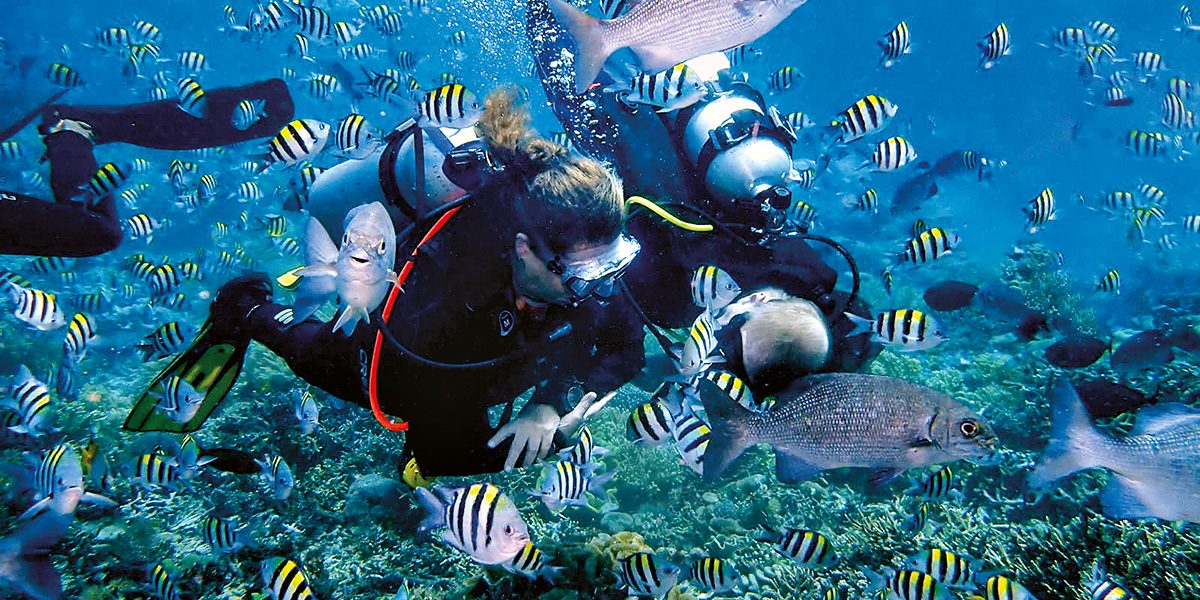
I’M ALWAYS AMAZED at what people will do for love. My girlfriend, who is terrified of the ocean, announced that she wanted to learn to dive and then accompany me on a trip to Raja Ampat, Indonesia. I was thrilled. We come from different backgrounds and always look for activities we can do together.
Le réseau DIVERS ALERT NETWORK a publié un document de référence visant à promouvoir l'aptitude médicale à la plongée tout au long de la vie des plongeurs. Destiné aux plongeurs, aux professionnels de la plongée et aux médecins, ce document établit un calendrier pour les questionnaires médicaux et les évaluations physiques en fonction de l'âge et d'autres facteurs pertinents. Les informations sont présentées sous forme de tableau et d'organigramme pour une consultation rapide et une utilisation aisée.