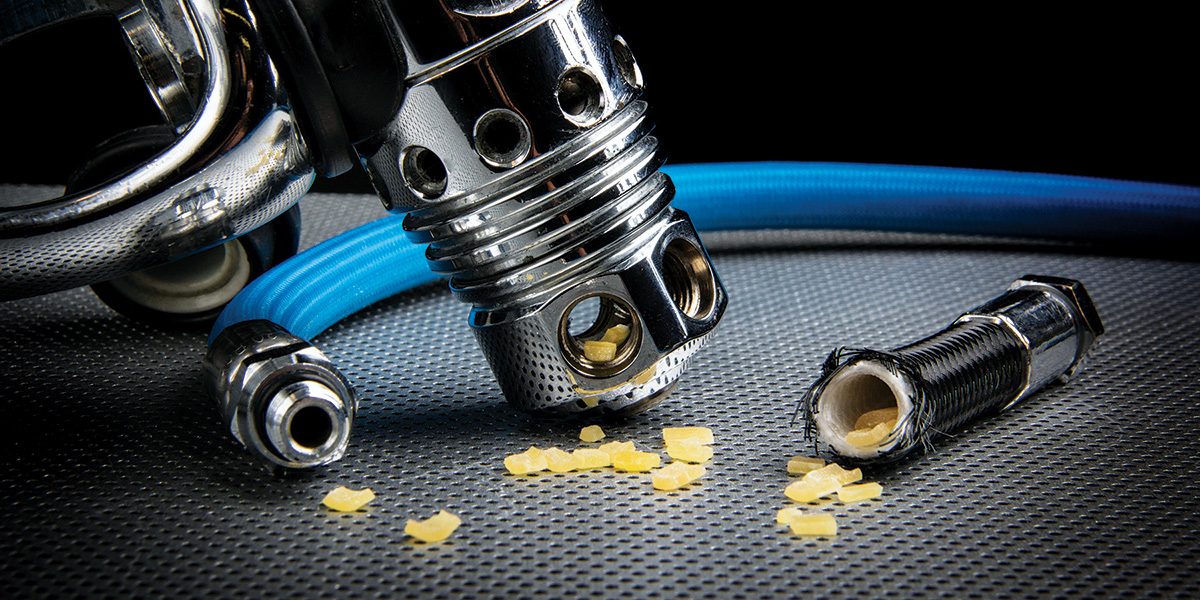
Some first-stage scuba regulators have a shared low-pressure hub. Purging the second-stage regulator to release pressure from all hoses before disassembling gear causes gas in the other hoses to move backward toward the first stage. The gas could carry debris from the other low-pressure hoses and possibly through the first-stage regulator into the hose being used to vent the system. Performing regular maintenance, checking your hoses and noting any difficulty in breathing or inflation during your predive check should prevent hose degeneration from causing an underwater incident.
Existen muchas normas y directrices sobre los límites de seguridad, incluidos los resultados de diversos estudios de salud y seguridad en el trabajo sobre los efectos de la exposición prolongada. En el caso del buceo, la situación es diferente. Entonces, ¿cuáles son los límites de seguridad para el buceo recreativo, con exposiciones mucho más cortas que las de los buceadores de la marina? En particular, ¿cuál es el límite de seguridad para el dióxido de carbono (CO2), el contaminante potencial más abundante?
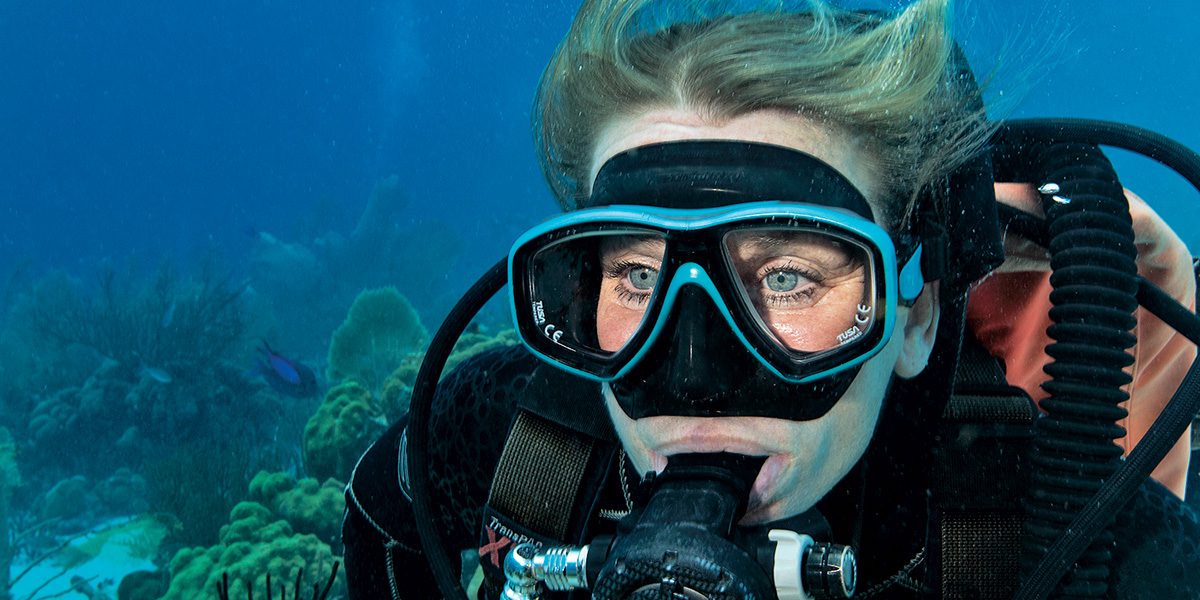
There are many options currently available for divers who need corrective eyewear. With the right mask or lens, divers are better able to enjoy the underwater sights.
Are you prepared to handle a faulty regulator? Here is how one person handled this hazardous situation and DAN’s response to the handling.