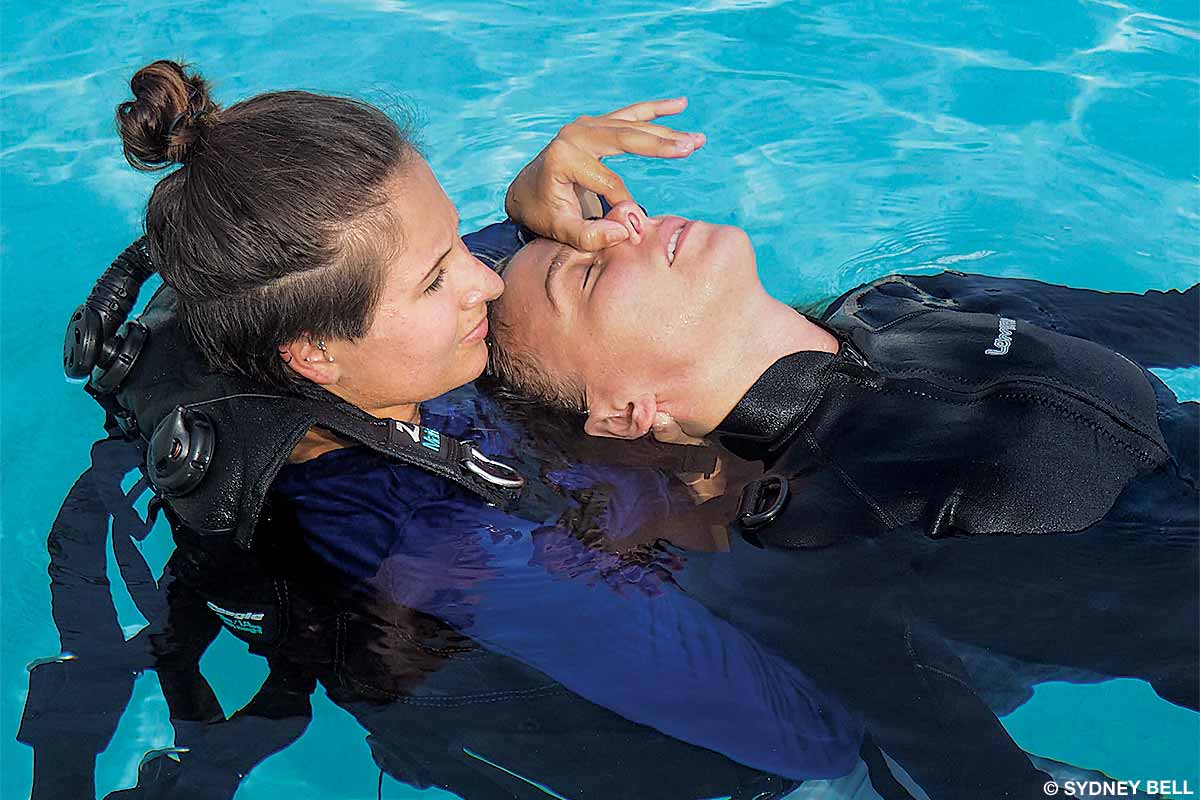
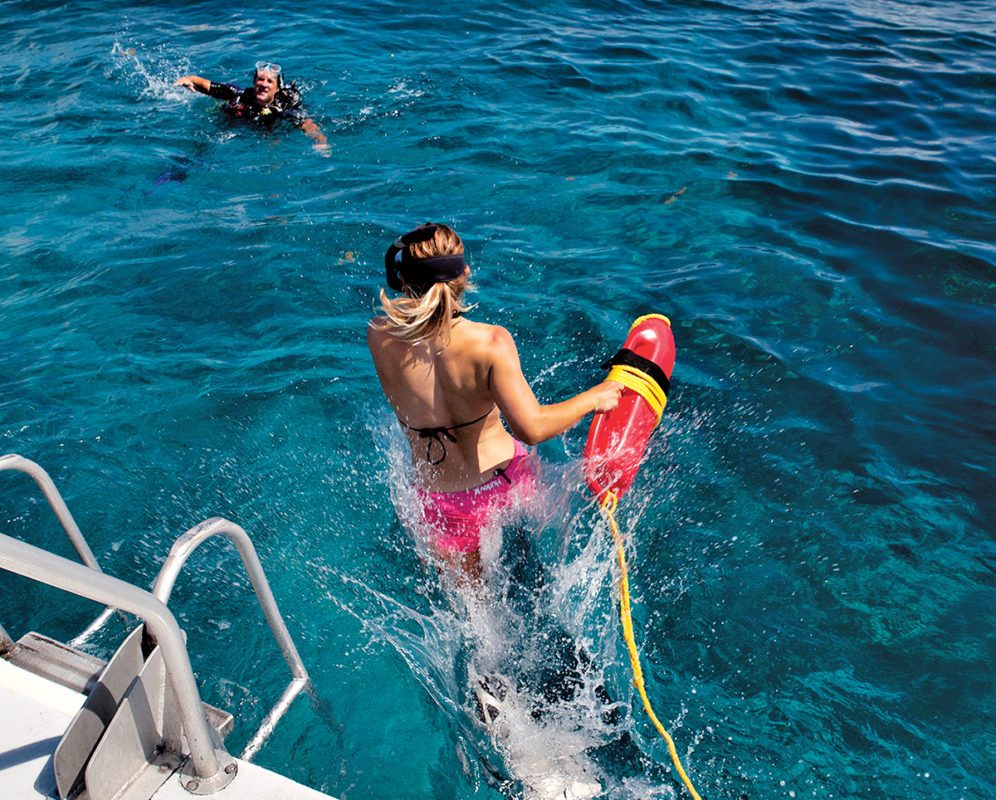
You are on the boat after a great dive when a buddy team surfaces, and one of them calls out for help. The boat crew helps get the distressed diver on board. Would you know what to do next? Whatever your level of dive training, or even if you are a nondiver dealing with an incident on land, DAN’s first aid training can help you know what to do and how to do it.
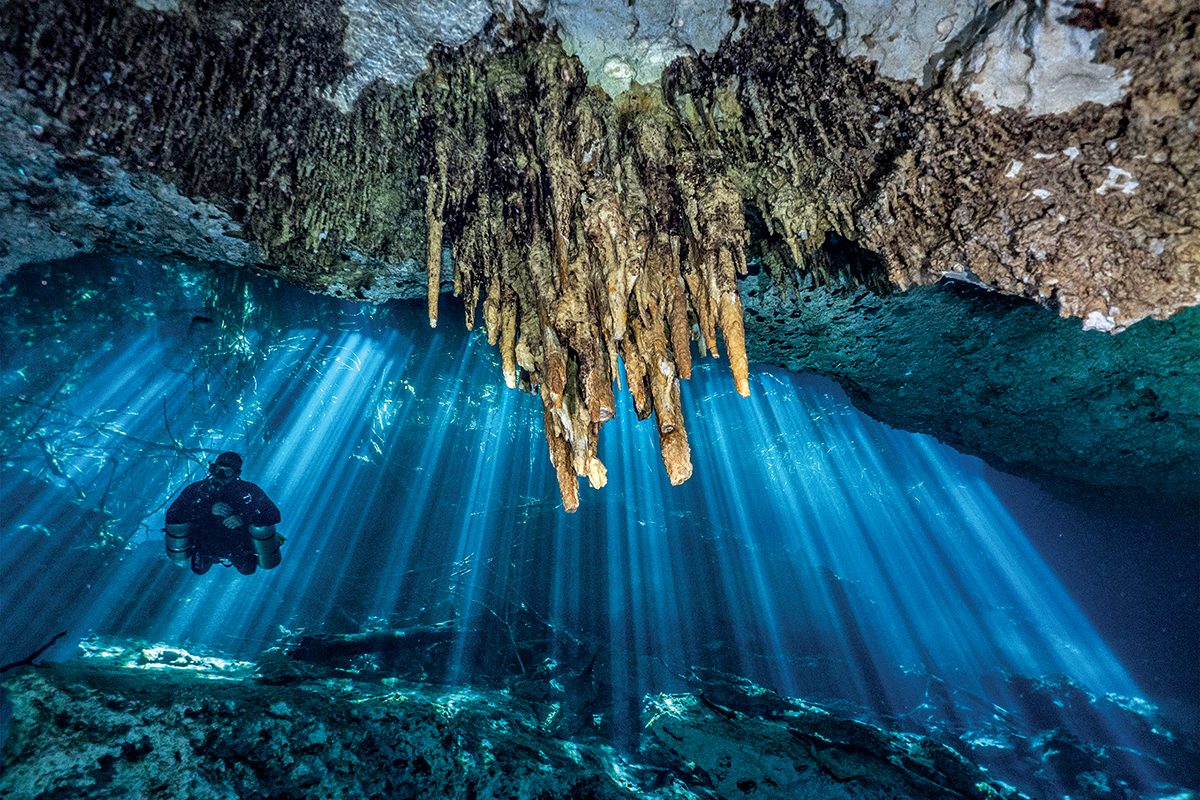
SOME OF THE WORLD’S MOST BEAUTIFUL FLOODED CAVES are underneath the jungle of Mexico’s Yucatán Peninsula. The peninsula began as a coral reef which sea-level fluctuations during various ice ages exposed to the atmosphere.
Nous avons tous vu des images tragiques d'animaux marins souffrant, empêtrés dans des lignes de monofilament ou d'autres débris marins.
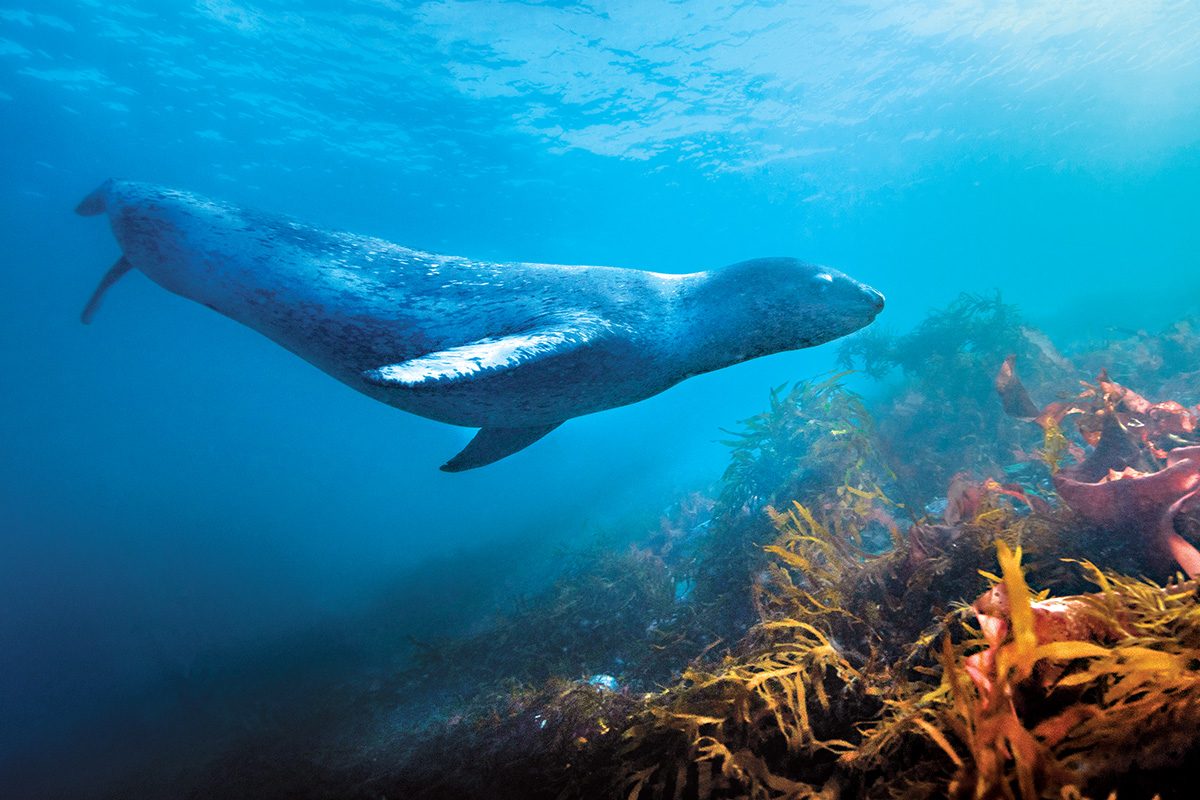
CHAQUE PHOTOGRAPHE A UNE PHOTO DE RÊVE. Pendant longtemps, le mien a été de voir une prédation naturelle particulière : un léopard de mer chassant un manchot en Antarctique. Lorsque je me suis rendu en Antarctique pour la première fois en 2018, je pensais qu'il s'agirait d'un voyage unique. J'étais loin de me douter que je m'y aventurerais à plusieurs reprises au cours des prochaines années.
Dive training agencies track the number of certifications they issue, but the number of active divers worldwide is still unverified. As dive research grows, identifying the denominator for the dive population is increasingly important.
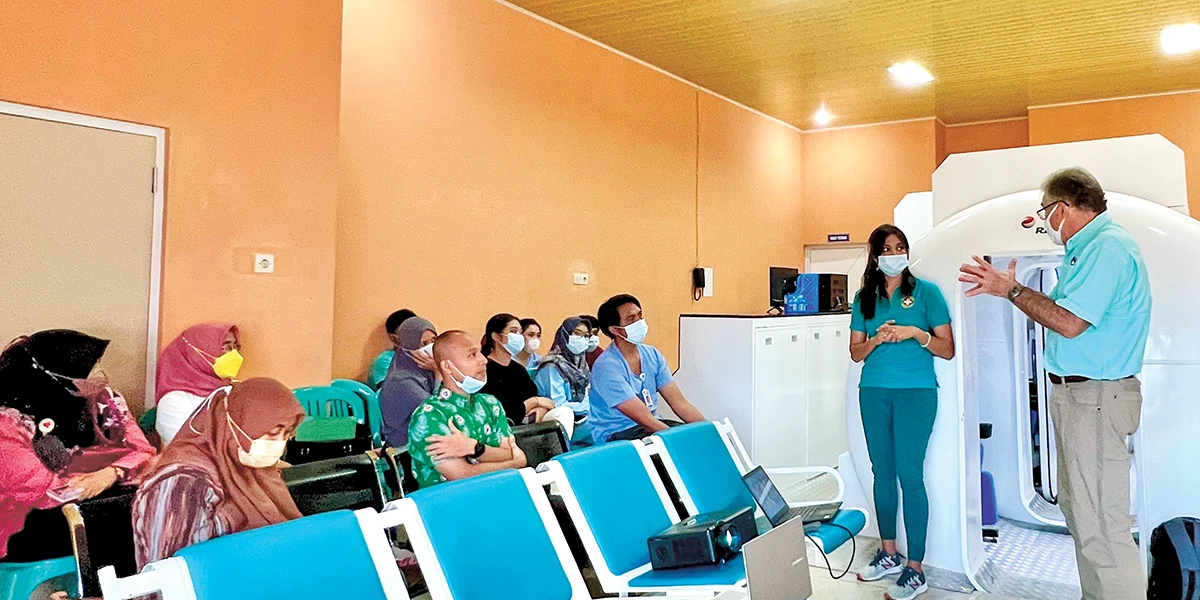
Indonesia’s archipelagic beauty and marine biodiversity lure divers from around the world. As the country’s popularity as an international dive destination grows, so does the complexity of dive safety. Protecting divers is no small feat across this landscape of more than 17,000 islands, many dotted with dive sites in remote locations lacking medical infrastructure.
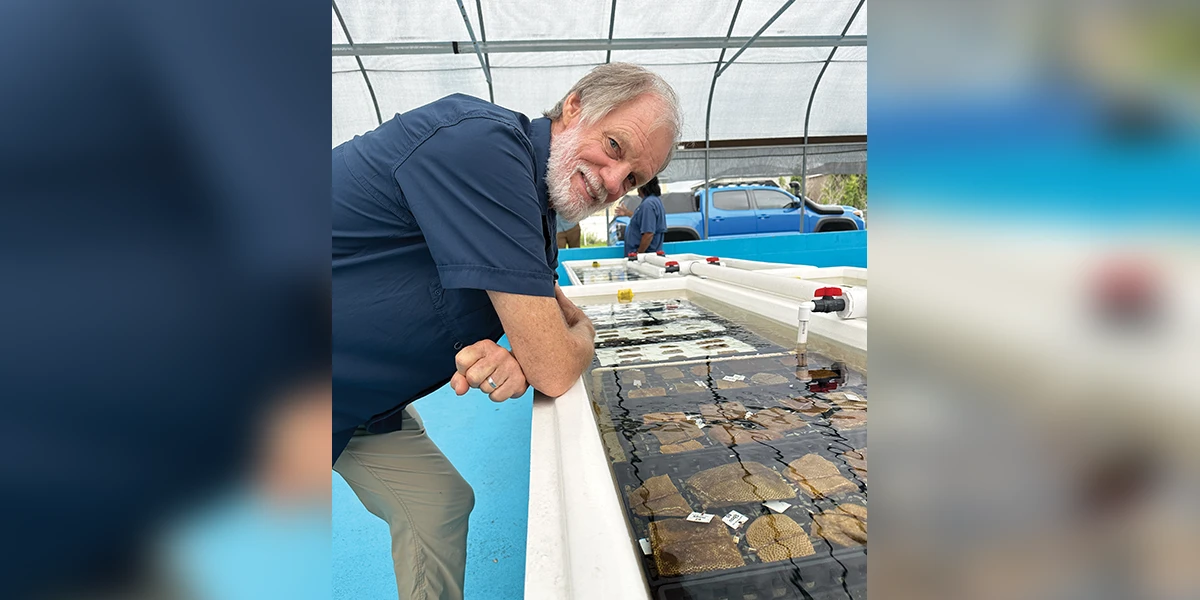
Ken Nedimyer’s connection to the sea began early. He put himself through college by collecting tropical fish and diving for lobster in the Florida Keys.
When the world changes your dive plans, navigate your options for dealing with canceled flights and modified itineraries.
The required skills in a rescue scenario — which involved a surface swim while providing rescue breaths and removing dive gear from the victim and rescuer — were not coming easily, especially if my dive buddy was larger than me. Techniques for rescue diving seemed suited for people with a different body type and skill set — at 5 feet, 4 inches tall, I am a petite woman. Practicing rescues was challenging at best and near-impossible at worst until a course director taught me techniques and modifications that made rescuing more accessible.
WHETHER YOU’VE BEEN DIVING from boats for years or you’re looking forward to your first liveaboard trip, it’s an excellent time to refresh your knowledge about staying safe on board and evaluating your dive operator’s safety preparedness.