Avant de plonger, votre médecin et vous devez tenir compte des effets possibles d'une faible numération plaquettaire. Dans certains cas, cela peut affecter la capacité de l'organisme à coaguler correctement en réponse à une blessure.
DAN medics and researchers answer your dive medical questions.
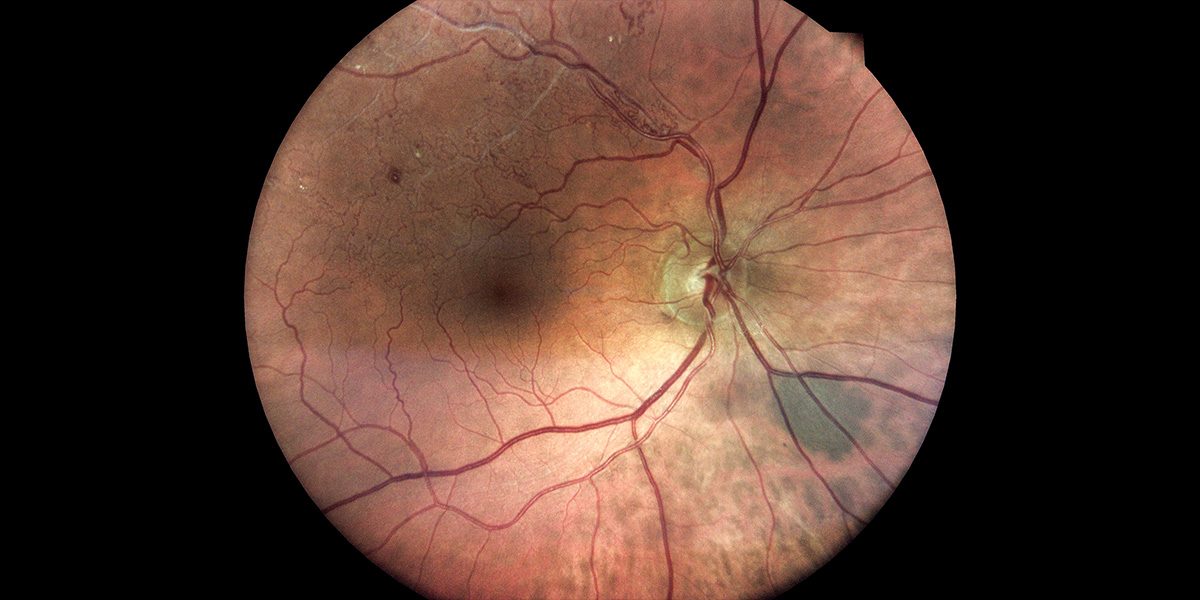
Q: I recently had an eye stroke. Can I still dive after it has been resolved? A: The main concerns with an eye stroke (central retinal artery occlusion, or CRAO) are the underlying cause and the medications your doctor prescribed for treatment. Before returning to diving, work with your ophthalmologist or physician to determine the root cause of the initial ocular stroke, the probability of recurrence, and your overall cardiovascular health.
I am about two and a half months postpartum with no complications and have received clearance from my physician and a dive specialist to resume diving.
Swimmer’s ear (otitis externa) is an infection of the external auditory canal that frequently occurs in divers and swimmers.
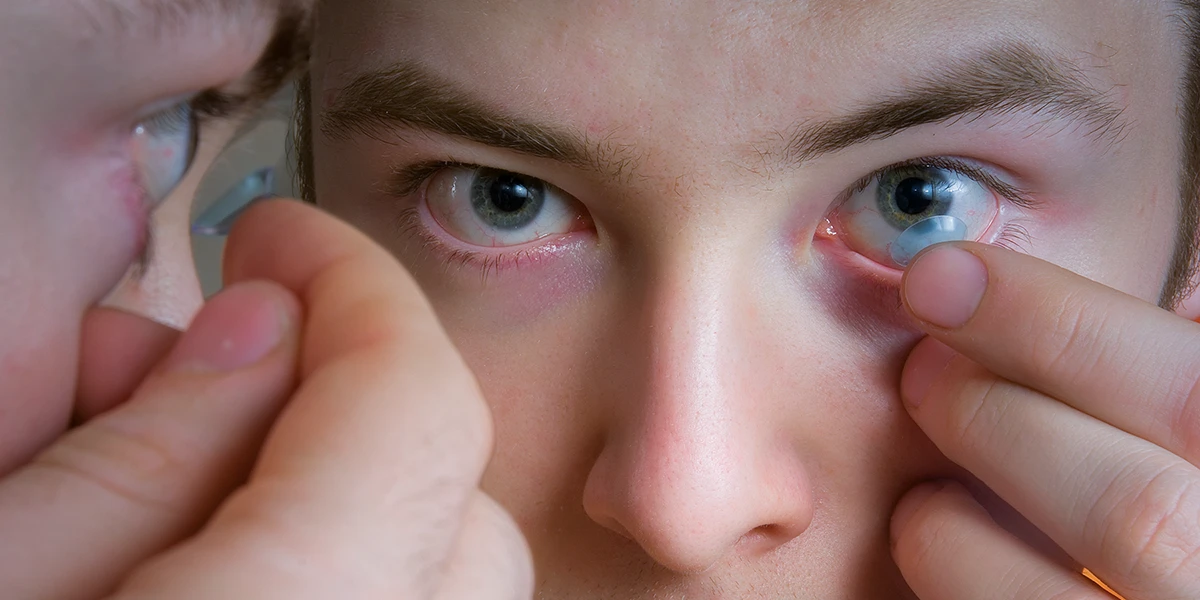
Many divers wear contact lenses without issue during their dives. It’s crucial, however, to be aware of potential challenges, such as increased dryness or irritation due to factors like dry air in the dive mask, prolonged wear, mask squeezes, or exposure to saltwater. Maintaining good hygiene practices, including thorough handwashing before handling lenses and avoiding contamination, is essential.
I am a 57-year-old male who is planning to undergo a laparoscopic Nissen fundoplication for refractory gastroesophageal reflux disease (GERD) and a hiatal hernia. Is the procedure considered an absolute […]