Alert Diver Category : Imagerie
Récupération des couleurs en photographie sous-marine
IMAGINEZ-VOUS en train de parcourir des posts sur les médias sociaux ou de feuilleter votre magazine de plongée préféré. Votre regard s'arrête sur une photo des eaux les plus pures que vous ayez jamais vues. Le soleil perce la surface, illuminant magnifiquement le corail dans des éclats de couleur dans toutes les directions. Un plongeur au-dessus de la tête équilibre parfaitement la composition.
Photographie sous-marine avec des modèles : les sept magnifiques
Travailler avec des modèles sous l'eau est l'un des piliers fondamentaux de ma carrière depuis plus de quarante ans. J'adore photographier la vie marine, mais pour les reportages dans les magazines, les photos publicitaires et les banques d'images avec des modèles sous contrat, la collaboration avec un modèle sous-marin expérimenté est primordiale.

La photographie dans l'interface Plimsoll
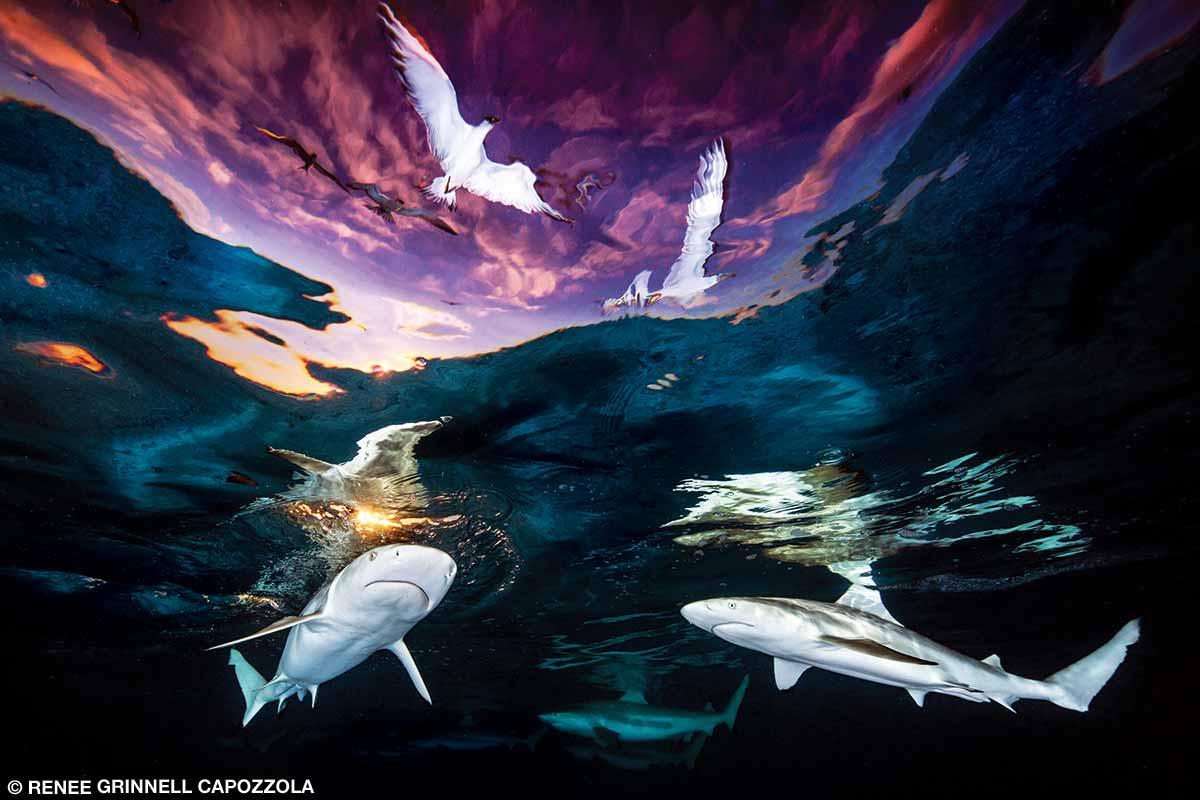
Les photographes sous-marins appellent parfois l'étroite zone d'eau où un sujet fend la surface l'interface de Plimsoll. Cette zone offre de nombreuses possibilités de prises de vue dynamiques obtenues en orientant l'appareil photo au-dessus ou au-dessous de la ligne de flottaison. Le photographe sous-marin dévoué et créatif peut réaliser des prises de vue traditionnelles avec un ménisque droit standard et des reflets spectaculaires du sujet, de la lumière du soleil ou des deux dans le cadre d'une prise de vue modifiée ou d'une photo entièrement sous-marine.
Geri Murphy
BEFORE THE INTERNET WAS AVAILABLE, people read print magazines to learn about scuba diving — how to do it, what gear to buy, and where to go. For 51 years, from 1951 to 2002, the king of the genre was Skin Diver magazine. The undisputed queen of cover photography for Skin Diver was Geri Murphy.
Un simple coup du destin
Nous sommes le produit de nos cultures et de nos expériences de vie, mais un simple coup du sort peut changer le cours de notre vie. C'est ce qui est arrivé à Jade Hoksbergen. Quand on voit ses photos sous-marines, on a du mal à imaginer qu'elle avait peur de l'eau quand elle était petite.

Photographie sous-marine avec un smartphone
LIKE ANOTHER UNIVERSE, the underwater world is full of whimsical inhabitants, sinuous sharks, and huge mammals that have always fascinated people and probably always will. As a photographer, you enter completely new territory when you begin shooting underwater and learning how to adapt to the conditions of the aquatic world. Lighting subjects underwater differs significantly […]

Welcome to Shoulder Light
Imagine waking up in the early hours of the morning at your favorite dive site. The sun hasn’t quite peaked above the horizon, and light is minimal. You don your dive gear, grab your camera, and giant stride off the back of the boat to begin your descent into the dimly lit ocean.
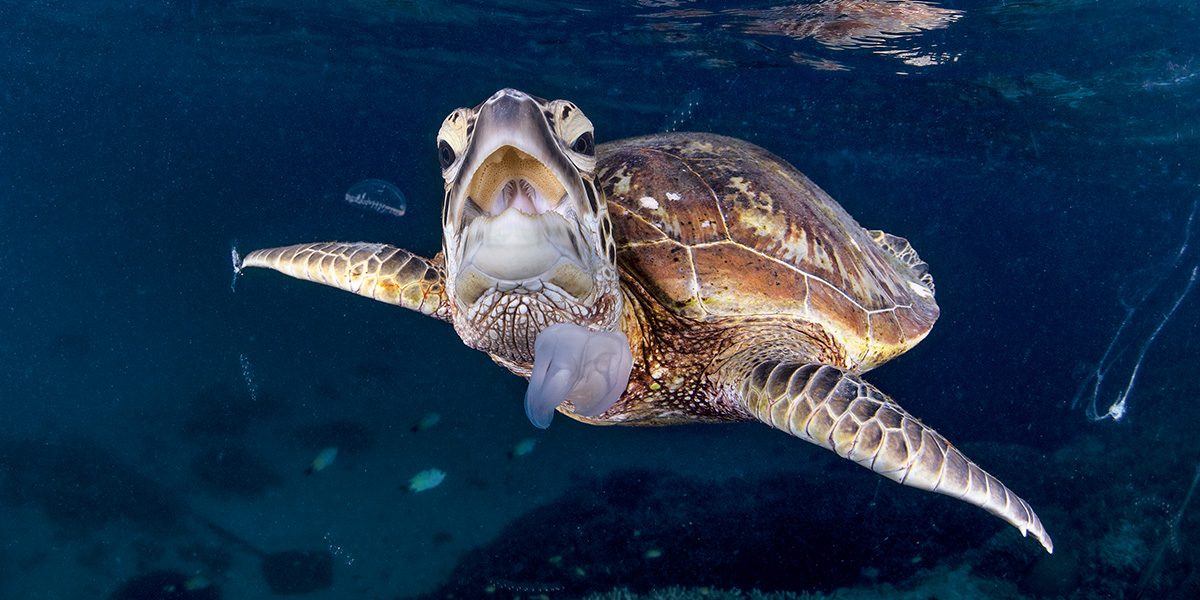
Les bases de la vidéo sous-marine
Explore Underwater Video 101 and discover tips for shooting, editing, and sharing your underwater adventures effortlessly.

Fred Buyle
A STATEMENT ON FRED BUYLE’S WEBSITE briefly explains his approach to underwater photography: “To take his pictures and videos, Fred uses a simple formula: the water, available light, a camera, and one breath of air, nothing more, nothing less.” I would add to that list an extraordinary eye for composition and a passion for placing himself […]