FOUR SCUBA DIVERS BECAME TRAPPED and died while working in an offshore pipeline in 2022. This incident was a harsh reminder that commercial diving is a “hazardous occupation that presents many dangers that far exceed the risks in sport diving,” as highlighted in The Simple Guide to Commercial Diving. The typical risks in recreational diving, such as decompression sickness and pressure-related injuries to the ears and lungs, are still present, but commercial divers regularly face additional hazards — such as zero visibility, contaminated water, and pressure differentials — all while simultaneously operating industrial tools.
Los médicos e investigadores de DAN responden a sus preguntas médicas de buceo.
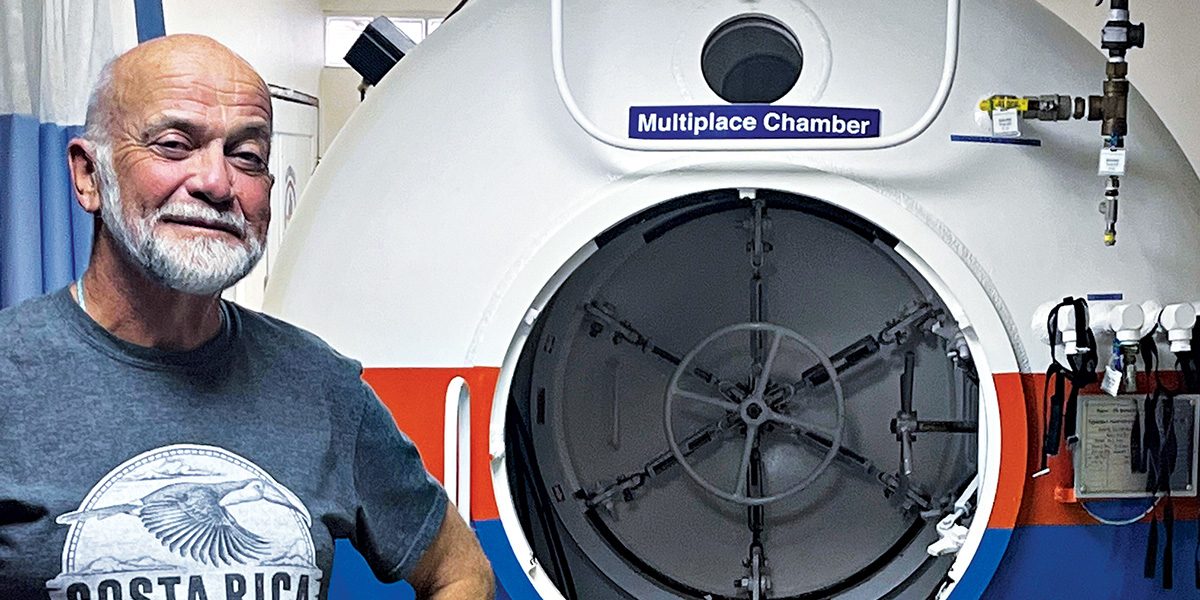
AFTER I SPENT ALMOST 20 HOURS in a hyperbaric chamber over five days, life there had grown tedious. The last 15 minutes, however, were not only exciting but highly instructive. I learned that if you don’t know what you’re doing, don’t touch anything or do anything without first asking permission.
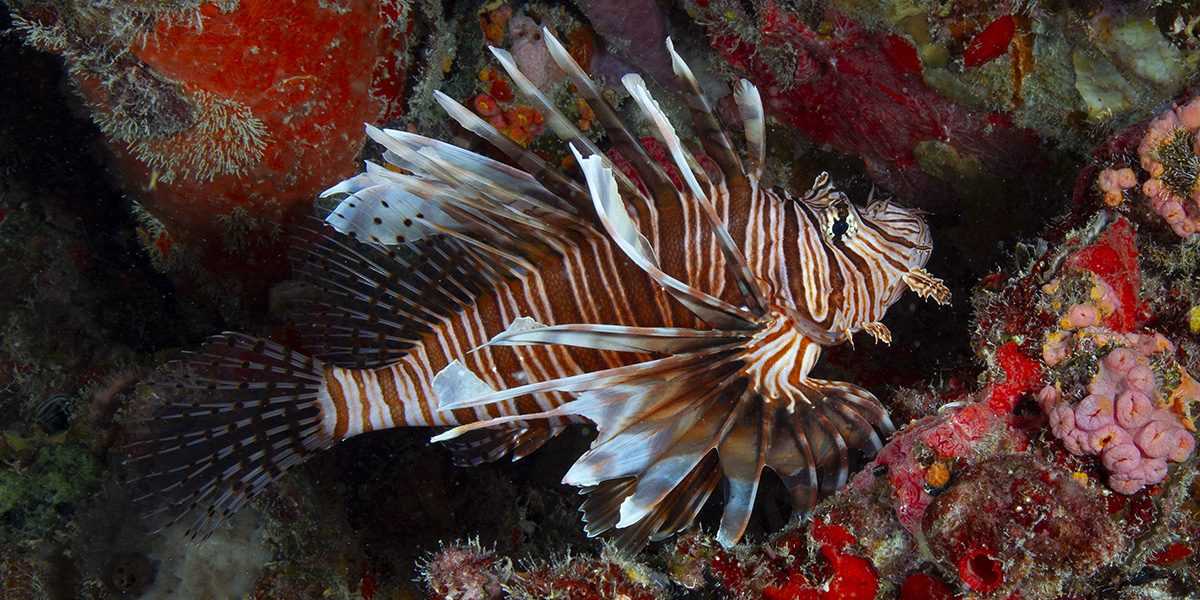
SER PICADO POR UN PEZ LEÓN es como ser mordido por una serpiente venenosa. Esto lo descubrí de la manera más dura.
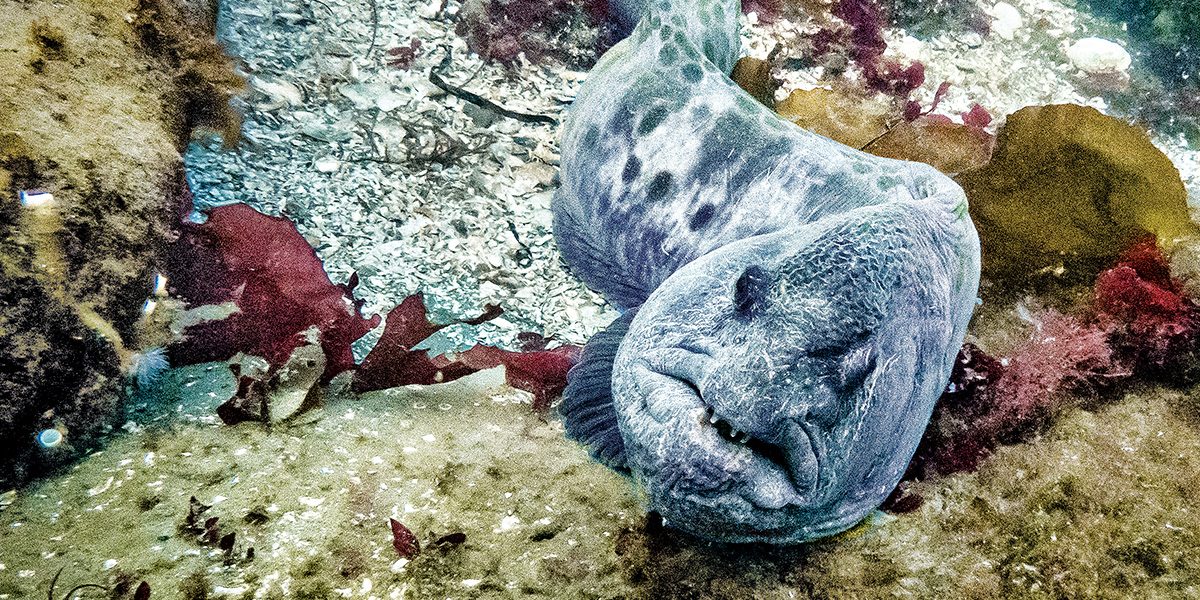
ASK DIVERS IN THE PACIFIC NORTHWEST what makes for a great dive, and most will agree that a wolf-eel (Anarrhichthys ocellatus) is involved. There is something about the face of an adult wolf-eel staring at you from its den that turns an ordinary dive into a great one. The specific conditions don’t matter. Cold temperatures, terrible visibility, or strong currents are easy to forget when a wolfie — as we call them locally — appears.
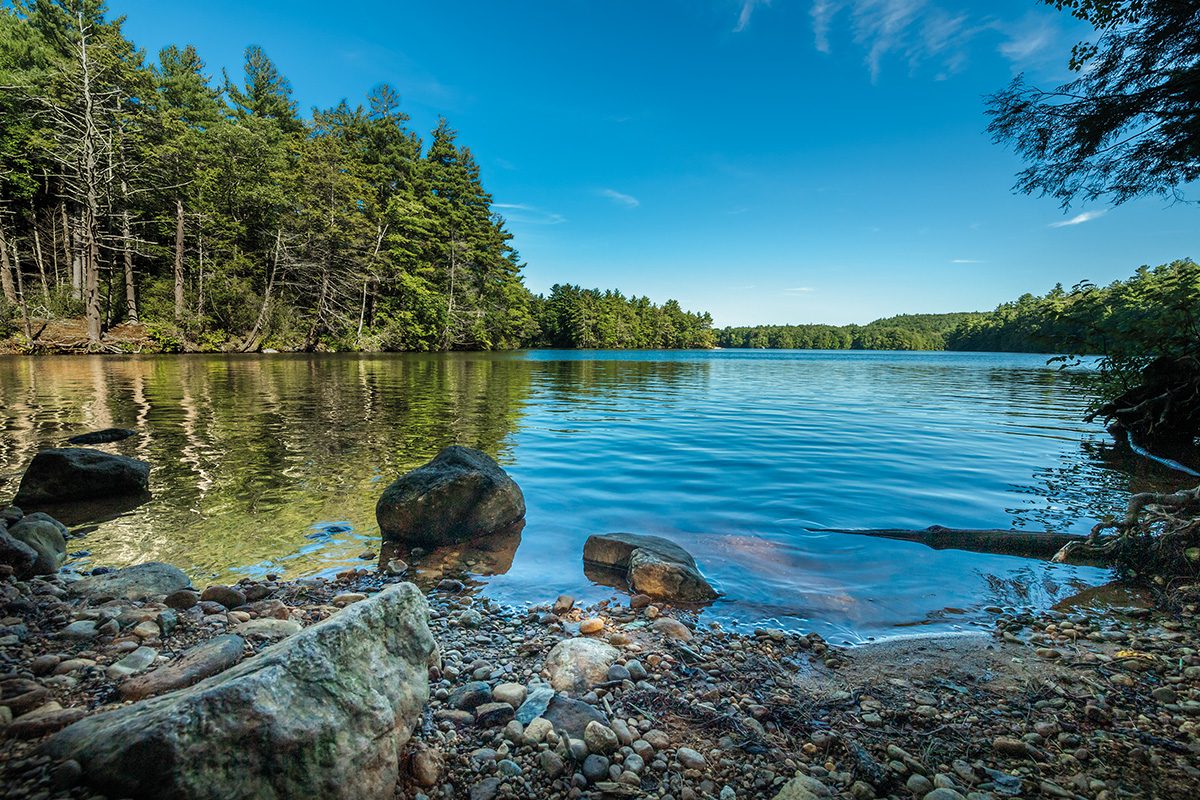
BETWEEN NEW YORK AND BOSTON LIES HARTFORD, the heartbeat of Connecticut. Visitors there can tour the Mark Twain House, Harriet Beecher Stowe Center, and the Wadsworth Atheneum Museum of Art. Beyond the city, trees and hills make way for fresh and coastal waters teeming with macro life.
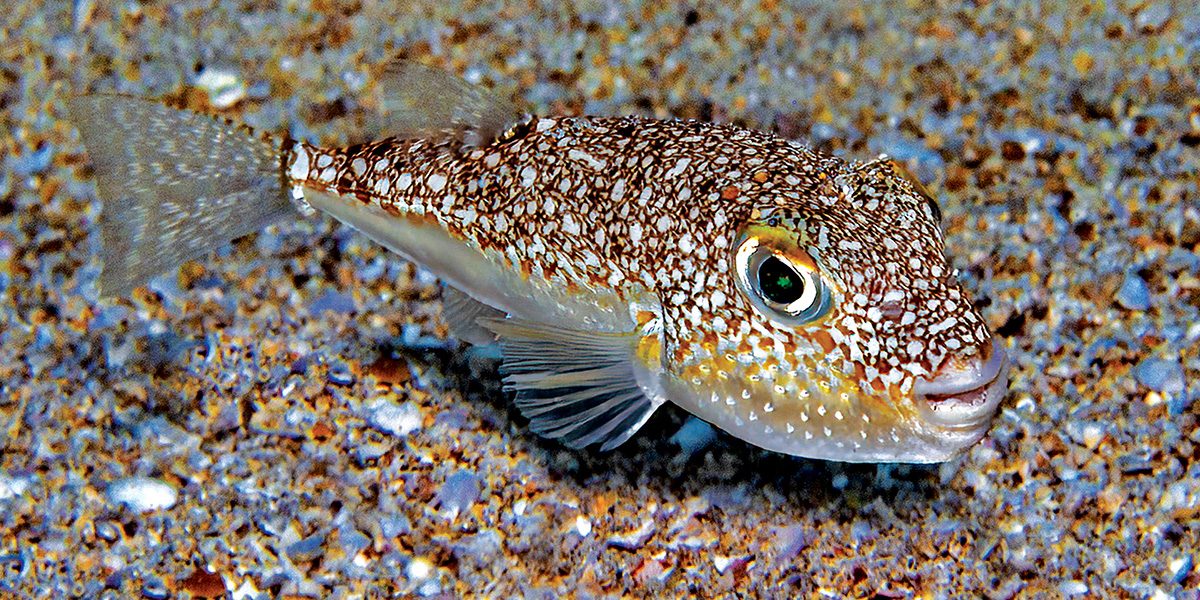
MANY JAPANESE DIVERS LOVE UNDERSEA CREATURES, particularly the home-grown varieties living in abundance along the country’s craggy volcanic coastlines and offshore islands. They also have an infatuation for the eccentric — the stranger the better.
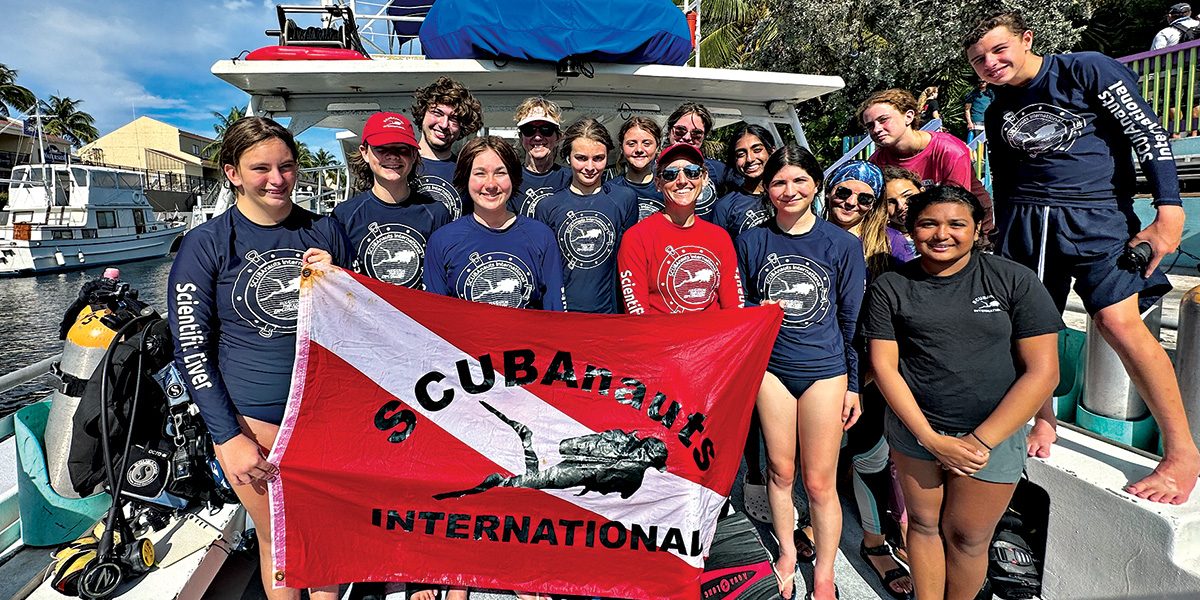
FOR MORE THAN 20 YEARS the nonprofit marine science education program known as SCUBAnauts International (SNI) has introduced young people ages 12 to 18 to informal science education through underwater exploration. While many youth organizations exist in the dive industry, this group’s scientific rather than recreational nature and its strong foundation in dive safety give SNI a unique identity.