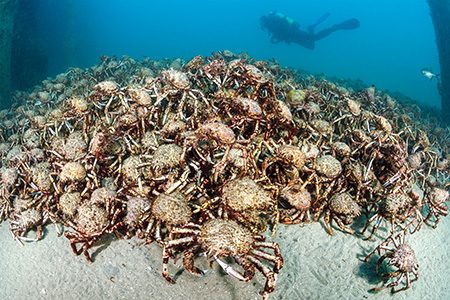
Era principios de junio, el inicio del invierno en el hemisferio sur, y un ejército acababa de llegar a su destino. Se había desplazado desde las profundidades del océano hacia las aguas poco profundas, acumulándose entre los pilotes en Blairgowrie Pier en la bahía Port Phillip, al sur de Melbourne, Australia.
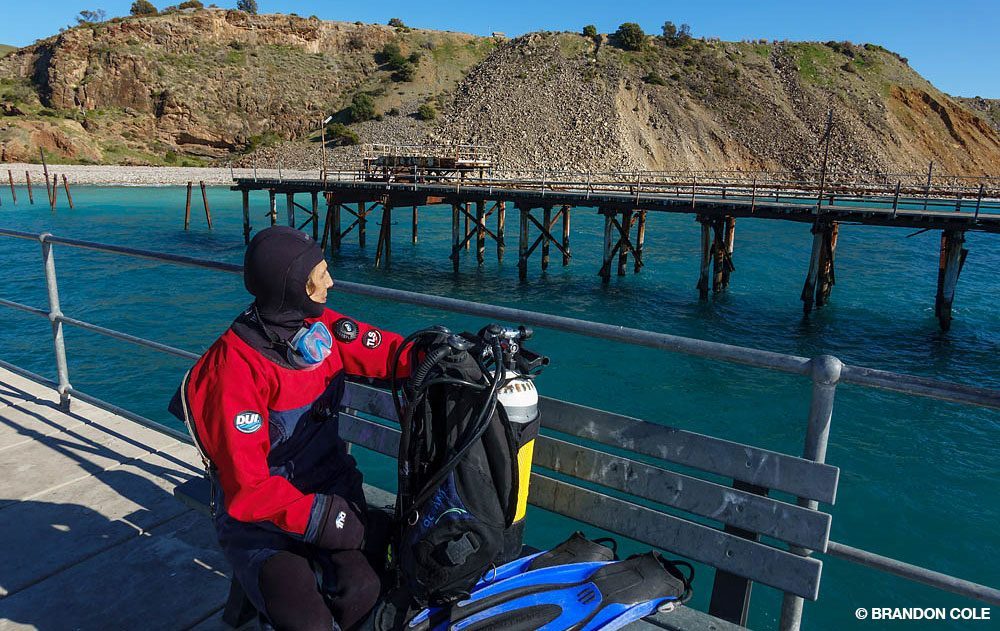
Por encima de la línea de flotación, las personas se relajaban en la estructura del muelle de hormigón de 282 metros (925 pies) de largo, haciendo picnics, pescando y señalando barcos de vela. La mayoría de ellas aparentemente no tenían conocimiento de la horda de crustáceos acampada a 3 a 6 metros (10 a 20 pies) debajo del espigón. Sin embargo, dos buzos conversaban con entusiasmo sobre cangrejos araña —y caballitos de mar de vientre grande, sepias gigantes y mucho más— mientras preparan su equipo y se colocan trajes de neopreno gruesos para ingresar al agua que estaba a una temperatura de 12 °C (54 °F).
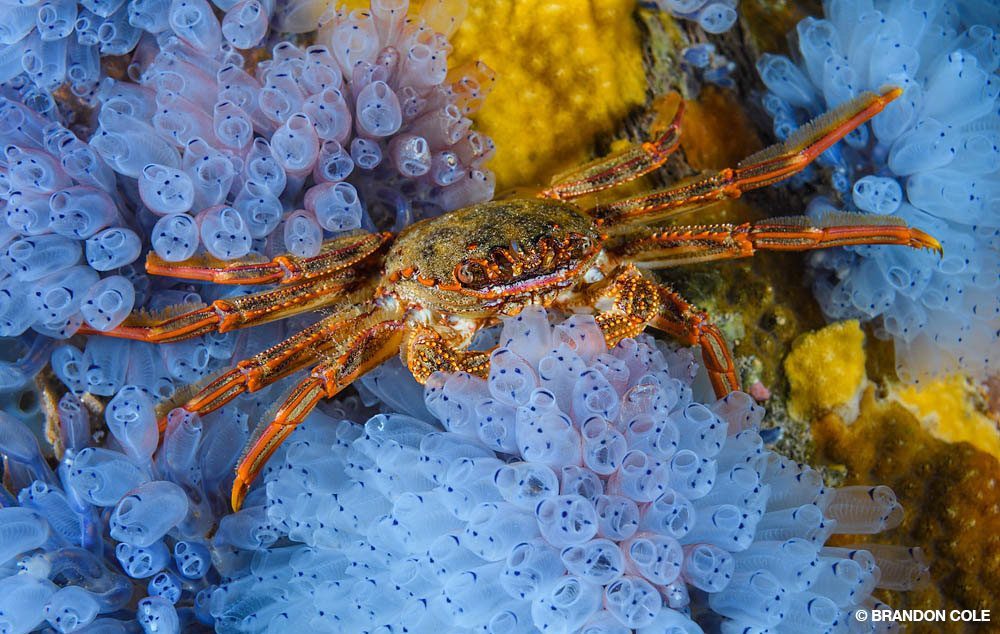
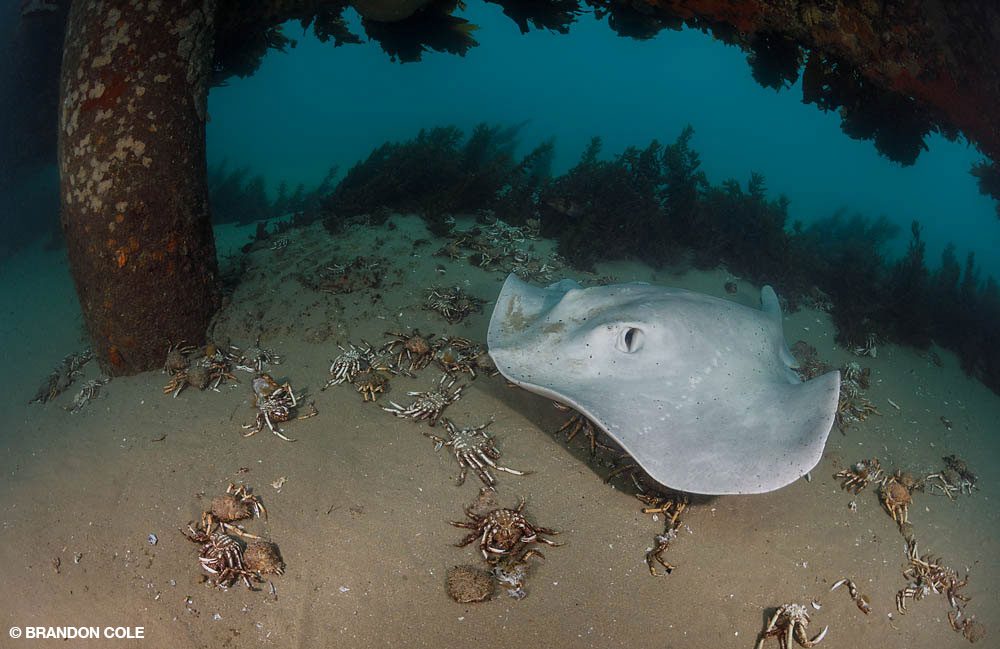
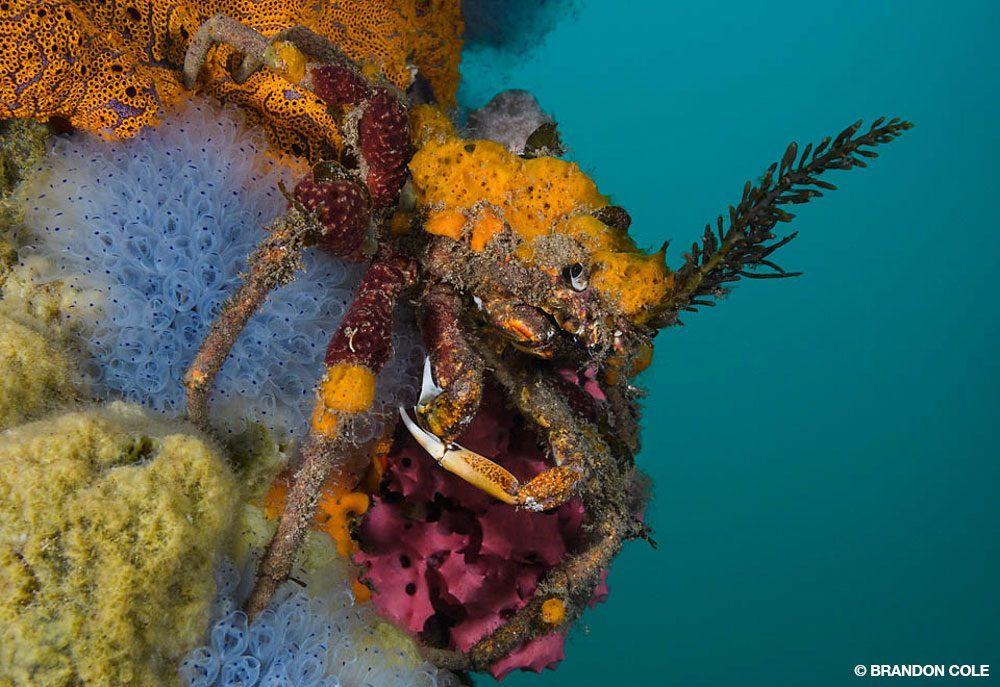
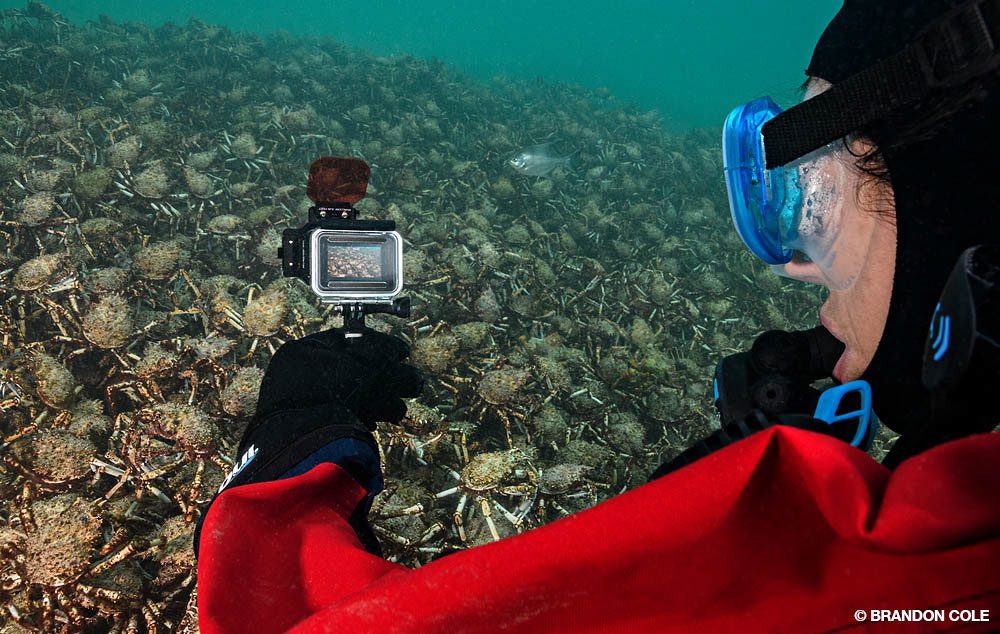
Miles de cangrejos araña con patas que se extienden 38 centímetros (15 pulgadas) se trepan unos sobre otros y forman montículos de hasta 10 cangrejos. Cada año se reúnen en masa de esta manera para mudar la piel. El proceso es un ejemplo extrañamente fascinante de la biología de los crustáceos donde una versión notablemente más grande del mismo cangrejo se arrastra lenta y torpemente hacia atrás para abandonar su viejo caparazón y surgir lleno de esperanza pero sumamente vulnerable. Su nuevo caparazón es peligrosamente blando hasta que se endurece y se convierte en la formidable protección acorazada que eventualmente le queda chica y abandona.
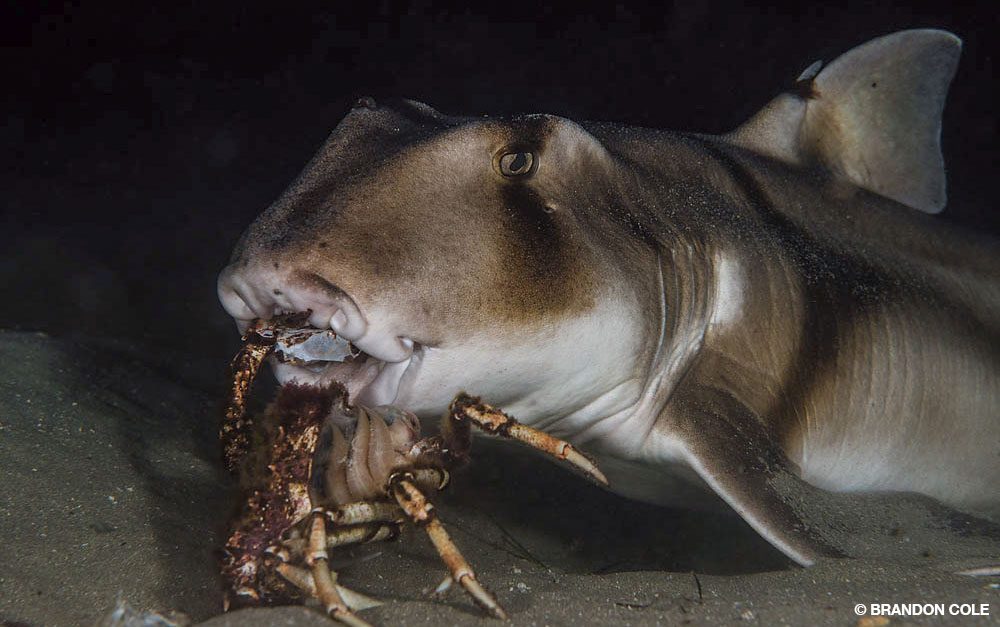
Los depredadores los están esperando. Tiburones de Port Jackson hambrientos y rayas negras de cola corta de 1,8 metros (6 pies) patrullan el muelle y programan su visita para alimentarse de tiernos cangrejos recién mudados.
Para los cangrejos araña, la supervivencia es una cuestión de números. El riesgo de ser escogido y comido es estadísticamente más bajo en una multitud de lo que sería estando por su cuenta, por lo que mudar la piel simultáneamente tiene sentido desde una perspectiva evolutiva. Los cangrejos astutos aparentemente saben que para tener la mejor oportunidad de sobrevivir, prosperar y regresar para volver a mudar la piel el año siguiente deben escapar del campo de matanza.
En cuanto sus tambaleantes patas pueden soportar su peso, los cangrejos se arrastran por el fondo arenoso y suben por los pilotes hacia la sombría seguridad de la parte inferior del muelle. Aquí se esconden y esperan hasta que su exoesqueleto se endurezca para que una vez más pueda desalentar la depredación de rayas y tiburones. Solo entonces es seguro descender hacia la arena, dejar el espigón y regresar a las profundidades.
Esta dramática prueba de la vida que se presenta en Planeta Azul II es una de las muchas maravillas que se pueden ver en los mares del sur de Australia. Explorar las aguas costeras templadas y poco profundas con equipo de buceo con aire comprimido y snorkel es más fácil y productivo con la presencia de muelles como Blairgowrie, los espigones de Rye y Portsea cerca de allí y docenas más que se extienden desde la costa en Victoria y el territorio aledaño del sur de Australia. Aunque fueron construidas para respaldar y facilitar intereses industriales y recreativos como transporte marítimo, navegación y pesca, las estructuras artificiales también proporcionan a los buzos un medio ideal para ingresar al agua descendiendo por las escaleras —sin necesidad de atravesar las olas y arriesgarse a sufrir alguna caída.
Los espigones son imanes de vida marina y se han convertido en vibrantes arrecifes artificiales. Una asombrosa variedad de invertebrados y peces, desde esponjas y estrellas de mar hasta caballitos de mar y peces vaca, han colonizado el metal, el hormigón y la madera con el paso del tiempo. En la actualidad, comunidades eclécticas de criaturas marinas llaman hogar a estos paisajes marinos únicos e híbridos.
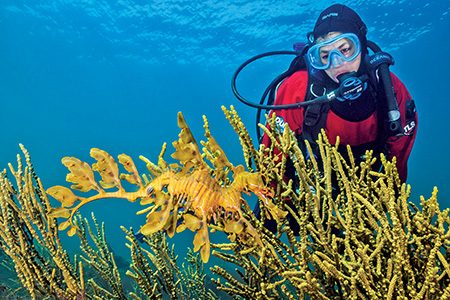
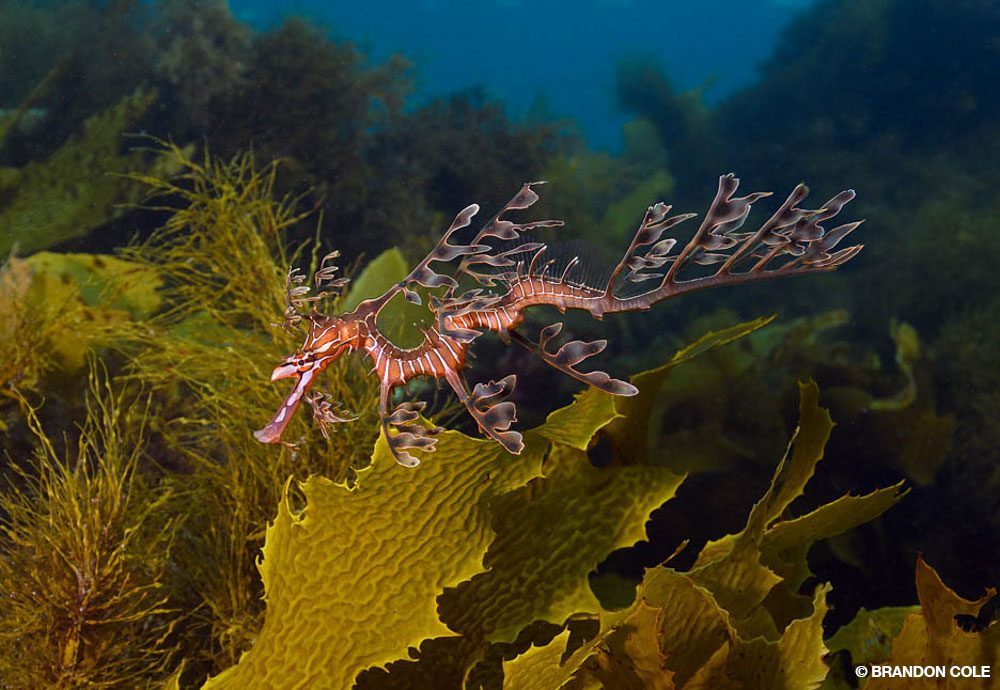
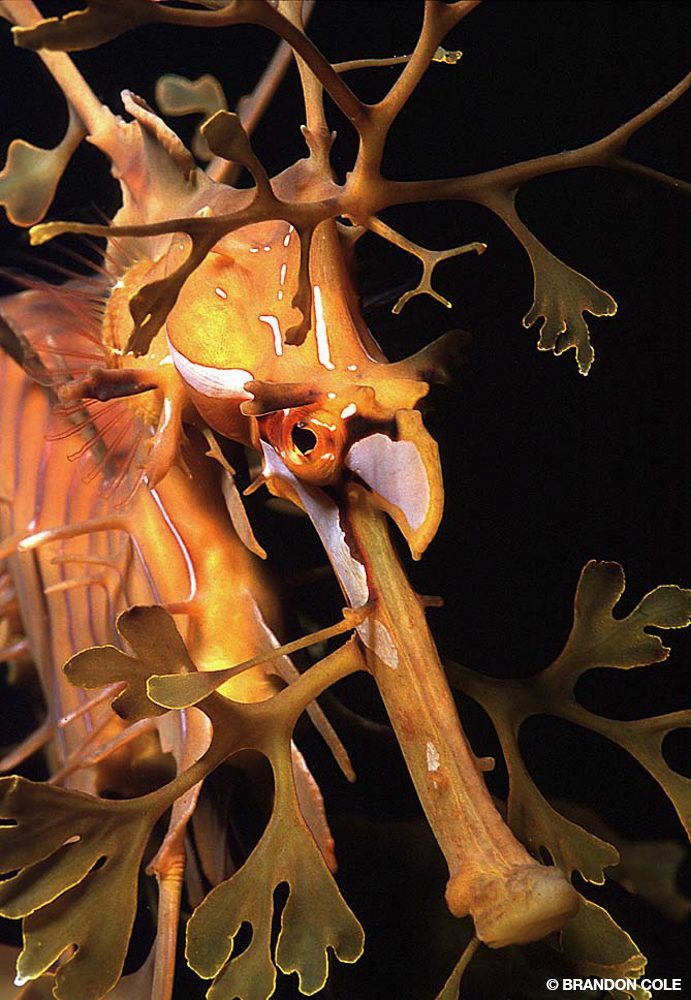
Algunas especies que viven debajo de los espigones son endémicas de las aguas australianas. Un ícono —y el emblema marino oficial del estado de Australia del Sur— es el dragón de mar foliáceo, un pez magistralmente camuflado con apéndices cutáneos que se asemejan a hojas. Encabezan las atracciones principales en los espigones de Rapid Bay y Second Valley en la península de Fleurieu al sudoeste de Adelaida. Los buzos de ojos perspicaces que buscan diligentemente pueden divisar a los primos de los caballitos de mar de 25 a 38 centímetros (10 a 15 pulgadas) de largo escondidos a la vista de todos entre el kelp y los pastos marinos que crecen debajo y a lo largo de estos y otros muelles.
Los dragones de mar foliáceos se alimentan principalmente de pequeños crustáceos llamados mísidos, succionándolos dentro de sus bocas con hocicos en forma de tubo. La paternidad es un trabajo en equipo: una hembra transfiere 200 a 300 huevos a su pareja, colocándolos debajo de la cola del macho. Después de la fertilización, el macho lleva las crías en desarrollo hasta que nacen, y luego los diminutos dragones de mar deben partir valientemente hacia el gran mar azul.
Los buzos pueden participar en la ciencia ciudadana mediante el intercambio de sus fotos submarinas de dragones de mar con organizaciones que catalogan a estos impresionantes peces. Las distintivas marcas en el cuerpo y los patrones de ramificación de los apéndices cutáneos ayudan a los biólogos a identificar a dragones de mar individuales y realizar un seguimiento en el tiempo. Los proyectos de monitoreo a largo plazo en Rapid Bay han revelado que algunos dragones de mar son residentes, incluso un individuo apodado Wishbone que han visto allí reiteradamente durante siete años. Existe un programa de identificación similar para dragones de agua, que son parientes cercanos de los dragones de mar foliáceos. Los buzos pueden encontrar dragones de agua regularmente en Flinders Pier en la costa sur de la península de Mornington.
La construcción de un espigón forma un nuevo hábitat submarino que atrae vida marina. El muelle original de Rapid Bay fue construido en 1940 para facilitar la carga de buques que exportaban piedra caliza obtenida de una cantera cercana. Dejó de funcionar en 1998, pero en la actualidad hay un legado diferente que perdura debajo de las olas.
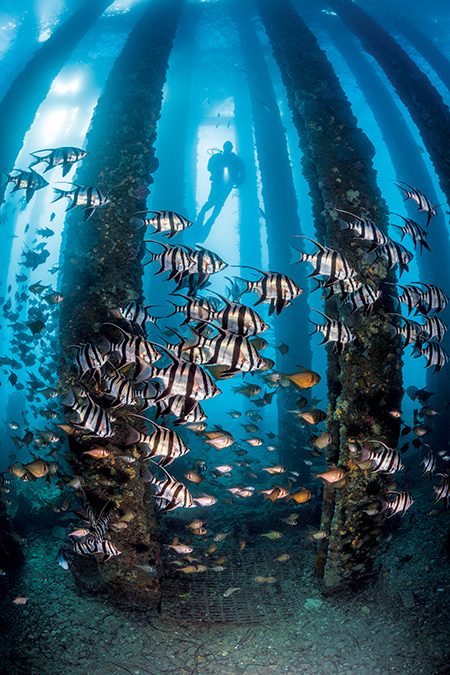
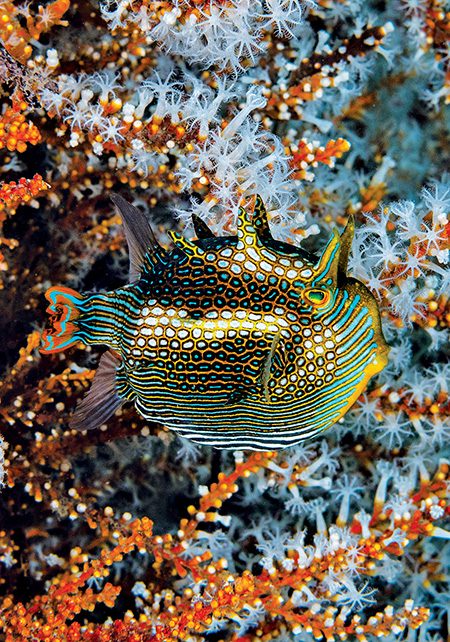
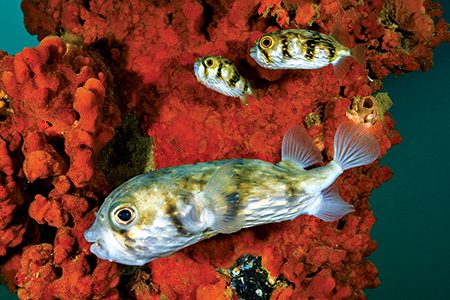
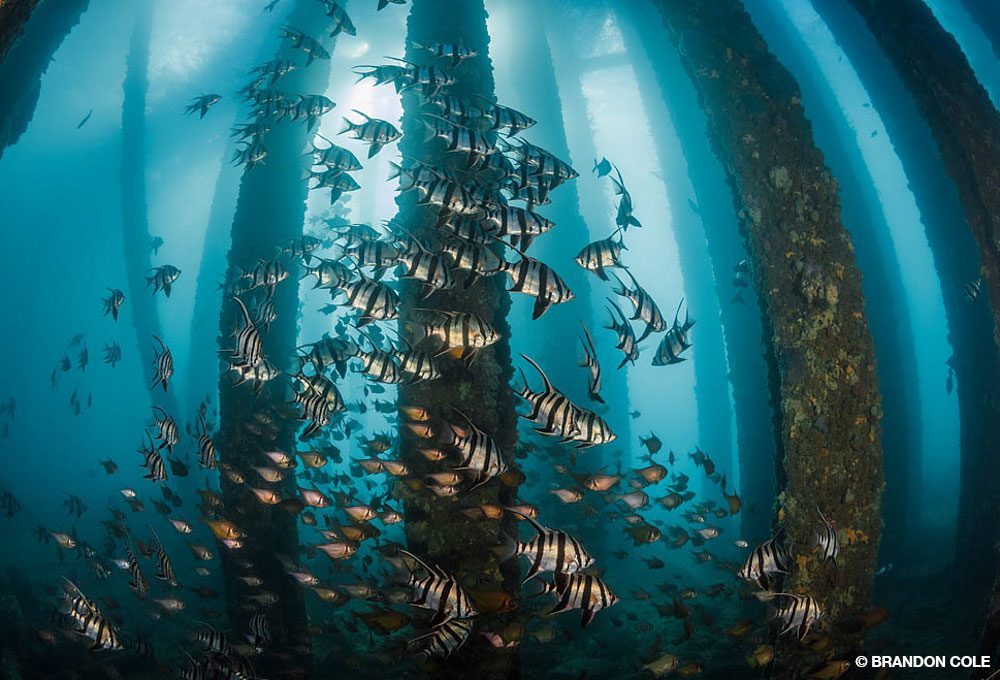
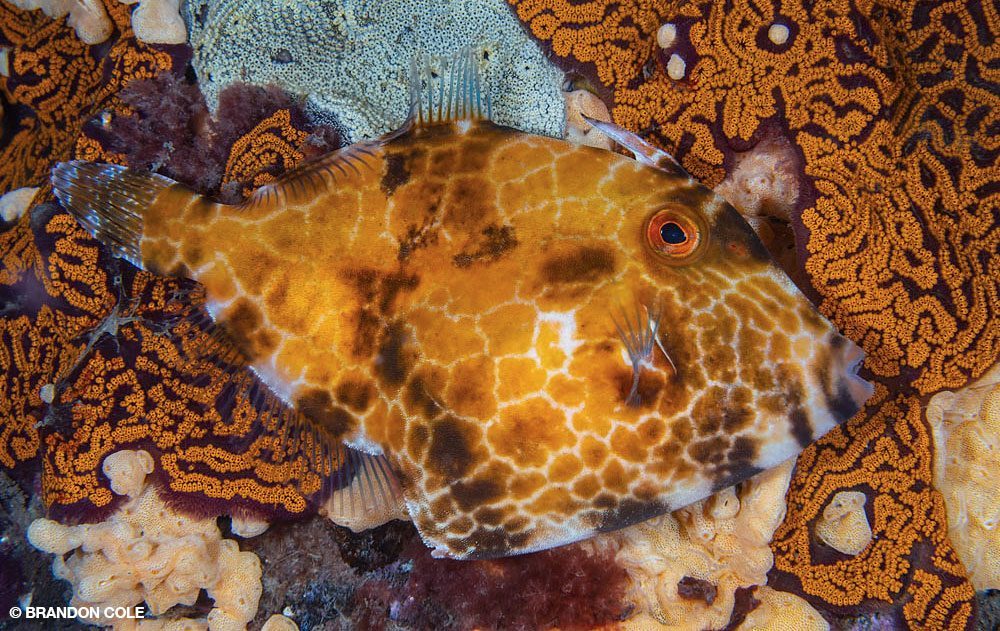
En este espigón se han registrado más de 50 especies de peces, lo que muestra una mayor biodiversidad y abundancia que las llanuras de arena mayormente inhóspitas adyacentes al muelle. Cardúmenes de viejas esposas y peces limpiadores se desplazan libremente entre el bosque de pilotes del muelle. Peces globo, cofres de Shaw (Aracana aurita) y gallos mosaico (Eubalichthys mosaicus) permanecen cerca de los soportes verticales. Rayas violinistas se deslizan sobre la arena, en busca de gusanos, moluscos y crustáceos, mientras bacaladillas azules prefieren los lechos de pastos marinos, que son hábitats importantes para muchos invertebrados y peces más pequeños.
Los lechos de pastos marinos son criaderos fundamentales para muchas especies. Las plantas mejoran la calidad del agua en el área y benefician el ecosistema al funcionar como un sumidero de nutrientes y la base de una red de detritos para bacterias y animales. Los pastos marinos son plantas marinas con flor capaces de realizar la fotosíntesis que normalmente crecen en bahías protegidas poco profundas. Las plantas verdes pueden desarrollarse muy bien junto al espigón porque la estructura del muelle reduce la erosión del sustrato blando causada por la acción de las olas.
Los afloramientos de aguas ricas en nutrientes transportadas en las corrientes de Leeuwin y Flinders se encuentran y se mezclan en Rapid Bay Jetty y sustentan la vida marina. No es de extrañar que este sea un punto favorito de los buzos a lo largo de la costa sur de Australia o que atraiga a gente de todo el mundo. Hablar con lugareños en tiendas de buceo cercanas es una excelente manera que tienen los visitantes para reunir información sobre puntos de entrada, condiciones del agua, ubicación de criaturas, zonas sin buceo y peligros para este espigón y otros.
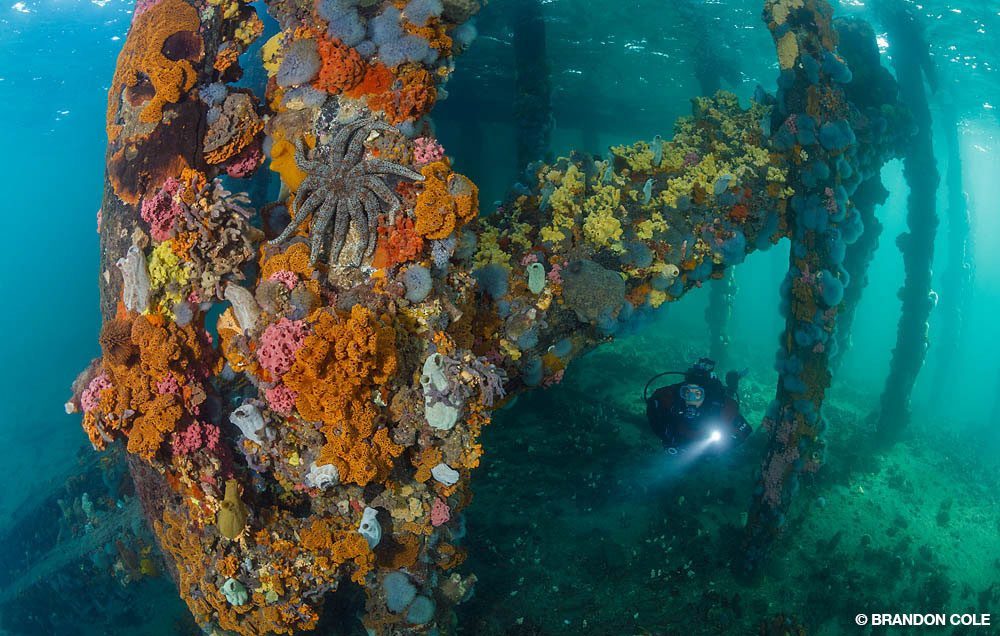
Las estructuras de los muelles transforman sitios de fondos blandos planos o ligeramente inclinados en hábitats tridimensionales más complejos y ecológicamente dinámicos. La estructura es el catalizador, los cimientos sobre los que se construye la abundancia de vida. Un sustrato rígido como roca, metal y hormigón es limitado bajo el agua y representa un espacio valioso. Los organismos sésiles, lo que incluye esponjas, tunicados y briozoos, necesitan un sustrato firme para que las larvas plantónicas errantes puedan establecerse fuera del agua, adherirse y crecer hasta convertirse en adultos. El ecosistema combinado de espigón y arrecife ofrece este beneficio, lo que permite que estos organismos prosperen.
Edithburgh Jetty yace sobre el golfo Saint Vincent, frente a Rapid Bay. Dada su posición en el extremo sureste de la península de Yorke y las bajas profundidades del lecho marino de 3 a 9 metros (10 a 30 pies), Edithburgh está expuesto a fuertes vientos y olas del sur y del este. No obstante, cuando las condiciones son tranquilas, este es un punto de buceo sencillo y gratificante para naturalistas observadores de criaturas y fotógrafos submarinos. Los pilotes y los travesaños horizontales del muelle resplandecen con una rica variedad de invertebrados incrustantes de color naranja, rosa, amarillo y azul brillante. Estas colecciones policromáticas abarcan diversos organismos filtradores, con esponjas, tunicados y briozoos como los ejemplos más destacados.
Los caracoles, cangrejos, camarones, poliquetos, estrellas de mar y peces están entre los grupos de organismos filtradores. La presencia de esponjas, tunicados y briozoos crea hábitats adicionales. Recovecos y rincones en el tapiz viviente conjunto unido a la estructura del espigón ofrecen abundante espacio habitable para otros organismos. Este microecosistema dentro del ecosistema de espigón y arrecife más grande alberga su propia comunidad de animales que realizan sus actividades diarias como refugiarse, alimentarse, reproducirse y competir.
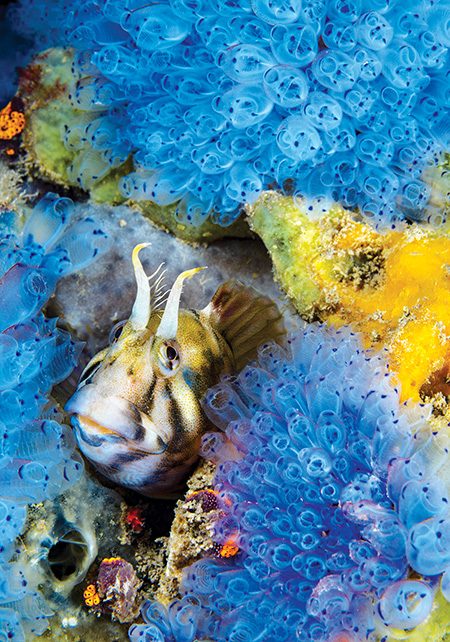
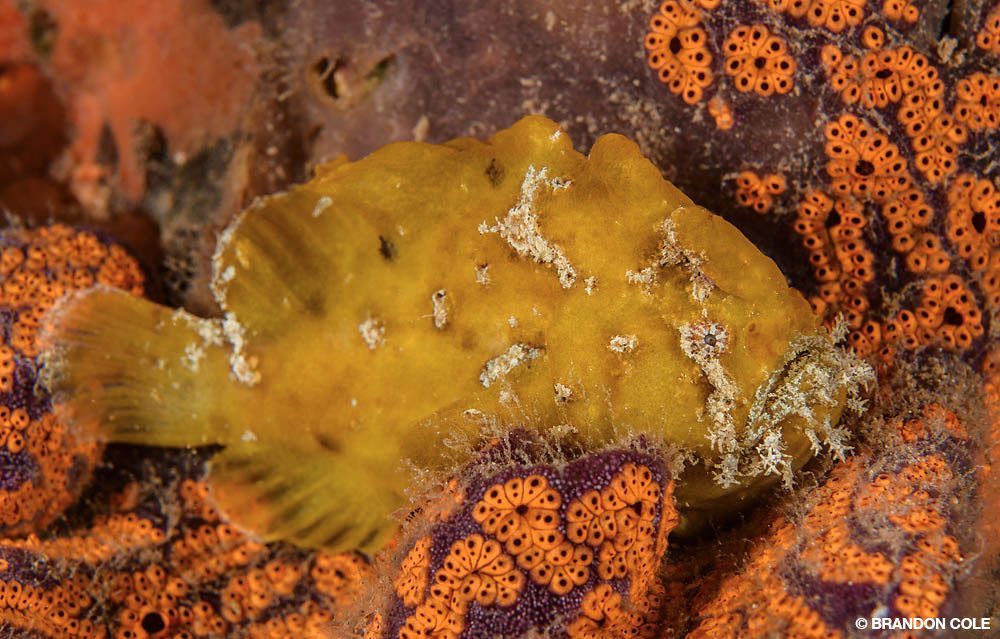
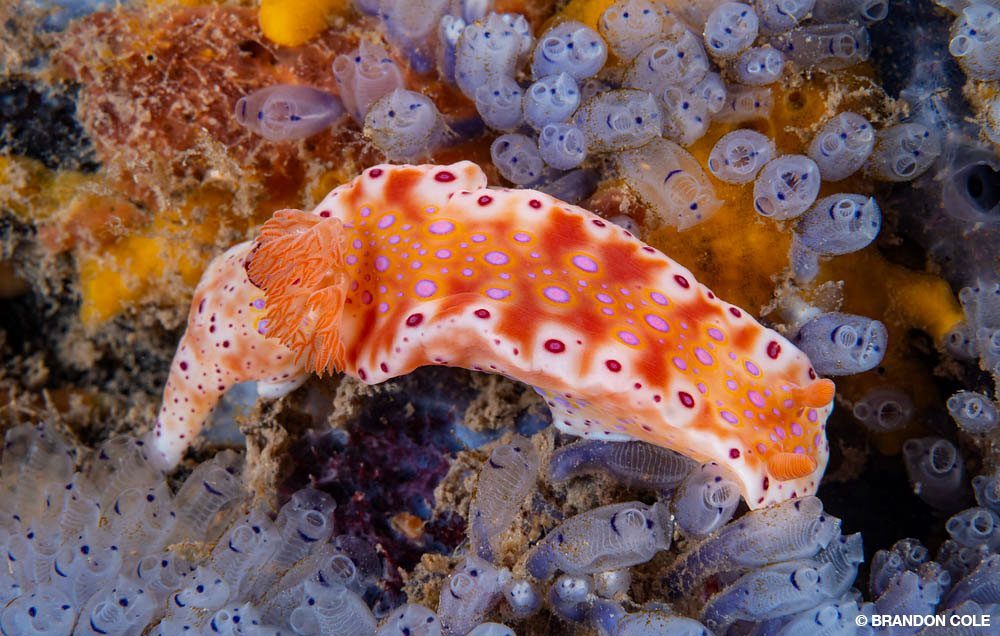
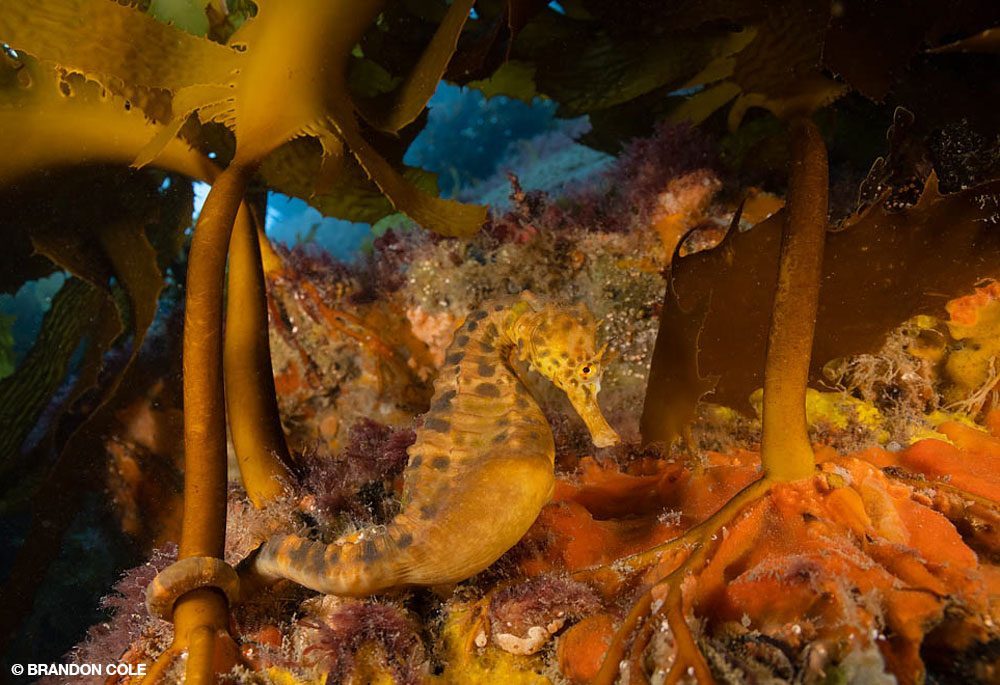
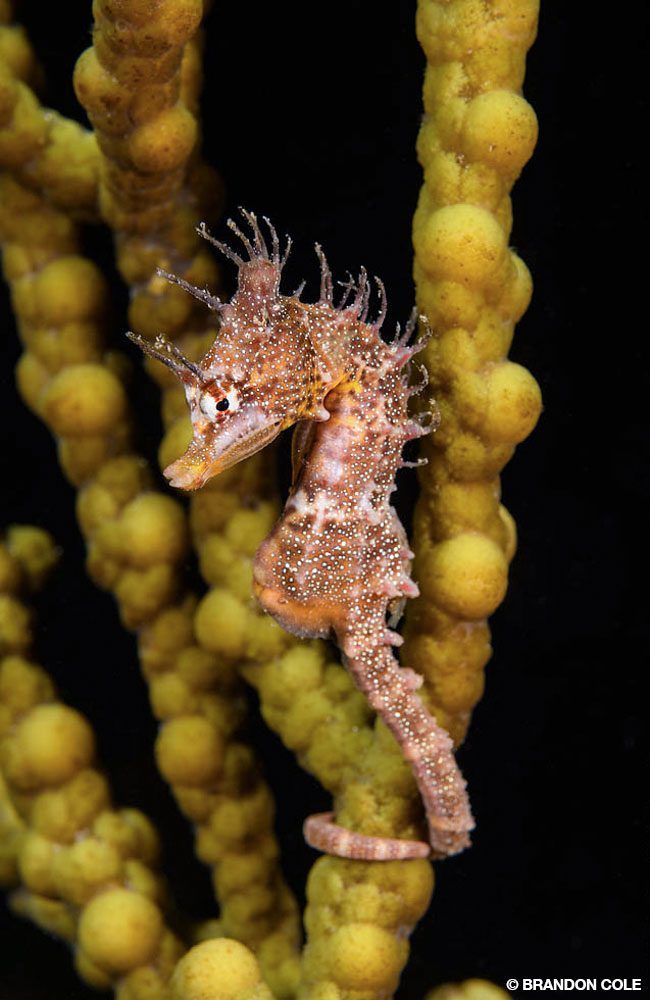
Los buzos pueden descubrir hermosos nudibranquios, elegantes gusanos plumeros con sus tentáculos para alimentarse extendidos y una variedad de cangrejos, incluso cangrejos esponja ocultándose de los depredadores debajo de sombreros de gran tamaño hechos de tunicados. Cómicos y carismáticos blenios cornudos de Tasmania observan desde sus madrigueras, rodeados por colonias de tunicados azules (Clavelina moluccensis). Peces sapo de aspecto severo, como peces sapo de manchas blancas y enigmáticos peces sapo teselados, esperan pacientemente preparados para acechar. Vale la pena buscar con esmero en los lechos de algas justo al sur de Edithburgh Jetty con la esperanza de ver caballitos de mar cortos y peces pipa del golfo del sur colgados y deslizándose por el sargazo y las algas.
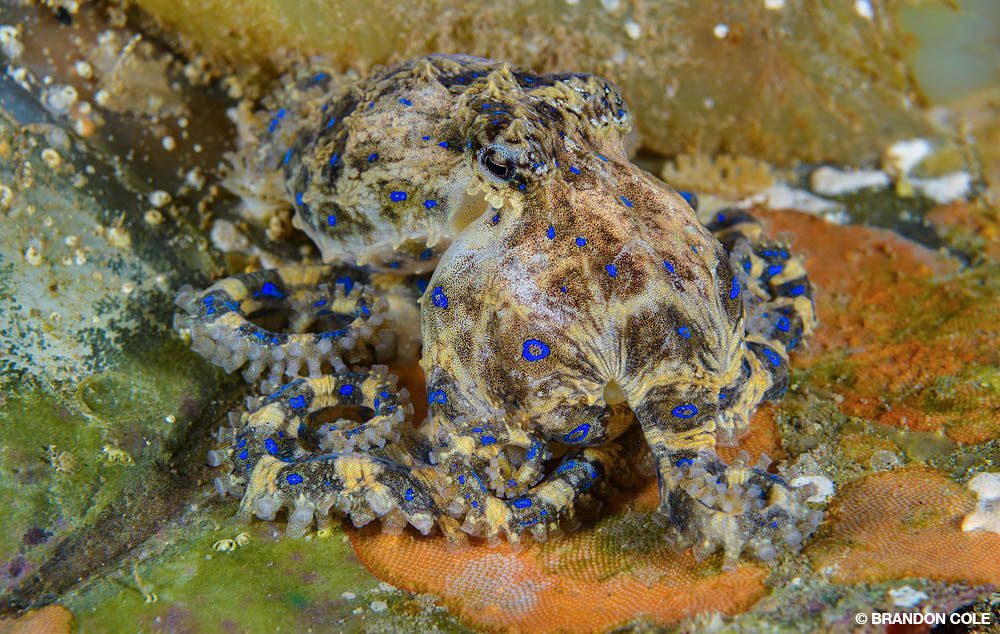
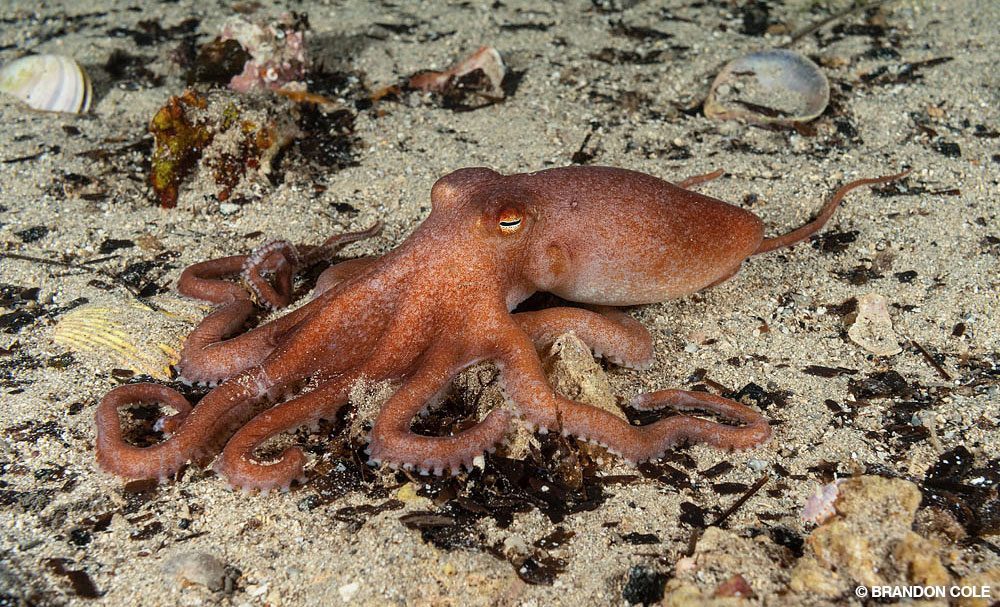
Hacia el norte, lechos de pastos marinos y crustáceos mezclados son excelentes lugares para encontrar un pulpo de anillos azules del sur. Esta peligrosa belleza tiene una neurotoxina venenosa para inmovilizar a su presa, principalmente cangrejos. Su veneno paralizante es extremadamente potente y lo suficientemente fuerte como para dañar a los humanos. En efecto, hay personas que han fallecido tras haber sido mordidas por este pequeño pulpo, cuyos tentáculos normalmente se extienden 20 centímetros (8 pulgadas) o menos. Afortunadamente, no son agresivos y no suponen un riesgo para las personas que los admiren desde una distancia prudente. Estos pulpos a menudo se refugian dentro de navajas del Pacífico muertas (moluscos bivalvos), metiendo sus cuerpos increíblemente flexibles dentro de una estrecha abertura entre las conchas de la almeja.
Ninguna expedición de búsqueda de tesoros debajo de espigones australianos, en especial Edithburgh, está completa sin husmear un poco después de la puesta del sol. Si bien muchas de las criaturas diurnas que se observan desplazándose durante las horas del día estarán durmiendo, los habitantes nocturnos del vecindario estarán bien despiertos y en su momento de mayor actividad. Estas criaturas abandonan sus escondites en los invertebrados incrustantes sobre los pilones y debajo de las conchas de navajas del Pacífico muertas diseminadas en el fondo para cobrar protagonismo debajo del muelle. Otras emergen de la arena donde se enterraron para pasar las horas del día.
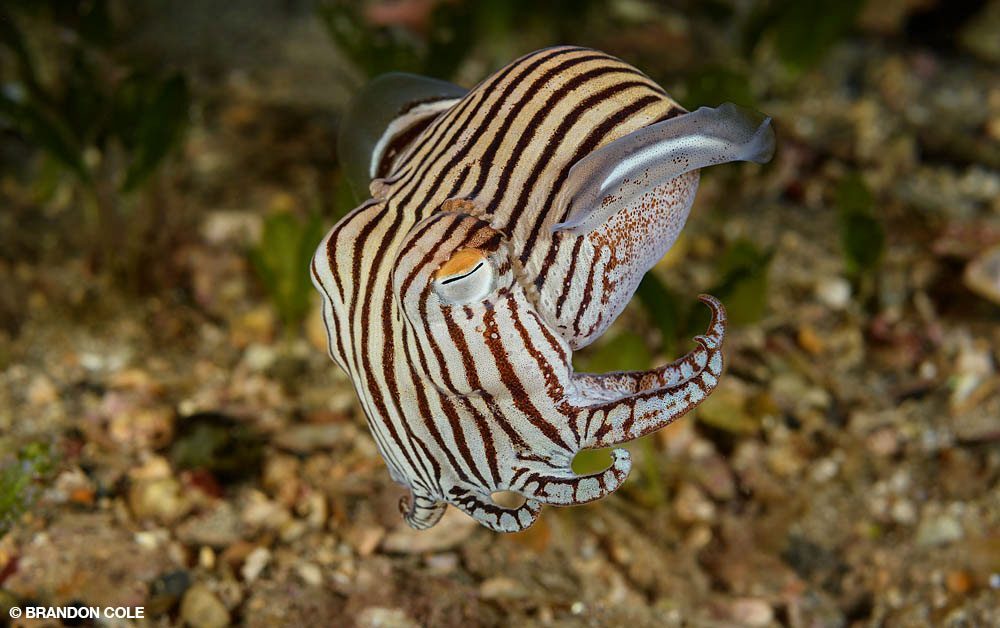
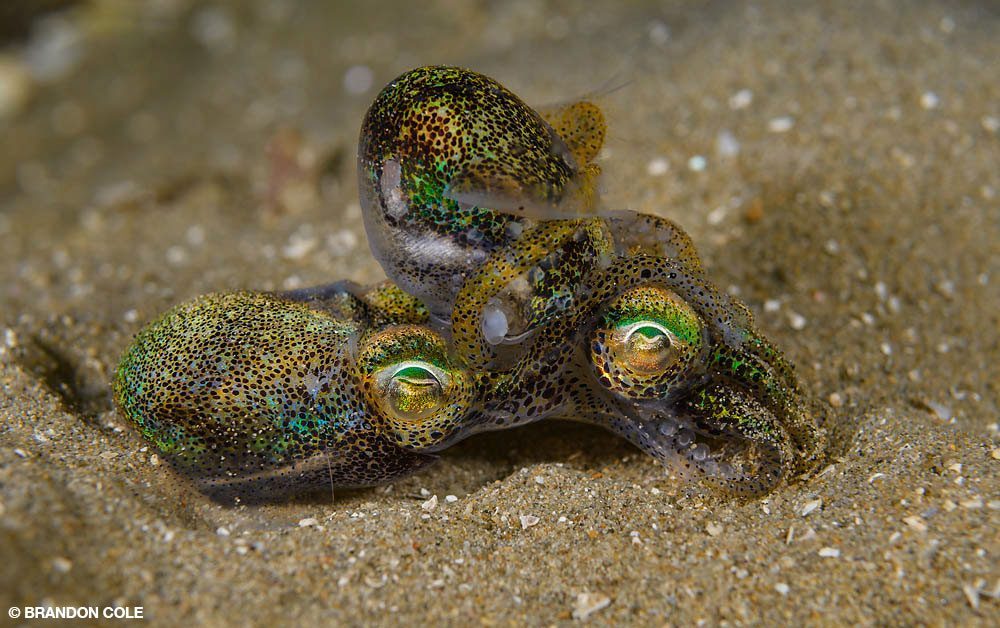
La noche es el momento adecuado para encontrar cefalópodos. Una vez conté siete especies durante un buceo nocturno de dos horas en Edithburgh, incluso un pulpo de anillos azules, pulpos de arena del sur, sepias "bobtail” apareándose y un calamar de pijama rayado.
Todos son animales maravillosos, pero el calamar de pijama rayado merece especial atención. Se parece a un malvavisco con ojos y un uniforme de prisión. Las glándulas en la parte inferior de su cuerpo regordete de 7,6 centímetros (3 pulgadas) producen una mucosidad venenosa. El calamar de pijama normalmente se arrastra por la arena, pero puede nadar torpemente por la columna de agua por propulsión a chorro, para lo que succiona agua hacia la cavidad paleal y luego la expulsa con fuerza.
En las tierras australianas hay muchas cosas extraordinarias que esperan ser descubiertas debajo de los espigones.
Explore Más
Vea más de la vida marina debajo de los espigones del sur de Australia en estos videos y la galería de fotos.
© Alert Diver — Q1 2024