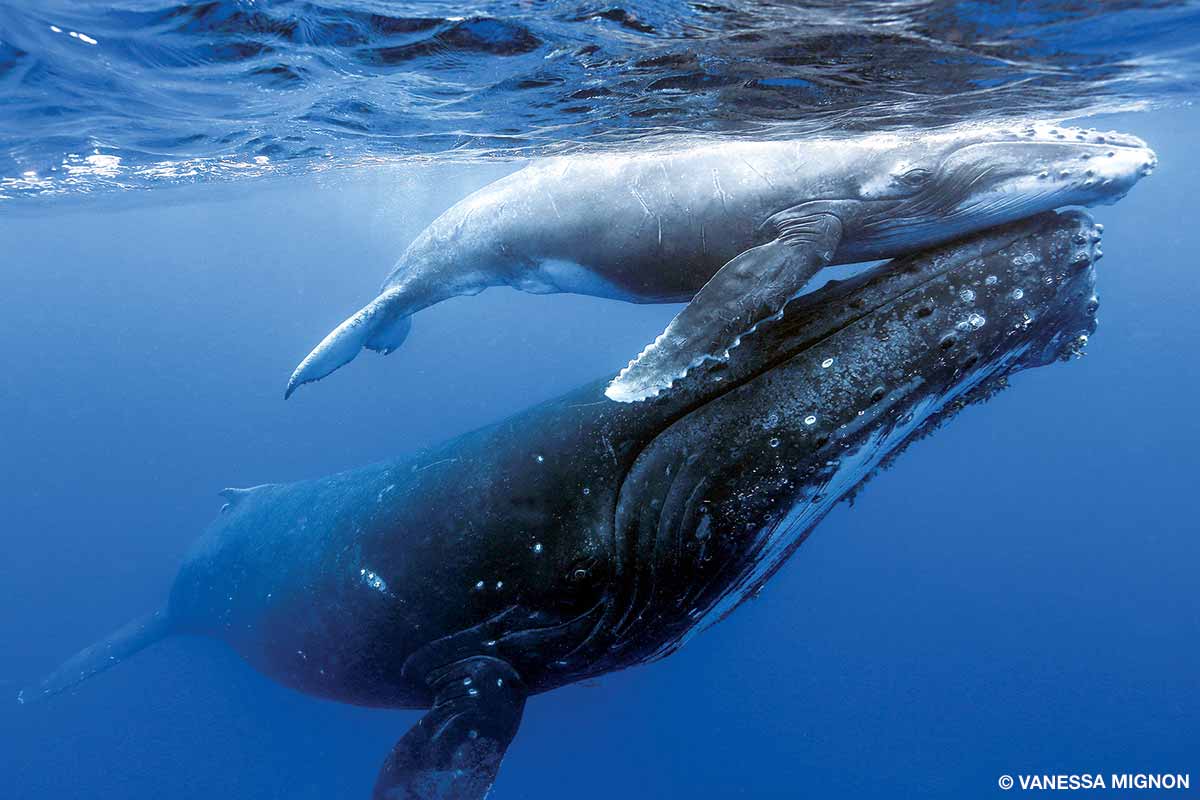
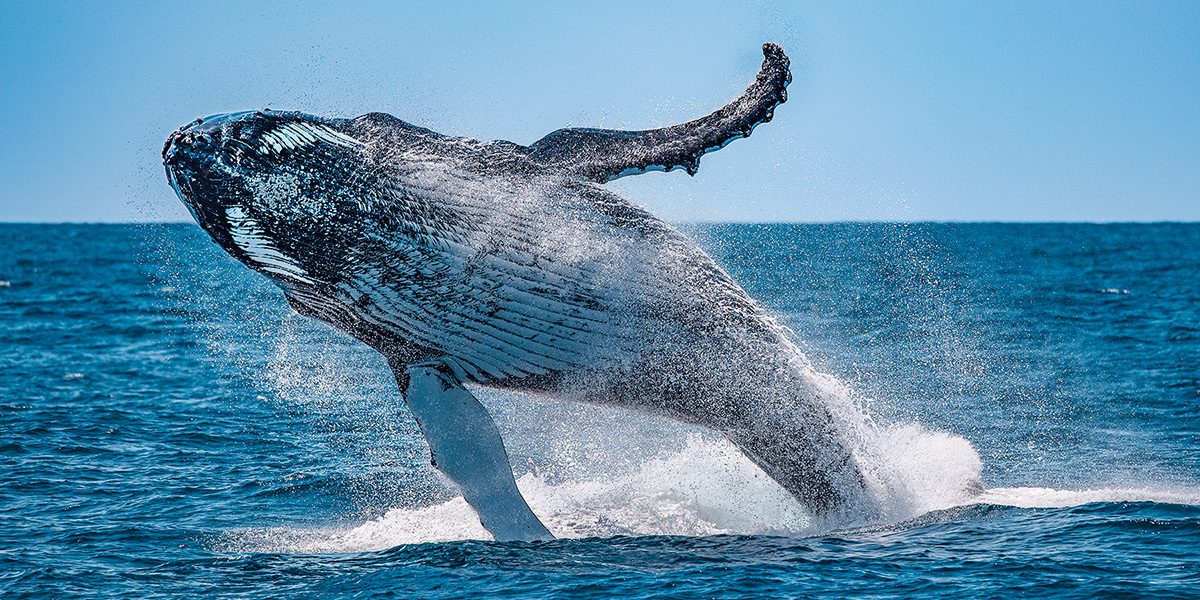
Humpback whales feed in polar waters during the summer and then migrate to tropical or subtropical waters to breed during winter. Various locations offer seasonal whale-watching, but swimming with them is legal in only a few places — Tonga is one of them. Every year its warm and sheltered waters provide a nursery for the whales, which gather there between July and October after a long migration from Antarctica.
VOYAGER À TRAVERS LES FJORDS et sur les rivières a toujours été une partie importante de la vie en Norvège et en Scandinavie. Assister à la beauté des couchers de soleil depuis les premières loges sur les fjords ou suivre les aurores boréales qui dansent dans les sombres nuits d'automne et d'hiver sont des expériences à ne pas manquer. Découvrir ce qui se cache sous la surface sombre des insondables royaumes sous-marins est tout aussi fascinant pour les visiteurs qui choisissent de faire de la plongée en Norvège.
When you get off the boat on Sabang Beach, near Puerto Galera on Mindoro Island in the Philippines, a sign that reads “Welcome to Sabang, Your Gateway to the Center of the Center of Marine Biodiversity” greets you. That phrase defines the diving in the region, as you will not find more fish species anywhere else on Earth.
Explore the journey of Turning Dreams to Reality. Discover how Henley Spiers transformed his career from corporate to ocean adventure.
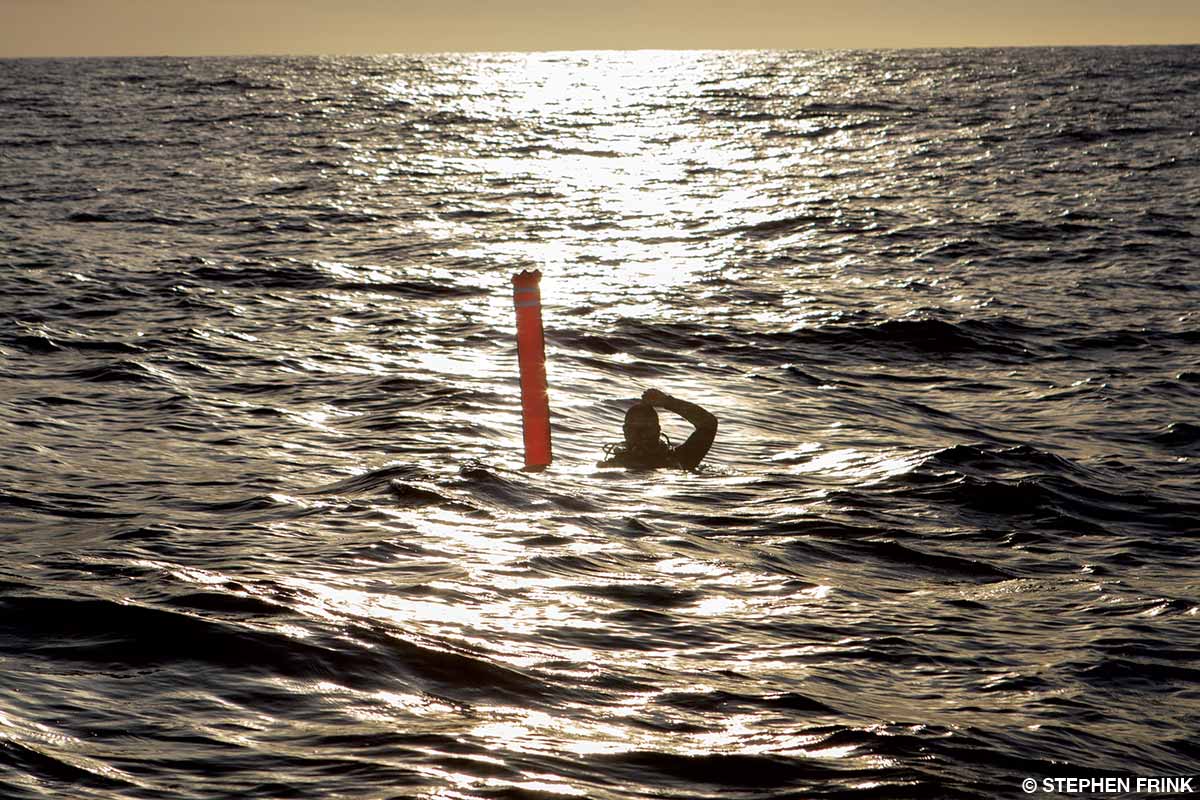
Calling a dive is not as easy as just giving the thumbs-up signal. There are steps to follow after the signal to cancel a dive. The dive briefing should cover these procedures, and the greater the dive’s potential risk, the more attention to detail the procedures and briefing should have to make calling the dive happen as safely as possible.
UN PAYSAGE AUTRE que le nôtre se trouve sur la côte occidentale de l'Australie, là où l'outback rouge rencontre le bleu irisé de l'océan Indien. Ce lieu magique est le récif de Ningaloo, ou Nyinggulu dans la langue aborigène locale.
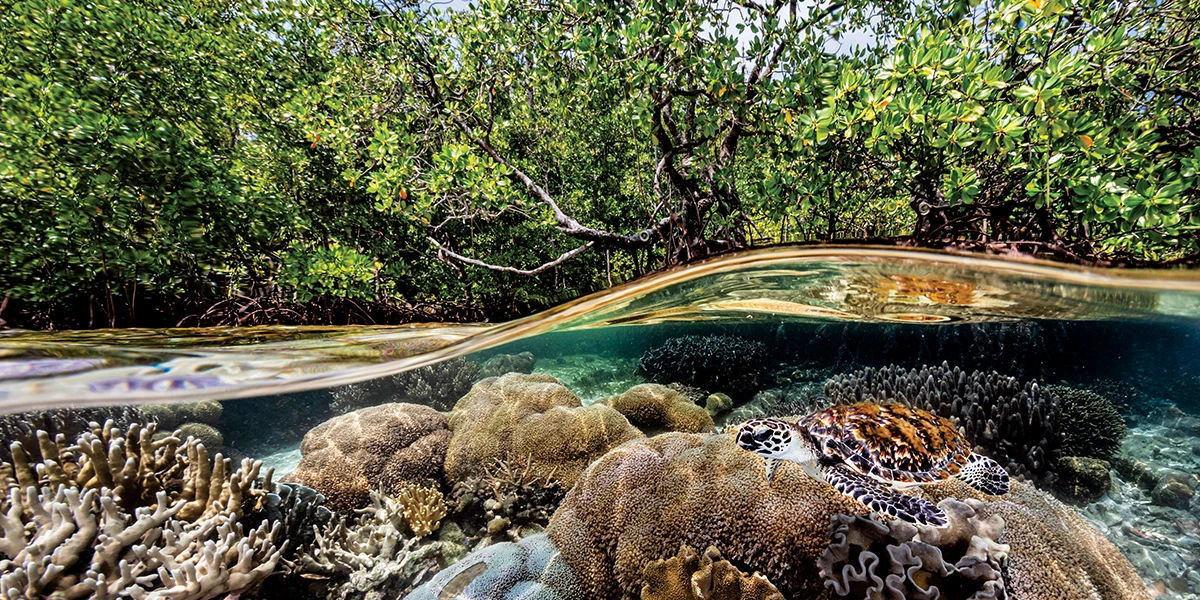
Mangroves matter. They are unique, complex habitats that guard shorelines. They connect the land to the sea, house a diverse range of animal and plant life, and reduce the impacts […]
“It has been said that the love of the chase is an inherent delight in man — a relic of an instinctive passion.” — Charles Darwin, The Voyage of the Beagle […]
It’s not every day you can witness the inner workings of our planet by taking a live look under the hood at the engine of creation. Some scientists claim that life on Earth began from hydrothermal vents in the ocean’s abyssal reaches. That realm is much deeper than where I float now, but otherwise it’s […]
LA QUESTION LA PLUS FRÉQUENTE que les gens nous posent au sujet de nos années de voyages de plongée concerne notre endroit préféré pour plonger. Il s'agit d'un sujet délicat, surtout lorsque l'on visite un centre de villégiature dont le personnel résident ou la direction se trouve à proximité. Nous répondons immanquablement : "Là où nous plongeons en ce moment".