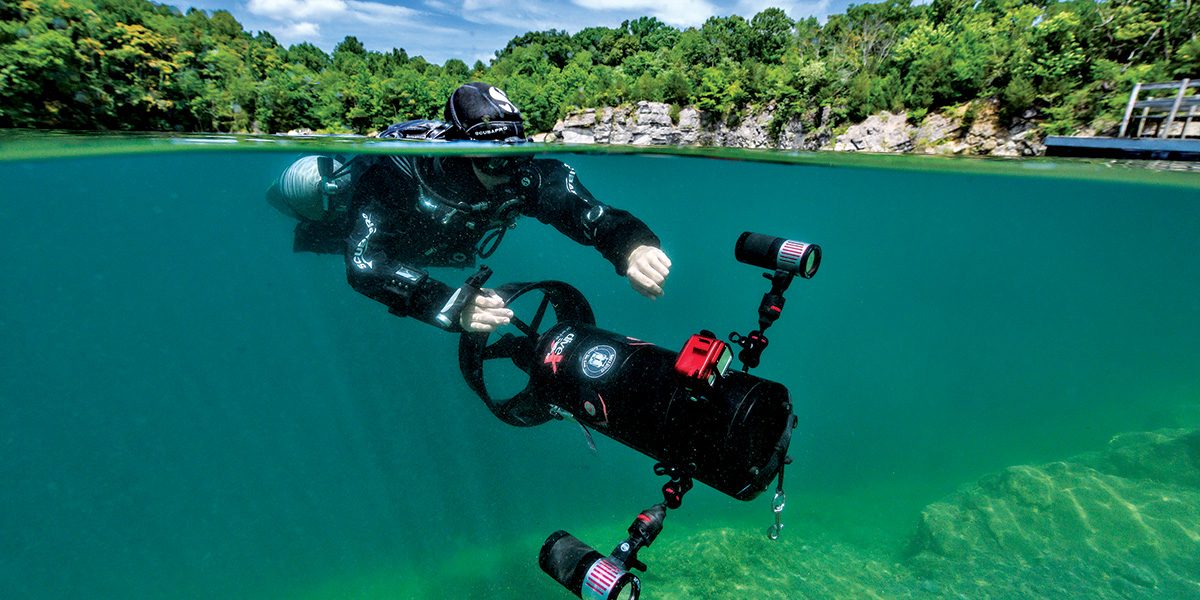
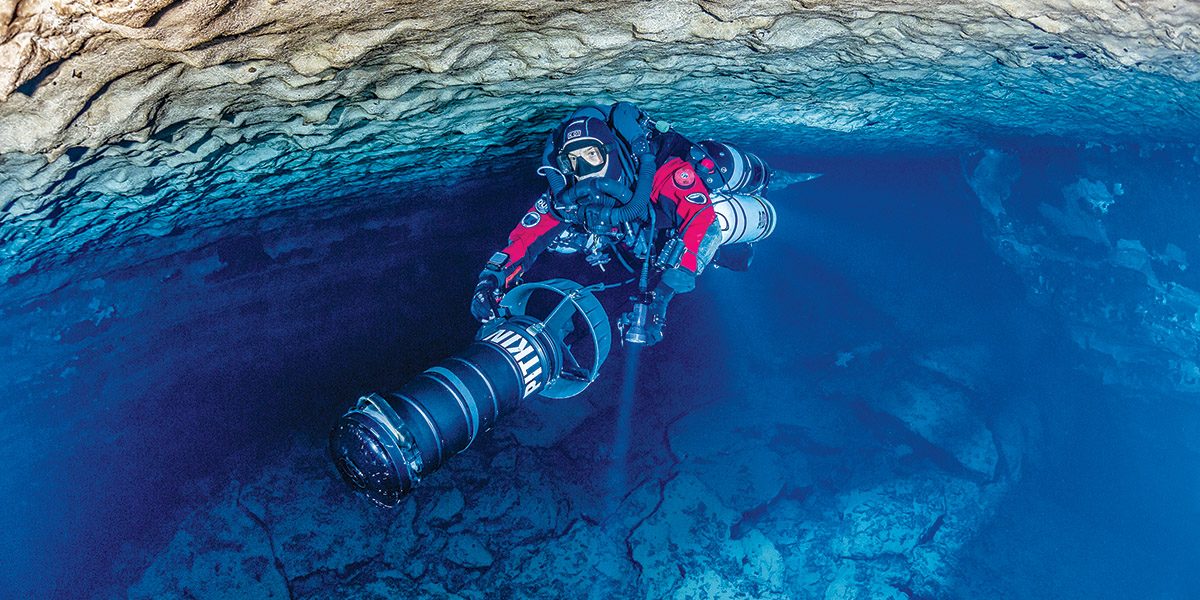
L'éclairage de plongée est un équipement essentiel qui peut être utile à tous les plongeurs lors de la plupart des plongées. Il existe plusieurs types d'éclairages avec des utilisations différentes et quelques considérations clés à prendre en compte avant l'achat. Il n'existe pas d'approche unique en matière d'éclairage de plongée. Chaque plongeur doit donc examiner attentivement ses propres objectifs et besoins avant de choisir le modèle le plus utile.
Chaque année, de nouvelles technologies améliorées font leur apparition dans l'industrie de la plongée. Ces progrès peuvent rendre la plongée plus sûre, plus agréable, ou parfois les deux à la fois.
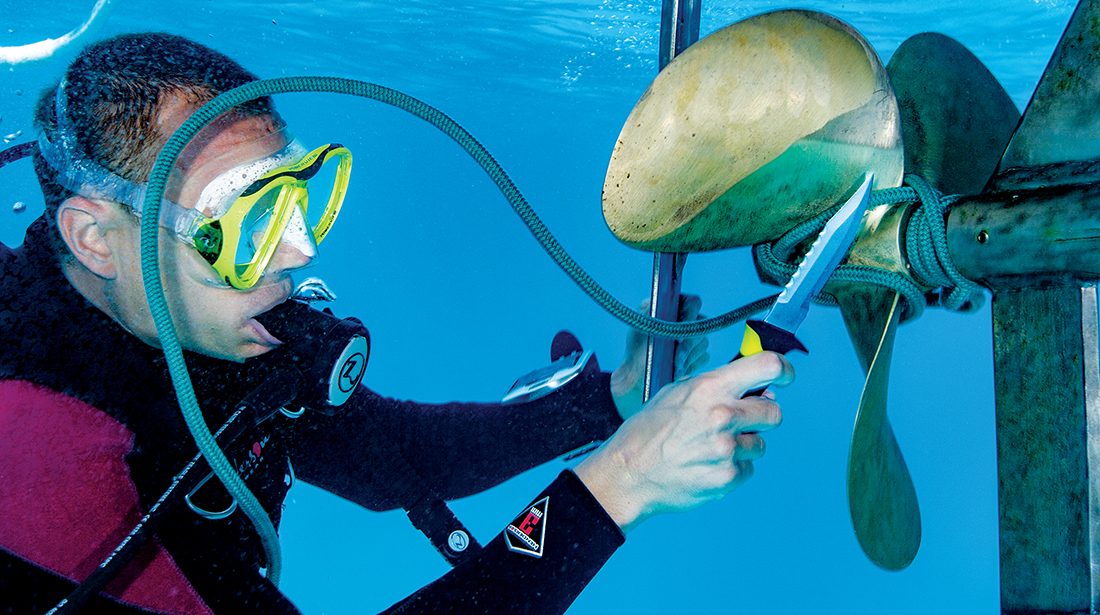
THE DIVE KNIFE IS AN ICONIC PART OF A SCUBA DIVER’S GEAR. Since the inception of diving as a recreational activity, the dive knife’s presence in a diver’s equipment has influenced the public image of scuba diving as a dangerous sport and placed its participants in a league of their own.
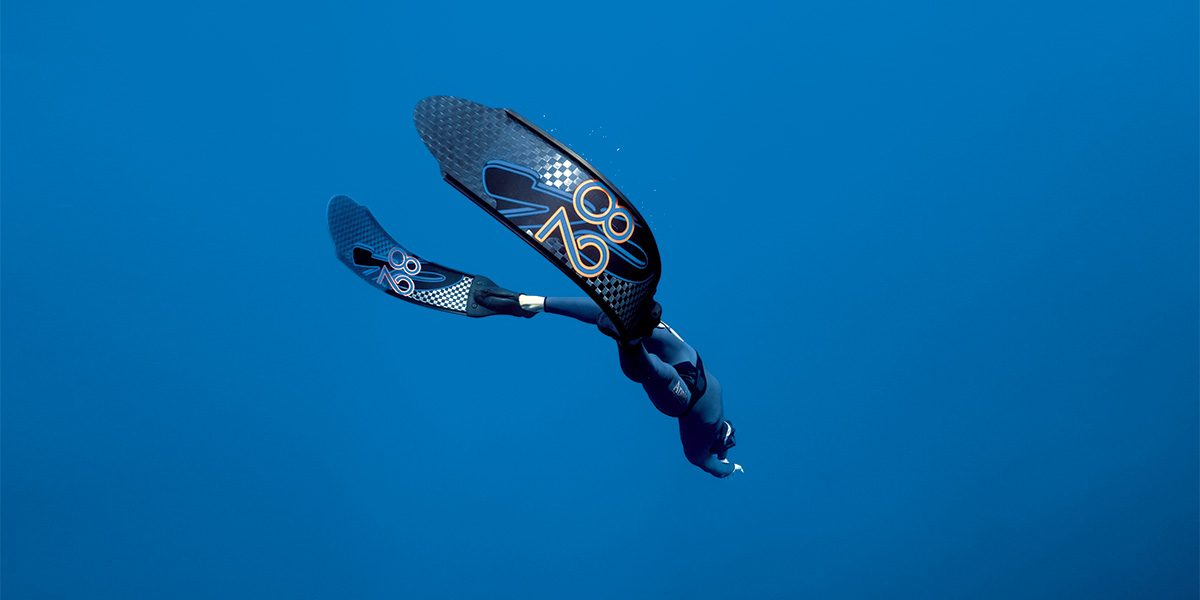
IN THE 1900s UMBERTO PELIZZARI was a young diver from Busto Arsizio, Italy, who was making headlines by breaking world records in constant weight and variable weight freediving. Needing an edge against his archrival, Francisco “Pipin” Ferreras, he sought advice on fins from a friend who was knowledgeable about innovative freediving equipment: Valerio Grassi, founder of Omersub.
To pee or not to pee? That is not the question for technical divers, instructors, or others who spend long hours in the water. Proper hydration and comfort ensure that urine will flow. The question is, What’s the best way to handle it?
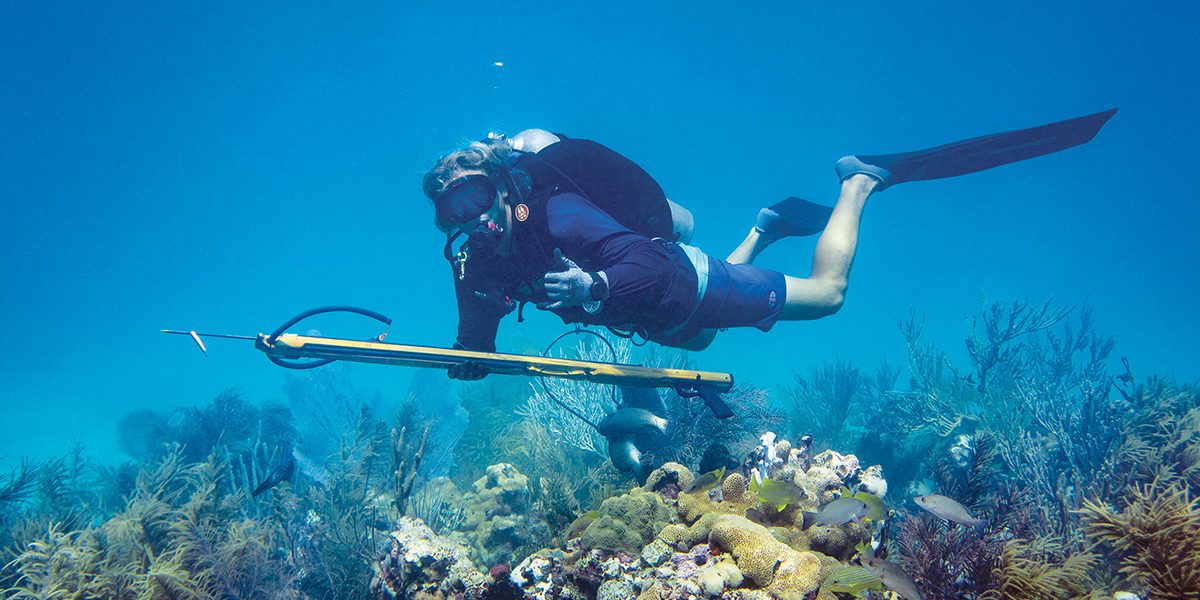
The decision to sustainably harvest marine life can spark vigorous discussions among divers. Regardless of your views, there are benefits to understanding the equipment, procedures, and dangers associated with spearfishing.
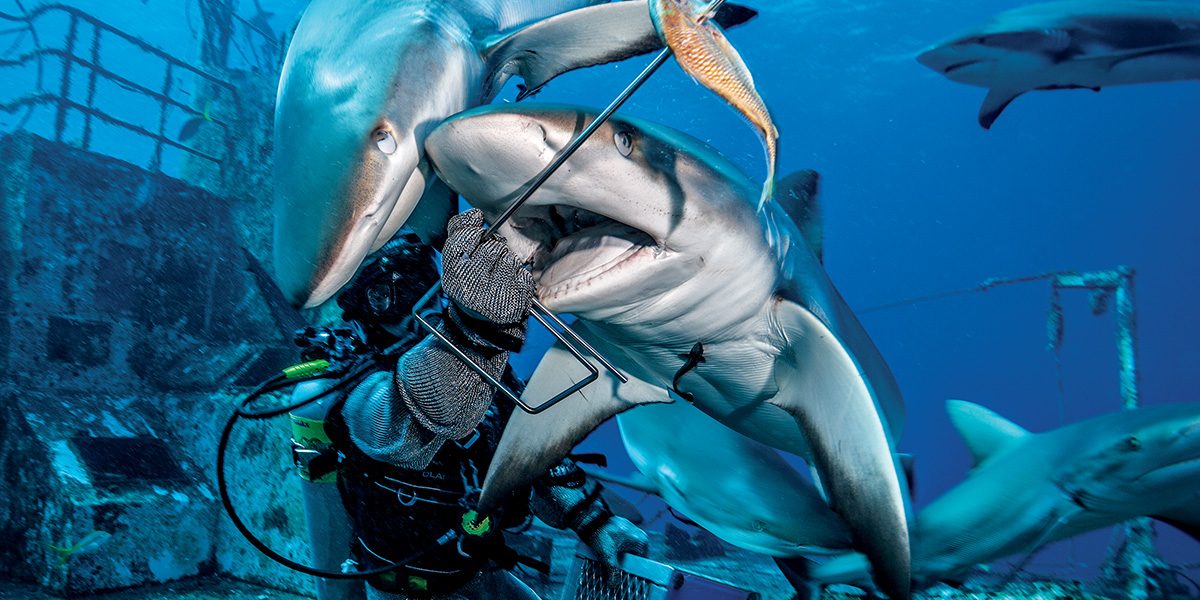
Many divers seek interactions with sharks, but others actively seek to avoid them. As long as sharks are in the water, people will look for ways to reduce the lethality of a shark bite or decrease encounters altogether.
Polymorphic crystallization inside hoses has recently emerged as a hazard divers should be aware of. Be sure to replace old hoses, limit hoses’ exposure to high temperatures, and follow manufacturers’ maintenance recommendations.
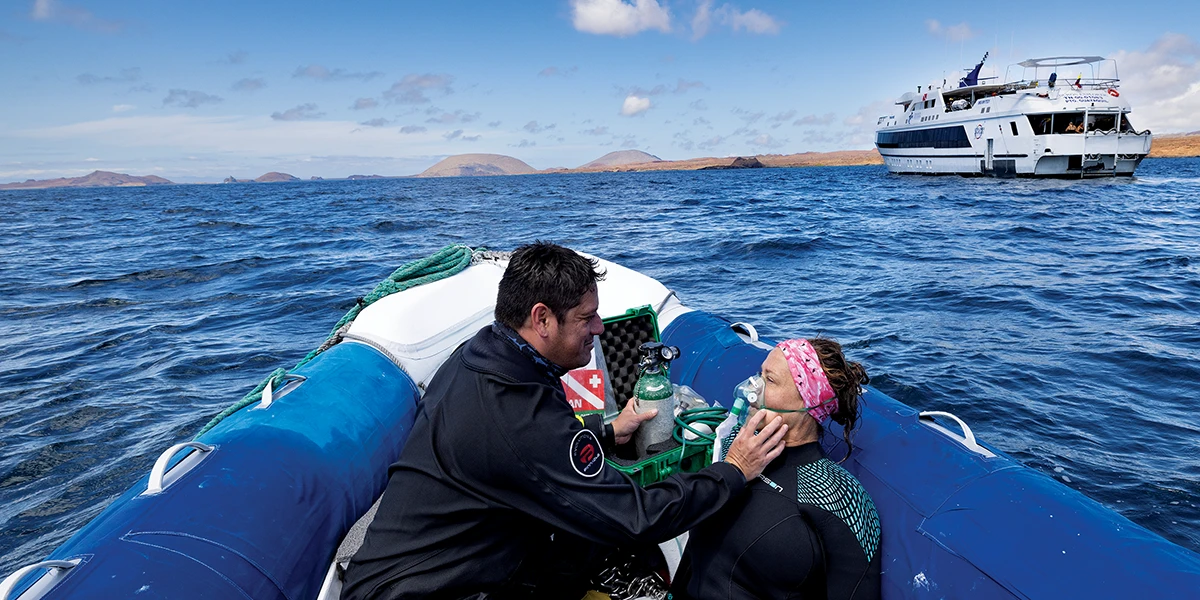
Oxygen is the standard of care for first aid in dive injuries. You do not need to determine if the injured person is experiencing decompression sickness (DCS), arterial gas embolism […]
After the rupturing of two alloy scuba cylinders, many wonder if they are safe to use? While cracking was documented in these cylinders, a major issue with their use is lack of consistent training and regulation in the testers, inspectors and fill-station operators.