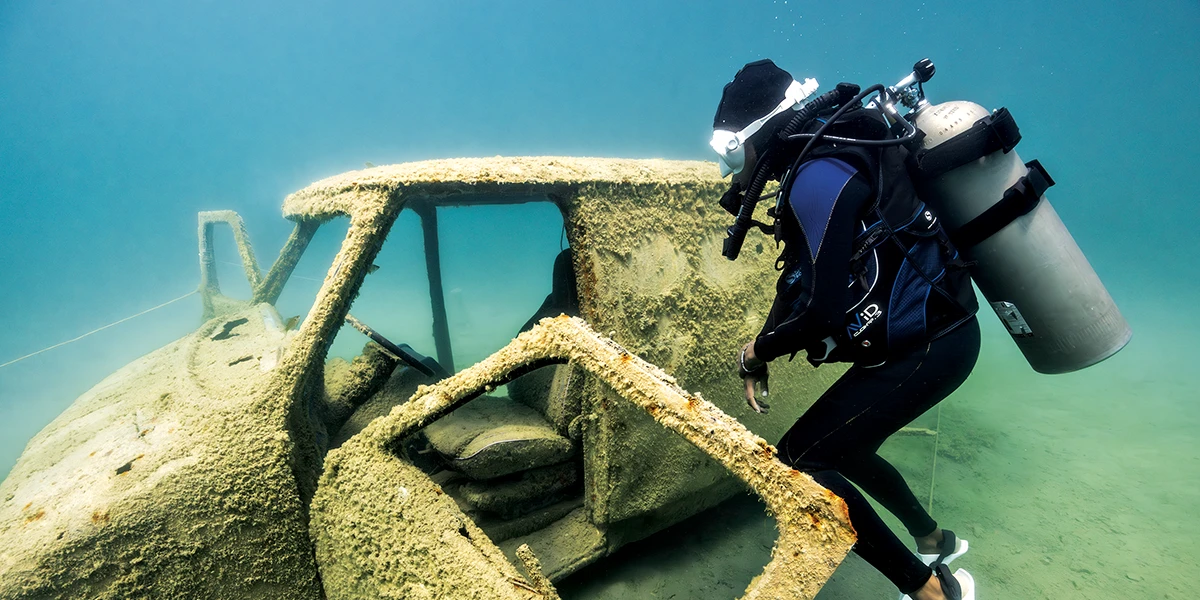
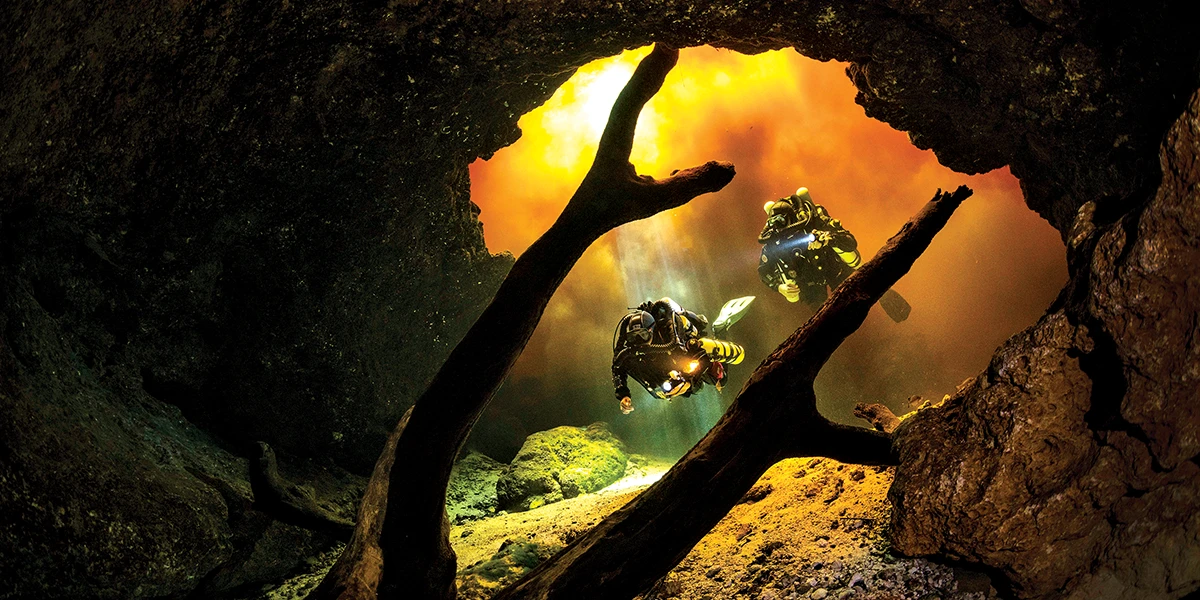
Mammoth Cave National Park and other cave systems are part of a limestone belt that defines Kentucky’s landscape with its gently sloping bluegrass valleys. This geography made way for Kentucky to become the thoroughbred horse capital of the world and drive an economy built around events such as the Kentucky Derby. Beneath this limestone bedrock, a water supply often ranked No. 1 for water quality in the United States fuels well-known and developing dive sites that are surprisingly blue.
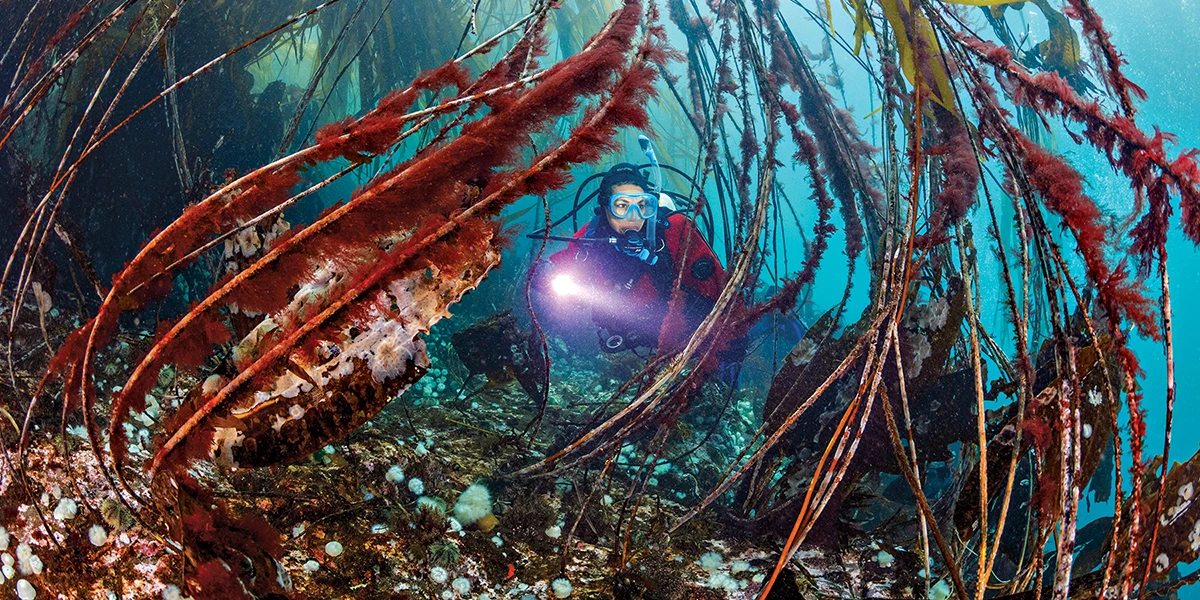
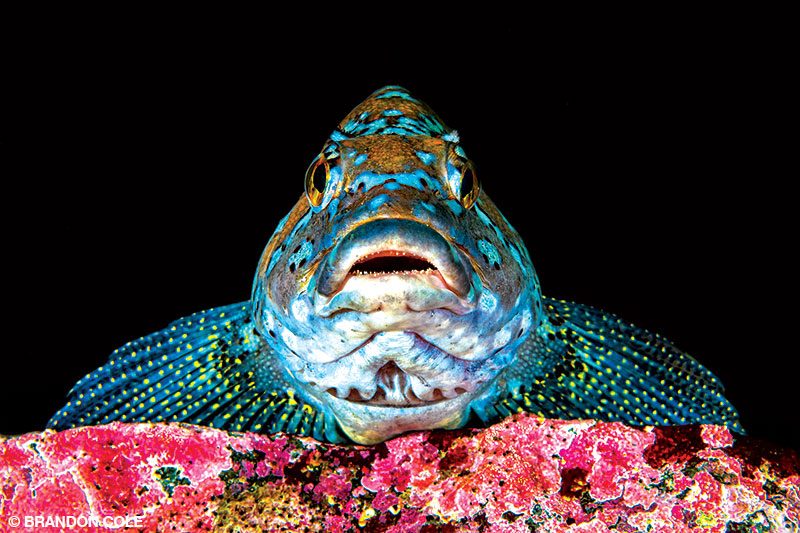
A lifetime’s worth of superb diving awaits adventurous divers in the cool, current-swept waters surrounding British Columbia’s Vancouver Island.
À 70 miles (112km) à l’ouest de Key West, en Floride, se trouve l’un des parcs nationaux les plus reculés et spectaculaires des États-Unis : le parc national des Dry Tortugas. Isolées dans le golfe du Mexique, ces îles marquent l’extrémité ouest de l’archipel des Keys de Floride.
The allure of underwater exploration is undeniable, drawing individuals into a realm of profound discovery and quiet, majestic beauty. For many divers, this fascination extends beyond vibrant marine life to […]
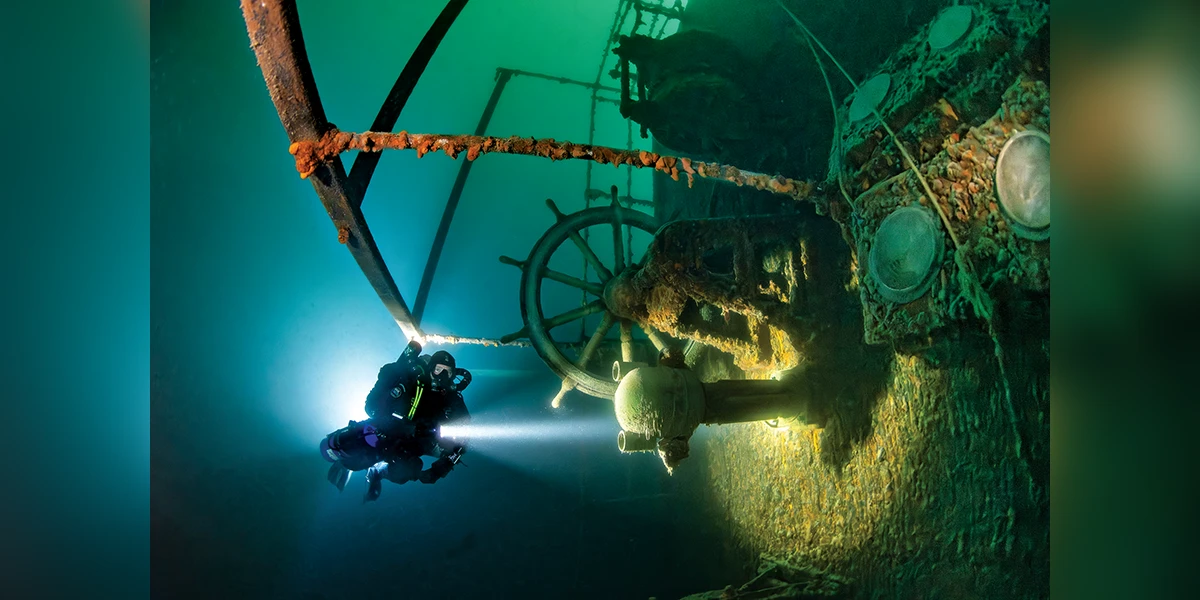
vAncient beyond description and giant beyond comparison, Lake Superior’s cold and secretive depths hide a multitude of ships that prematurely ended their careers. The largest and farthest north of all the Great Lakes, Lake Superior is in a class by itself when it comes to preserving shipwrecks.
Florida is home to the world’s largest concentration of freshwater springs — the Florida Geological Survey has identified more than 1,000 statewide. There are about 33 first-magnitude springs discharging at least 100 cubic feet (2.8 cubic meters) of water per second.
With nearly 16,000 miles of rugged coastline and more than 40,000 islands and islets, British Columbia’s Howe Sound features fantastic marine life and spectacular coldwater scuba adventures. Stretching 27 miles from its narrow head under lofty mountain peaks at Squamish to its wide-mouth opening into the Strait of Georgia just northwest of Vancouver, Howe Sound is North America’s southernmost fjord. This sea-to-sky corridor crafted by glaciers and perfected by time seems tailor-made for subsea exploration — reef and wreck, rec and tech.
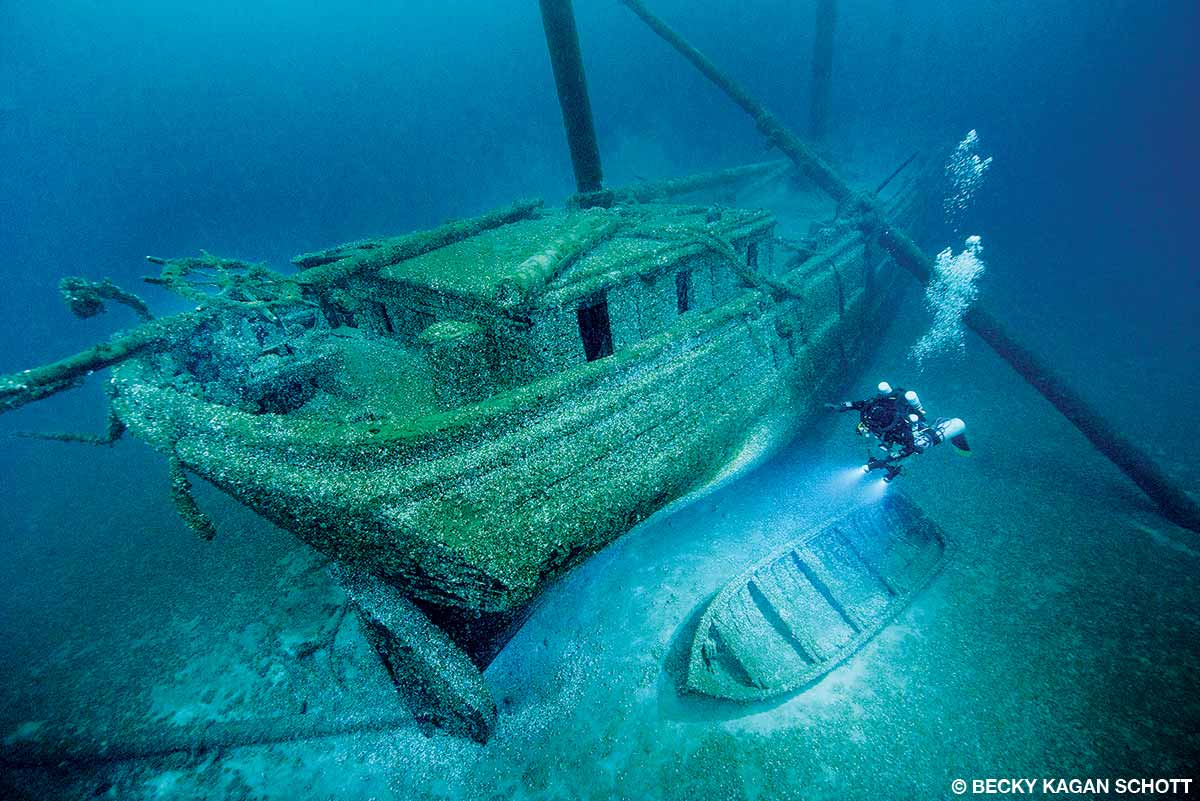
Thunder Bay National Marine Sanctuary in Lake Huron off the northeastern coast of Michigan has nearly 100 known shipwrecks, and others are still being discovered. The oldest shipwreck there sank in 1849, but many wrecks are from the mid- and late 1800s to the early 1900s. The location, history and variety of ships — from wooden schooners to freighters — make Thunder Bay special. The wrecks are at various depths, ranging from the snorkel zone to recreational and technical diving levels.
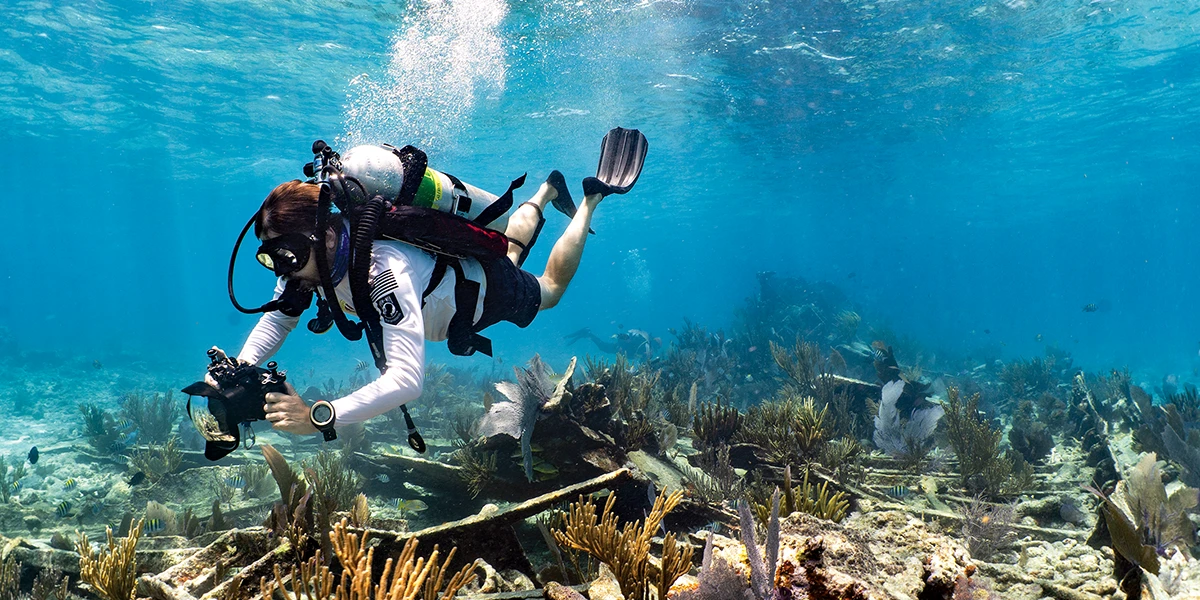
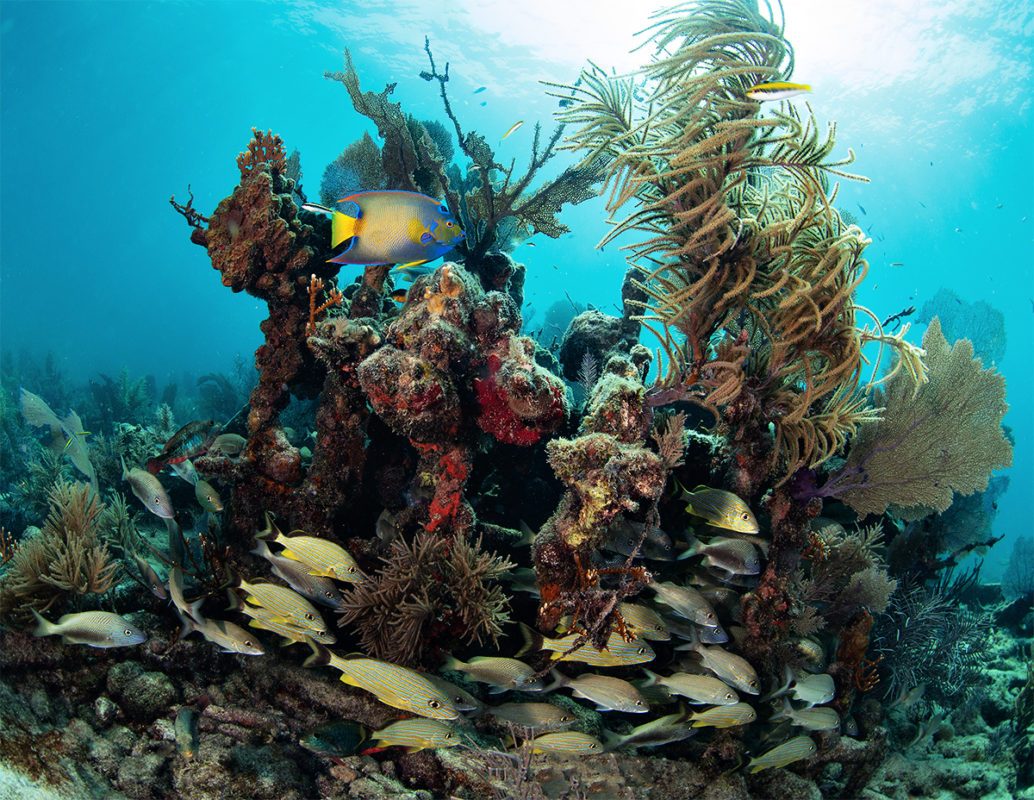
Beneath the ocean waves, our underwater history provides evidence of events and people that have contributed to our maritime landscape. Research on submerged sites is an ever-evolving frontier where discoveries continue to happen in places previously unknown to maritime historians. Diving in the Florida Keys National Marine Sanctuary (FKNMS) is an exceptional experience that offers […]
THE RELENTLESS AND POWERFUL NORTHWARD FLOW of the Gulf Stream’s clear, tropical waters provides Southeast Florida with beautiful and unique diving opportunities. Passing off the coast of Palm Beach County, the warmer, constantly flowing water nourishes and replenishes reefs and corals that support and attract an incredible diversity of marine life. The reefs offshore are […]