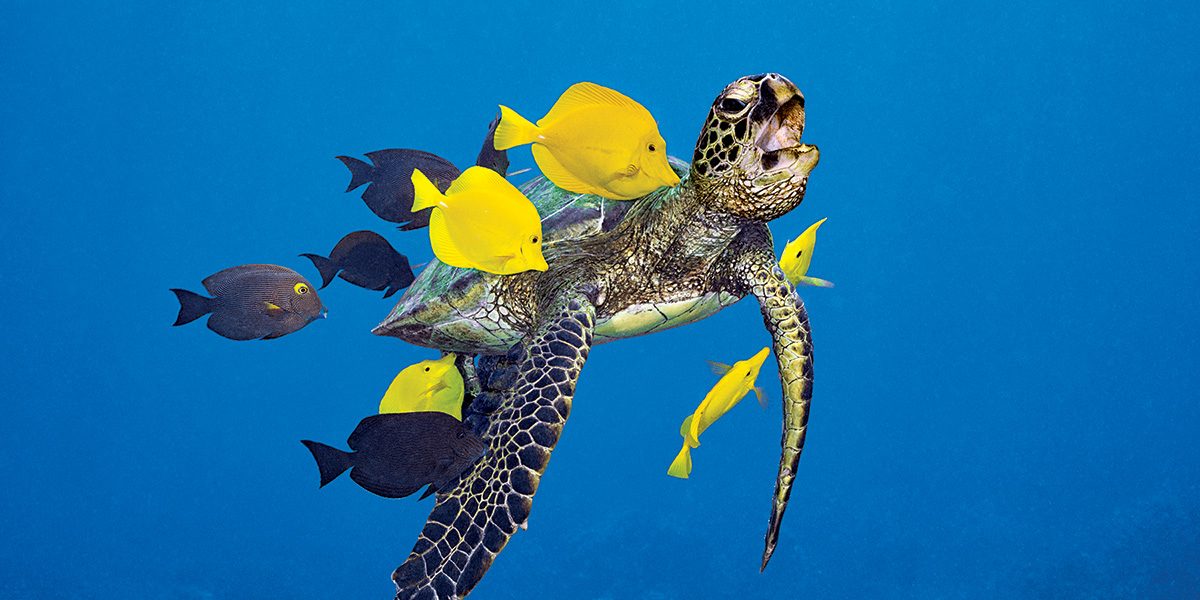
CHARLES DARWIN’S FIVE WEEKS IN THE GALÁPAGOS Islands were crucial to the development of his theory of evolution, likely due to the Galápagos having the world’s second-highest proportion of endemic (unique to one location) species.
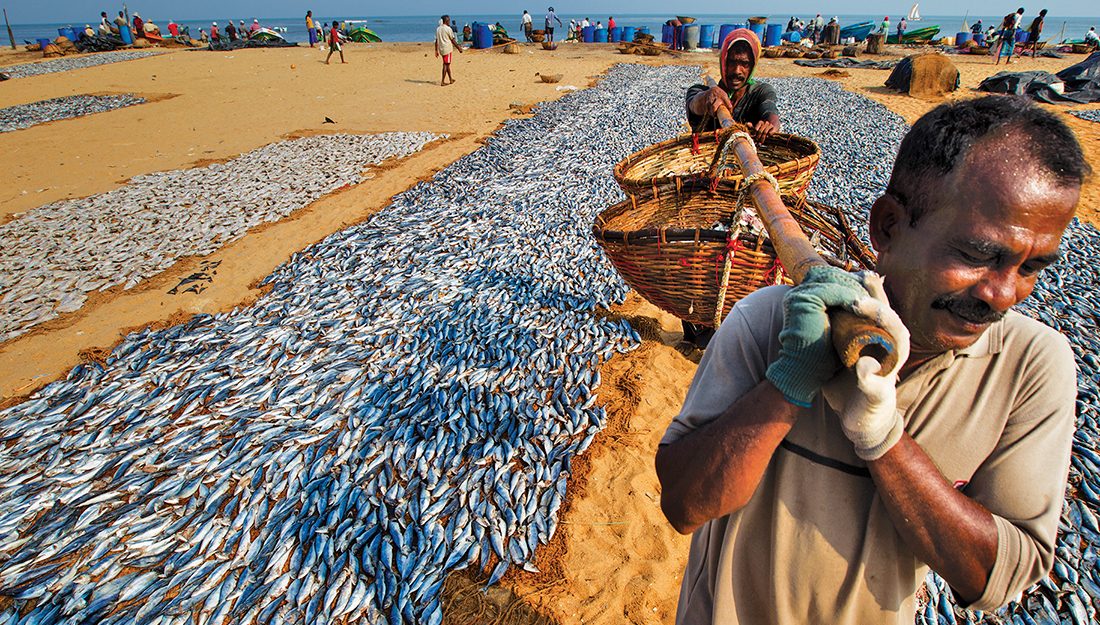
Les produits de la mer font depuis longtemps partie intégrante du régime alimentaire de l'homme et certains les considèrent comme une source de nourriture inépuisable.
MARITIME TRANSPORT HAS MORE TO DO WITH CORAL DISEASE than you might think. Just like most animals, corals can get diseases. Researchers first recognized coral disease in the early 1970s. It has increased over time and become a significant threat in many areas of the world.
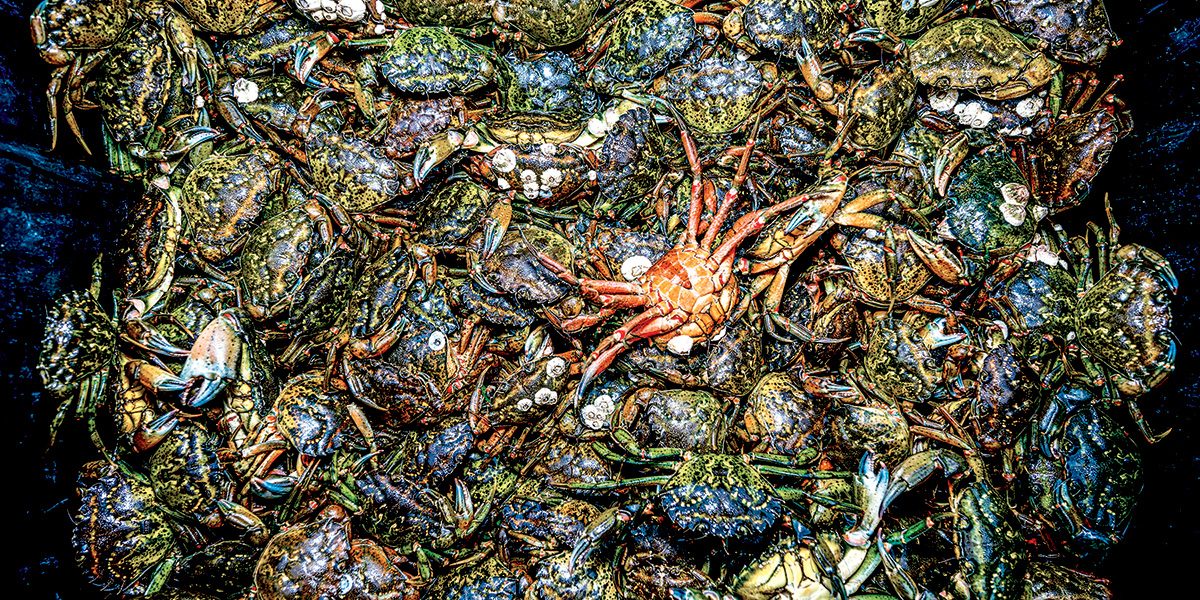
One of the world’s most destructive invasive species is gaining new ground — or water — in Canada and up to Alaska. Carcinus maenas, which translates to “raving mad crab,” outcompetes many local crab species in devouring clams, oysters, and mussels, and they sometimes even eat other crabs and juvenile fish. They destroy seagrass, an essential habitat for juvenile salmon, herring, rockfish, and many other marine animals.
Colombia has some of the strictest illegal fishing laws in the world, but people still need to stand up and enforce them. Erika Lopez has taken on the role of guardian of Malpelo, an island 314 miles (506 kilometers) west of Colombia.
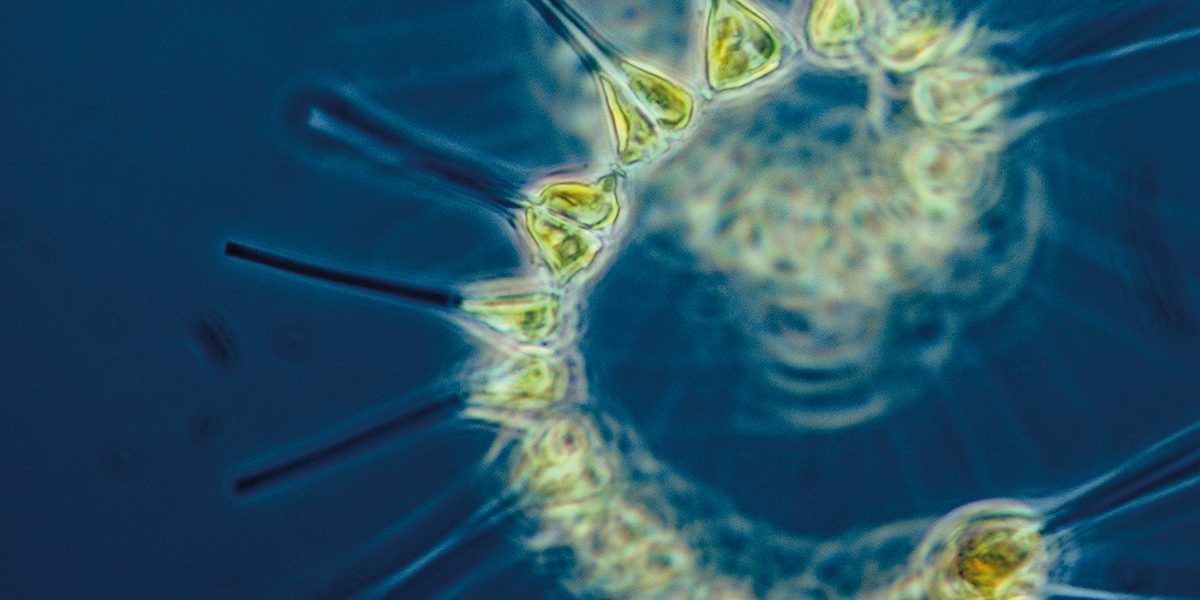
Sometimes the tiniest critters can pack the greatest punch. Phytoplankton, which are unicellular microalgae, can cause mass mortalities of animals such as dolphins and manatees and be the source of serious human illness.
Maintenir une distance respectueuse avec des espèces potentiellement dangereuses sous l’eau est une règle fondamentale de la plongée récréative et un sujet fréquemment abordé lors des briefings avant plongée sur les bateaux. Mais ces poissons venimeux, que vous avez appris à éviter, pourraient un jour vous sauver la vie
Rewilding is a popular term in conservation circles, but what does it mean, and is it appropriate for coral reefs? Should divers be clamoring for reef rewilding? Does it represent […]
Beaucoup de plongeurs terminent un voyage dans la mer Rouge méridionale en observant un dugong dodu fouiller dans les herbiers marins à environ 7,6 mètres (25 pieds) de profondeur.