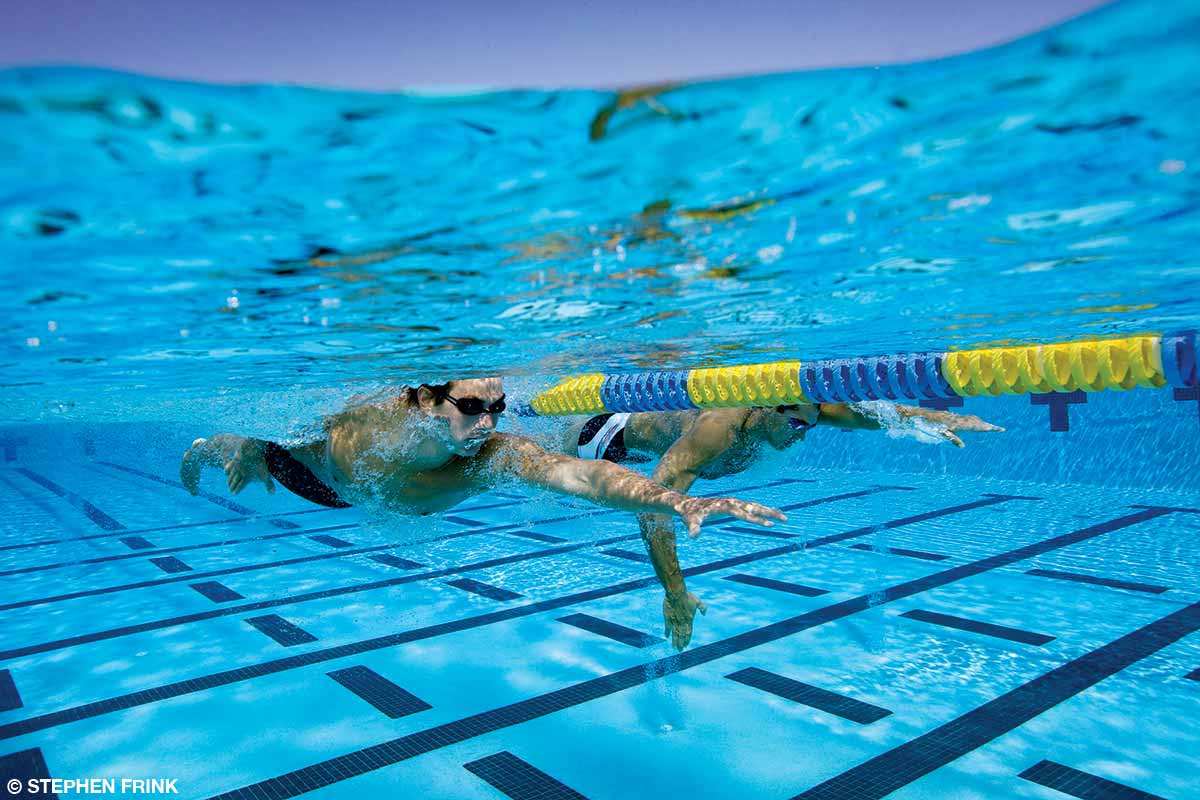
Sometimes life gets in the way — family obligations, unforeseen injuries, work responsibilities, social events — or perhaps the world as we know it shuts down for a while. When these things overwhelm us, many people tend to sacrifice exercise first. You may miss a few workouts, and then your exercise routine slowly slips from regular to nonexistent. It happens to most people — even fitness experts and professional athletes — at some time. Although it may feel challenging, it is possible to restart your exercise routine.
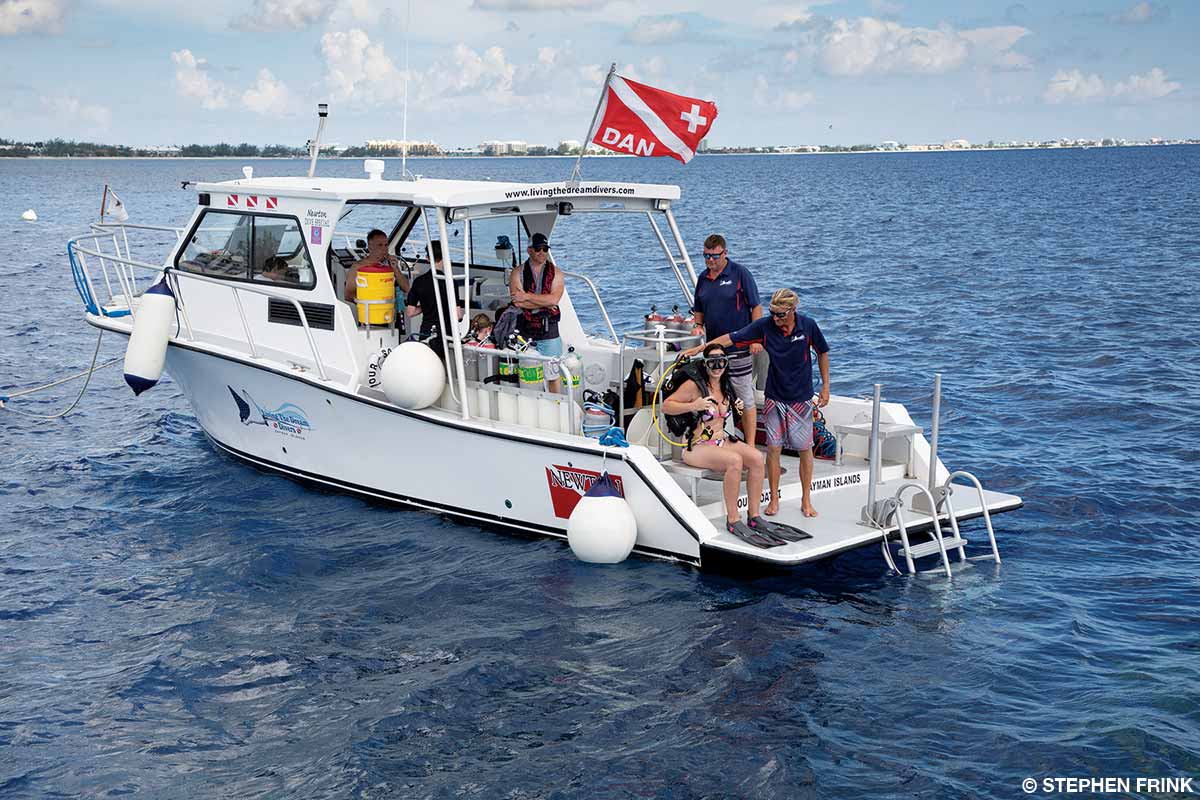
The first step in ensuring the safety of staff, divers and the public is to develop a detailed awareness of the real risks present in all operations performed by dive businesses and professionals. DAN® has produced a brief guide for anyone responsible for safety. The guide offers an introduction to identifying and understanding 17 of the most common areas of concern. These potential incident sources highlight the kinds of considerations that need attention and help operators to better understand how they might apply this knowledge to their businesses.
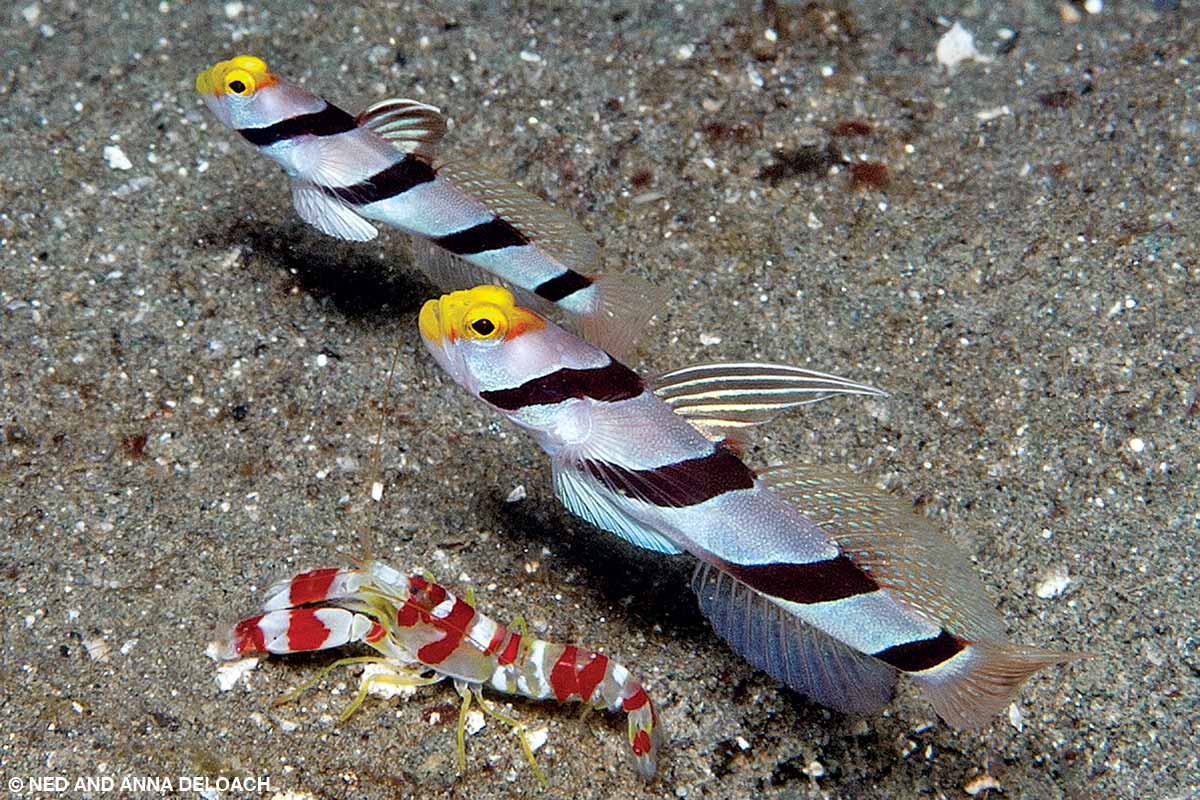
Interactions between different species, whether above or below water, typically revolve around confrontations between predators and prey. At the opposite and more harmonious end of the spectrum, a scattering of unrelated species coevolved to form lifelong alliances for their mutual security. These relatively rare go-along-to-get-along partnerships provide a net benefit for both parties, improving each species’ reproductive success. The close living arrangement between weak-eyed alpheid snapping shrimp and sharp-eyed partner gobies is a classic example of symbiosis in the sea.
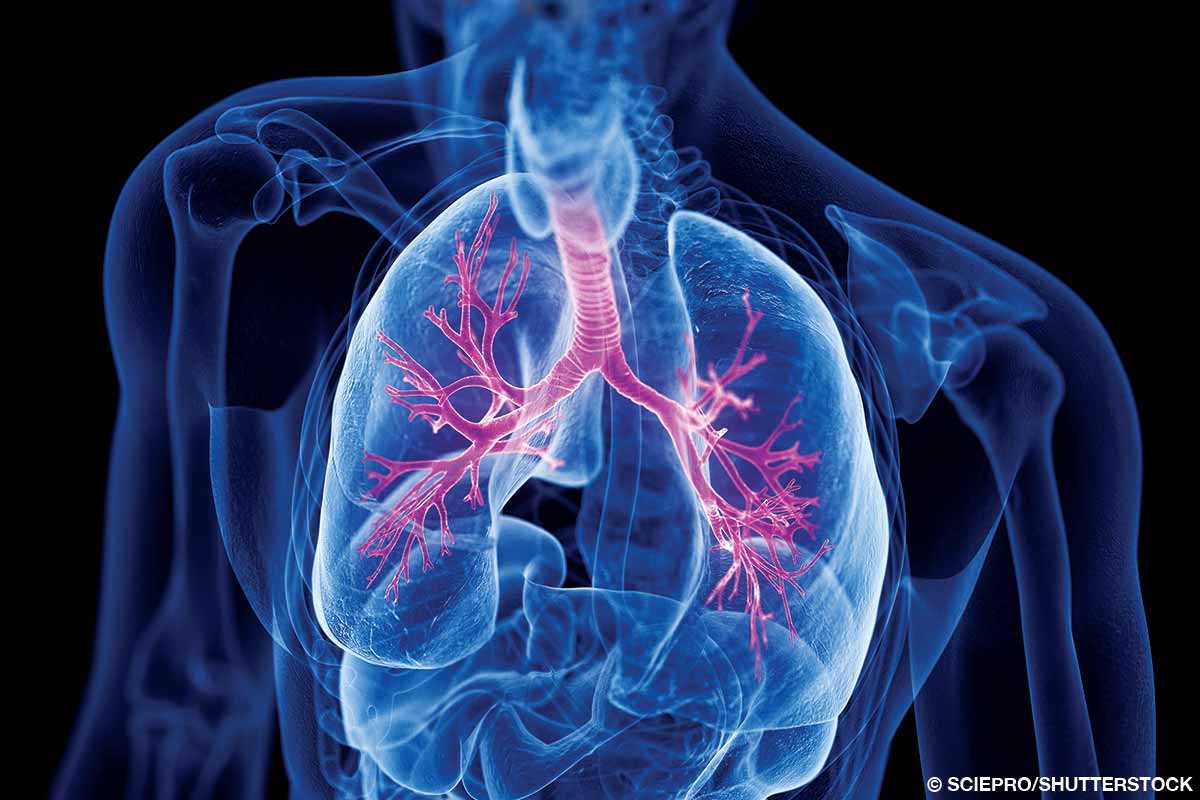
Reduced exercise tolerance is common for those with chronic obstructive pulmonary disease and poses risks for diving. There can be strenuous activity involved with managing currents, swimming on the surface in choppy seas or pulling yourself and your heavy gear up a ladder and onto an unsteady boat. With COPD, shortness of breath during exertion doesn’t mean you are out of shape; it means you cannot rid your body of carbon dioxide and replace it with the oxygen needed to meet the demand of your exertion.
Gloves are one of the most overlooked and individualized pieces of dive equipment. When choosing gloves, consider the kind of diving you plan to do and what you expect from your hand protection. When selecting gloves, consider the following factors: thermal protection, fit, dexterity, hazard protection, impact resistance and materials.