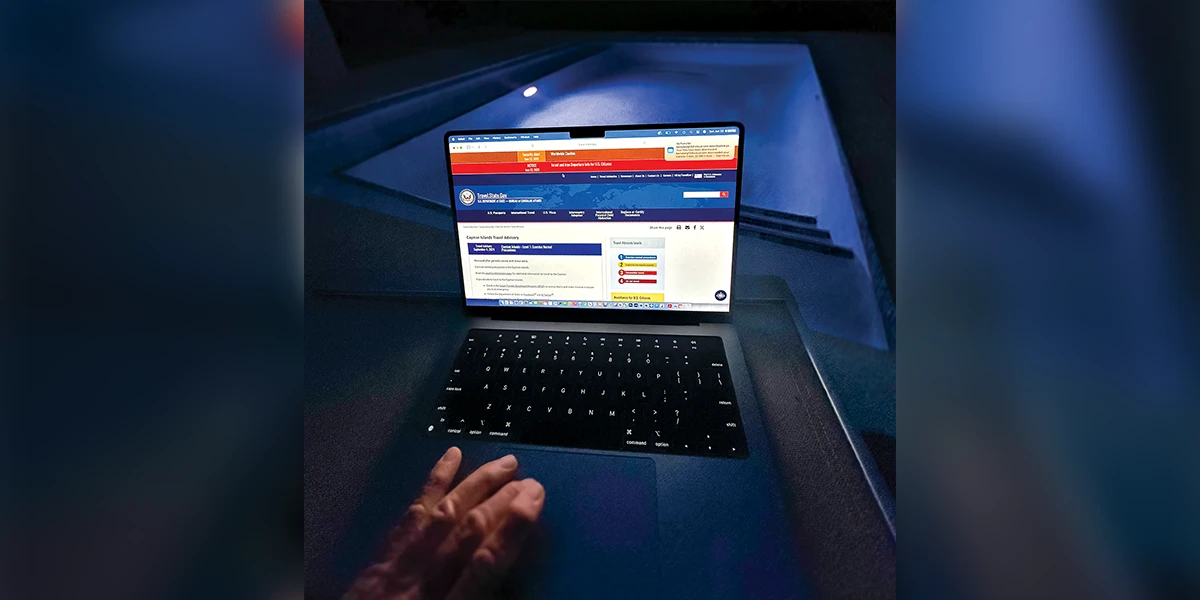
Smart travel begins with making informed decisions, and one of the most valuable tools available to U.S. citizens is the U.S. Department of State’s Travel Advisory system. These official notices outline potential risks and suggested safety measures to protect the welfare and security of U.S. citizens traveling abroad.
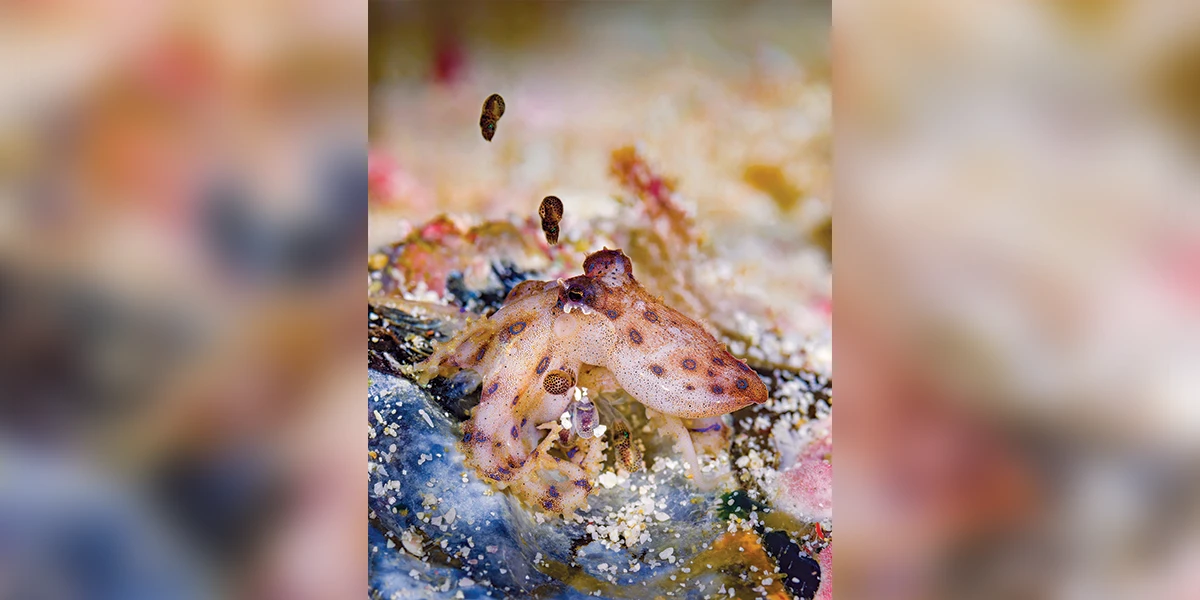
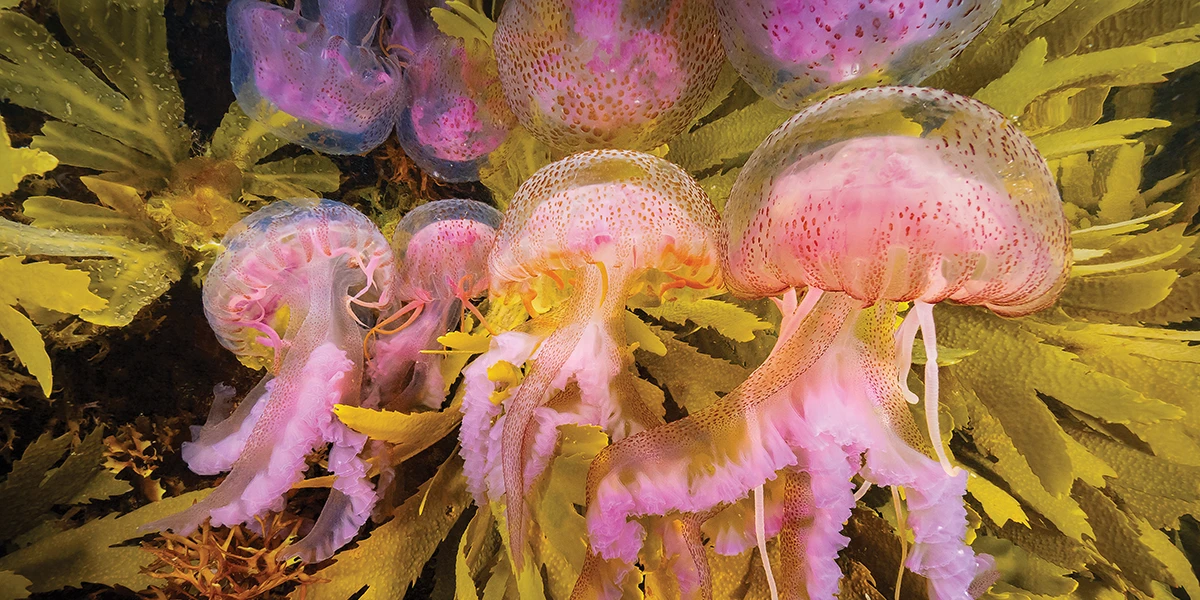
Like many octopuses, the female greater blue-ringed octopus (Hapalochlaena lunulata) is a semelparous animal, which means she reproduces once and then dies.
DAN reached a significant milestone in the accredited DAN–UHMS Continuing Medical Education (CME) program in May 2024: the debut of a two-week, dual-course format.
Whether for recreation, research, or commercial work, diving puts humans in a fundamentally hazardous environment. Visibility, pressure effects, and sound distortion limit communication between divers and surface teams, making real-time […]
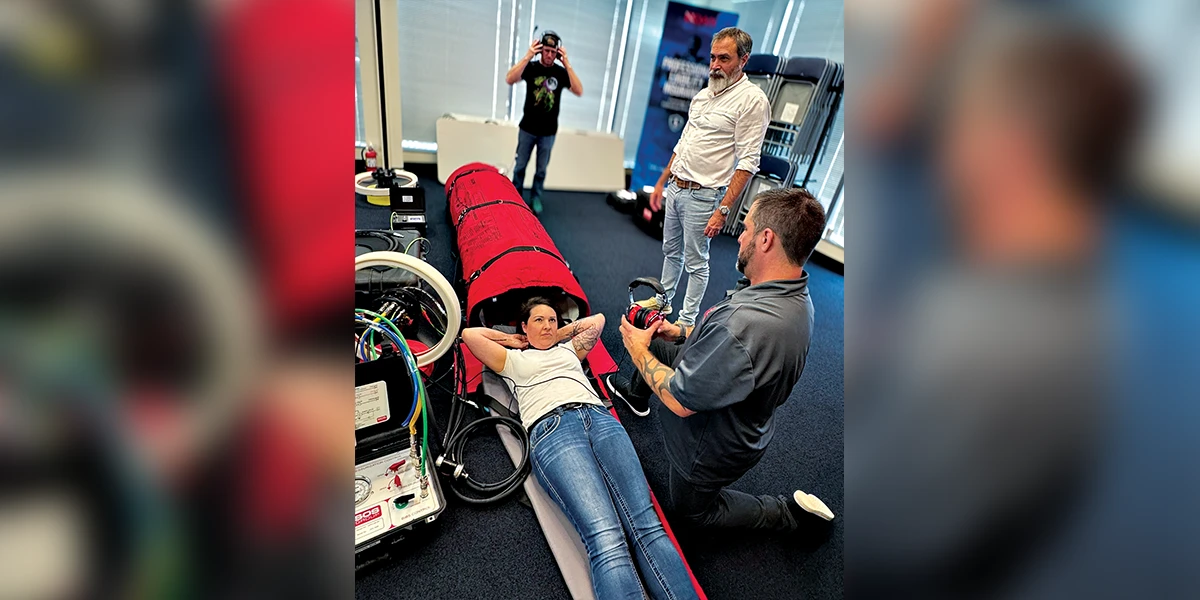
DAN Mission teams recently participated in a demonstration led by James Dalebozik, a hyperbaric chamber technician, on the operation and application of the SOS Hyperlite 1 portable hyperbaric chamber.
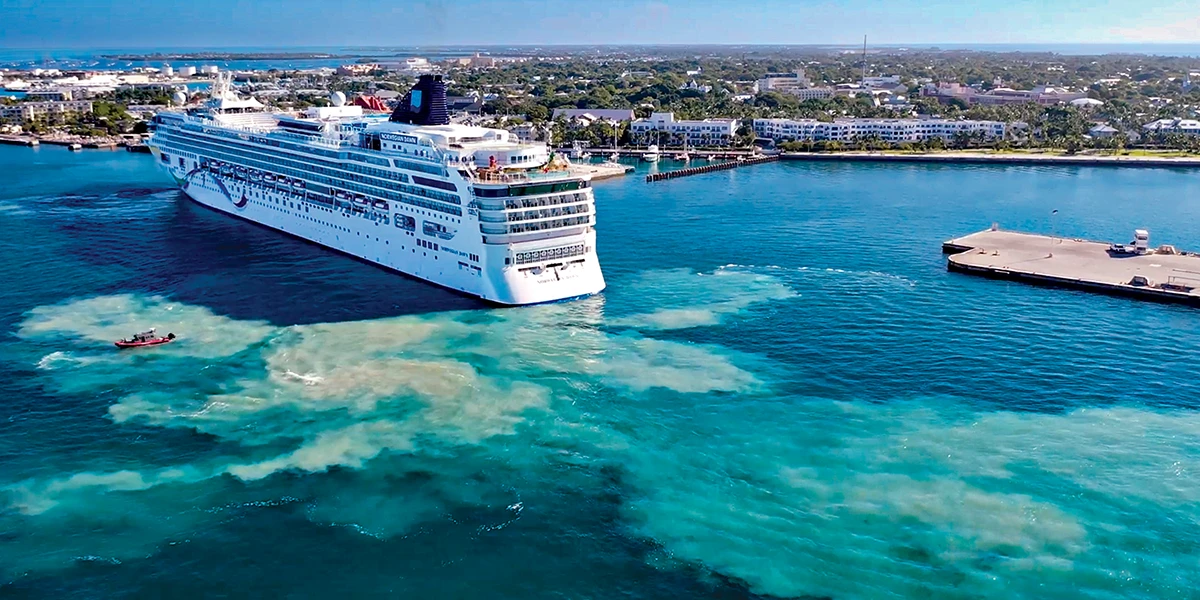
Coral reefs are facing many environmental challenges, and cruise ships are a major contributor. One of these ships’ greatest impacts is starting to muddy the water.
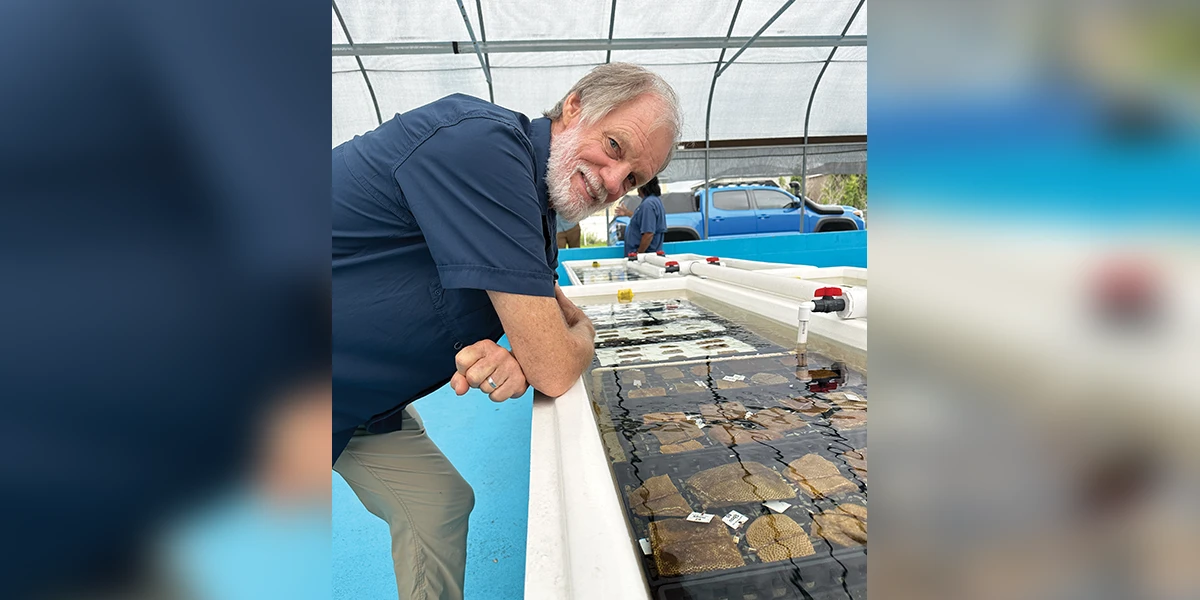
Ken Nedimyer’s connection to the sea began early. He put himself through college by collecting tropical fish and diving for lobster in the Florida Keys.
Think about the first time you picked up an underwater camera — what was the initial reason? Maybe you wanted a way to record your dives or a mechanism to show your nondiver friends and family the beauty of the underwater world.
When a diver goes missing, the sea becomes a vast, indifferent expanse, turning a rescue effort into a race against time. Every second matters, and the right tools can make the difference between a successful rescue and a tragic recovery.
The sea enthralled lmran Ahmad from a very early age. Growing up in Singapore, young lmran never missed an opportuniry to go fishing with his father, a police officer, on their boat off the coast.