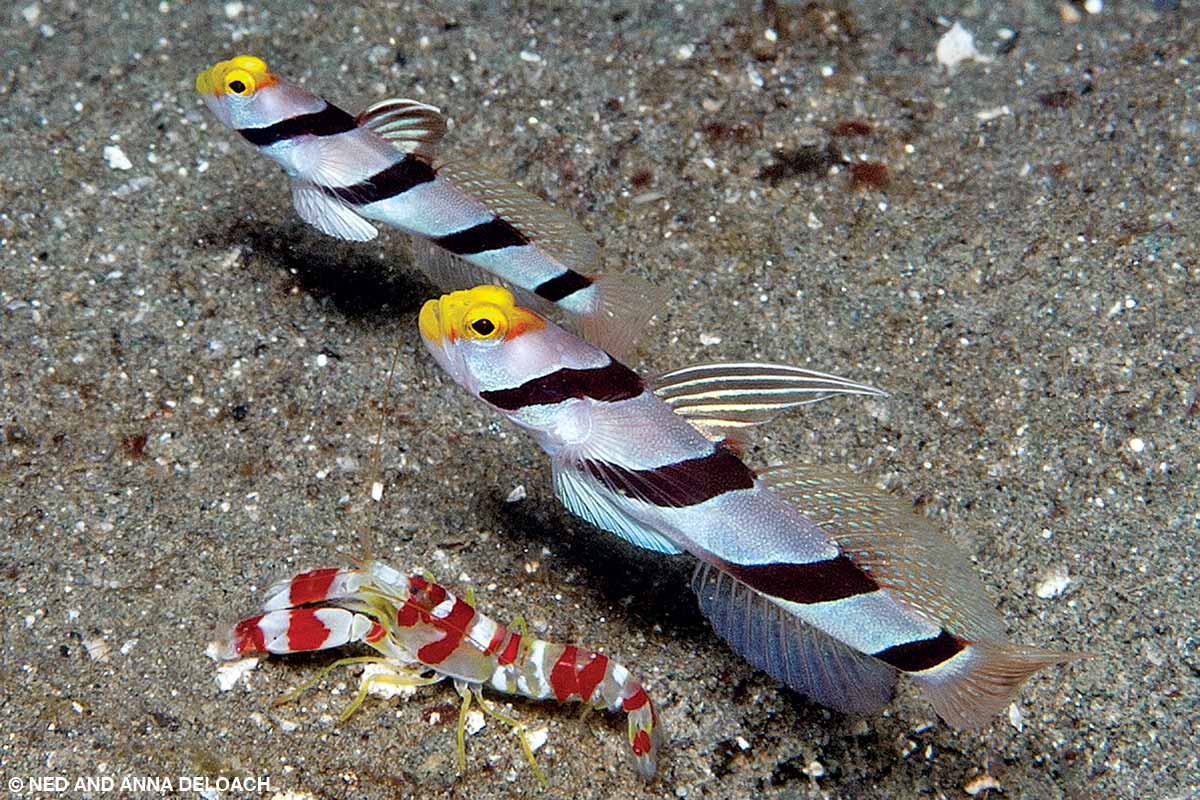
Interactions between different species, whether above or below water, typically revolve around confrontations between predators and prey. At the opposite and more harmonious end of the spectrum, a scattering of unrelated species coevolved to form lifelong alliances for their mutual security. These relatively rare go-along-to-get-along partnerships provide a net benefit for both parties, improving each species’ reproductive success. The close living arrangement between weak-eyed alpheid snapping shrimp and sharp-eyed partner gobies is a classic example of symbiosis in the sea.
Reduced exercise tolerance is common for those with chronic obstructive pulmonary disease and poses risks for diving. There can be strenuous activity involved with managing currents, swimming on the surface in choppy seas or pulling yourself and your heavy gear up a ladder and onto an unsteady boat. With COPD, shortness of breath during exertion doesn’t mean you are out of shape; it means you cannot rid your body of carbon dioxide and replace it with the oxygen needed to meet the demand of your exertion.
Gloves are one of the most overlooked and individualized pieces of dive equipment. When choosing gloves, consider the kind of diving you plan to do and what you expect from your hand protection. When selecting gloves, consider the following factors: thermal protection, fit, dexterity, hazard protection, impact resistance and materials.
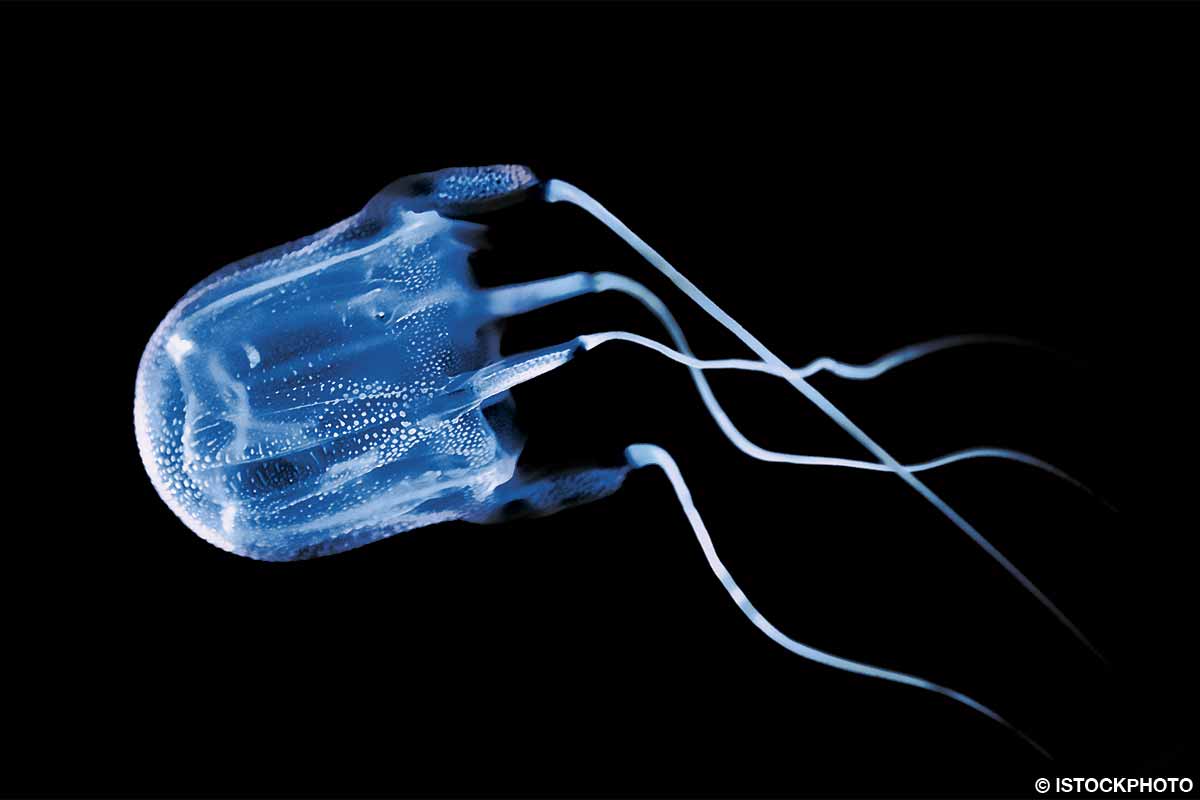
Nitrogen narcosis can lead to deadly consequences. Understanding the risk factors and ensuring that you and your dive buddies have discussed how to mitigate risk can potentially save lives. If you are stung by a jellyfish, watch for symptoms associated with Irukandji syndrome. If symptoms develop, know that it is a potentially deadly condition that doctors can help treat. Pay attention to local marine life bulletins and announcements. The best ways to mitigate jellyfish envenomation risk are to wear full exposure suits and avoid jellyfish when they are prevalent in the water.
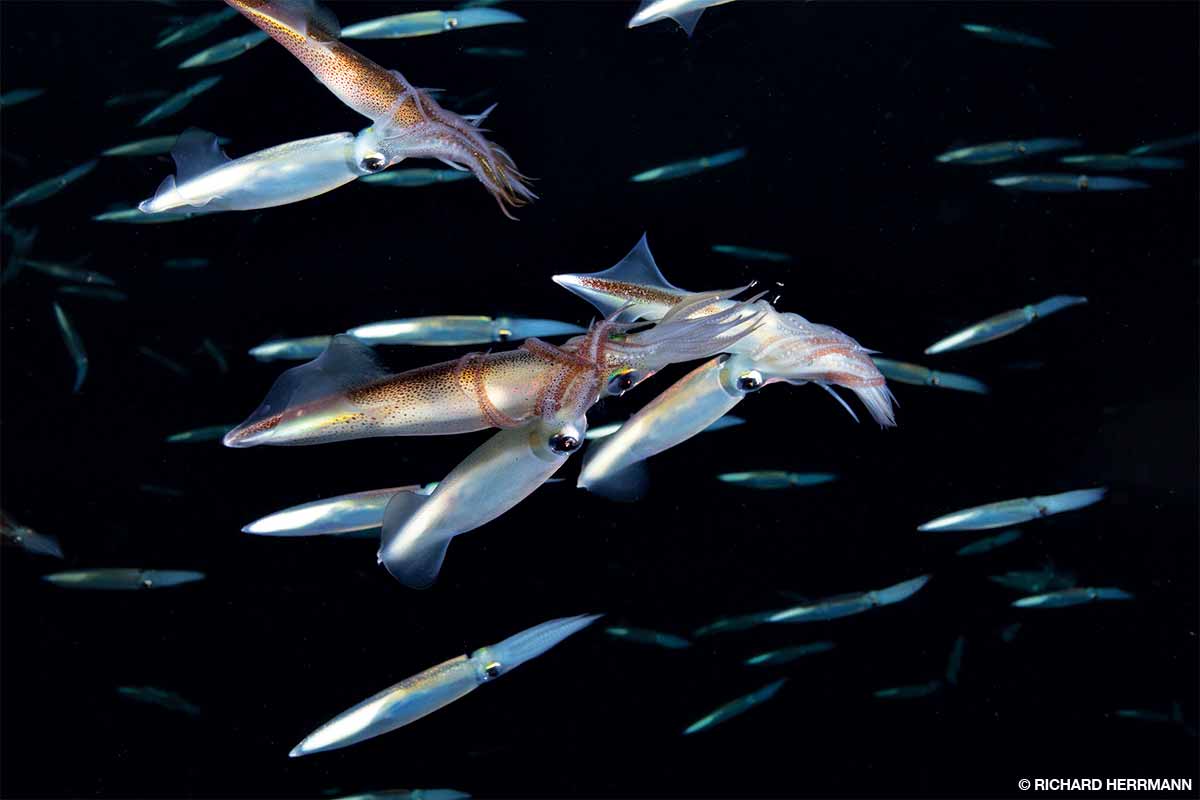
Alors que vous tombez dans une eau aussi noire que la nuit, des milliers de calmars en quête de partenaires vous entourent soudainement. L'activité nuptiale est omniprésente, plusieurs mâles s'attaquant à des femelles isolées. Les chromatophores (cellules pigmentaires) des calmars excités font clignoter des couleurs qui rappellent les néons de Las Vegas et vous placent au milieu d'un spectacle lumineux vivant et mouvant. L'action est si frénétique que les animaux sont dans votre équipement et rebondissent sur chaque centimètre de votre corps.
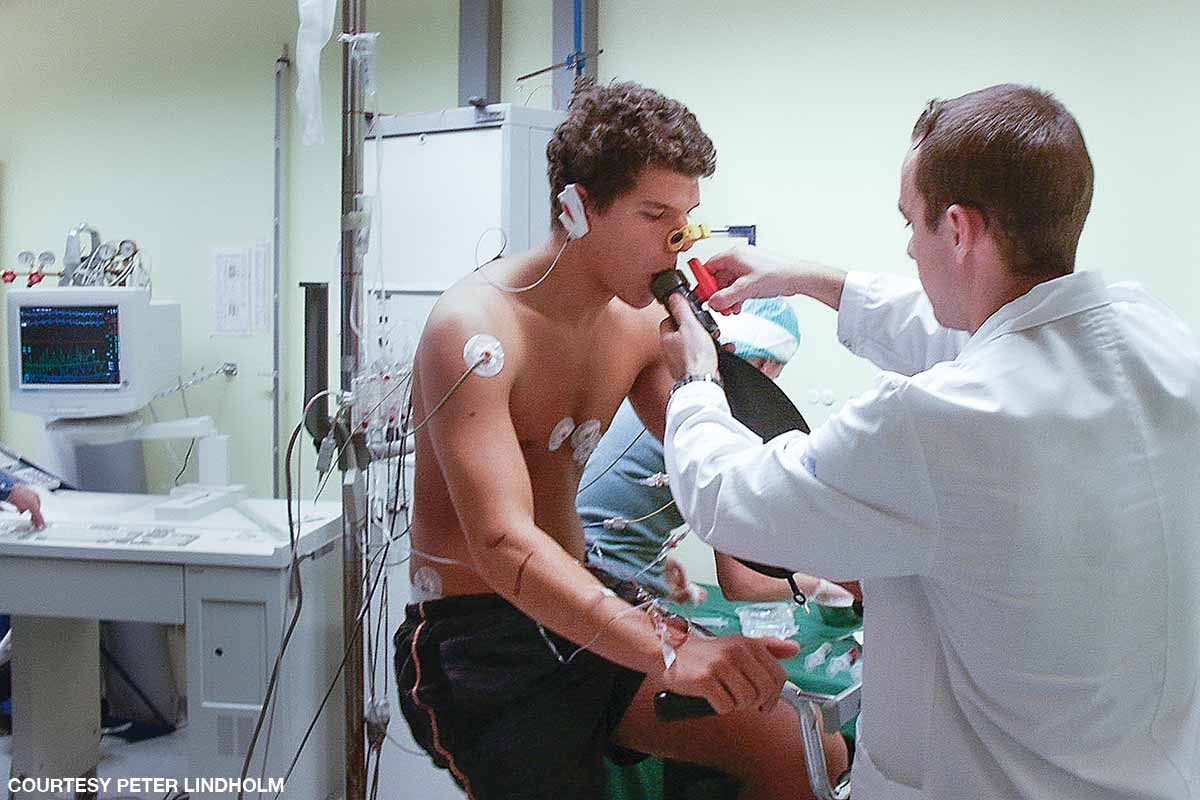
Pendant ses études de médecine, Peter Lindholm a rejoint un laboratoire de recherche sur l'aviation, l'espace et la physiologie sous-marine, où il s'est passionné pour la physiologie de la plongée en apnée, sujet sur lequel il a rédigé sa thèse de doctorat. En tant que médecin de la Fédération suédoise de plongée sportive (SSDF), il a participé à l'élaboration de protocoles de plongée en apnée et à la formation des premiers instructeurs de plongée en apnée de compétition. Après une formation clinique en tant que radiologue, Lindholm s'est installé à San Diego, en Californie, où il dirige un groupe de recherche axé sur la physiologie et la médecine de la plongée.
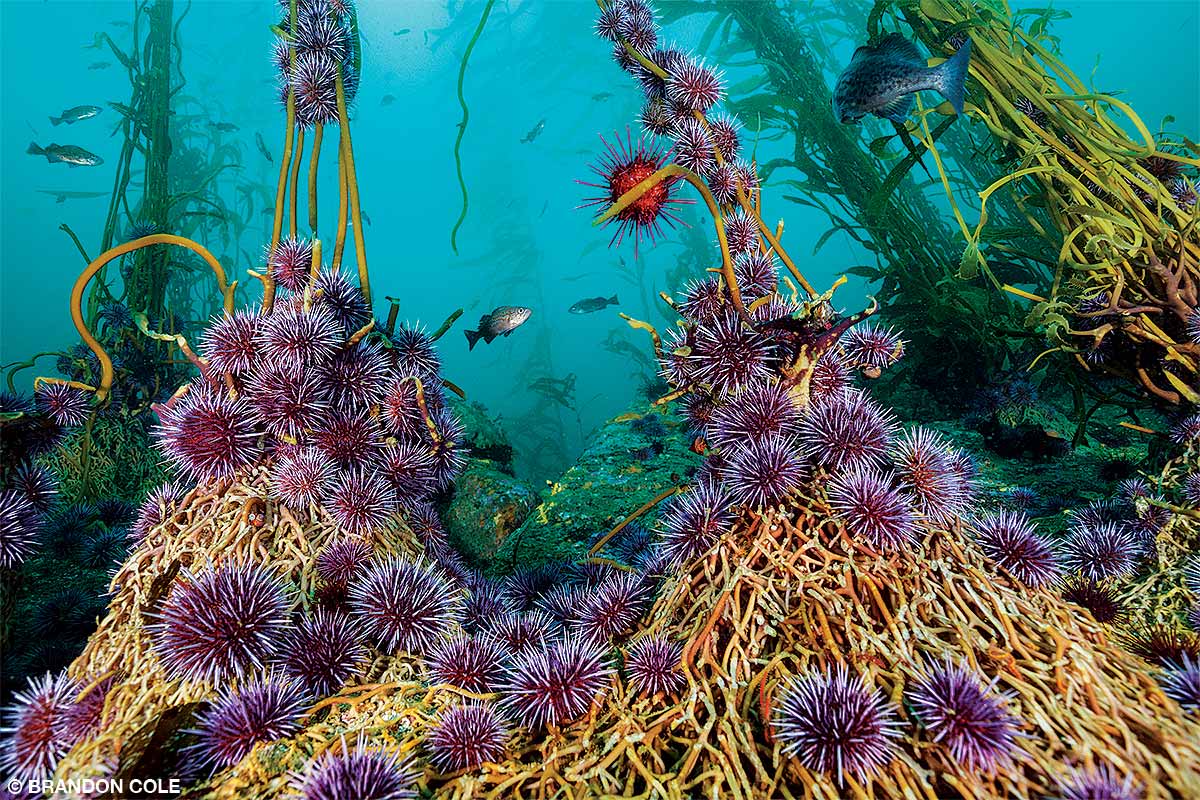
For more than five years, divers and scientists along the U.S. West Coast have watched a disaster play out before their eyes. Sunflower sea stars fell victim to a wasting disease, which wiped out roughly 90 percent of the global population in 2013. Seven years later, scientists see no signs of recovery. Without the sea stars, the population of purple urchins that sea stars eat has exploded and mowed down entire forests of bull kelp. The West Coast experienced intense ocean warming from 2014 to 2017, and by 2015 divers began seeing urchin barrens — vast swaths covered in piles of spiny creatures and little else.
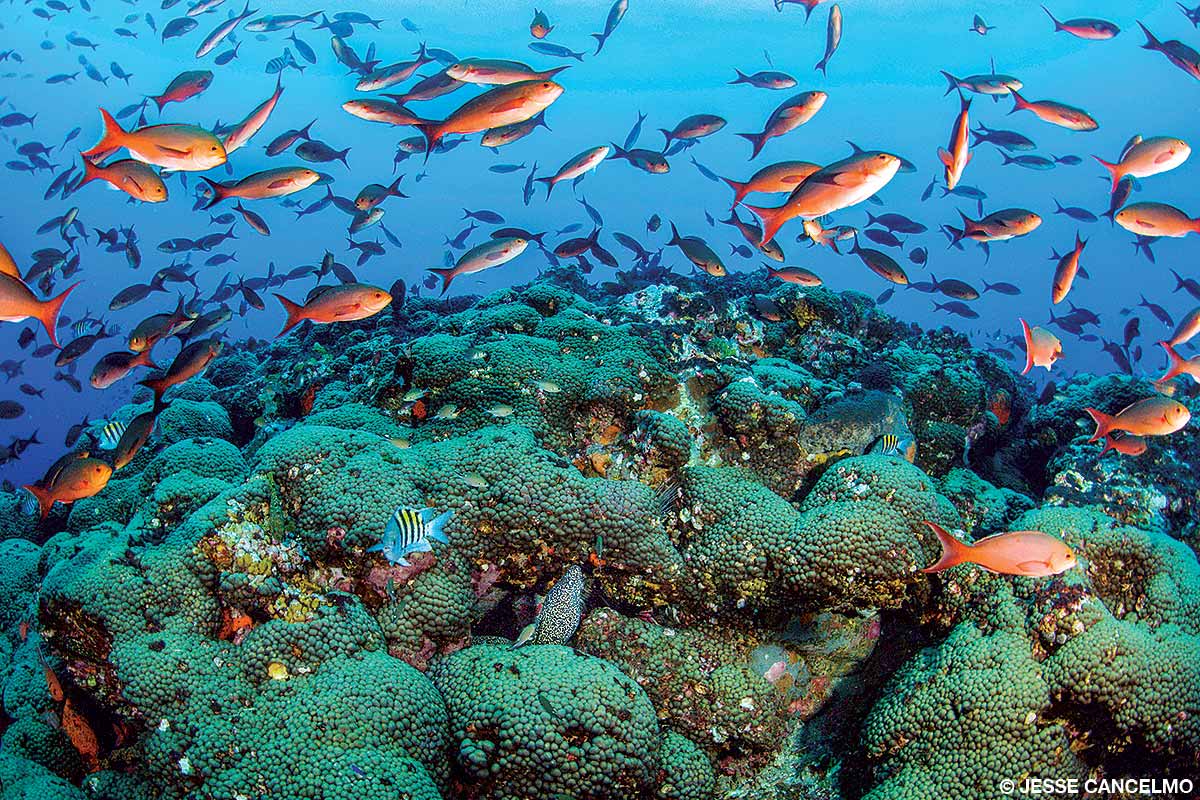
If you like the idea of a liveaboard adventure with remote, open-ocean diving where your dive boat is likely the only one on the reef, you’ll love a trip to Flower Garden Banks. It remains one of the best-kept secrets for wilderness diving in the continental U.S., where you can expect rare encounters such as a longlure frogfish on a sponge, scalloped hammerhead sharks feeding or a whale shark swimming by.
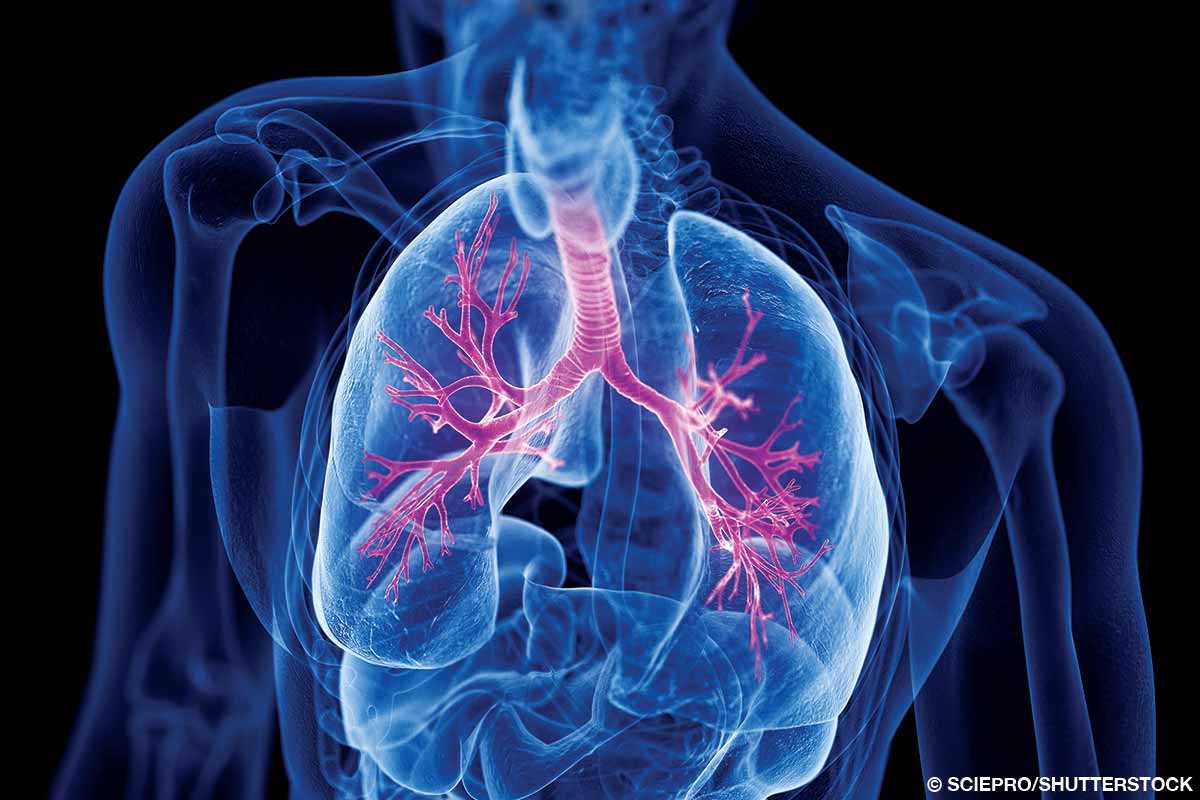
Pulmonary barotrauma can occur in a shallow swimming pool if a diver holds their breath during ascent or inadvertently floats to the surface while holding their breath. Most dive-related pulmonary barotraumas occur in compressed-gas diving due to pulmonary overinflation during a breath-hold ascent. Pulmonary barotrauma can occur even with normal breathing if there is an obstruction in the bronchial tree that prevents one lung segment’s normal ventilation.
Located in the Bay Islands of Honduras, Roatán is a tropical gem nestled in the turquoise waters of the Caribbean Sea. The largest of the Bay Islands, Roatán sits about 30 miles off the Honduran coast between Utila and Guanaja. Its fringing reef system makes up the southernmost edge of the Mesoamerica Reef (the world’s second-largest reef system) and is arguably Roatán’s biggest attraction.