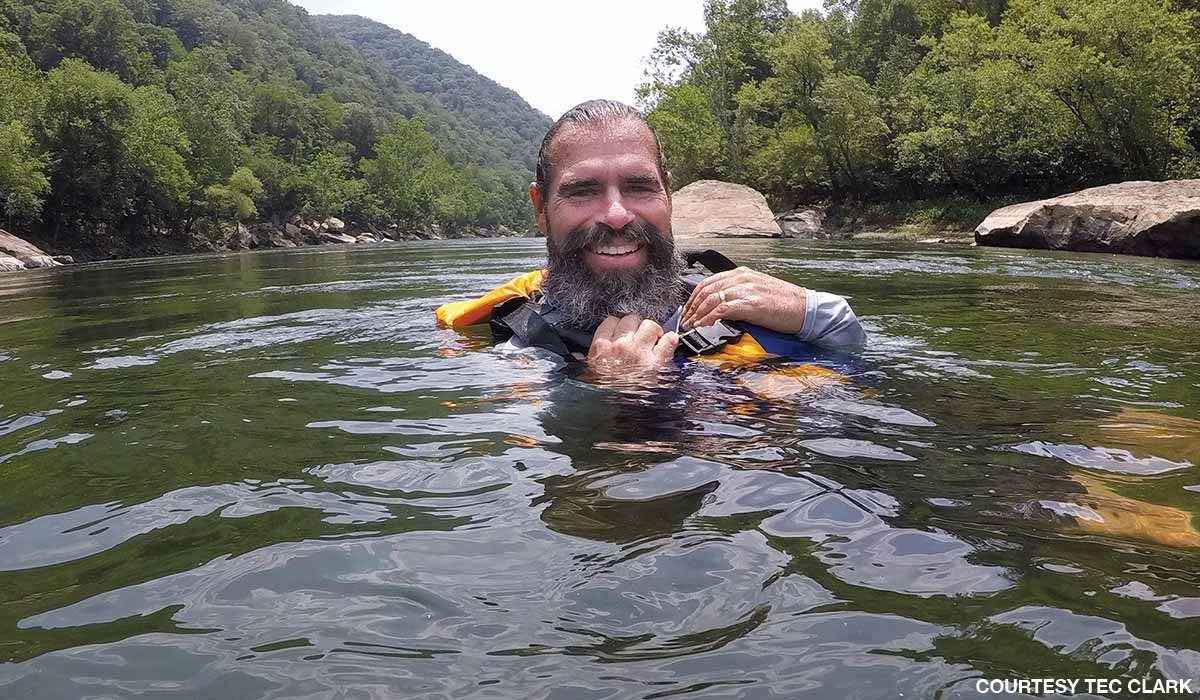
Dive legend Tec Clark has built a memorable career and legacy around training excellent divers. He describes his underwater experiences as “absolutely worshipful” and “otherworldly.” It’s the place where he feels closer to God than anywhere else on Earth. Helping others safely and professionally experience this same life-changing magic is his focus. Clark summed up the philosophy behind all his advice to new dive professionals: “Great training is the key to great diving. Don’t cut corners. Offer excellent training. Go beyond the standard.”
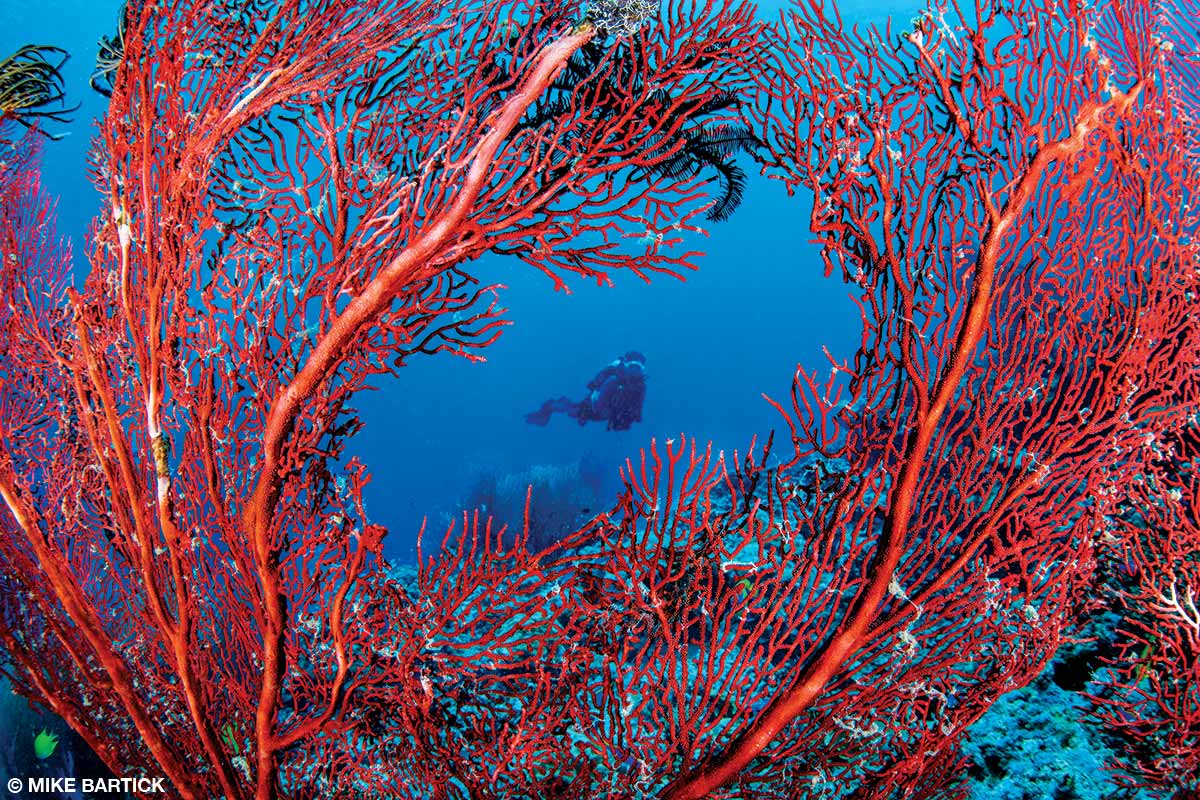
Turbid water can be a challenging environment for underwater photographers, particularly when shooting wide angle. Turbid water may not appear brown or green from the surface — in many cases the water looks entirely different once we drop in and begin the dive. All water is turbid to some degree. Understanding what causes turbidity and knowing how to work around it can make a world of difference when shooting in those conditions. One of the best skills a photographer can develop, particularly for shooting wide angle, is learning how to read water quality.
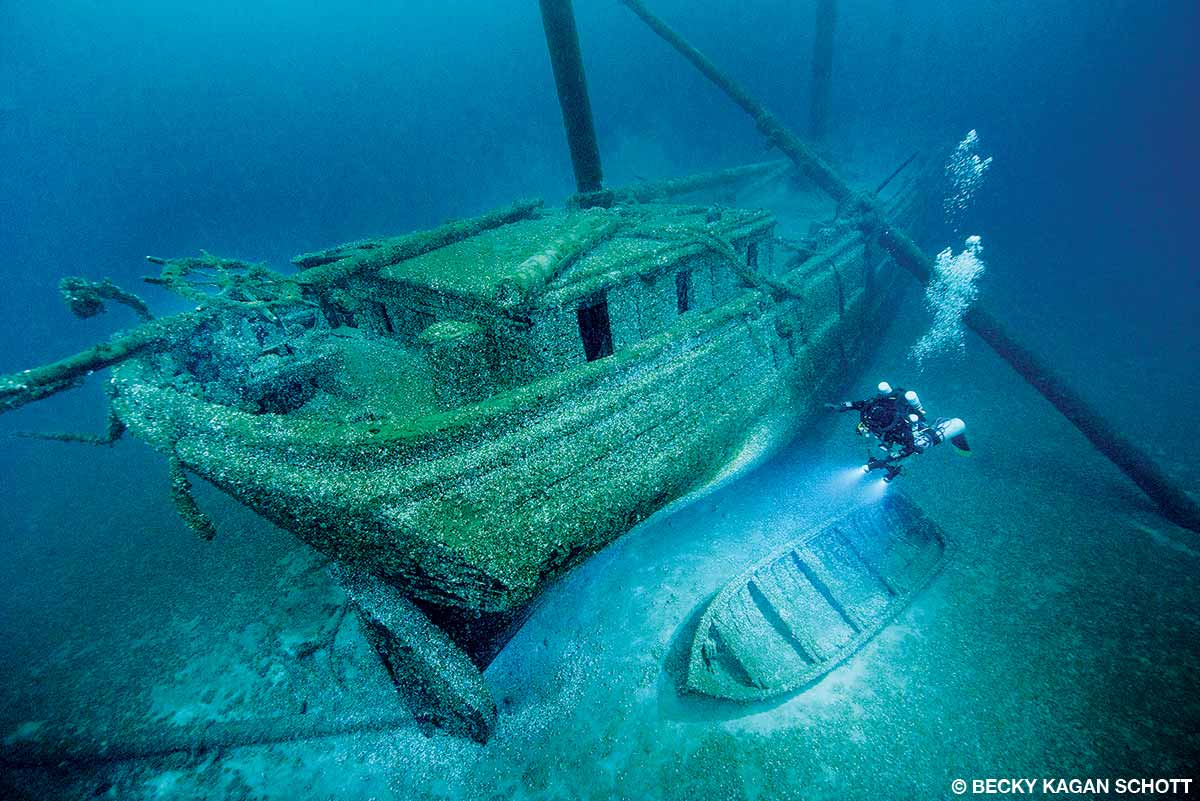
Thunder Bay National Marine Sanctuary in Lake Huron off the northeastern coast of Michigan has nearly 100 known shipwrecks, and others are still being discovered. The oldest shipwreck there sank in 1849, but many wrecks are from the mid- and late 1800s to the early 1900s. The location, history and variety of ships — from wooden schooners to freighters — make Thunder Bay special. The wrecks are at various depths, ranging from the snorkel zone to recreational and technical diving levels.
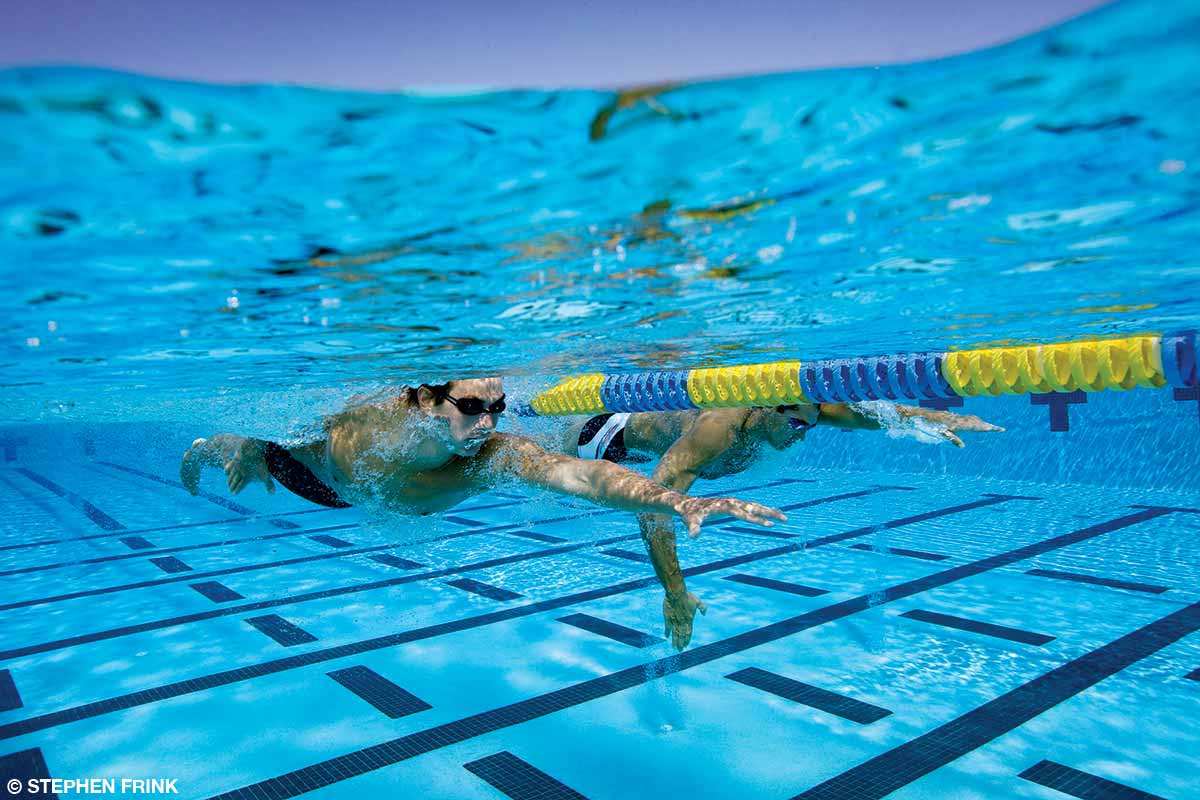
Sometimes life gets in the way — family obligations, unforeseen injuries, work responsibilities, social events — or perhaps the world as we know it shuts down for a while. When these things overwhelm us, many people tend to sacrifice exercise first. You may miss a few workouts, and then your exercise routine slowly slips from regular to nonexistent. It happens to most people — even fitness experts and professional athletes — at some time. Although it may feel challenging, it is possible to restart your exercise routine.
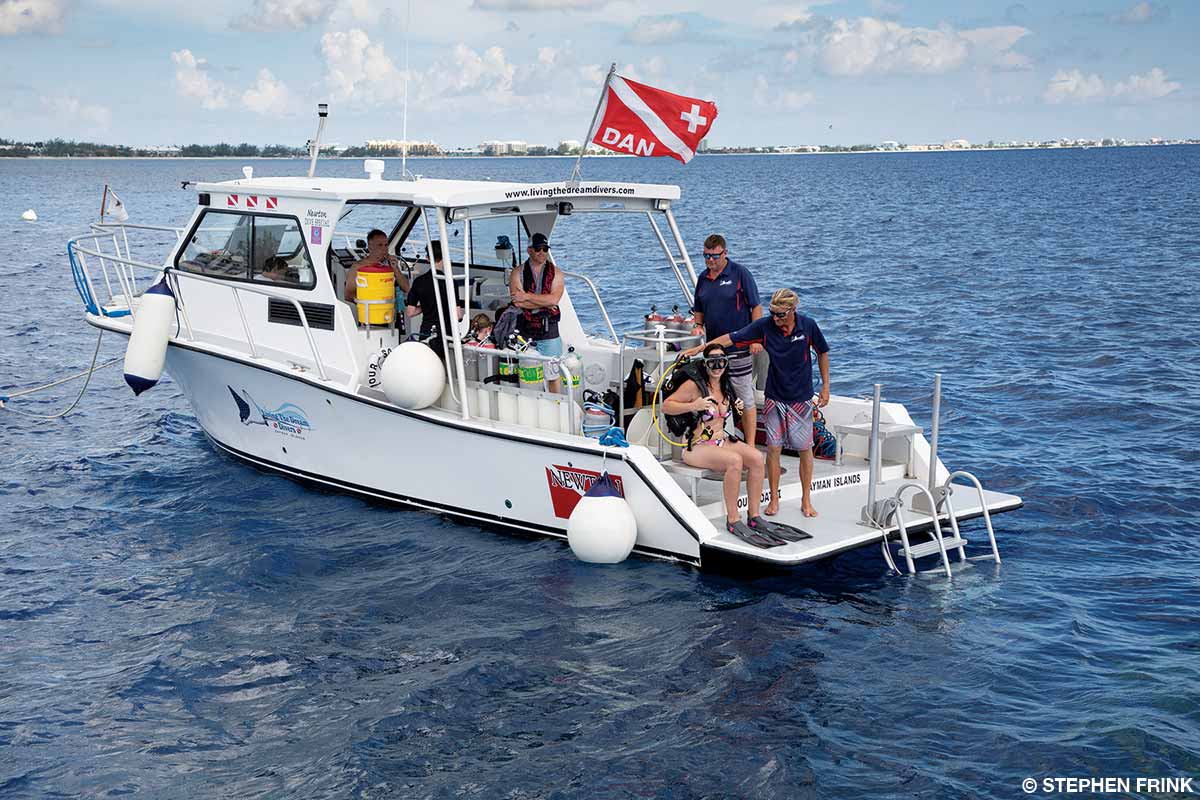
The first step in ensuring the safety of staff, divers and the public is to develop a detailed awareness of the real risks present in all operations performed by dive businesses and professionals. DAN® has produced a brief guide for anyone responsible for safety. The guide offers an introduction to identifying and understanding 17 of the most common areas of concern. These potential incident sources highlight the kinds of considerations that need attention and help operators to better understand how they might apply this knowledge to their businesses.