Setelah Kecelakaan
Being involved in a traumatic event can take a toll on everyone: dive professionals or rescue divers who perform a rescue, lay providers who help with CPR and first aid, and dive buddies or bystanders.
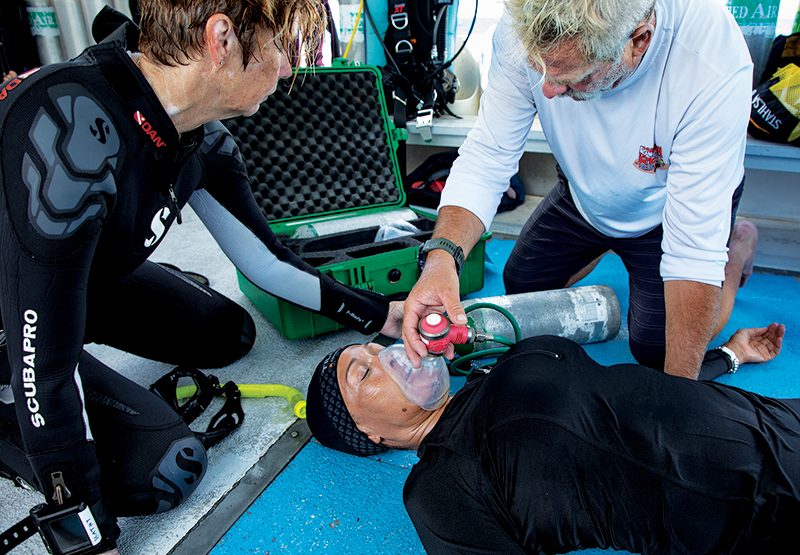
Being involved in a traumatic event can take a toll on everyone: dive professionals or rescue divers who perform a rescue, lay providers who help with CPR and first aid, and dive buddies or bystanders.
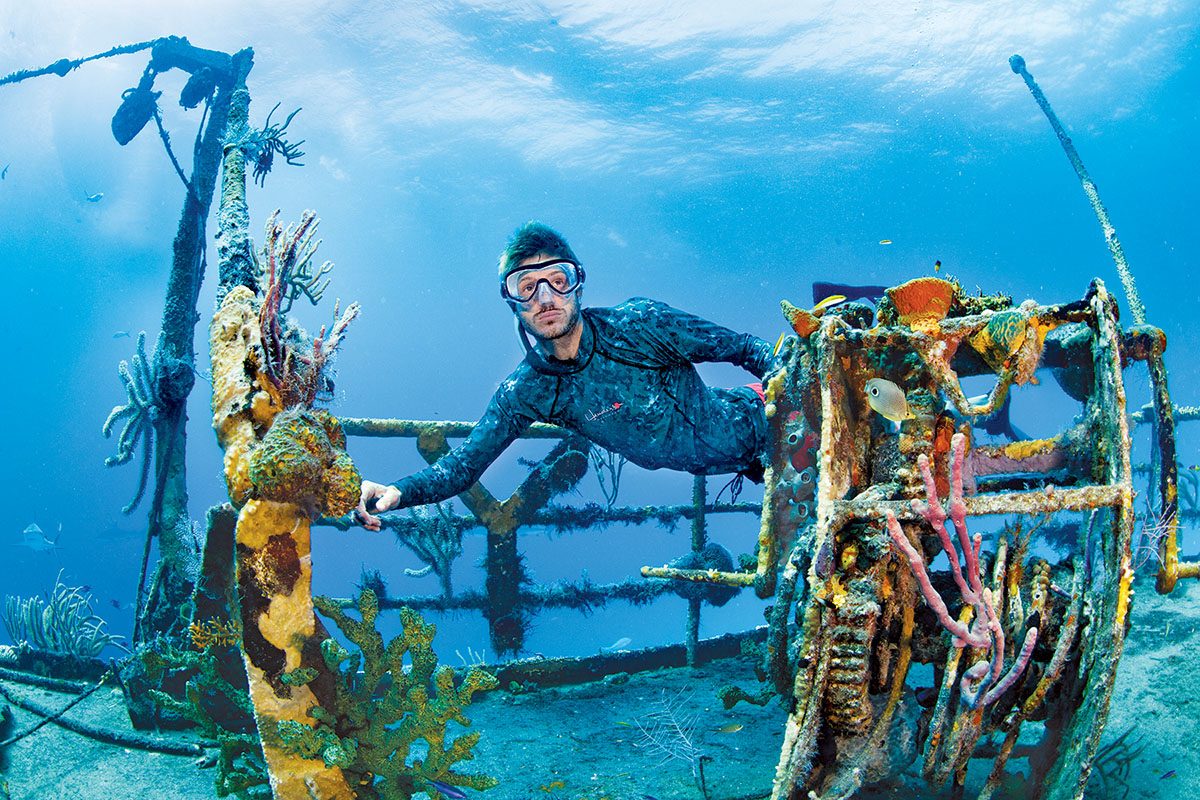
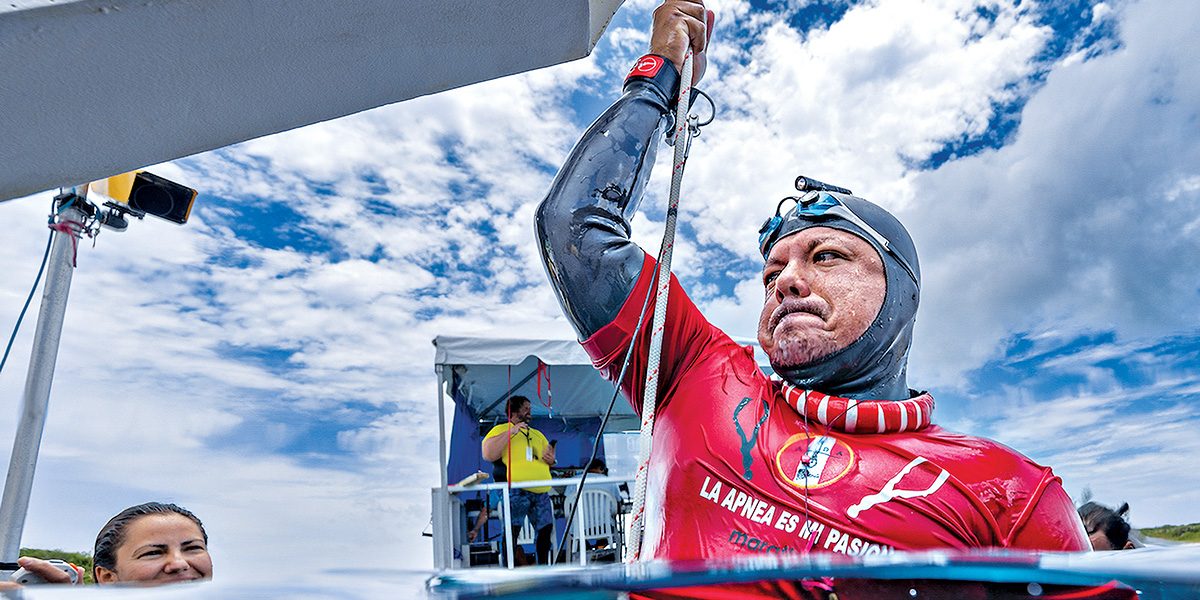
Minat terhadap penyelaman dengan menahan napas, yang juga dikenal sebagai penyelaman bebas, telah berkembang pesat selama dekade terakhir. Sebagian besar orang yang menyukai olahraga air pernah menahan napas di bawah air pada suatu saat, tetapi sebagian besar melakukannya tanpa pelatihan formal atau kesadaran akan bahaya yang diketahui meskipun informasi tentang penyelamatan nyawa ini sudah tersedia.
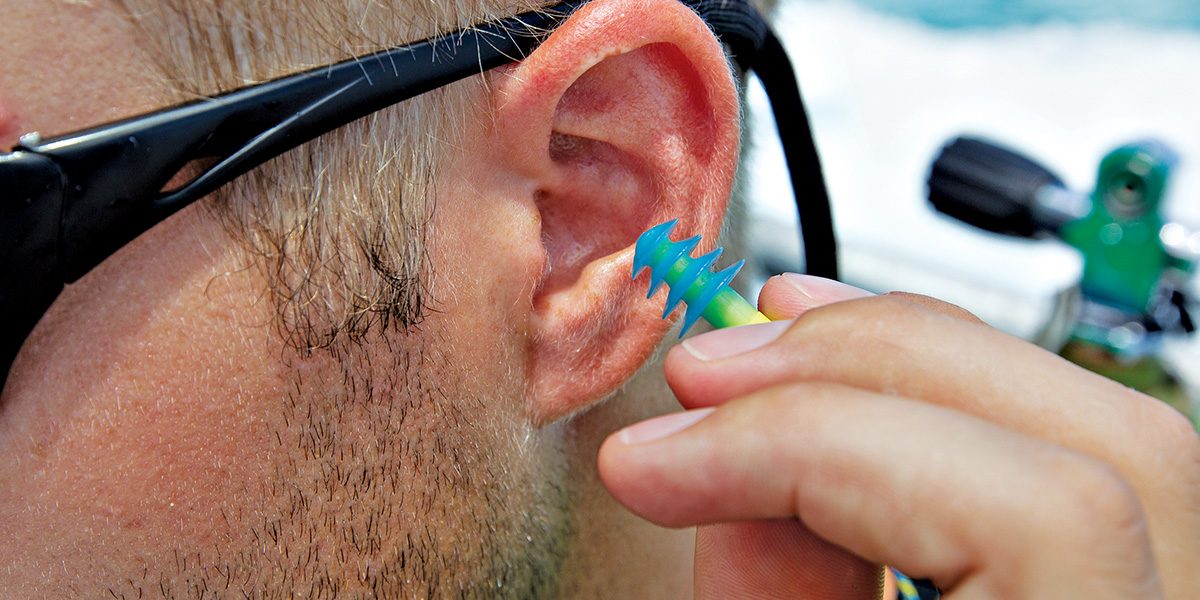
TOPIK YANG SERING TERJADI saat membahas keselamatan menyelam adalah penggunaan penyumbat telinga. Apakah mereka aman digunakan saat menyelam? Apakah DAN memiliki rekomendasi?
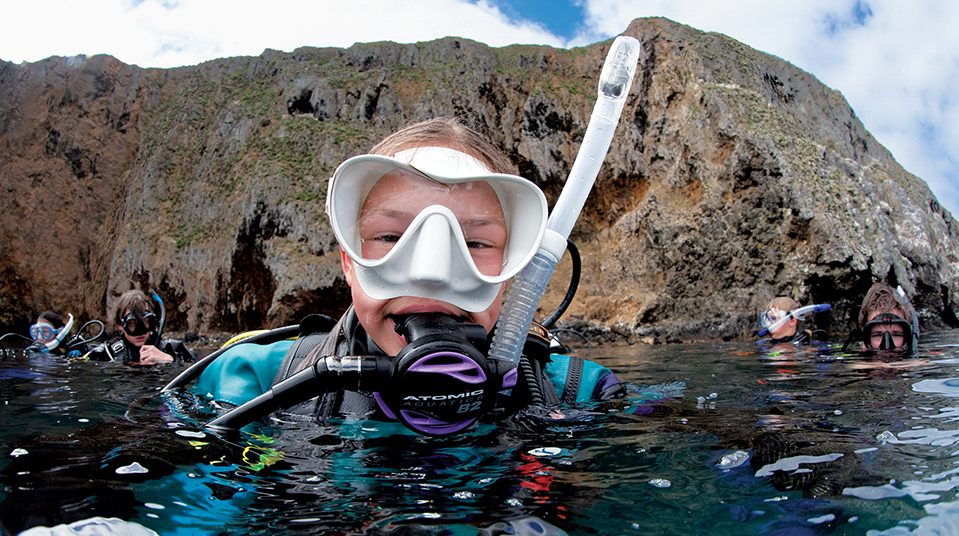
ANAK di bawah umur telah menyelam selama puluhan tahun, tetapi kejadian cedera akibat menyelam di antara mereka masih belum banyak diteliti.
THE RAPID GROWTH OF FREEDIVING in the U.S. brings a positive light to a sport that is mentally healthy and physically inspiring but has little tolerance for error. Shallow-water blackout and respiratory barotrauma are the most feared consequences of freediving, but they can be minimized with training and good safety practices.
Scuba diving demands not only physical fitness but also proper nutritional preparation. Like with any activity, we expend energy while diving; surprisingly, the energy required for routine recreational diving is somewhat moderate. Under unusually strenuous recreational conditions, however, it’s possible to burn more than 500 calories.

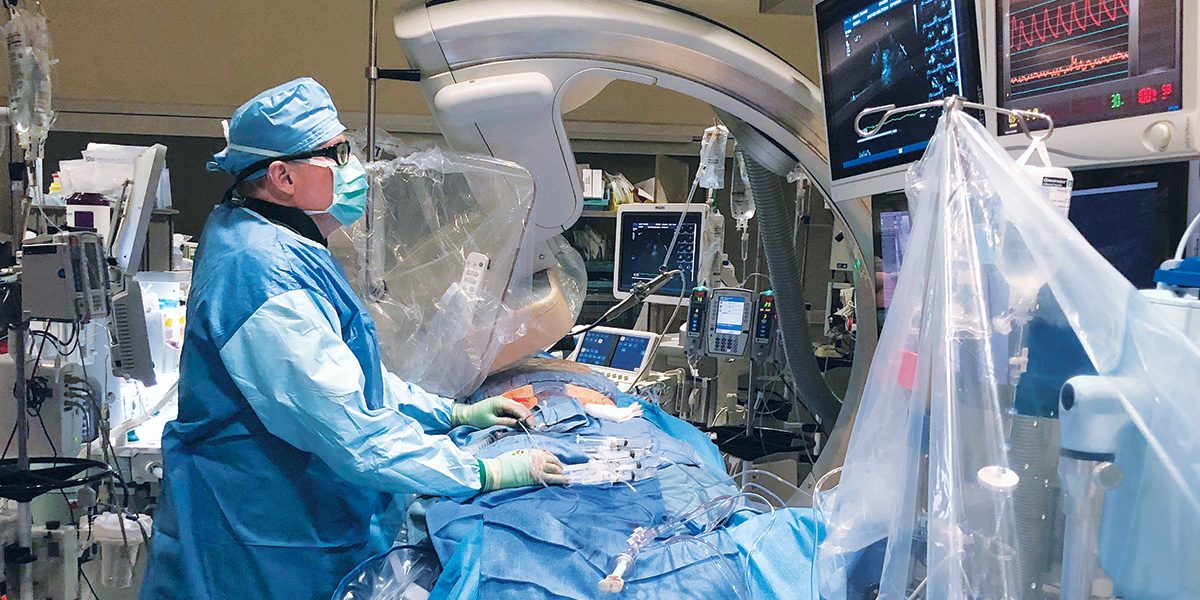
To clear up any confusion divers may have about patent foramen ovale (PFO), I will share how I explain the condition to patients.
The day-to-day tasks of injury monitoring at Divers Alert Network include tracking dive fatalities by sifting through emails, news alerts, and social media to collect information about recent events. Our goal is to report to the dive community our findings on what people report to us or what we encounter in our research.
Certified divers learned to do predive safety checks during training, but do they perform one every time they dive? It is one of the easiest ways to prevent oversights, gear malfunctions and forgotten pieces of equipment. But predive safety checks often aren’t as thorough as they should be. Complacency and skipping your predive safety check or buddy check are entirely preventable factors in dive accidents. Complete all your checks before every dive.
