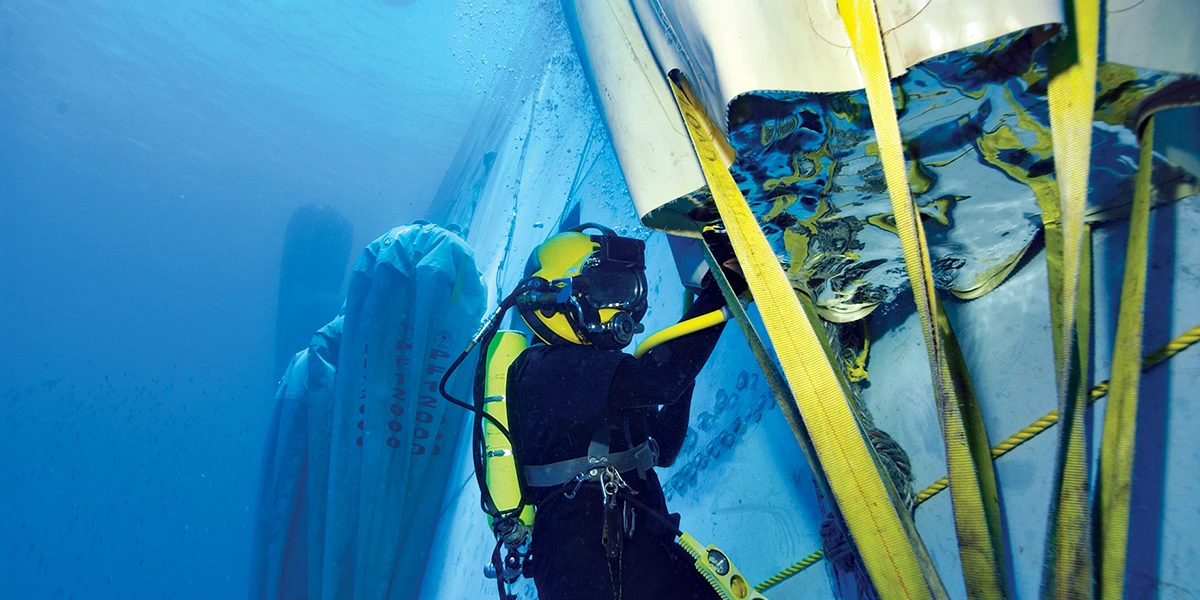
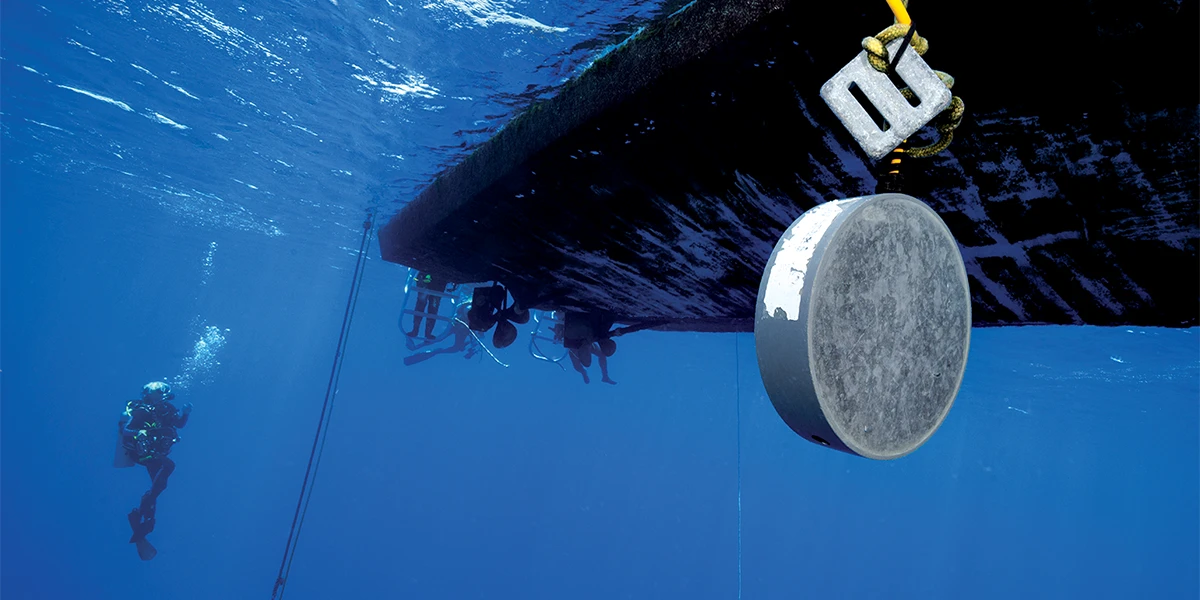
Divers generally use lift bags to raise submerged objects to the surface. The lift bag is filled with gas until the object exhibits neutral buoyancy so divers can bring it to the surface with minimal exertion.
Gloves are one of the most overlooked and individualized pieces of dive equipment. When choosing gloves, consider the kind of diving you plan to do and what you expect from your hand protection. When selecting gloves, consider the following factors: thermal protection, fit, dexterity, hazard protection, impact resistance and materials.
Whether for recreation, research, or commercial work, diving puts humans in a fundamentally hazardous environment. Visibility, pressure effects, and sound distortion limit communication between divers and surface teams, making real-time […]
No matter which alternate air source you choose, learn to calculate your air consumption and regularly practice emergency procedures. There are many ways to configure each type of redundant breathing-gas supply, but make sure your setup matches your training, gear arrangement and dive objectives. If a naysayer thinks your equipment choice is unnecessary, let them know that the difference between a fatal accident and an embarrassing incident could come down to a breath or two. Any redundancy is better than none.
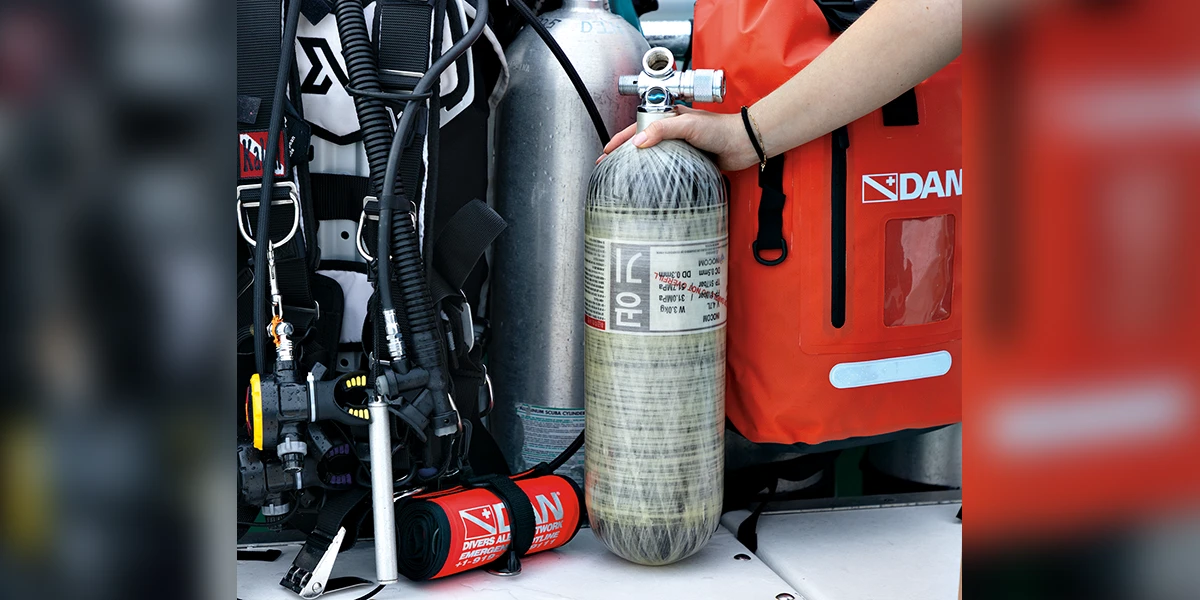
Composite, fiber-wound cylinders are making their way back into diving in rebreathers and other advanced scuba gear. The weight and lifespan benefits of these cylinders are attempting to challenge their previous cost barrier.
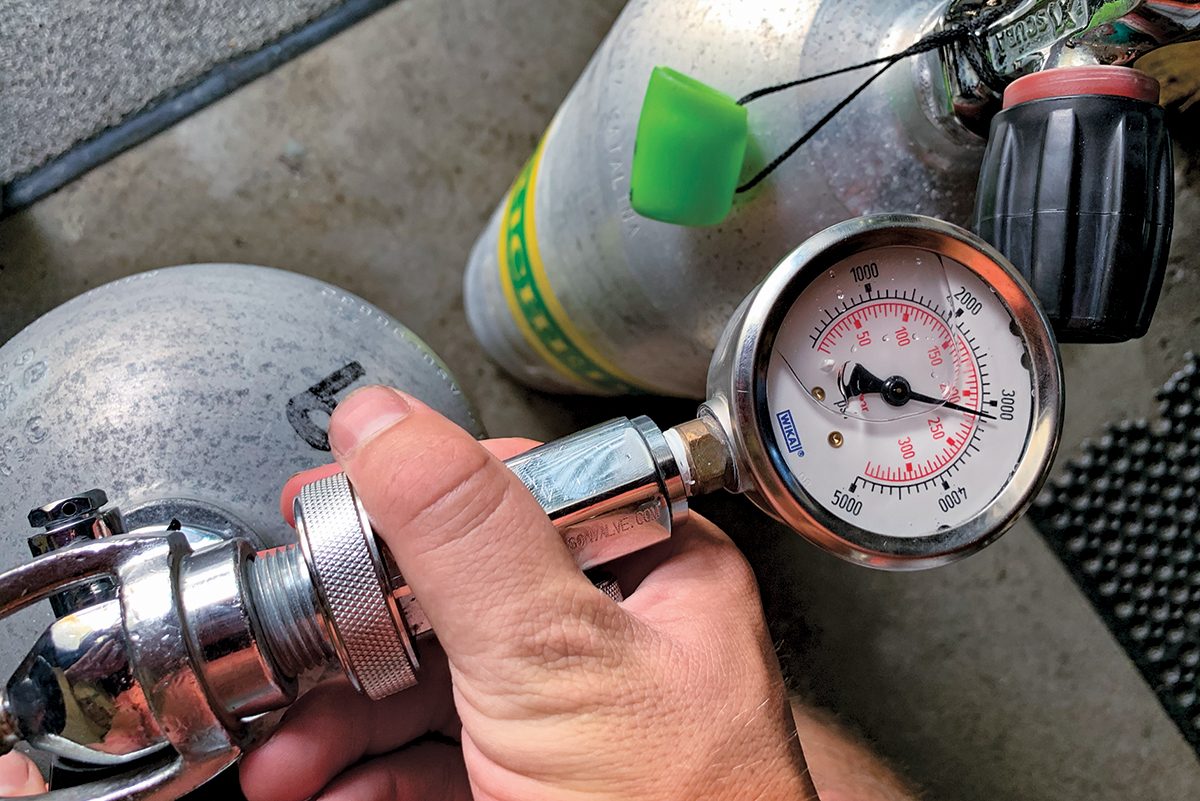
The 11-liter aluminum 80, aptly named for its 11-liter internal volume and 80-cubic-foot capacity when filled to its 200 bar/3,000 PSI rated pressure, is by far the most common cylinder. Just because it is the most common, however, may not mean it is the right one for you. Cylinders come in a wide variety of […]
As the field of recreational diving continues to evolve, DAN remains committed to being at the forefront of safety and scientific advancement. The purpose of this article is to educate […]
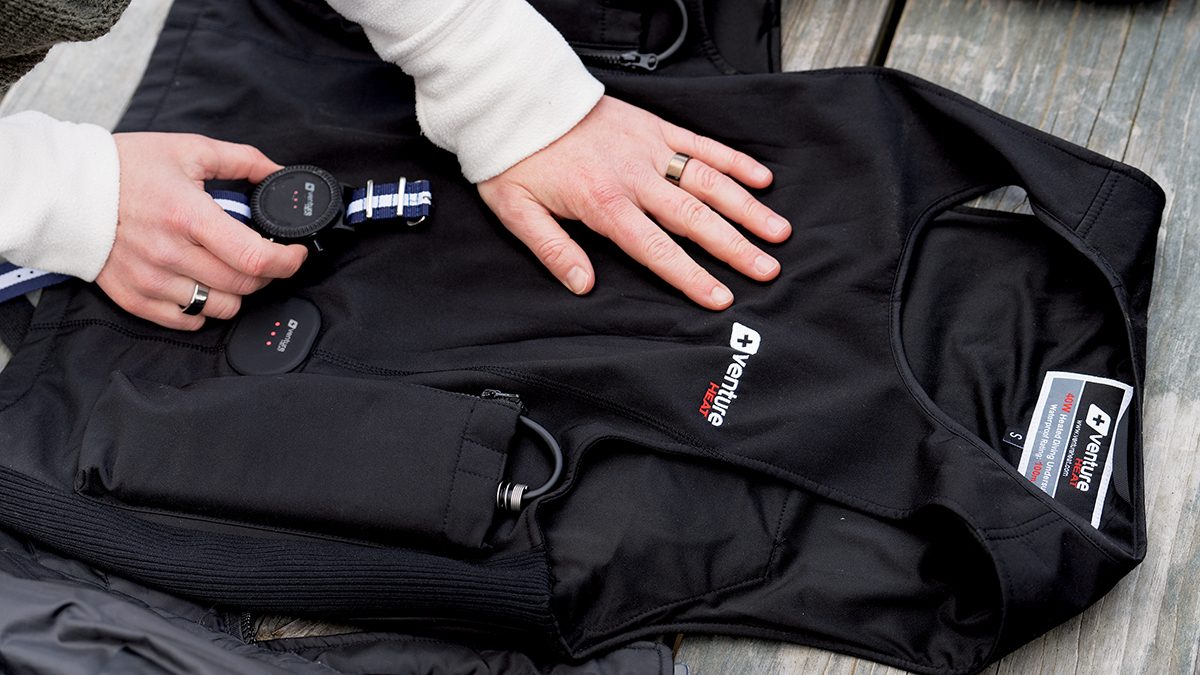
GETTING COLD ON A DIVE IS UNPLEASANT, but if it progresses to hypothermia, it becomes potentially fatal. Even more than discomfort, considering the physiological and psychological stress it can cause, being cold is potentially risky.
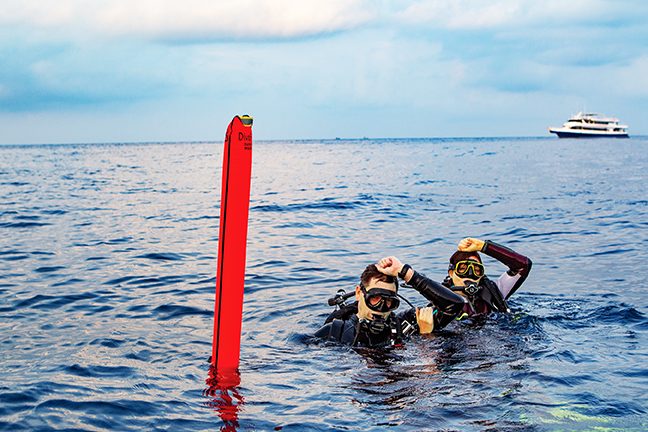
SURFACE MARKER BUOYS (SMBS) AND DELAYED SURFACE MARKER BUOYS (DSMBS) are common and essential safety devices. These brightly colored, inflatable tubes, sometimes called safety sausages, are critical pieces of equipment that divers should take on most dives. Divers most often use them as signaling devices to mark their locations below the surface and alert boat […]
DES TERMES DIFFÉRENTS PEUVENT PARFOIS DESCRIRE le même équipement dans l'industrie de la plongée. Ce que certains plongeurs appellent une lampe de plongée, par exemple, d'autres l'appellent une torche de plongée. Les deux étant physiquement identiques, les noms sont interchangeables et ne causent au pire qu'une confusion mineure.