Repenser notre relation avec les requins
Les requins comptent parmi les plus anciens survivants de l’océan. Ils sillonnent les mers de la Terre depuis plus de 450 millions d’années — bien avant l’apparition des premiers arbres ou la formation des anneaux de Saturne. Ils ont traversé cinq extinctions de masse qui ont éliminé la majorité du vivant, y compris les dinosaures, survivant là où la plupart des autres espèces ont disparu.
Aujourd’hui, les requins font face à une nouvelle menace : l’être humain. La surpêche, la perte d’habitat, le changement climatique et la pollution exercent une pression sans précédent sur les populations de requins à l’échelle mondiale. Chaque année, environ 100 millions de requins sont tués par les humains — soit près de 274 000 par jour, ou trois chaque seconde.
Nous n’avons pas un problème de requins ; nous avons un problème humain. De nos pratiques de pêche à la manière dont nous racontons leur histoire, les choix de l’humanité façonnent le destin des requins plus que toute autre force naturelle.
Malgré leur résilience, les requins restent profondément vulnérables — non seulement aux pressions environnementales, mais aussi à la manière dont les humains les perçoivent. Notre relation avec eux est une mosaïque changeante faite de respect, de peur, de fascination et d’exploitation. Pendant des siècles, cultures, pêcheurs, artistes, scientifiques et aujourd’hui opérateurs du tourisme mondial ont influencé notre vision des requins et la manière dont nous les traitons.
L’histoire des requins parle autant de nous que d’eux. Pour comprendre leur avenir, il nous faut examiner le long fil de l’histoire et les choix que nous faisons aujourd’hui.
Requins sacrés : les premières connexions culturelles
Bien avant que les marins occidentaux ne dépeignent les requins comme des monstres marins, les cultures insulaires du Pacifique les vénéraient. En Polynésie, les requins n’étaient pas craints, mais honorés en tant qu' aumakua — des gardiens ancestraux incarnant les esprits familiaux. On croyait que ces requins protégeaient leurs proches humains, les guidant à travers les tempêtes, orientant les pirogues ou avertissant des dangers.
Les traditions orales abondent en récits de dieux requins épousant des mortels ou de requins protecteurs sauvant des naufragés en les ramenant en sécurité vers la côte. À Hawaï, les familles offraient prières et présents aux aumakua, les respectant comme des membres de leur lignée. Ce respect n’était pas abstrait — il était vécu, concret, et fondé sur une éthique de réciprocité : prendre de la mer tout en honorant les êtres qui la partagent.
Cette relation culturelle ancienne révèle une vision très différente des requins : non pas comme des menaces, mais comme de puissants alliés. Elle contraste fortement avec le récit qui dominera ensuite la pensée occidentale.
La diabolisation dans l’art et la pensée occidentaux
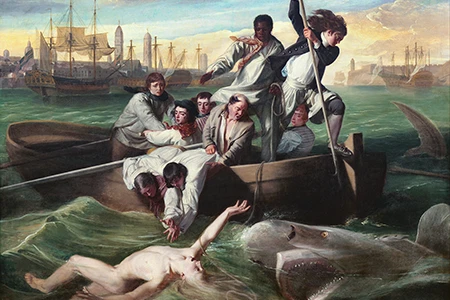
Les premières rencontres européennes avec les requins furent marquées par la peur et l’inconnu. L’une des images les plus célèbres est le tableau de John Singleton Copley, Watson and the Shark. Il représente un jeune homme dans le port de La Havane, à Cuba, le corps arqué de terreur tandis qu’un requin s’approche de lui, alors que des sauveteurs tentent de l’aider.
Cette image s’est largement diffusée, ancrant l’idée du requin comme tueur impitoyable dans l’imaginaire collectif. Les eaux de La Havane étaient alors riches en activités humaines, en déchets et en commerce, attirant des prédateurs opportunistes — mais la nuance survit rarement dans l’art. Les requins sont ainsi devenus le support idéal pour projeter la peur de l’inconnu, du sauvage et de l’océan lui-même.
À partir de cette époque, la littérature occidentale, les récits de voyage et les histoires maritimes ont souvent présenté les requins comme des symboles de menace. Les graines de la peur étaient semées bien avant que Hollywood ne les fasse éclore.
Les requins comme prédateurs dans les archives publiques
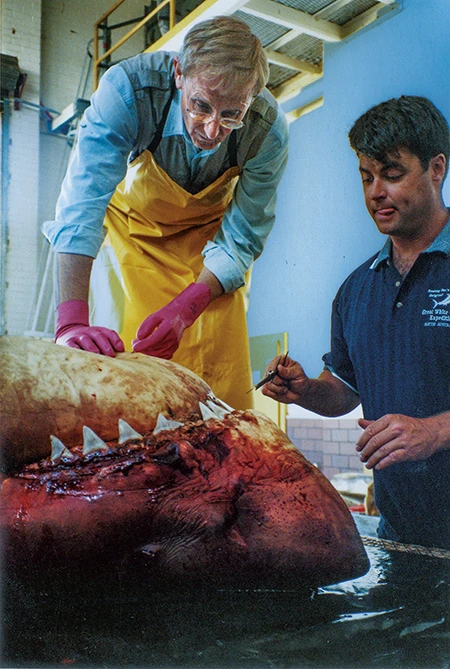
Notre fascination pour le danger des requins a conduit à une documentation systématique. L’International Shark Attack File, la base de données la plus ancienne au monde sur les interactions requin–humain, recense des incidents sur plus de 400 ans. Son objectif est d’apporter des données objectives : nombre d’incidents, circonstances et espèces impliquées.
Les chiffres racontent une histoire frappante : les attaques mortelles de requins sont rares. On compte environ quatre décès humains par an dans le monde — bien moins que ceux causés par la foudre, les accidents de bateau, les chiens, les vaches ou même la chute de noix de coco — et pourtant ces événements occupent une place disproportionnée dans notre imaginaire.
Les psychologues soulignent que l’être humain est naturellement enclin à craindre les prédateurs invisibles, surtout dans un environnement où il se sent vulnérable. La simple possibilité qu’un requin rôde suffit à influencer les comportements, dissuadant certaines personnes d’entrer dans l’eau.
Les données nous rappellent une réalité difficile à accepter pour certains : les requins ne sont pas les chasseurs implacables de la légende. Ce sont des prédateurs, certes, mais aussi des acteurs essentiels à la santé des océans et à la biodiversité. Les interactions avec les humains sont le plus souvent accidentelles.
L’effet "Les dents de la mer"
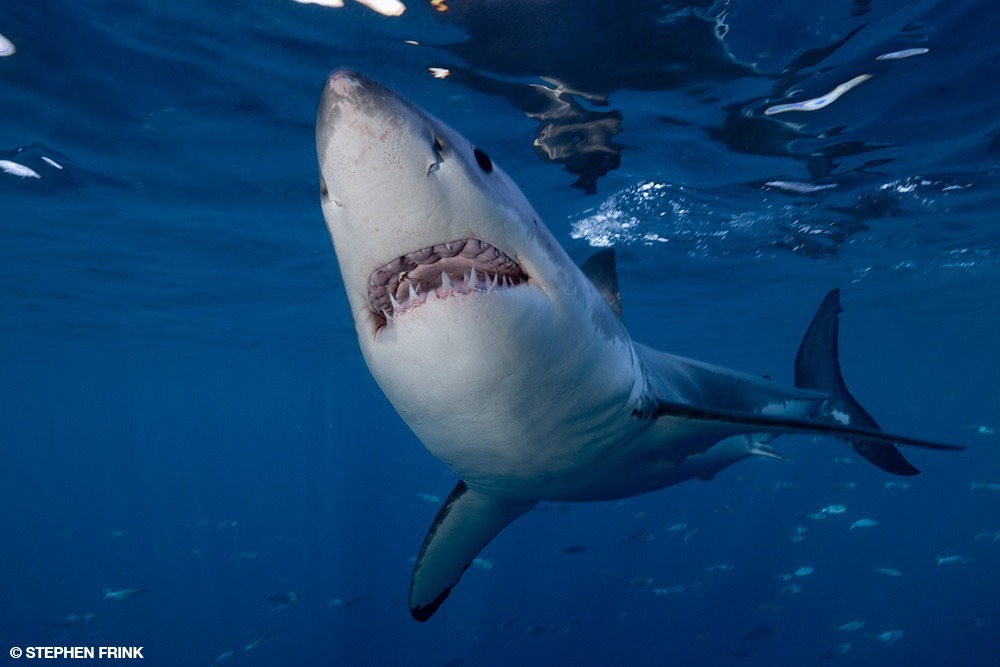
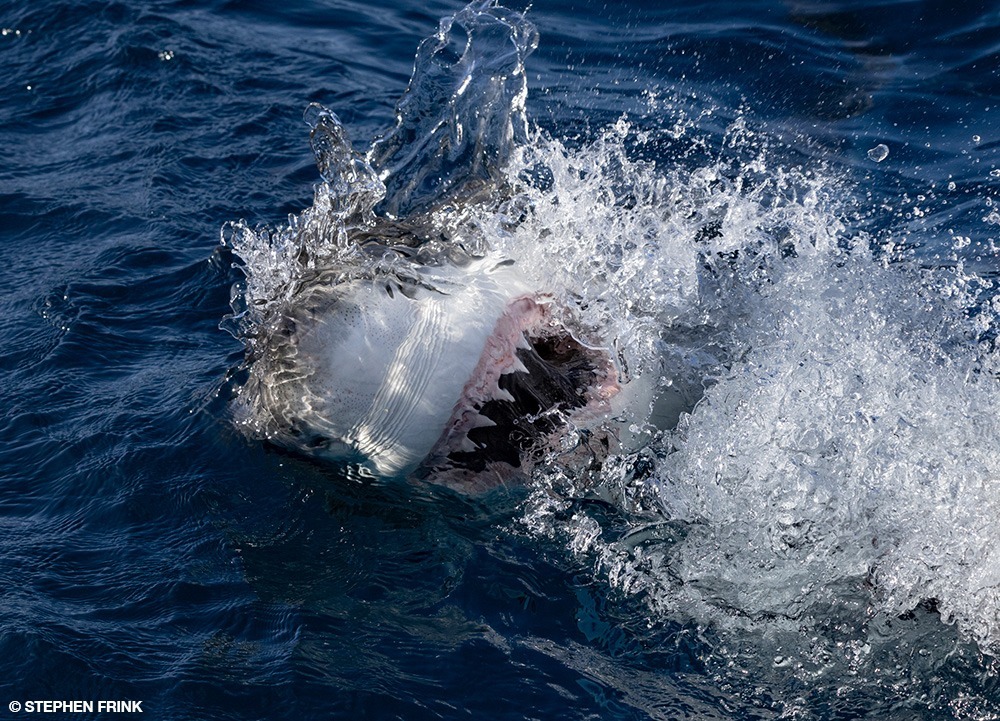
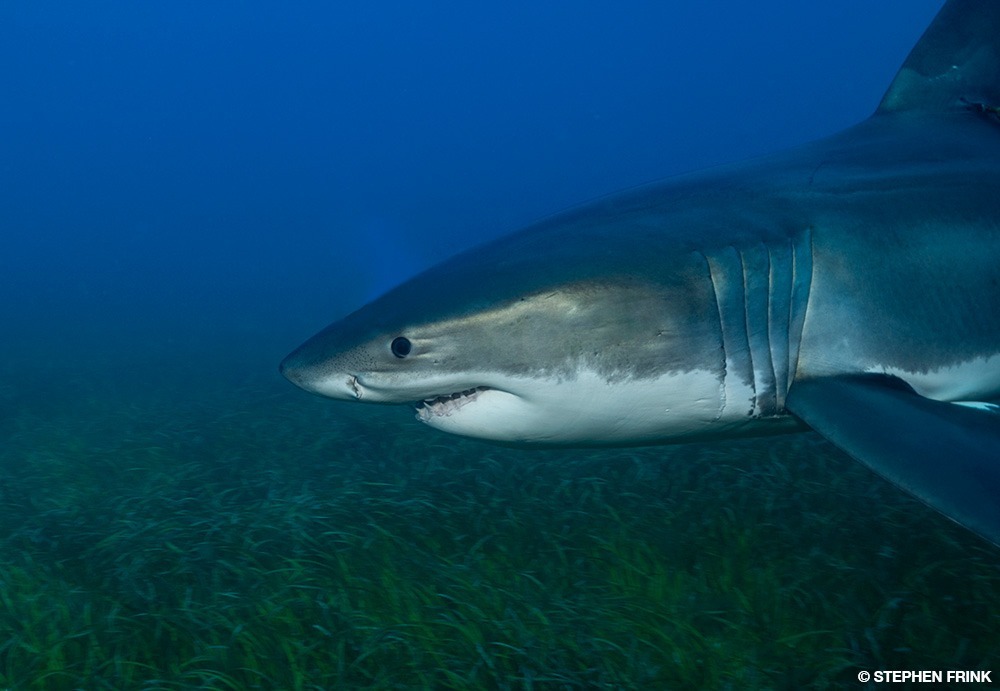
À l’été 1975, un film a tout changé. "Les Dents de la Mer" n’a pas seulement diverti — il a terrifié. Le film de Steven Spielberg, inspiré du roman de Peter Benchley, a transformé le grand requin blanc en antagoniste parfait : silencieux, implacable et tapissant juste au large. Il a touché une peur primordiale, rendant l’océan lui-même menaçant.
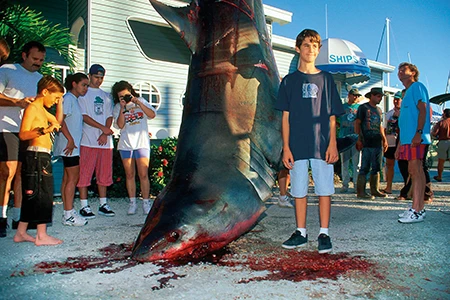
L’impact fut immédiat et dévastateur. Presque du jour au lendemain, les tournois de pêche aux requins se sont multipliés, les programmes d’abattage ont été justifiés et les requins ont été massacrés comme trophées. Pendant cinq décennies, l’héritage de "Les Dents de la Mer" a déformé la perception du public, rompant le lien émotionnel entre l’homme et l’océan. Beaucoup de personnes, pourtant attirées par l’eau, ont préféré s’en éloigner, marquées par des images d’ailerons et par une musique inquiétante.
La Shark Week de Discovery Channel, lancée en 1988, a exploité cette peur, souvent à travers des titres sensationnalistes tels que Sharkpocalypse et Great White Serial Killer. La peur est devenue un divertissement, et le divertissement est devenu une forme de renforcement culturel.
Requins et pêcheurs : le débat sur la déprédation
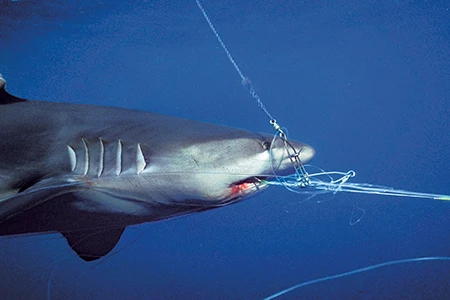
Tous les conflits entre humains et requins ne se déroulent pas sur les plages. De plus en plus, ils ont lieu au bout d’une ligne de pêche. En Floride et ailleurs, les pêcheurs sont confrontés à un phénomène croissant : des requins s’emparent des poissons accrochés avant qu’ils ne soient remontés. Ce comportement, appelé déprédation, existe depuis longtemps mais semble en augmentation avec la reprise de certaines populations de requins.
Pour les pêcheurs, la frustration est réelle. Remonter la moitié d’un poisson après des heures d’efforts et des investissements coûteux est décourageant. Certains considèrent les requins comme une nuisance, estimant qu’ils sont trop nombreux. Mais cette perception est biaisée : de nombreuses populations de requins ont été fortement décimées au XXe siècle. Ce qui semble être une explosion est en réalité un retour vers des niveaux plus naturels.
Ce conflit a désormais atteint le Congrès des États-Unis. En 2025, des législateurs ont présenté le Supporting the Health of Aquatic Systems through Research, Knowledge, and Enhanced Dialogue (SHARKED) Act afin de répondre au problème de la déprédation. Le projet de loi propose la création d’un groupe de travail fédéral réunissant des scientifiques de la National Oceanic and Atmospheric Administration (NOAA), des représentants des agences étatiques, des gestionnaires des pêches et des experts indépendants afin d’étudier la question. Les priorités de ce groupe incluraient le comportement des requins, les méthodes de dissuasion non létales, la sensibilisation des pêcheurs et le rôle écologique des requins.
Les partisans considèrent le projet de loi (H.R. 207) comme une opportunité de mettre en place des solutions fondées sur la science. Les défenseurs de la conservation mettent en garde contre le fait qu’un langage trop vague pourrait laisser place à des mesures létales, ce qui représenterait un risque pour des espèces encore en phase de reconstitution. Le défi sera de s’assurer que cette législation transforme la frustration en innovation, et non en abattage. La Chambre des représentants des États-Unis a adopté le projet de loi, et le Sénat l’a renvoyé à la Commission du commerce, des sciences et des transports.
La déprédation est plus qu’une nuisance — elle rappelle la complexité des interactions par lesquelles les activités humaines modifient les dynamiques entre prédateurs et proies. Le SHARKED Act pourrait établir un précédent quant à la manière dont nous choisirons de considérer les requins: comme des concurrents à gérer ou comme des habitants de l’océan dont la présence exige que nous nous adaptions à leurs besoins.
Les requins dans les médias : monétiser le monstre
Alors que les décideurs tentent de gérer les conflits entre requins et pêcheurs, les récits médiatiques continuent d’influencer l’opinion publique. La Shark Week et des programmes similaires génèrent des millions de dollars de revenus chaque année. La peur se vend, et l’attrait des titres évoquant des « requins tueurs » reste puissant.
Pourtant, un changement est en cours. Les spectateurs sont de plus en plus attirés par des documentaires qui mettent en avant la science des requins, leur conservation et l’expérience de rencontres sécurisées avec ces animaux. Les programmes qui remplacent le sensationnalisme par l’éducation pourraient enfin être en train de réécrire le récit. L’enjeu est de taille : les histoires que nous voyons à l’écran contribuent à déterminer si la prochaine génération craindra les requins ou se battra pour les protéger.
Les requins comme ressource économique
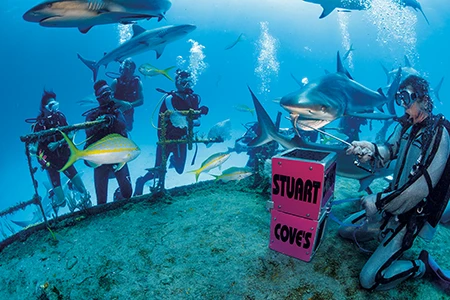
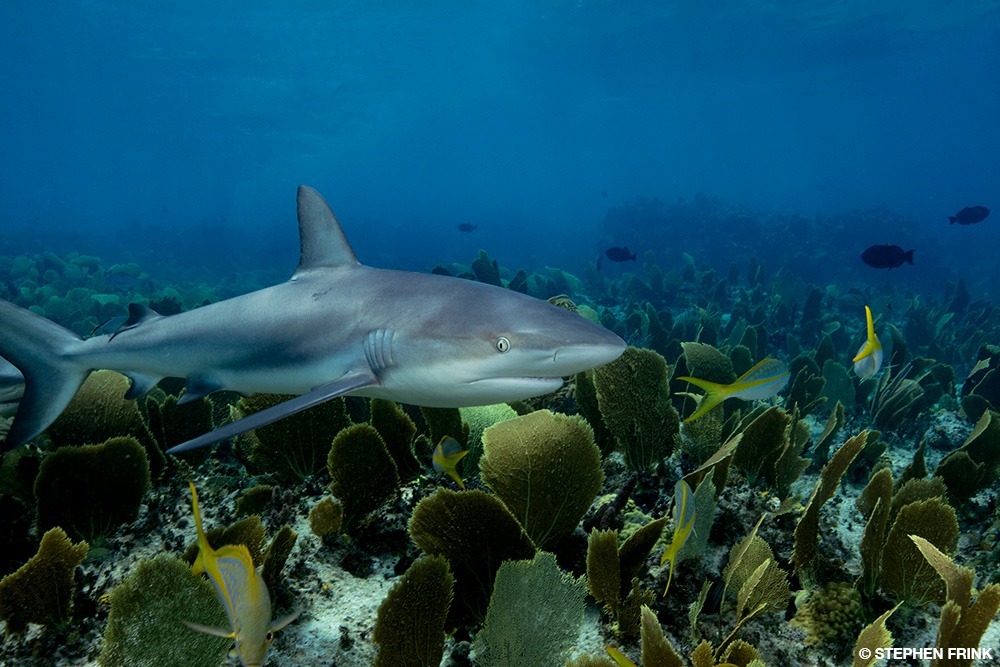
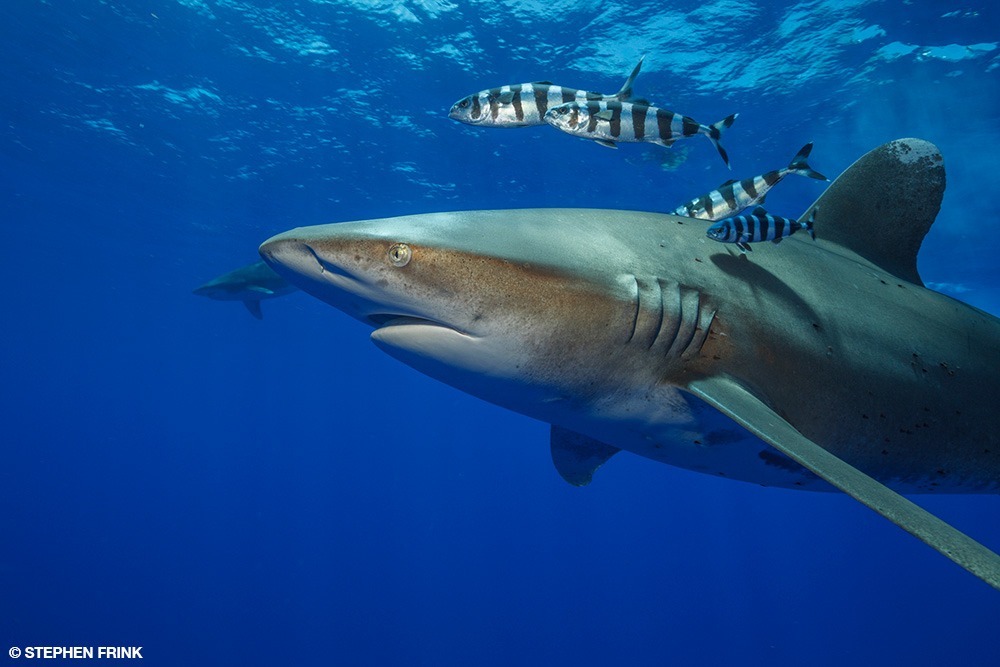
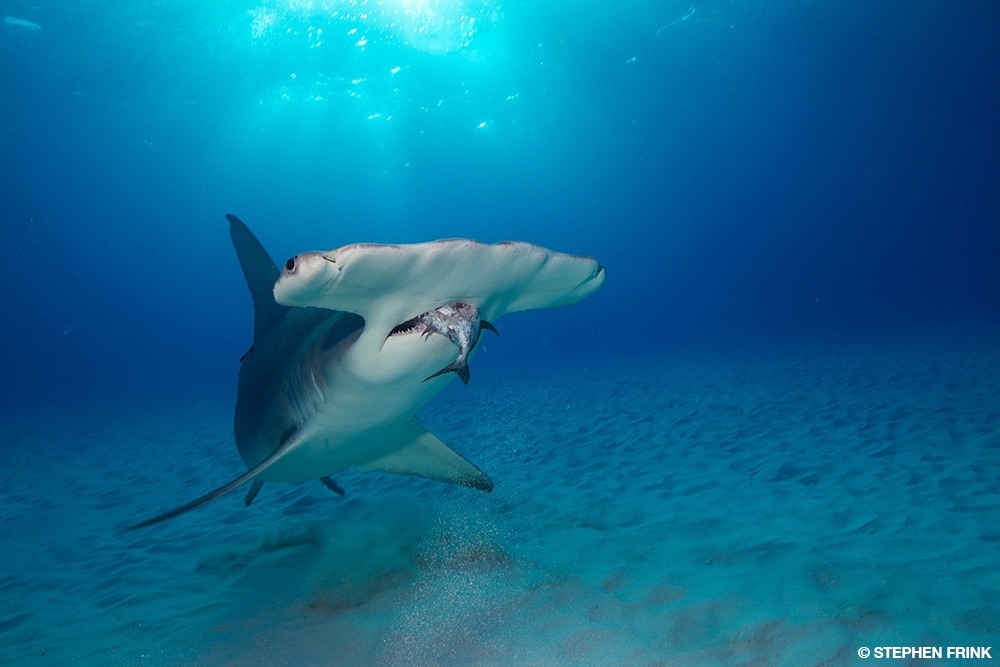
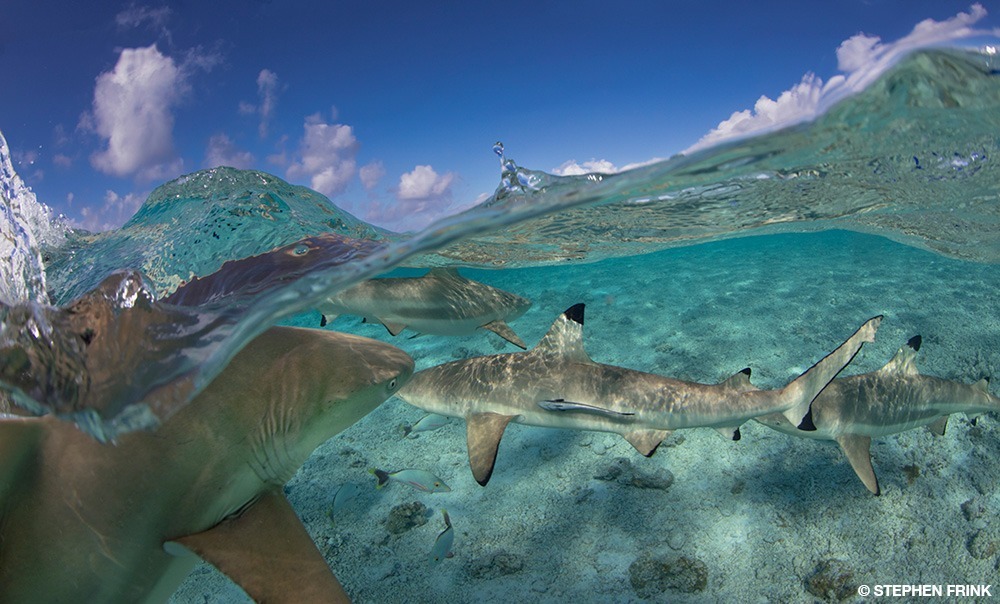
Si les médias tirent profit de la peur, de nombreux pays tirent profit de la fascination. La plongée avec les requins est une activité économique majeure aux Bahamas, aux Fidji, à Palau et ailleurs. Les touristes dépensent des millions pour observer des requins de récif, des requins tigres, des requins bouledogues, des requins-marteaux et des requins-baleines dans leur milieu naturel. Des études montrent qu’un seul requin, vivant et en bonne santé, peut générer plus d’un million de dollars de revenus touristiques au cours de sa vie — bien plus que sa valeur en tant que capture unique.
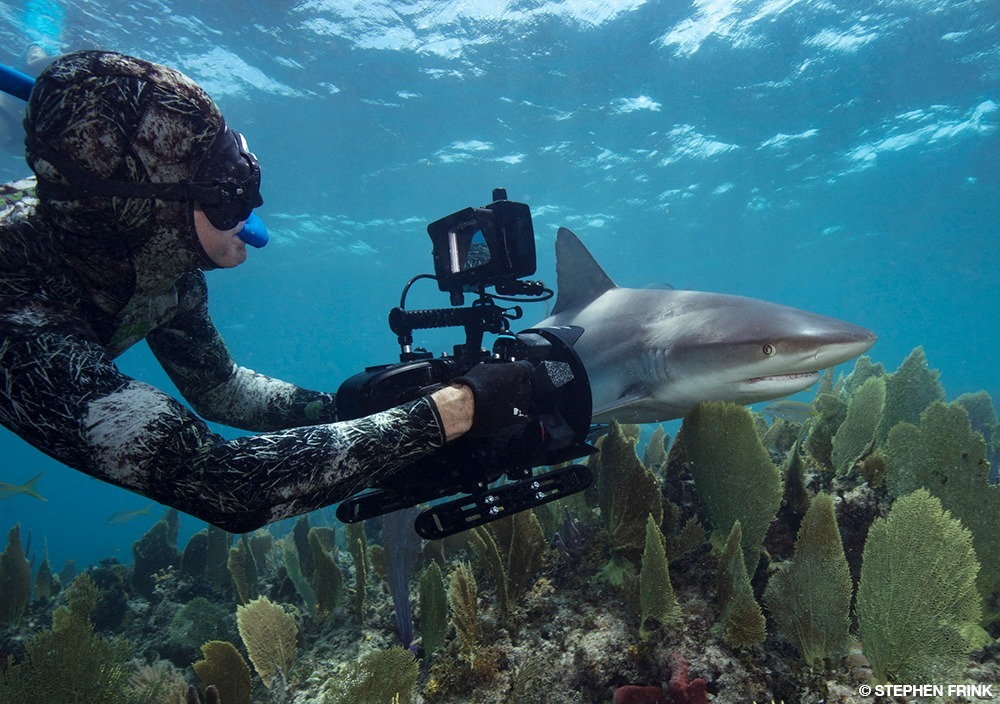
Mais la présence de requins comporte des risques. Dans les rares cas d’incidents impliquant des plongeurs, ceux-ci sont souvent amplifiés dans les médias, bien qu’ils restent extrêmement peu fréquents au regard des milliers de plongées avec des requins, réalisées chaque année, dans le monde. Grâce à une formation adaptée, à une bonne connaissance du comportement des requins et à des protocoles de sécurité stricts, les opérateurs réduisent les risques, tant pour les personnes que pour les requins.
Le tourisme lié aux requins ne génère pas seulement des revenus, il favorise également une responsabilisation locale. Lorsque les communautés considèrent les requins comme une source de revenus durable, elles ont de puissantes incitations à les protéger ainsi que leurs habitats. Dans de nombreux cas, l’écotourisme a transformé d’anciens chasseurs de requins en protecteurs de ces espèces.
Les Bahamas en sont l’un des exemples les plus marquants. Le pays a instauré en 2011 un sanctuaire national pour les requins, interdisant la pêche commerciale des requins dans toutes ses eaux. La plongée avec les requins contribue désormais à hauteur de plus de 100 millions de dollars par an à l’économie bahaméenne, avec des populations florissantes de requins de récif, de requins tigres et de requins-marteaux qui attirent des plongeurs du monde entier.
Palau est allé encore plus loin. En 2009, cet État insulaire du Pacifique a créé le premier sanctuaire pour requins au monde, protégeant ces animaux dans l’ensemble de sa zone économique exclusive, couvrant plus de 230 000 miles carrés (595 697 kilomètres carrés) d’océan. Ce sanctuaire a non seulement protégé les requins de récif de Palau, mais il est également devenu un moteur du tourisme de plongée, qui représente aujourd’hui une part importante du produit intérieur brut (PIB) du pays.
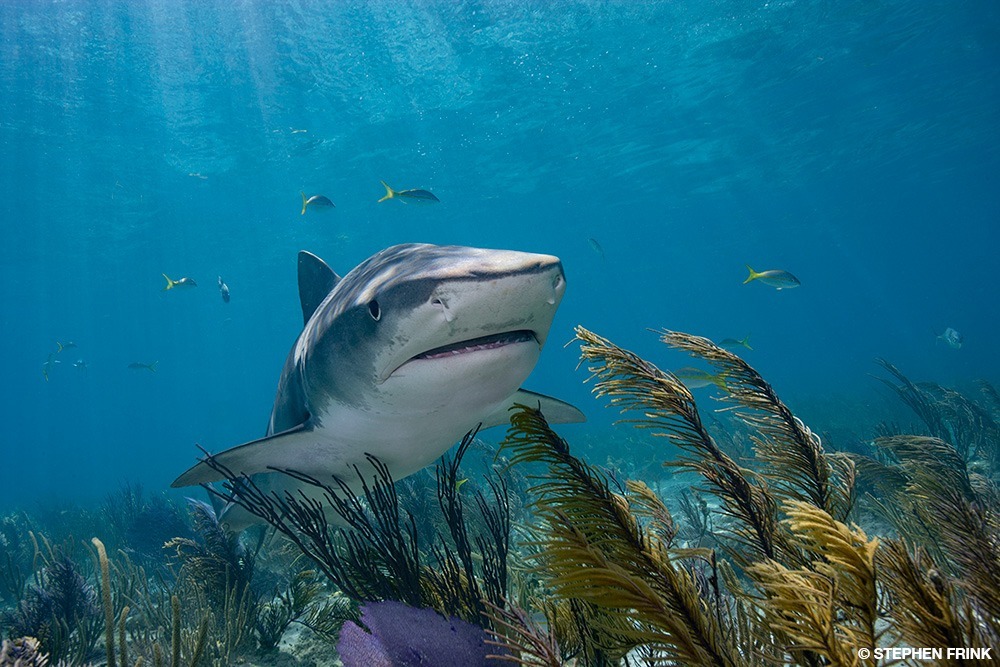
Fuvahmulah, une île isolée des Maldives, offre un autre modèle inspirant. Ses eaux sont reconnues comme l’une des meilleures destinations au monde pour plonger avec les requins tigres, où des regroupements denses et réguliers de ces prédateurs au sommet de la chaîne alimentaire sont observés tout au long de l’année, attirant de nombreux plongeurs. Il n’est pas rare d’observer 20 requins tigres ou plus au cours d’une seule plongée.
Classée réserve de biosphère par l’UNESCO, Fuvahmulah a su tirer parti de l’intérêt scientifique et du tourisme en mettant en place des protections dans le cadre du sanctuaire national des requins des Maldives, ainsi que des réglementations strictes pour la plongée. Les chercheurs ont découvert que de nombreux requins tigres observés sont des femelles gestantes et que les eaux de l’île servent de zone de reproduction ou de nurserie.
Ces exemples illustrent les bénéfices combinés de l’écotourisme : protéger les requins tout en soutenant les communautés locales. Les Bahamas, Palau et Fuvahmulah démontrent que lorsque les requins prospèrent, les populations humaines et les écosystèmes en bénéficient également.
Réécrire le récit des requins
Des aumakua polynésiens à "Les Dents de la Mer", des débats sur la déprédation à l’essor du tourisme de plongée, les requins ont été tour à tour perçus comme des divinités, des monstres et des nuisances. Pourtant, la réalité est bien plus simple et plus profonde : les requins sont des prédateurs clés qui contribuent à maintenir la santé des océans.
L’avenir des requins — et notre relation avec eux — dépend des choix que nous faisons aujourd’hui. Le SHARKED Act met en lumière les défis de la coexistence, tandis que des lieux comme les Bahamas, Palau et Fuvahmulah montrent ce qui est possible lorsque les requins sont protégés. Dans ces régions, les requins sont passés du statut de proies à celui d’espèces valorisées. Ils alimentent désormais les économies locales, inspirent les plongeurs du monde entier et, dans le cas de Fuvahmulah, apportent même des éclairages sur les mystères de la reproduction des requins tigres.
Peter Benchley, l’auteur de "Les Dents de la Mer", a fini par regretter le monstre qu’il avait contribué à créer. Il a consacré les dernières années de sa vie à défendre la protection des requins, affirmant qu’il n’aurait jamais écrit le livre de la même manière s’il avait connu la vérité. Son évolution nous rappelle que les récits peuvent blesser, mais aussi réparer.
Il est temps de raconter une nouvelle histoire sur les requins : non plus fondée sur la peur, mais sur la fascination, le respect et la responsabilité. Si nous parvenons à réécrire ce récit, nous pourrons faire en sorte que les requins continuent de parcourir nos océans en tant que gardiens vivants de leur avenir.
En savoir plus
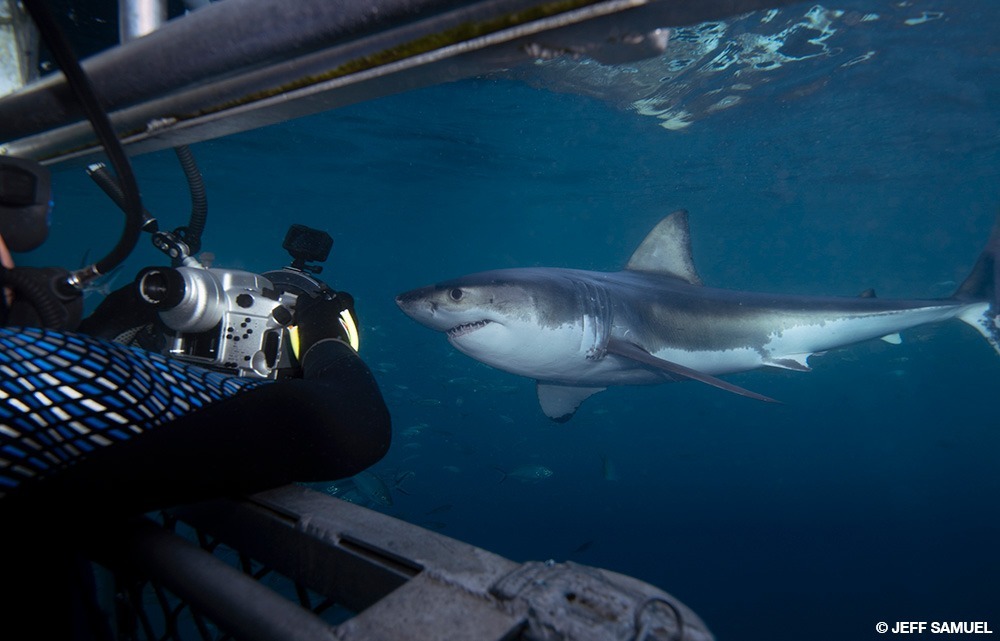
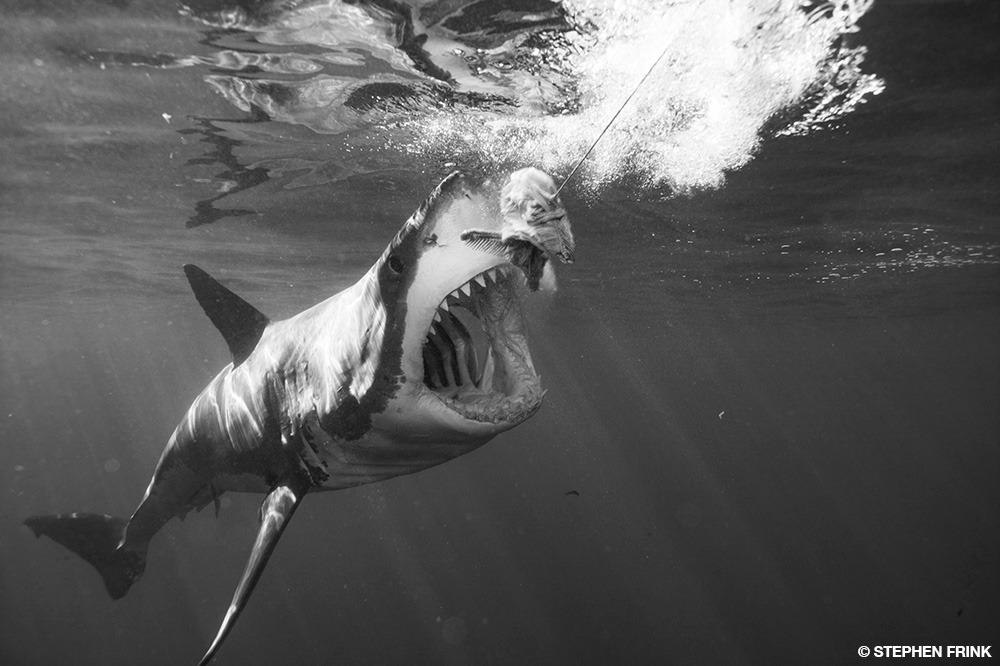
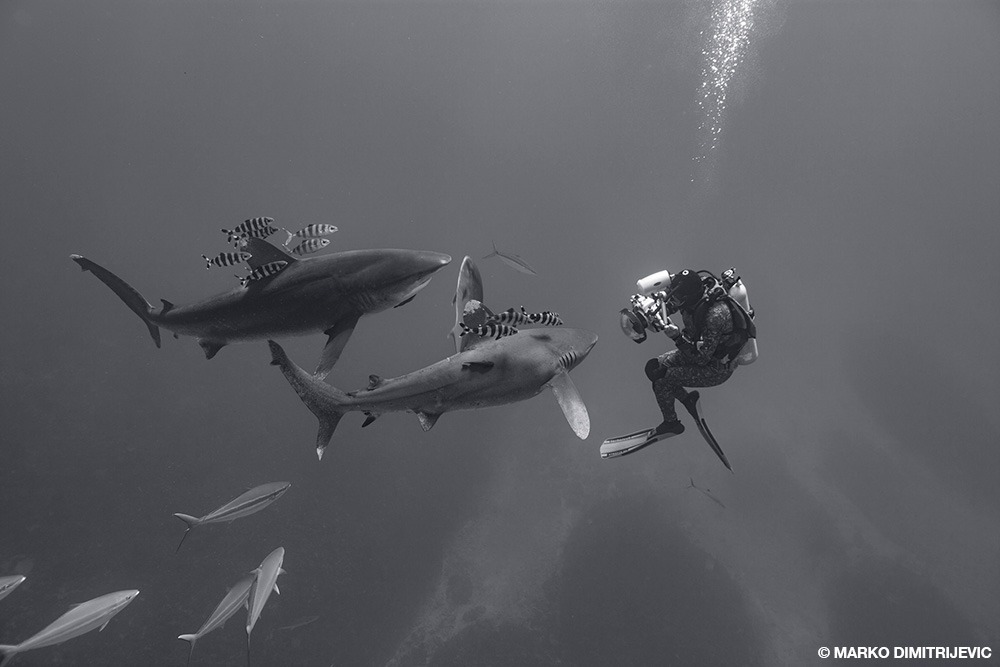
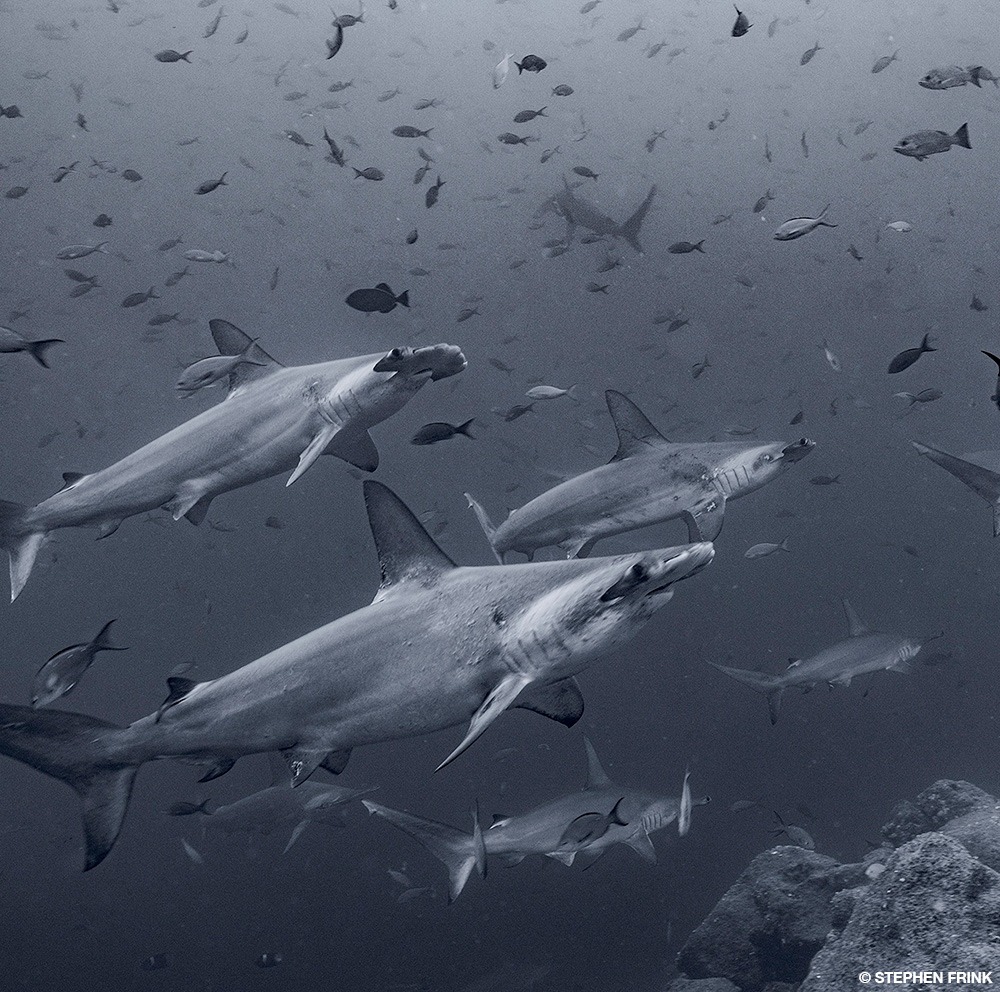
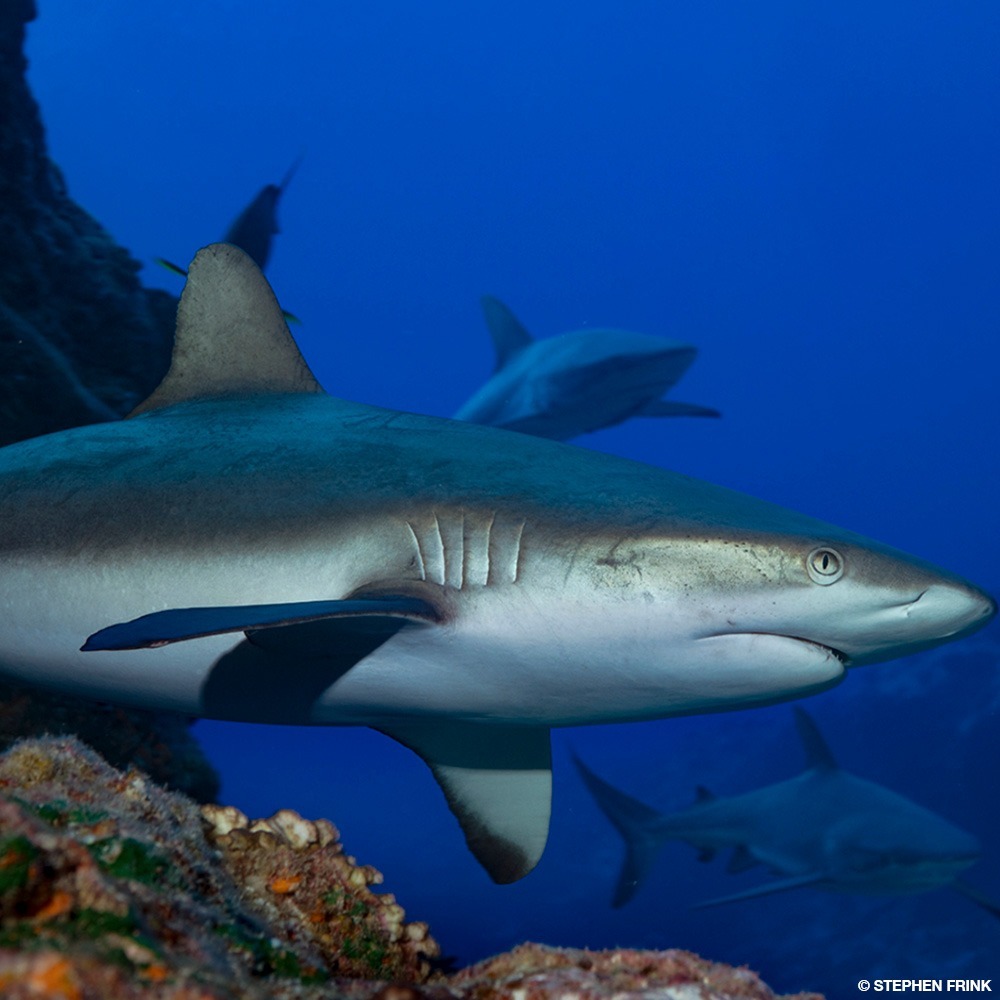
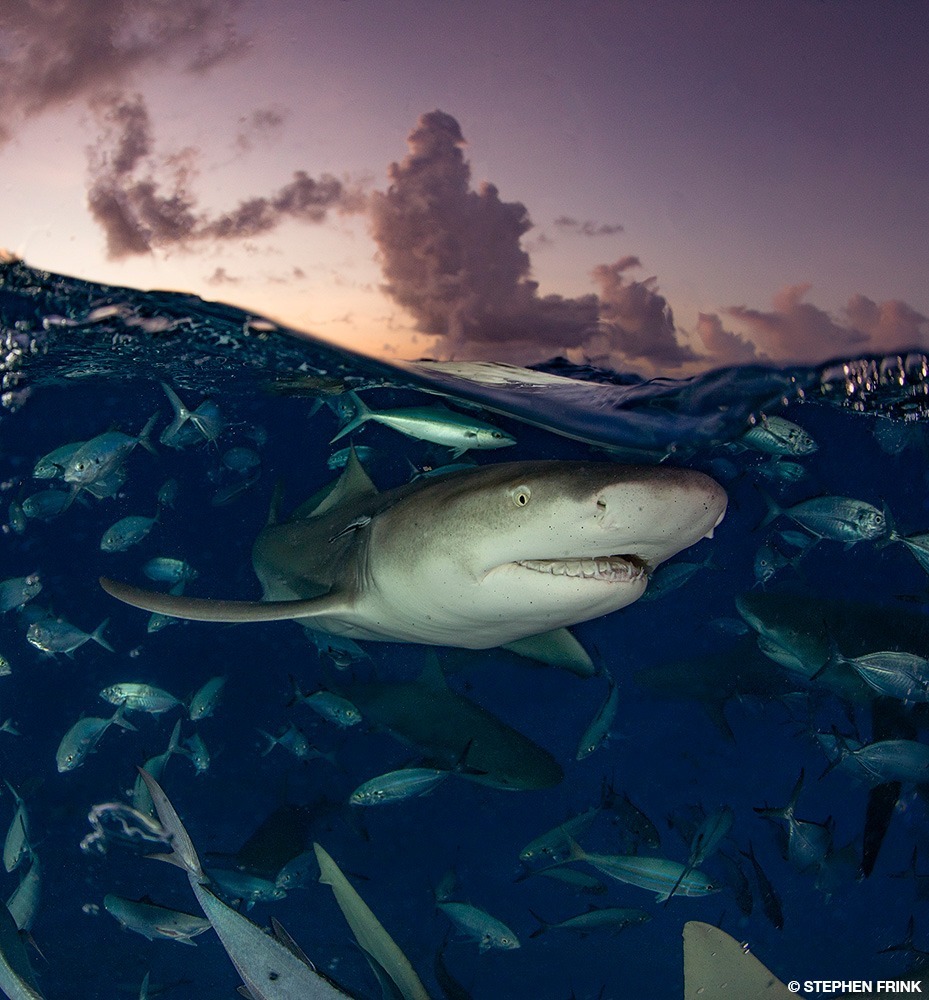
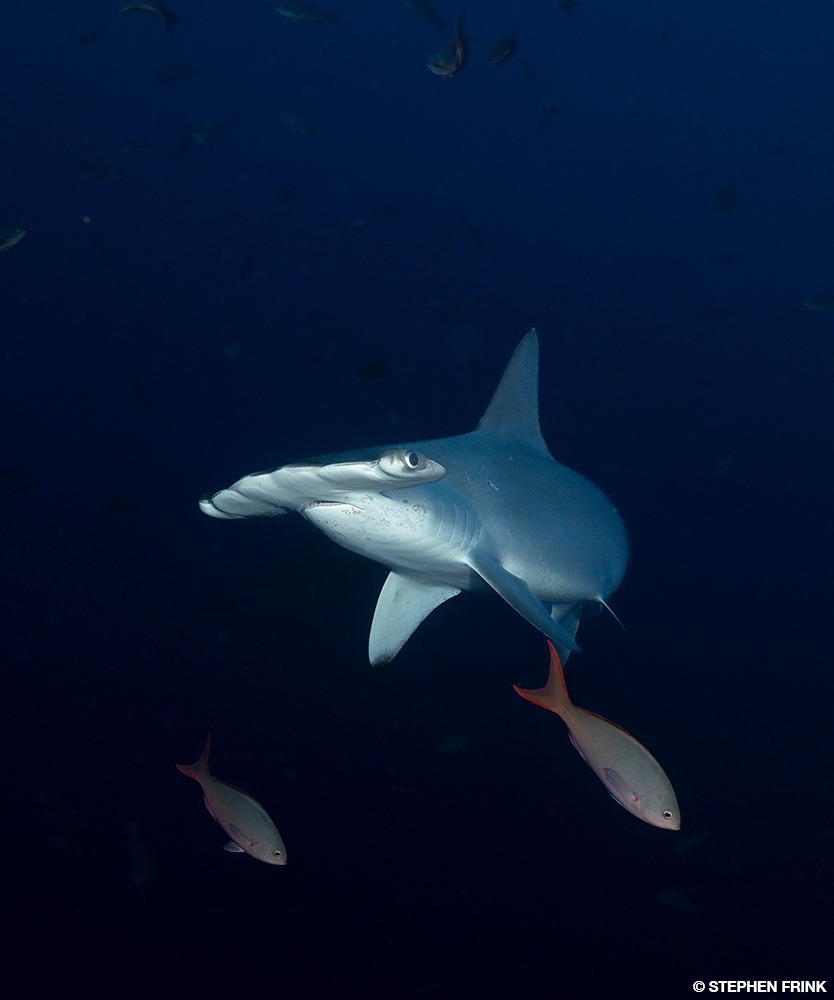
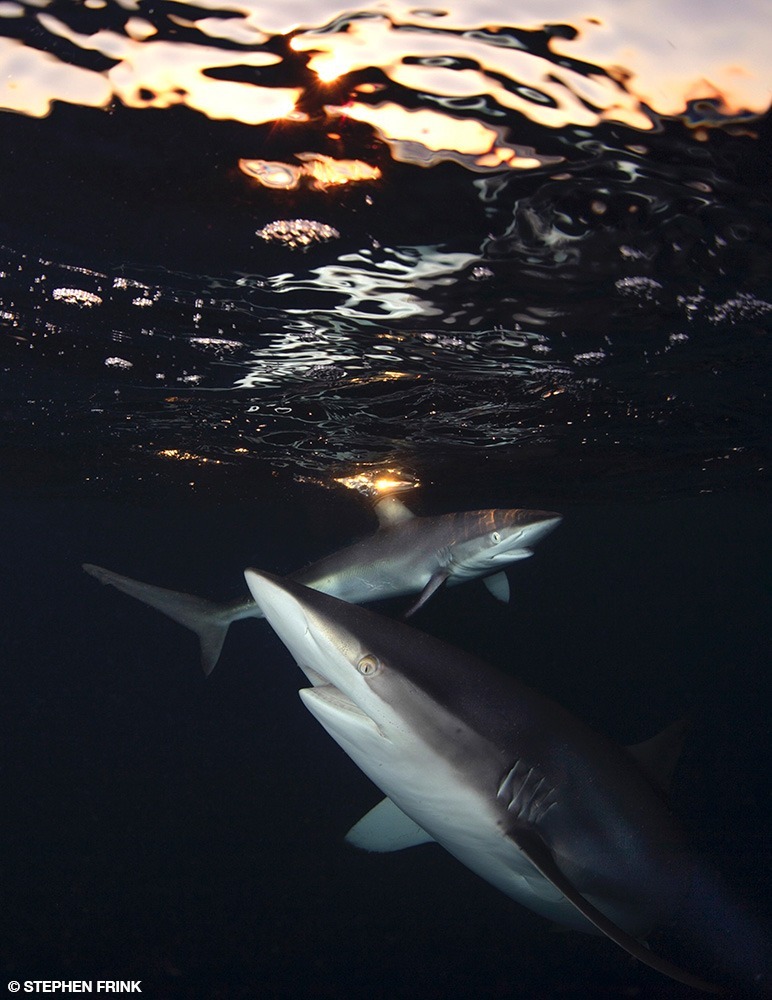
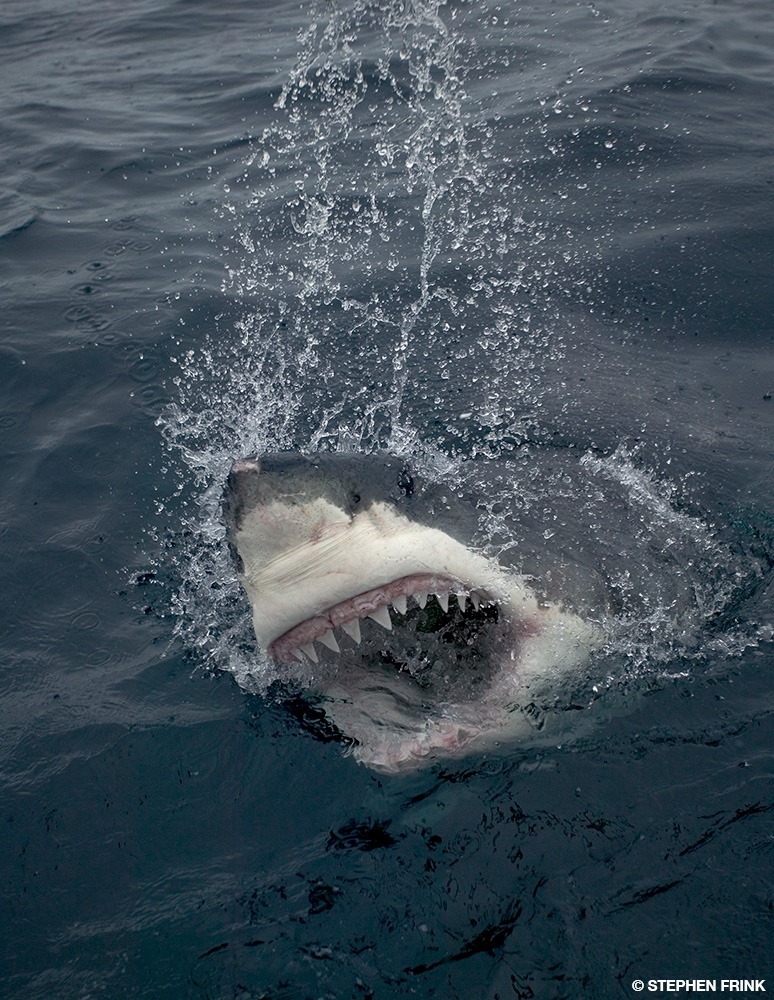
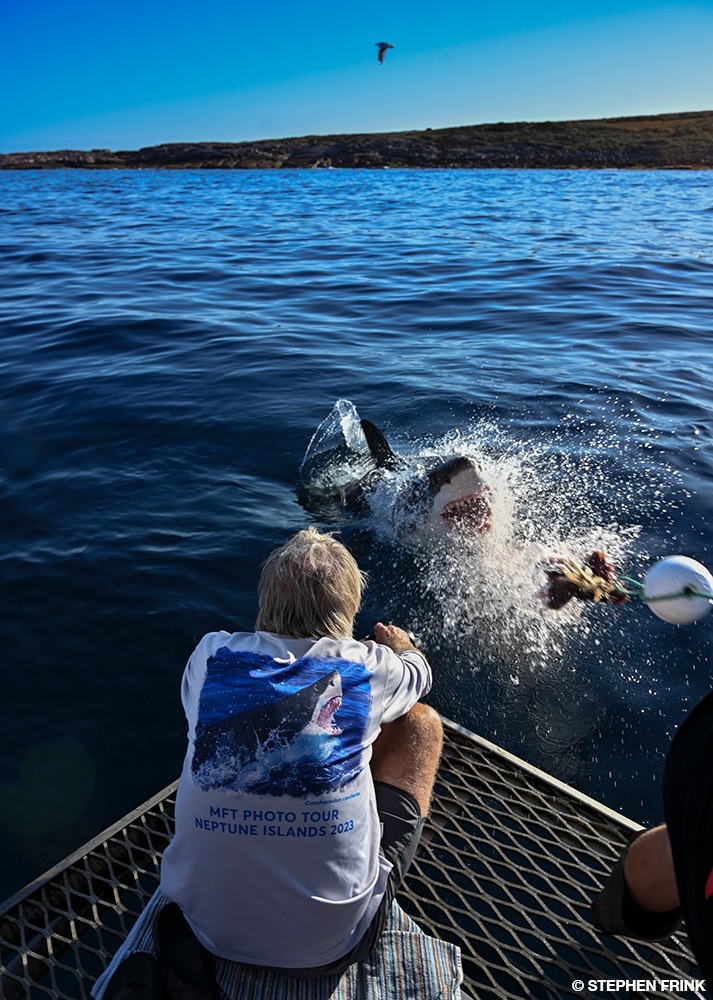
Découvrez davantage d’informations dans cette galerie photo complémentaire.
© Alert Diver – Q4 2025