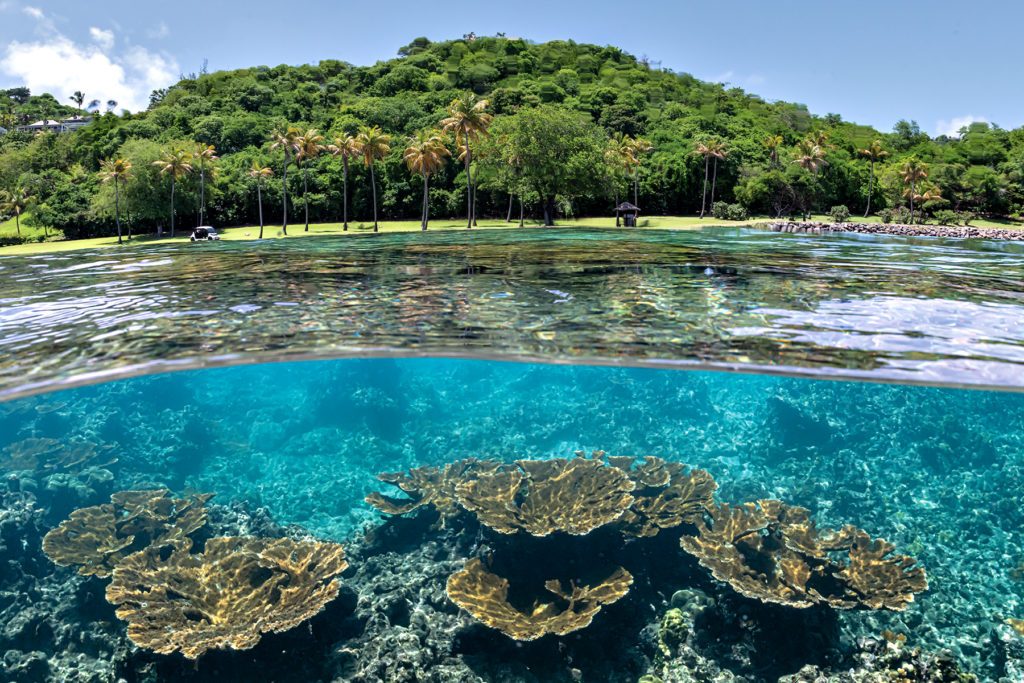
Close Encounters of the Considerate Kind
Many divers top off a trip to the Southern Red Sea by watching a rotund dugong snuffle through seagrass meadows in about 25 feet (7.6 meters) of water.
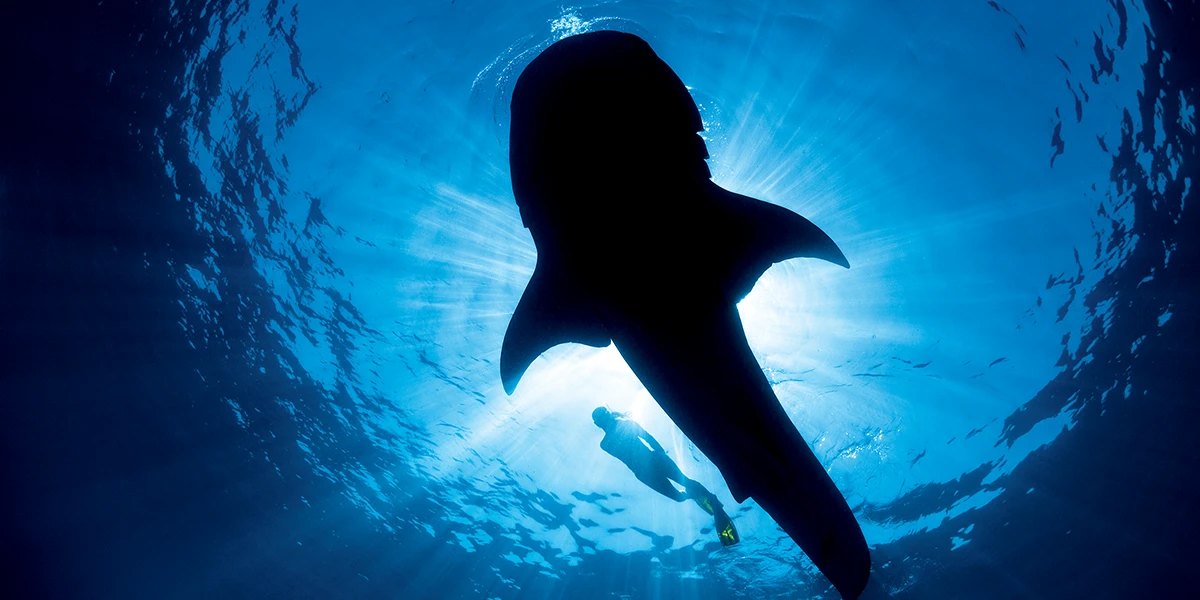
Many divers top off a trip to the Southern Red Sea by watching a rotund dugong snuffle through seagrass meadows in about 25 feet (7.6 meters) of water.
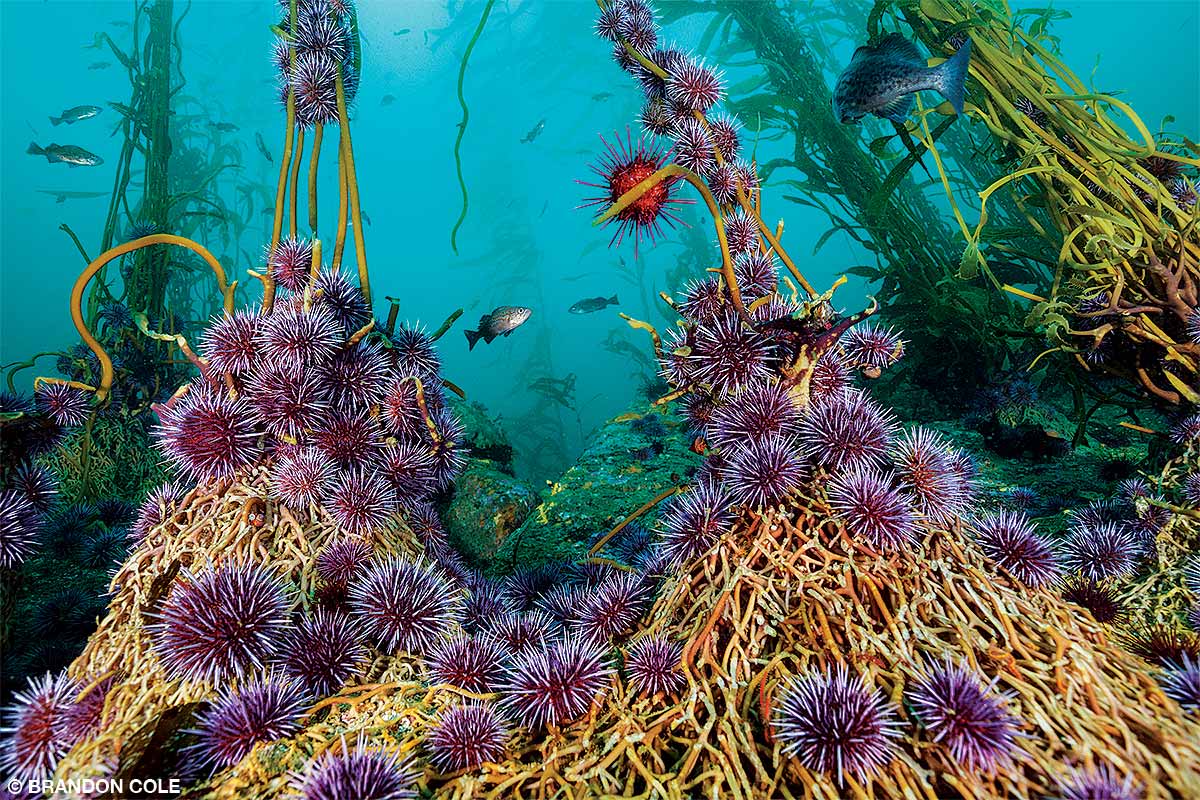
For more than five years, divers and scientists along the U.S. West Coast have watched a disaster play out before their eyes. Sunflower sea stars fell victim to a wasting disease, which wiped out roughly 90 percent of the global population in 2013. Seven years later, scientists see no signs of recovery. Without the sea stars, the population of purple urchins that sea stars eat has exploded and mowed down entire forests of bull kelp. The West Coast experienced intense ocean warming from 2014 to 2017, and by 2015 divers began seeing urchin barrens — vast swaths covered in piles of spiny creatures and little else.
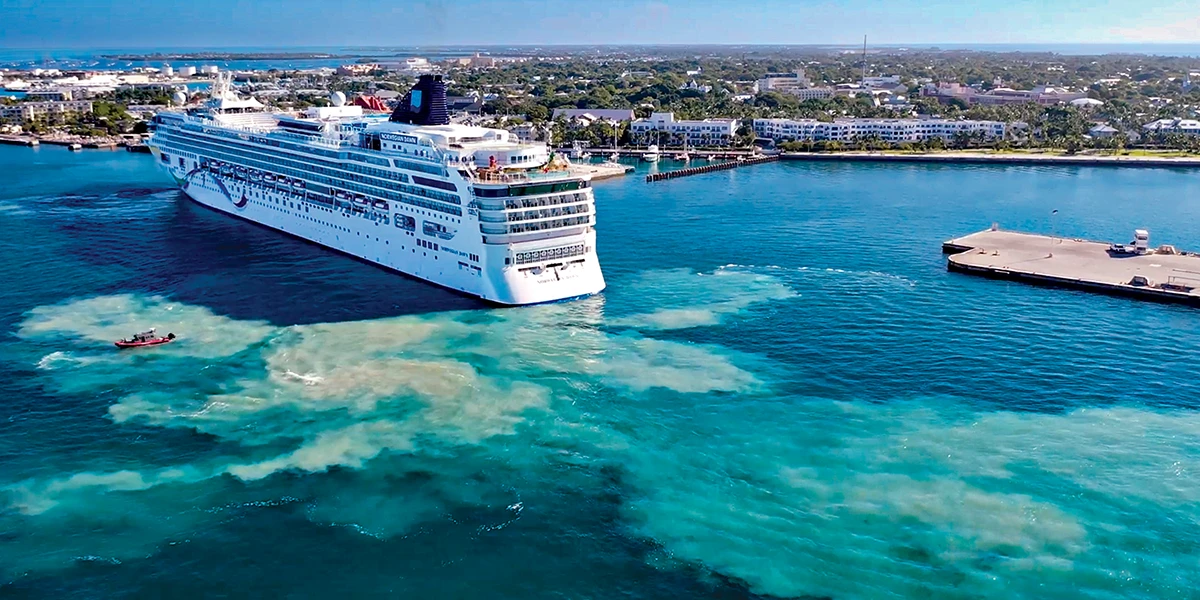
Coral reefs are facing many environmental challenges, and cruise ships are a major contributor. One of these ships’ greatest impacts is starting to muddy the water.
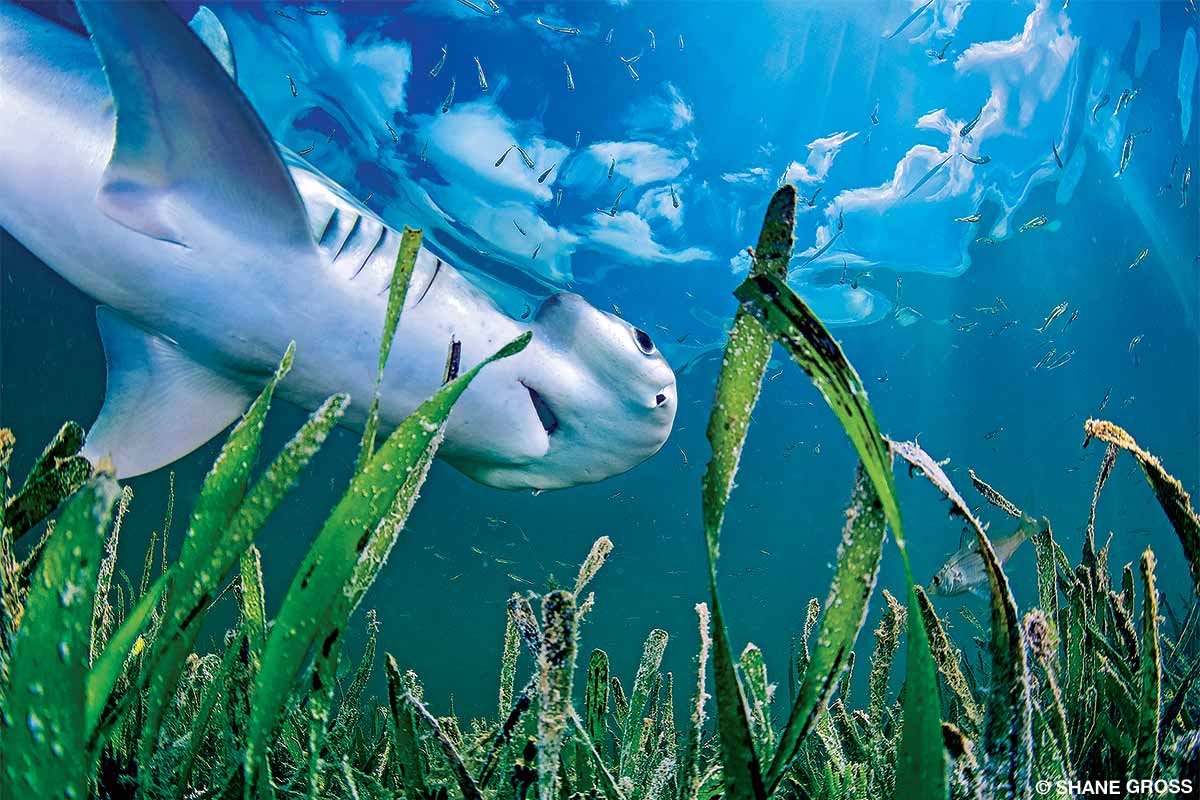
Manfaat melindungi lamun tidak dapat dilebih-lebihkan. Lamun memurnikan air, membantu melindungi dari erosi pantai, membantu mempertahankan perikanan skala kecil yang mendukung masyarakat, serta meningkatkan populasi ikan dan keanekaragaman hayati. Lamun menyerap lebih banyak karbon per area daripada hutan darat dan mengurangi pengasaman laut. Lamun yang sehat berarti laut yang lebih sehat.
Our oceans are under siege. Destructive industrial-scale fishing is causing widespread species decline. Ocean warming due to human-induced climate change is triggering episodes of mass coral bleaching with increased vigor and frequency.
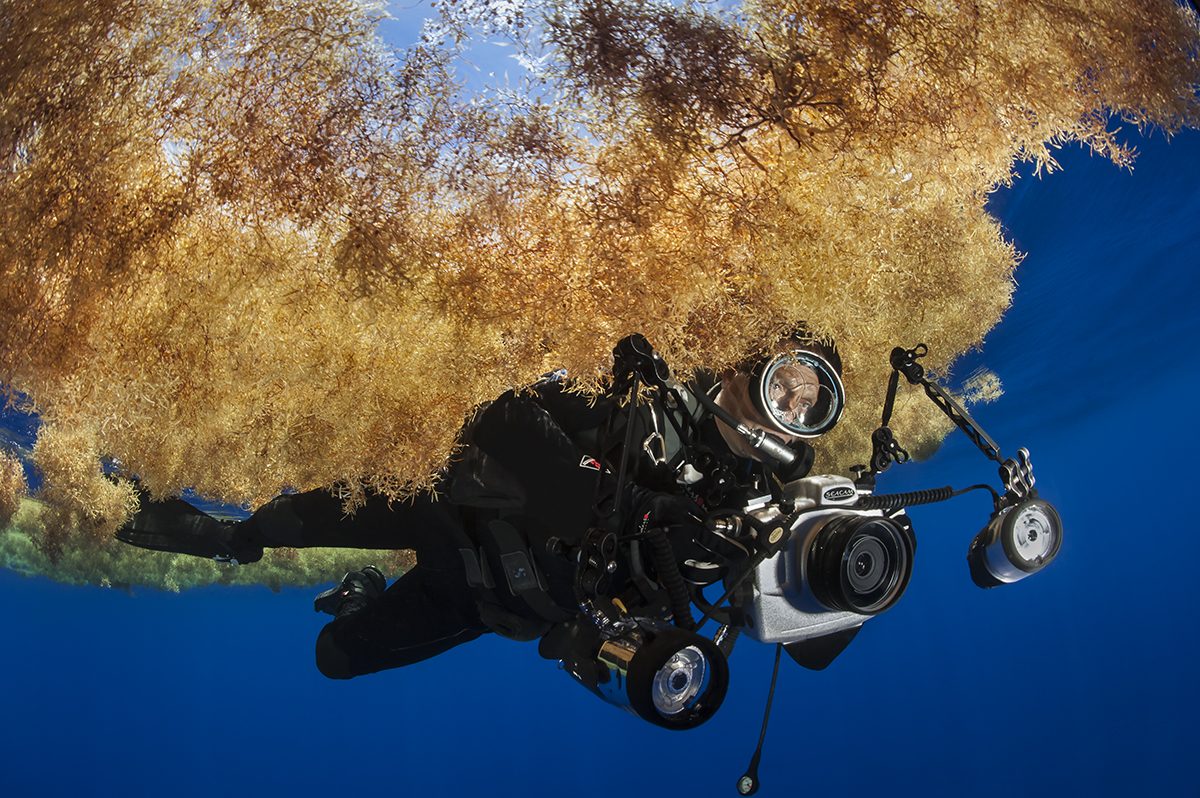
How many times have you noticed the line of weeds out of the corner of your eye and driven past, around, or through it without a second glance on your way to a dive? In our case, most of the time. On a calm day off Jupiter, Florida, a wide weed line at the edge […]
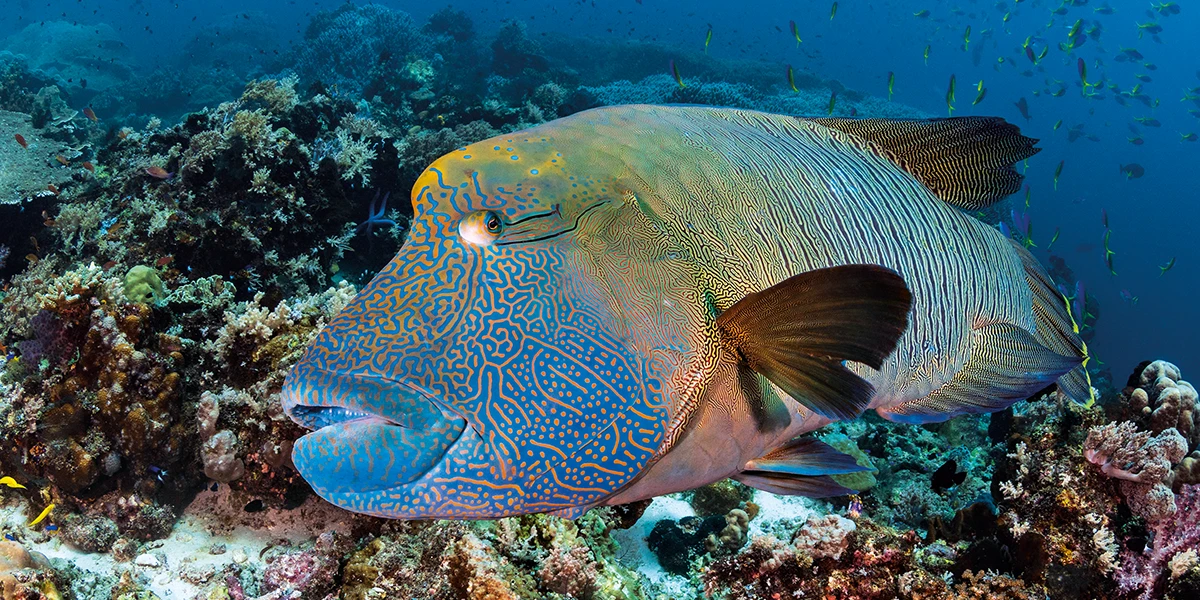
The eight species highlighted here are recognized as at risk by the IUCN, the U.S. Endangered Species Act (ESA), or the Convention on International Trade in Endangered Species of Wild Fauna and Flora (CITES), which regulates trade.
DESCENDING THE LIMESTONE STAIRS OF BONAIRE’S famous 1,000 Steps dive site in full scuba gear is challenging. It’s just 64 steps down, but it feels like many more. Once you make it down, you’re rewarded with a Caribbean reef teeming with life …
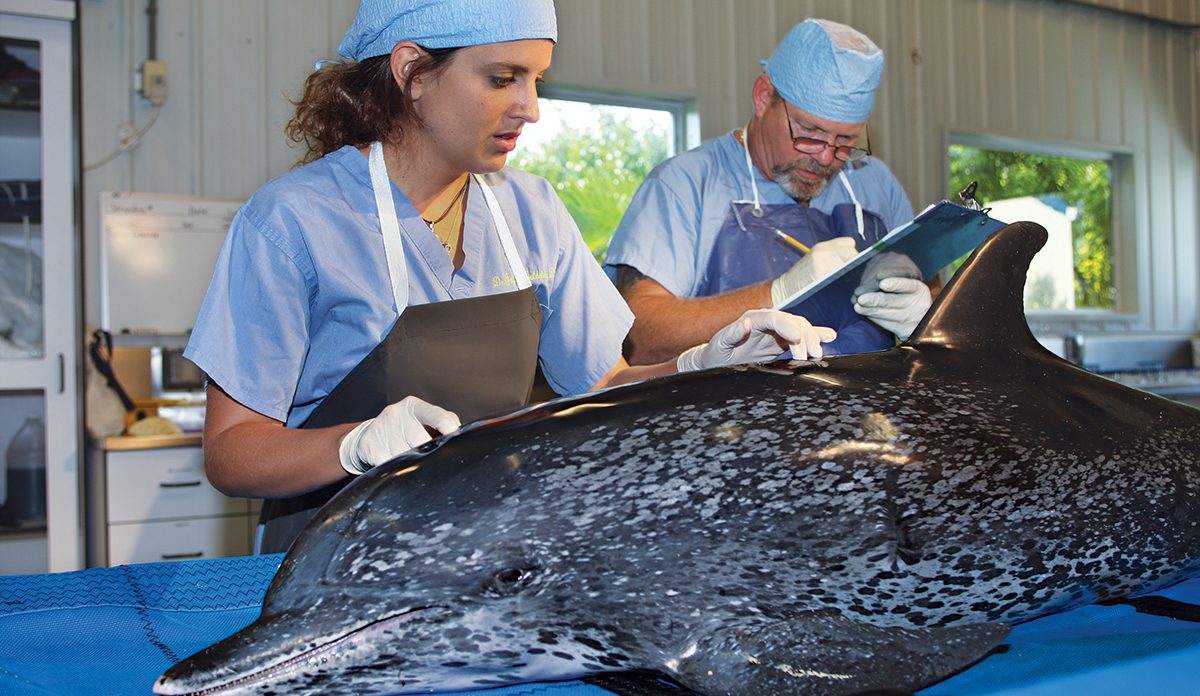
TALK TO ANY HUMAN UNDER THE AGE OF 13, and they have probably been asked, “What do you want to be when you grow up?” I was just 3 years old when I knew I wanted to be a veterinarian. Growing up on coasts — first Cape Cod, Massachusetts, and then Southeast Florida — I […]
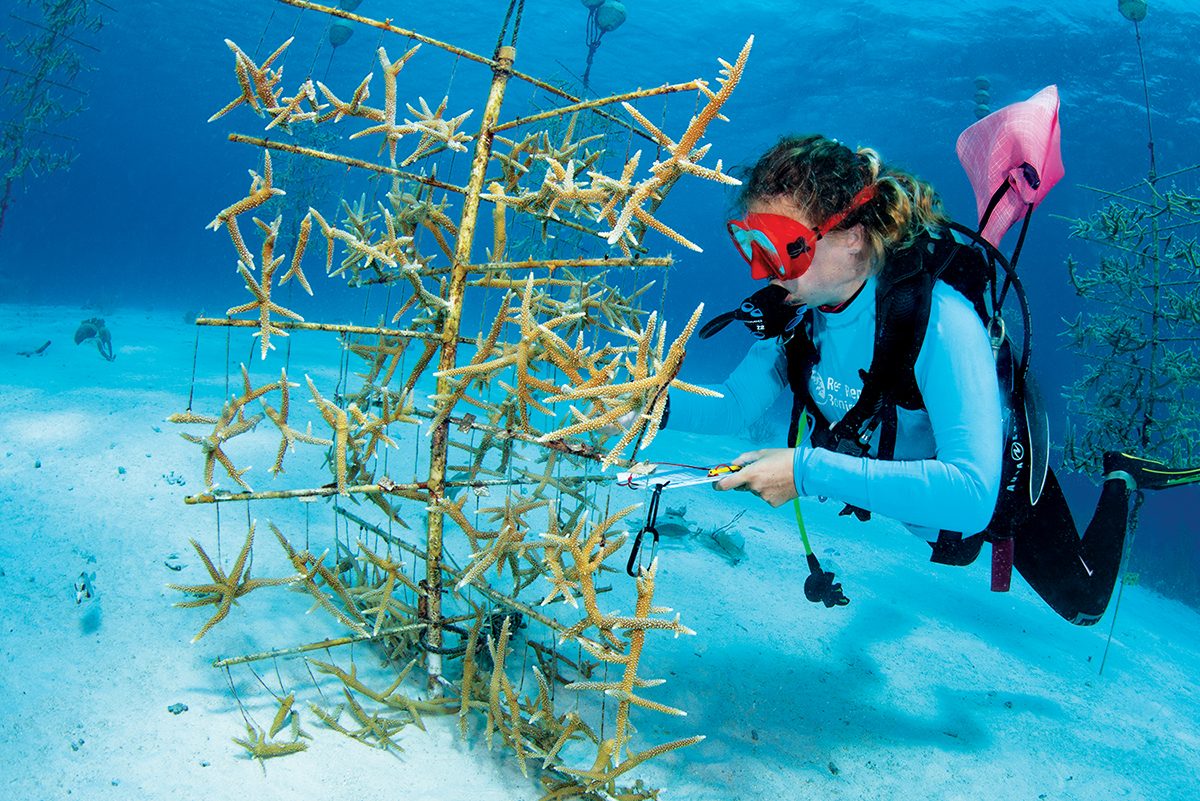
IT’S NO SECRET THAT CARIBBEAN REEFS ARE IN CRISIS. Many stony coral species face an uncertain destiny, and some scientific predictors point toward extinction in the near future for some species.