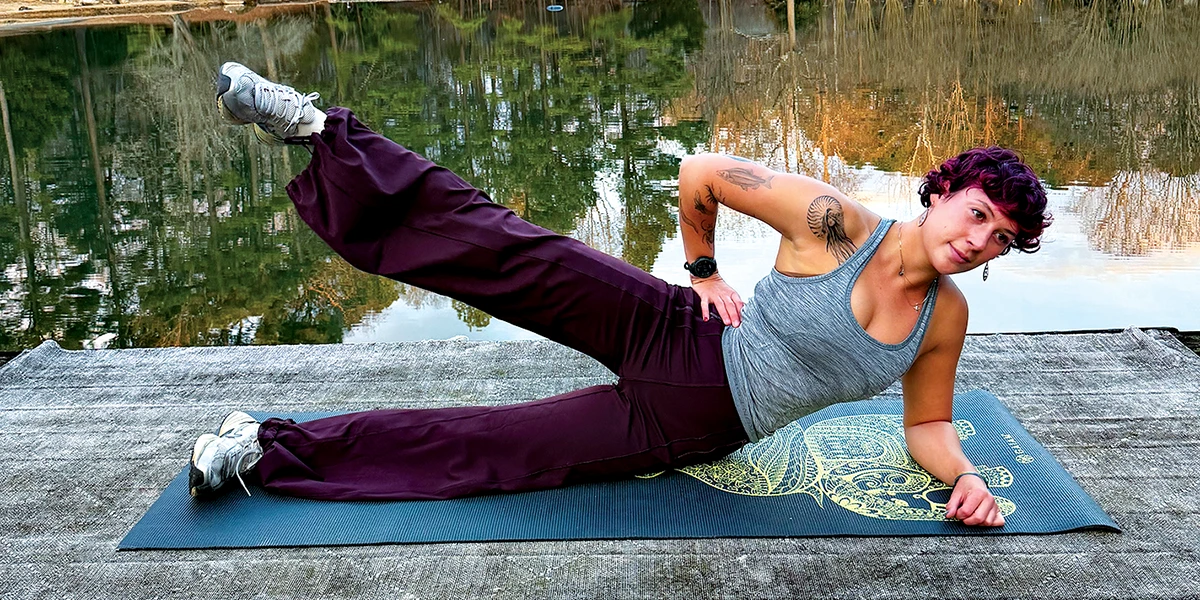
Lateral training targets the abductors, adductors, and stabilizers — muscles that people often overlook in traditional workouts. Training in the frontal plane with these exercises helps correct muscular imbalances and enhances overall strength and control.
Each year humpback whales migrate from their feeding grounds in the Southern Ocean to the Austral Islands, where they use the sheltered waters around Rurutu as a calving and nursing area. Observers there can document the whales’ natural behaviors with minimal disturbance.
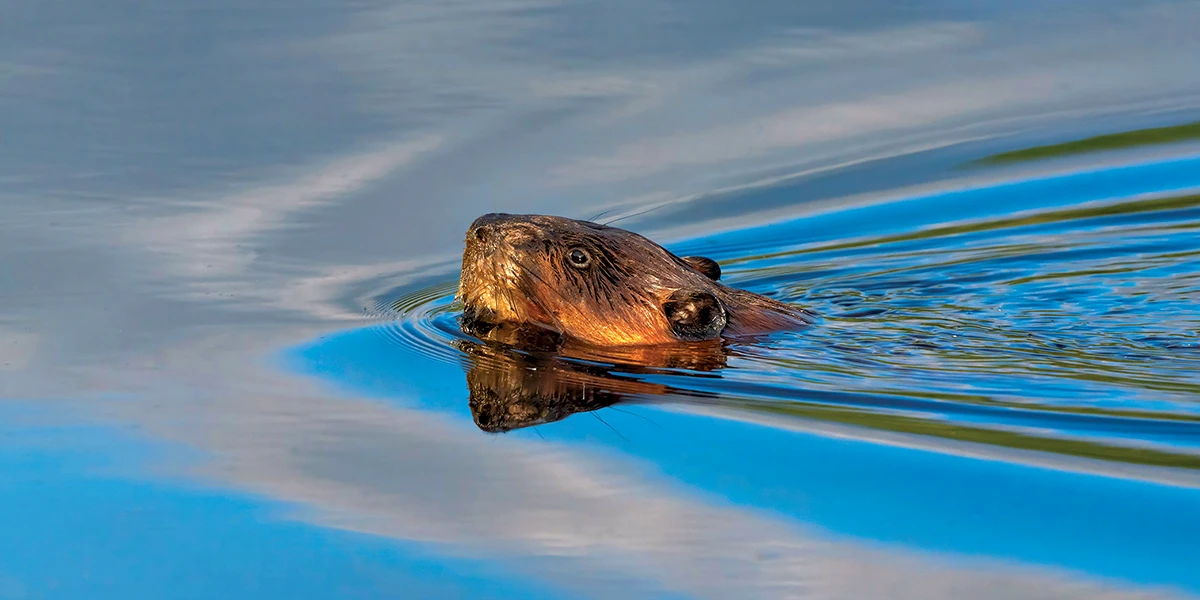
In search of beavers, my colleagues and I followed the Cap-Chat River on Quebec’s Gaspé Peninsula to a village of immaculate, steep-roofed houses that shares the river’s name. Near the […]
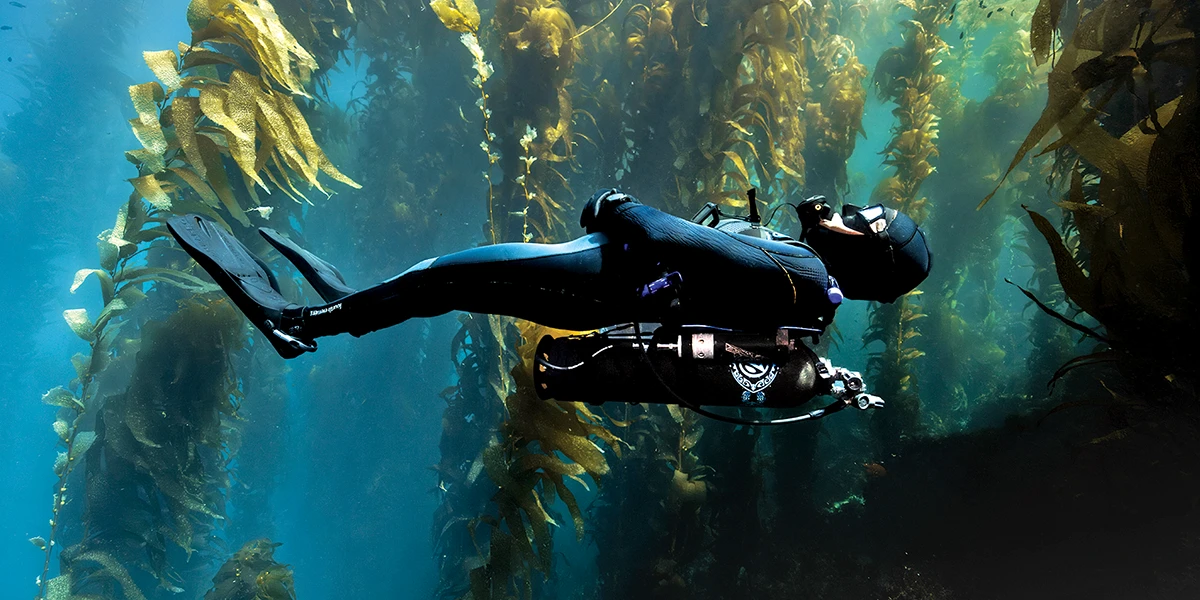
As the field of recreational diving continues to evolve, DAN remains committed to being at the forefront of safety and scientific advancement. The purpose of this article is to educate […]
One of the Atlantic’s last truly wild places is offshore along the wave-exposed northern coast of East Caicos in the Turks and Caicos Islands (TCI).
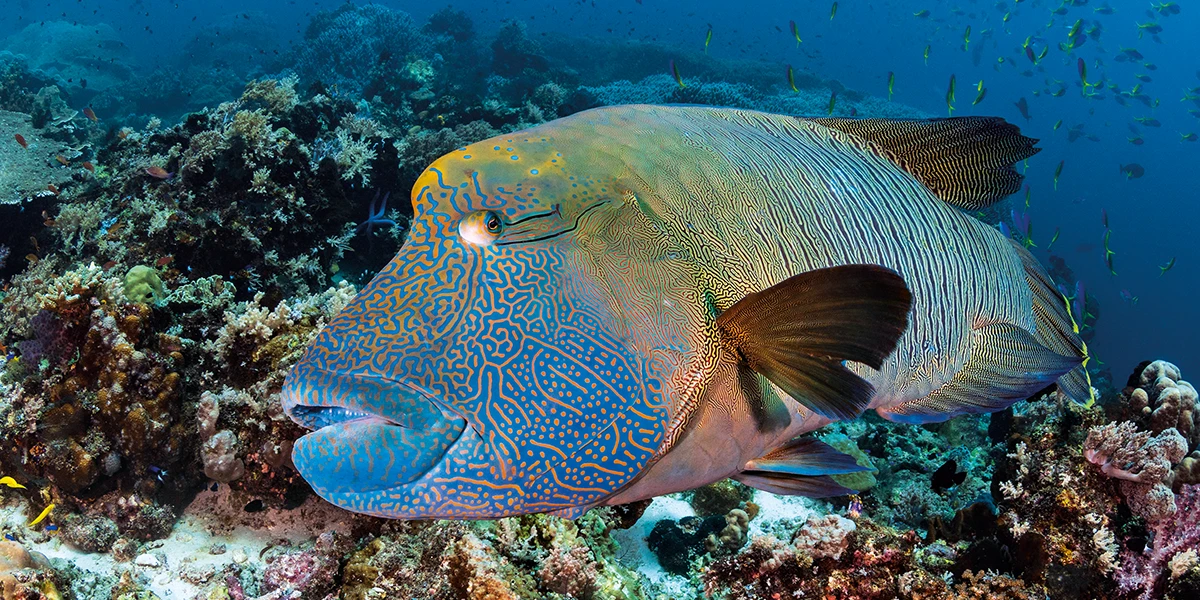
The eight species highlighted here are recognized as at risk by the IUCN, the U.S. Endangered Species Act (ESA), or the Convention on International Trade in Endangered Species of Wild Fauna and Flora (CITES), which regulates trade.
Explore the life of Rachel Novak, a pharmacist turned glamorous stunt performer and passionate scuba diver, embracing adventure.
Explore Underwater Video 101 and discover tips for shooting, editing, and sharing your underwater adventures effortlessly.
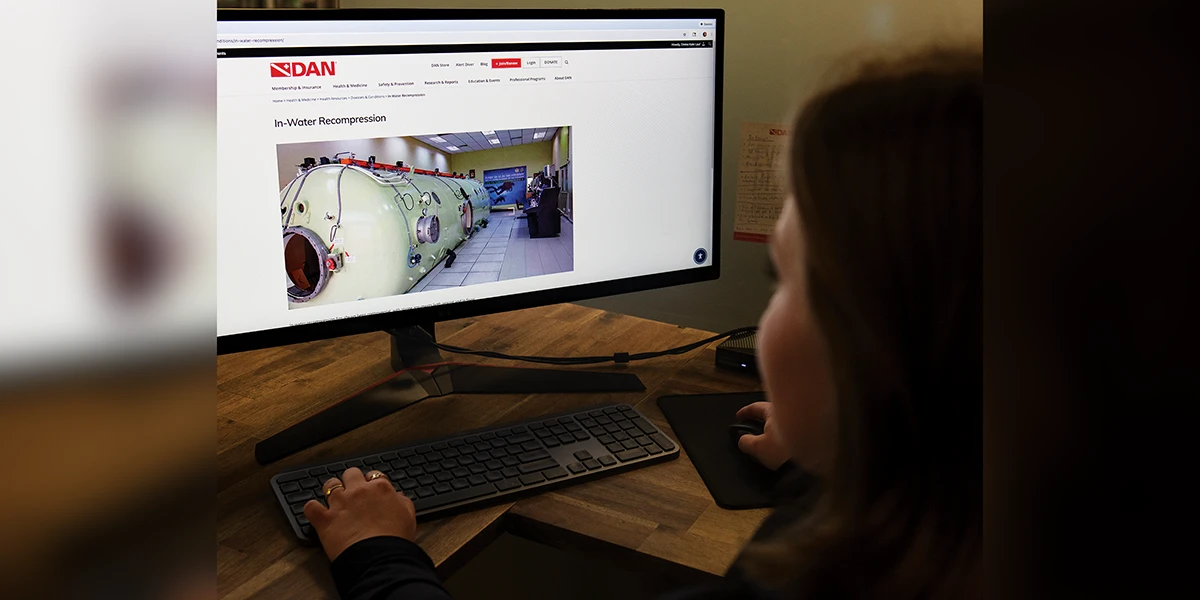
In-water recompression (IWR) is a controversial topic in dive medicine. Some people think it is a potentially lifesaving last resort for a diver exhibiting symptoms of decompression illness (DCI) when far from definitive care. Others emphasize the evident risk of potentially making a bad situation worse.
Explore the journey of Turning Dreams to Reality. Discover how Henley Spiers transformed his career from corporate to ocean adventure.