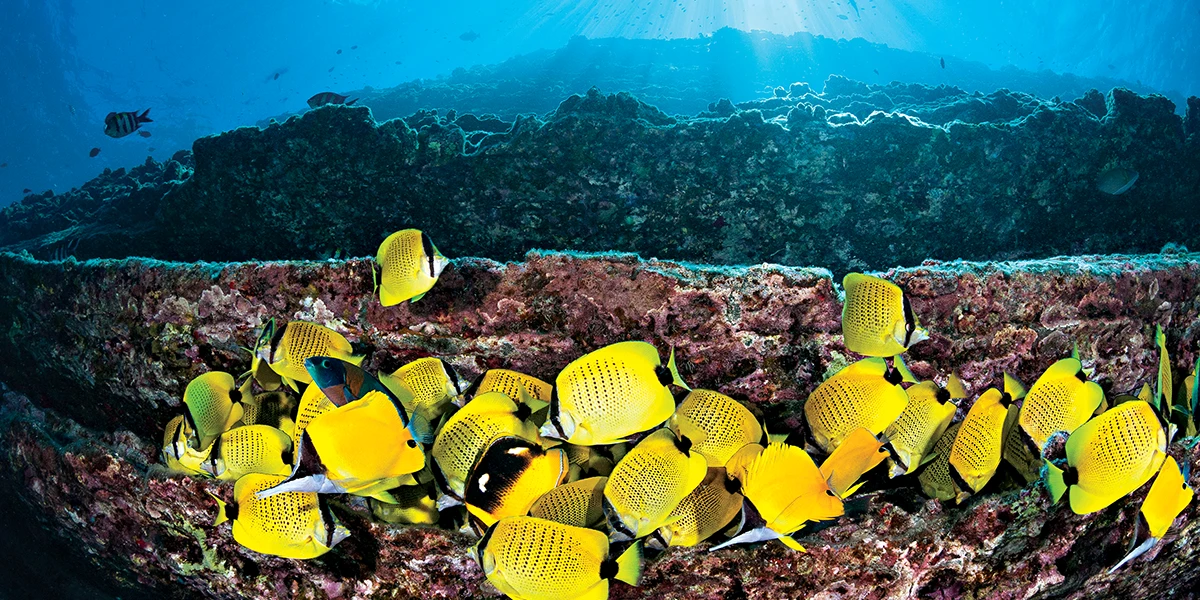
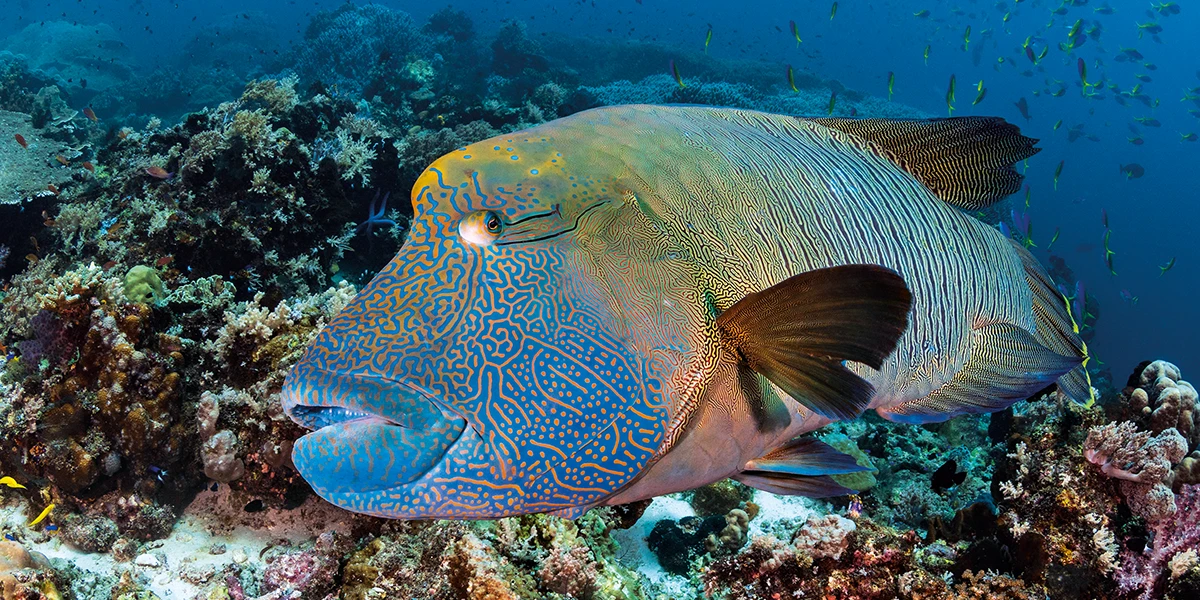
Les couleurs éclatantes, presque psychédéliques, des poissons de récif sont souvent ce qui captive en premier les plongeurs. Mais d’un point de vue évolutif, pourquoi ces petits animaux — souvent des proies — arborent-ils des teintes si vives au lieu de se fondre dans leur environnement pour échapper aux prédateurs ?
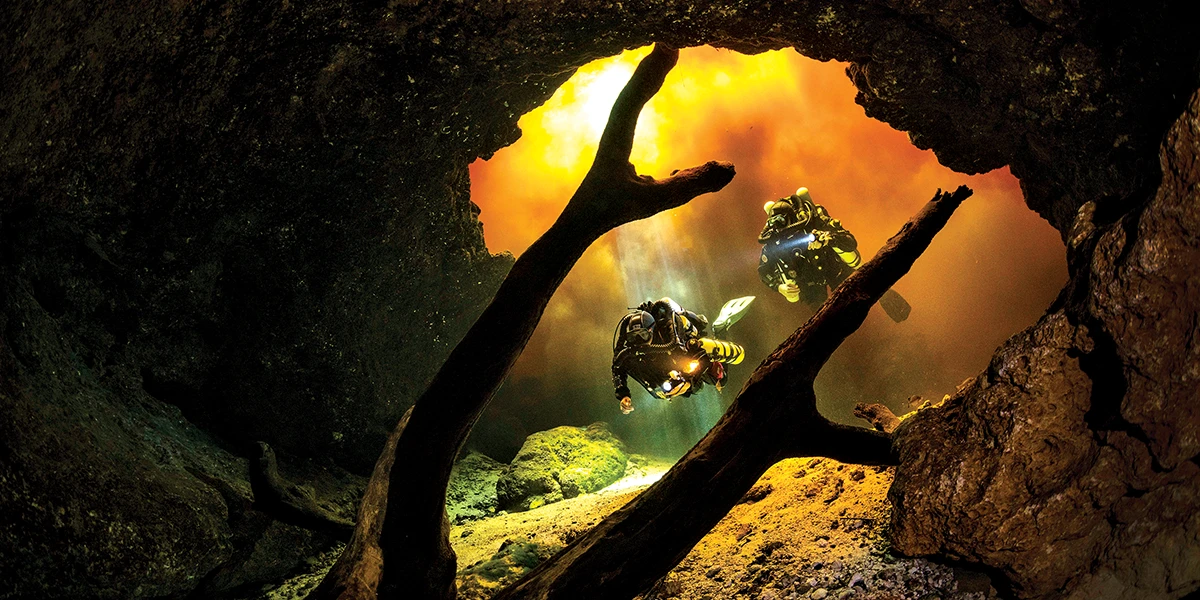
Florida is home to the world’s largest concentration of freshwater springs — the Florida Geological Survey has identified more than 1,000 statewide. There are about 33 first-magnitude springs discharging at least 100 cubic feet (2.8 cubic meters) of water per second.
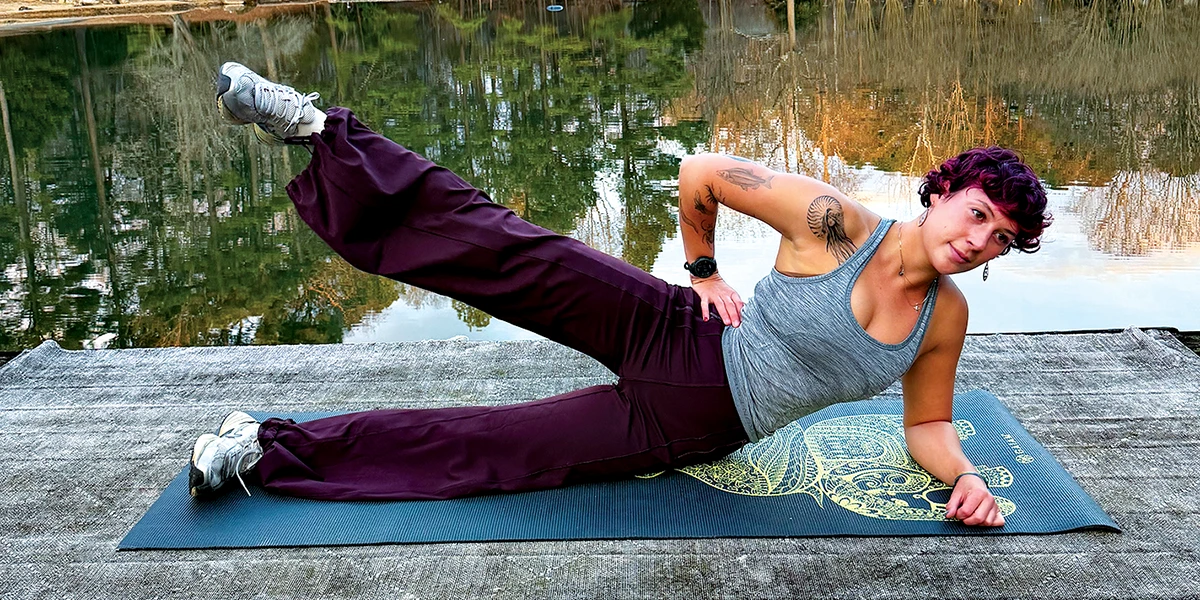
Lateral training targets the abductors, adductors, and stabilizers — muscles that people often overlook in traditional workouts. Training in the frontal plane with these exercises helps correct muscular imbalances and enhances overall strength and control.
Chaque année, les baleines à bosse quittent leurs aires d'alimentation de l'océan Austral pour rejoindre les îles Australes, où elles viennent mettre bas et élever leurs petits dans les eaux abritées autour de Rurutu. Les observateurs peuvent ainsi y étudier leurs comportements naturels sans pratiquement les perturber.
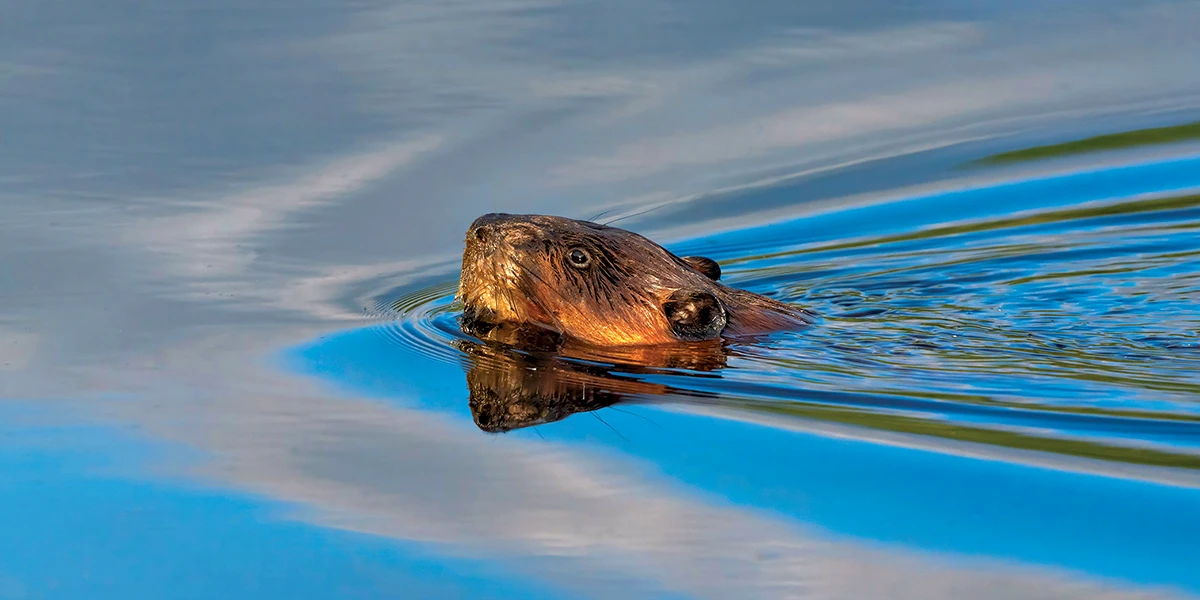
In search of beavers, my colleagues and I followed the Cap-Chat River on Quebec’s Gaspé Peninsula to a village of immaculate, steep-roofed houses that shares the river’s name. Near the […]
As the field of recreational diving continues to evolve, DAN remains committed to being at the forefront of safety and scientific advancement. The purpose of this article is to educate […]
L’un des derniers espaces véritablement sauvages de l’Atlantique se trouve au large de la côte nord exposée aux vagues d’East Caicos, dans les îles Turques-et-Caïques (TCI).
The eight species highlighted here are recognized as at risk by the IUCN, the U.S. Endangered Species Act (ESA), or the Convention on International Trade in Endangered Species of Wild Fauna and Flora (CITES), which regulates trade.
Explore the life of Rachel Novak, a pharmacist turned glamorous stunt performer and passionate scuba diver, embracing adventure.
Explore Underwater Video 101 and discover tips for shooting, editing, and sharing your underwater adventures effortlessly.