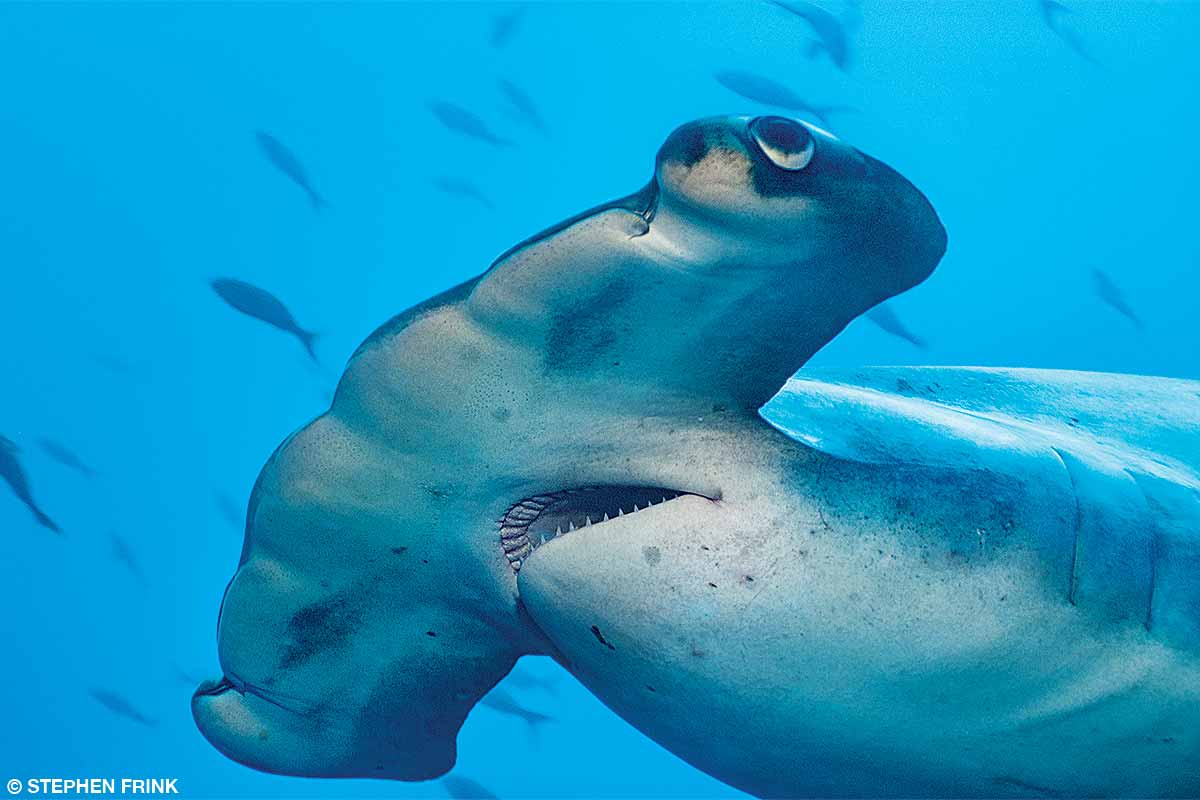
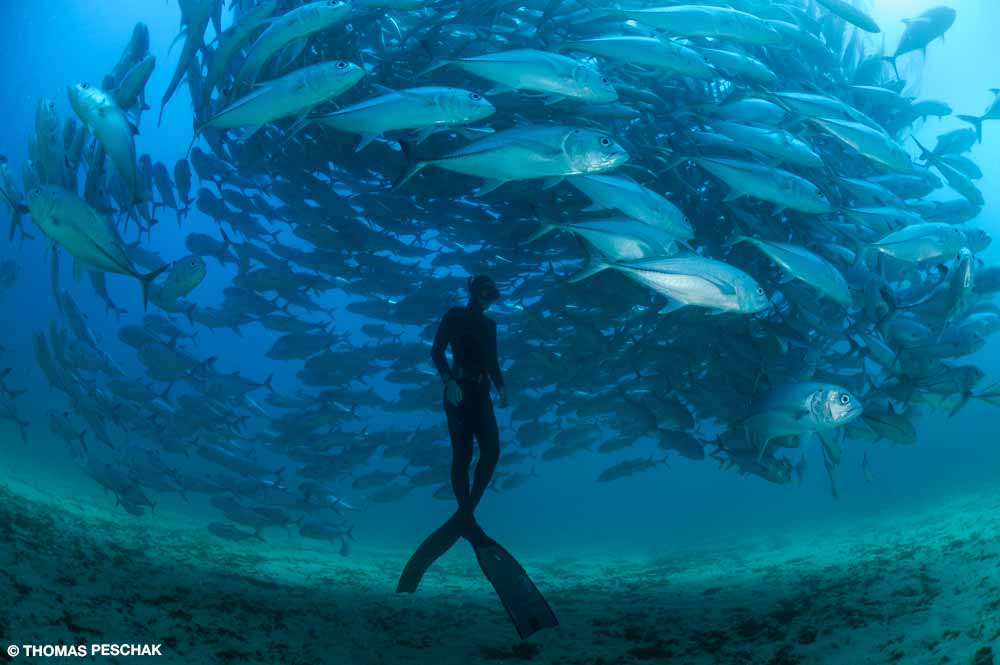
The seven days in the Galápagos went by too quickly, and I was ready to come back before I had even left. The Galápagos National Park and the tour operators greatly respect the destination, and conservation is their primary goal. Even with all the protections in place, the fishing industry, climate change and ocean health pressure the archipelago. Every tourist dollar that goes into the Galápagos adds persuasive emphasis that this is a place that deserves ongoing and stringent protection.
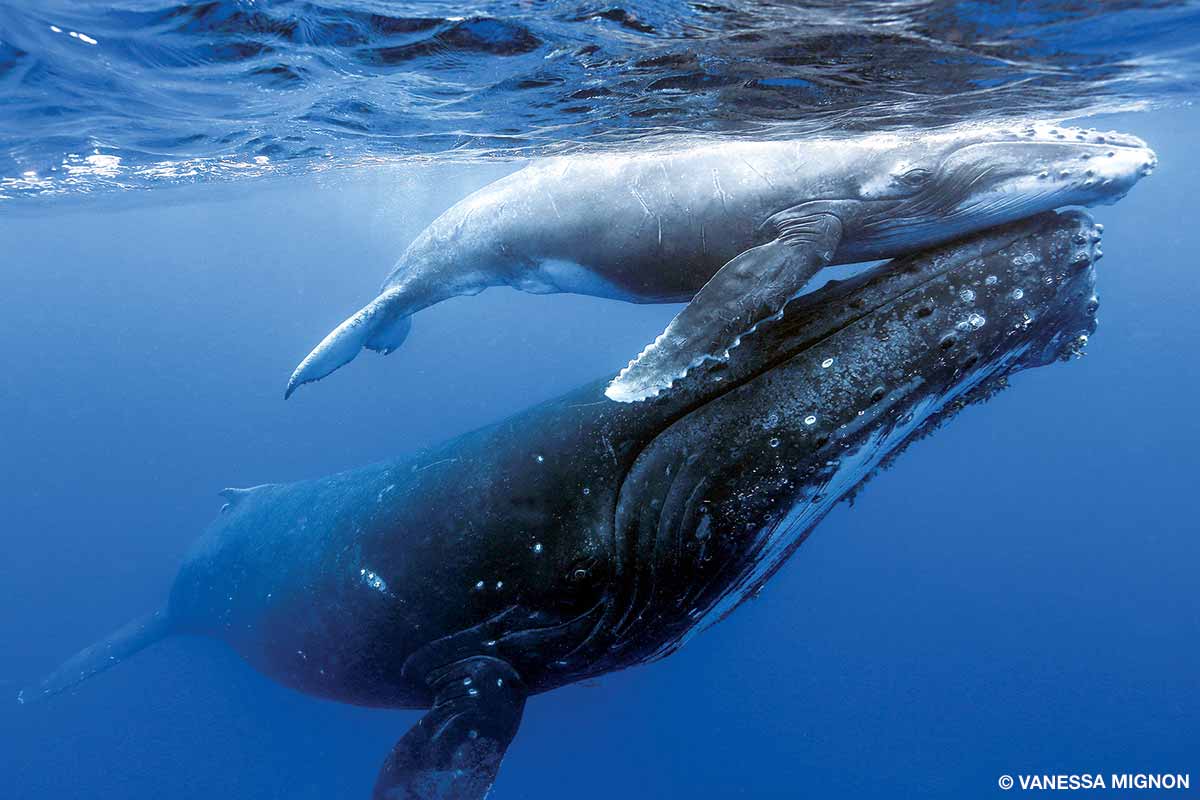
Humpback whales feed in polar waters during the summer and then migrate to tropical or subtropical waters to breed during winter. Various locations offer seasonal whale-watching, but swimming with them is legal in only a few places — Tonga is one of them. Every year its warm and sheltered waters provide a nursery for the whales, which gather there between July and October after a long migration from Antarctica.
Dans le cas des événements indésirables, il y a presque toujours une cascade en quatre phases : l'élément déclencheur, l'agent invalidant, la blessure invalidante et la cause du décès. Individuellement, chaque événement peut être évité. Le fait d'en reconnaître un au moment où il se produit permet de réagir et d'essayer d'atténuer le risque avant qu'il ne devienne un problème. Dans l'analyse des causes profondes des événements indésirables, les facteurs les plus importants sont la non-reconnaissance de l'événement et l'absence de réaction.
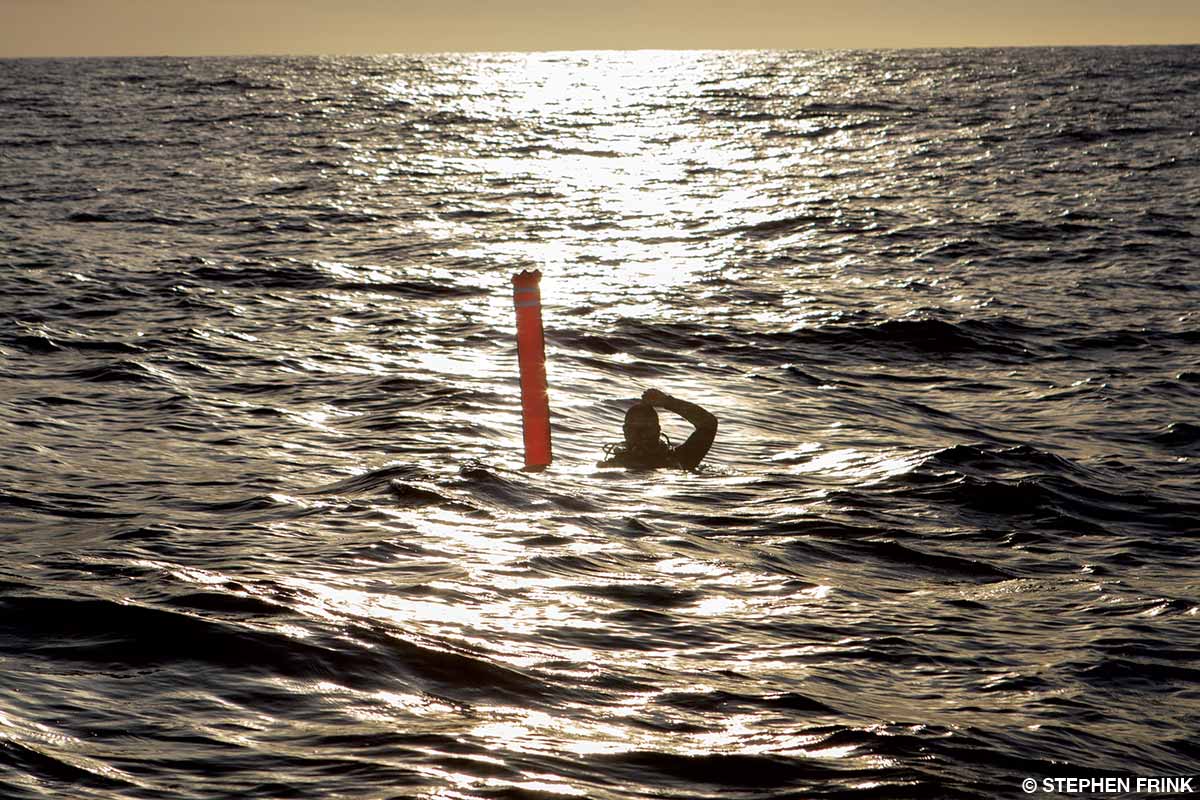
Calling a dive is not as easy as just giving the thumbs-up signal. There are steps to follow after the signal to cancel a dive. The dive briefing should cover these procedures, and the greater the dive’s potential risk, the more attention to detail the procedures and briefing should have to make calling the dive happen as safely as possible.
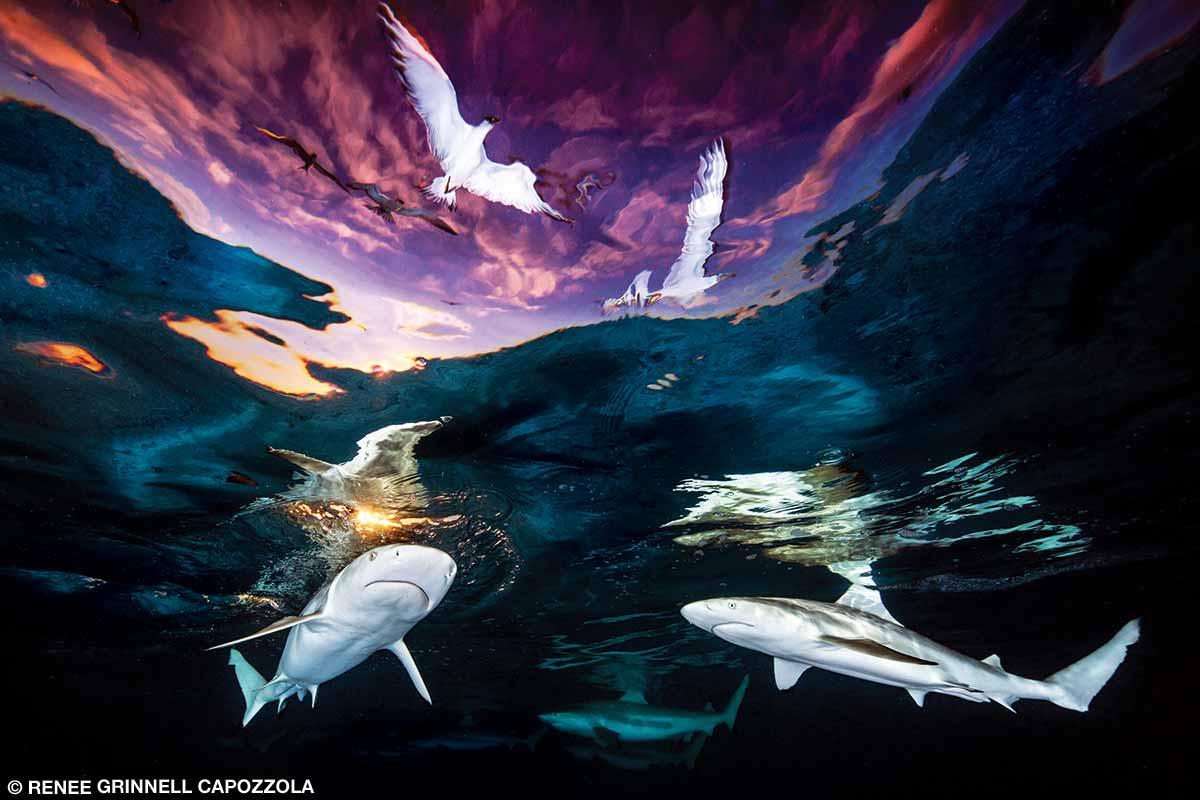
Les photographes sous-marins appellent parfois l'étroite zone d'eau où un sujet fend la surface l'interface de Plimsoll. Cette zone offre de nombreuses possibilités de prises de vue dynamiques obtenues en orientant l'appareil photo au-dessus ou au-dessous de la ligne de flottaison. Le photographe sous-marin dévoué et créatif peut réaliser des prises de vue traditionnelles avec un ménisque droit standard et des reflets spectaculaires du sujet, de la lumière du soleil ou des deux dans le cadre d'une prise de vue modifiée ou d'une photo entièrement sous-marine.
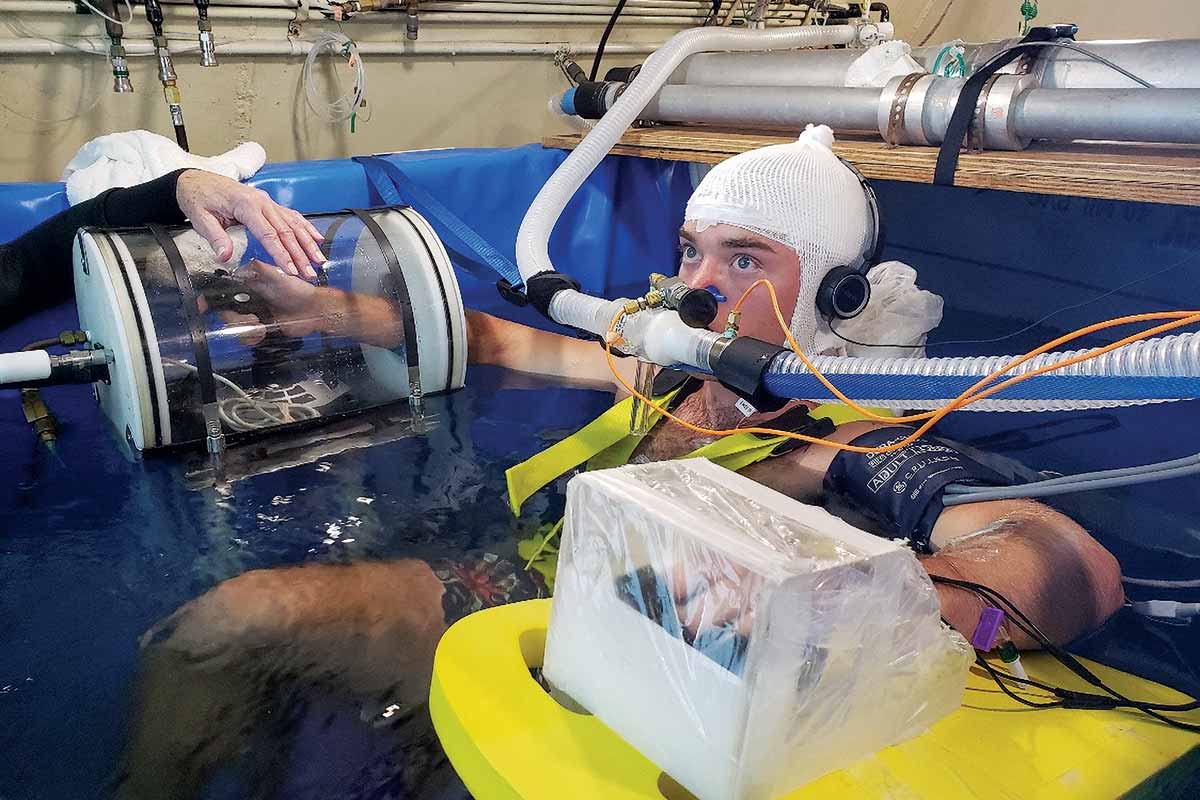
More than 100 interns over 20 years have participated in DAN’s internship programs, working with established mentors in research, risk mitigation or medicine to gain knowledge and valuable professional experience while contributing to DAN operations. This year five interns traveled to Durham, North Carolina, to participate in the program.
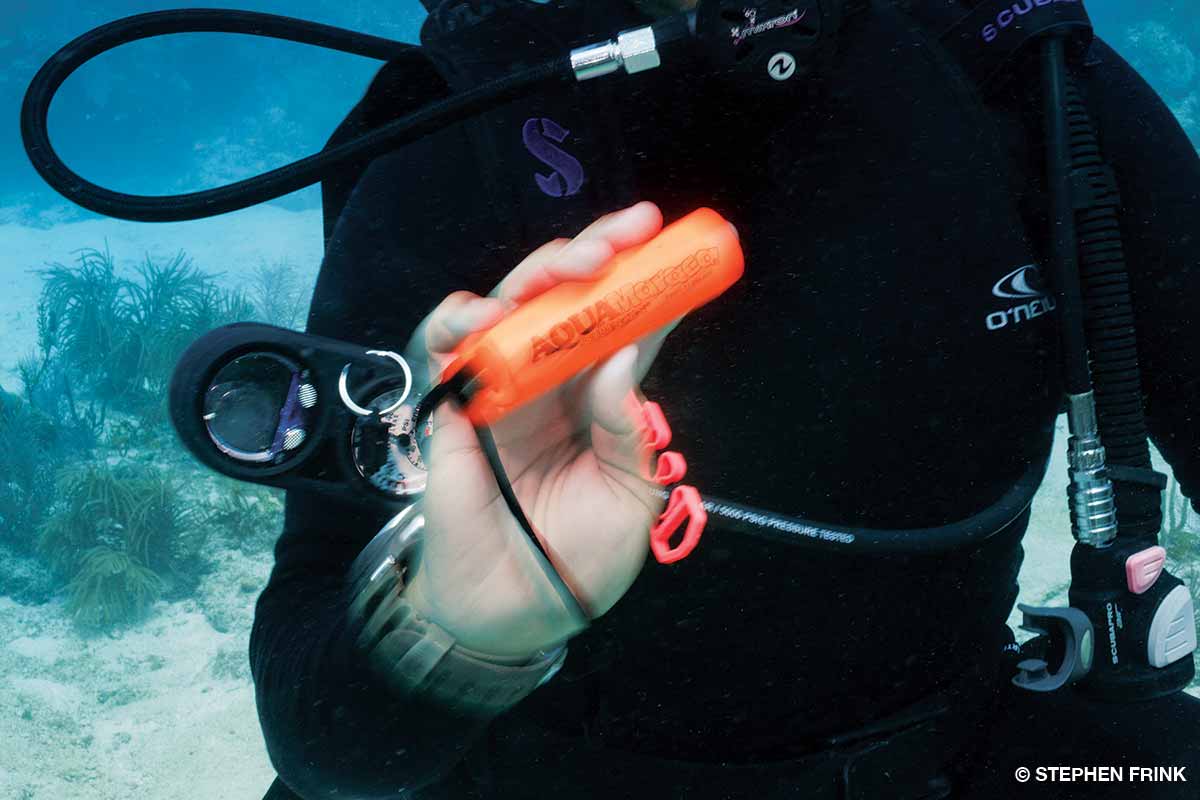
Audible cues and signals can get your buddy’s attention, signal a group of divers or indicate a problem you can help address. Even though we may dive to escape the noise of everyday life, we need to pay attention to the sounds around us. Doing so could make your dive even more special because your buddy got your attention to see something remarkable — or you may even save a life.
You are on the boat after a great dive when a buddy team surfaces, and one of them calls out for help. The boat crew helps get the distressed diver on board. Would you know what to do next? Whatever your level of dive training, or even if you are a nondiver dealing with an incident on land, DAN’s first aid training can help you know what to do and how to do it.
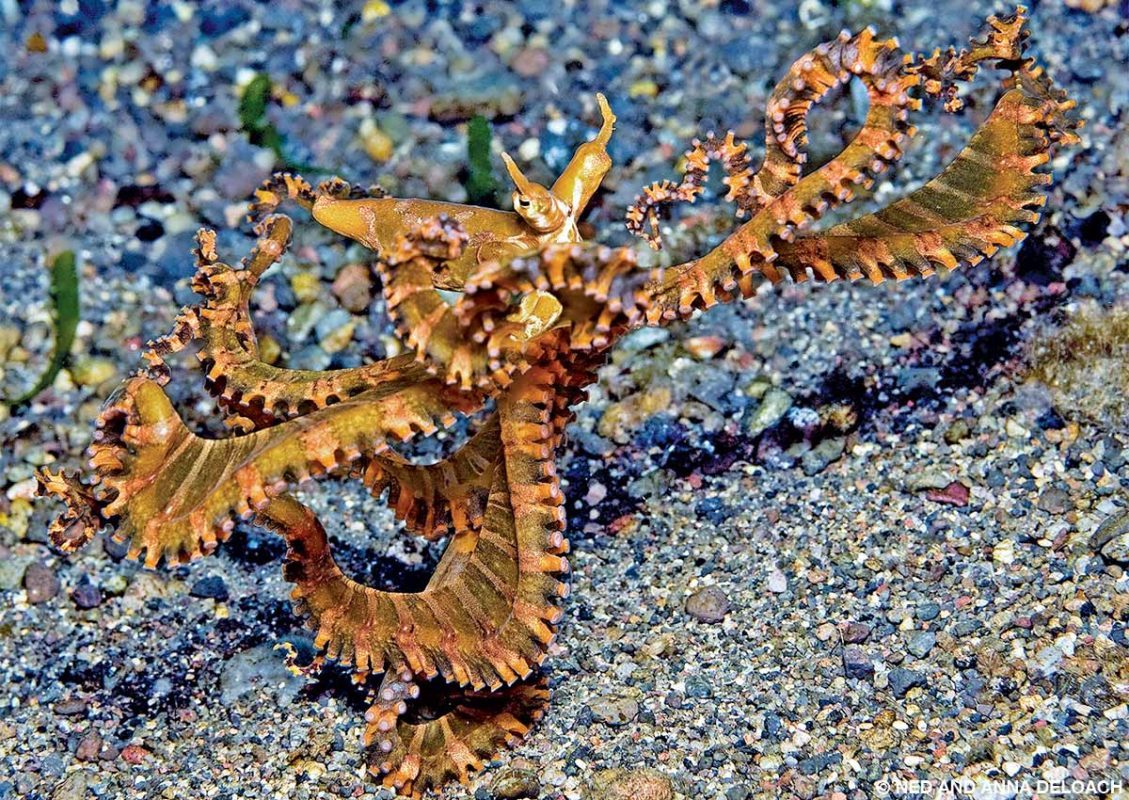
In 1995, when we first explored wunderpus territory, which overlies much of the Coral Triangle, the then-undescribed octopus’ fame had spread far and wide. The newly sensational creatures attained much of their acclaim for dancing like dandies across sandy seafloors on eight unimaginably limber arms — an eye-popping feat of acrobatic dexterity well worth traveling halfway around the world to see.