Basking Shark vs. Whale Shark
Whale sharks are easy. Basking sharks are hard. Whale sharks usually inhabit warm, tropical waters, while baskers prefer cooler, temperate regions.
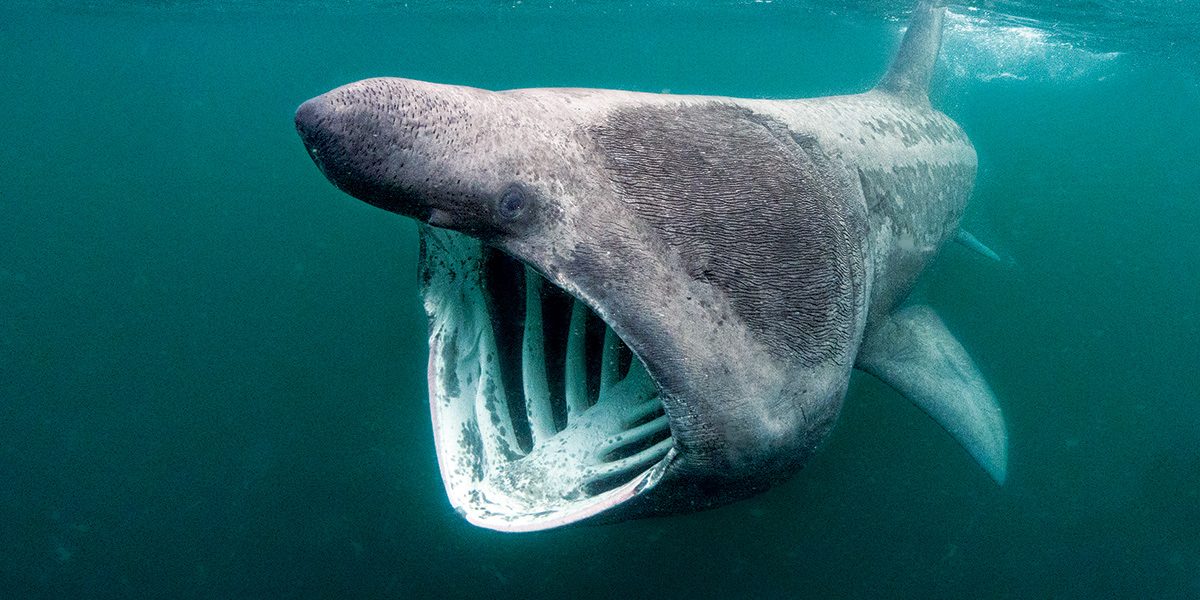
Whale sharks are easy. Basking sharks are hard. Whale sharks usually inhabit warm, tropical waters, while baskers prefer cooler, temperate regions.
A home gym isn’t necessary to work out at home. You can do this exercise program using readily available furniture and complete it in one session or spread the exercises throughout the day.

Young women beginning their careers as dive instructors regularly ask me how to be heard on a dive boat. Their experience is that guests don’t naturally listen to their directions. The dive industry has improved, and I don’t want to downplay the vast improvements that have already happened for women dive professionals. But this is a common question, so it remains relevant.

On our first trip to Hachijō-jima in 2015, we were in the company of friends on a mission to photograph a scientifically undocumented pygmy seahorse the size of a pumpkin seed. Even after a concerted four-day search, the tiny target eluded our efforts until a single seahorse miraculously materialized in the last minutes of the last dive on the last day.
To pee or not to pee? That is not the question for technical divers, instructors, or others who spend long hours in the water. Proper hydration and comfort ensure that urine will flow. The question is, What’s the best way to handle it?
There has been much discussion in the dive industry about incidents and accidents that require emergency exits from liveaboards. While we understand emergencies are possible, we will continue to travel on liveaboards, so we should be prepared for the unexpected.

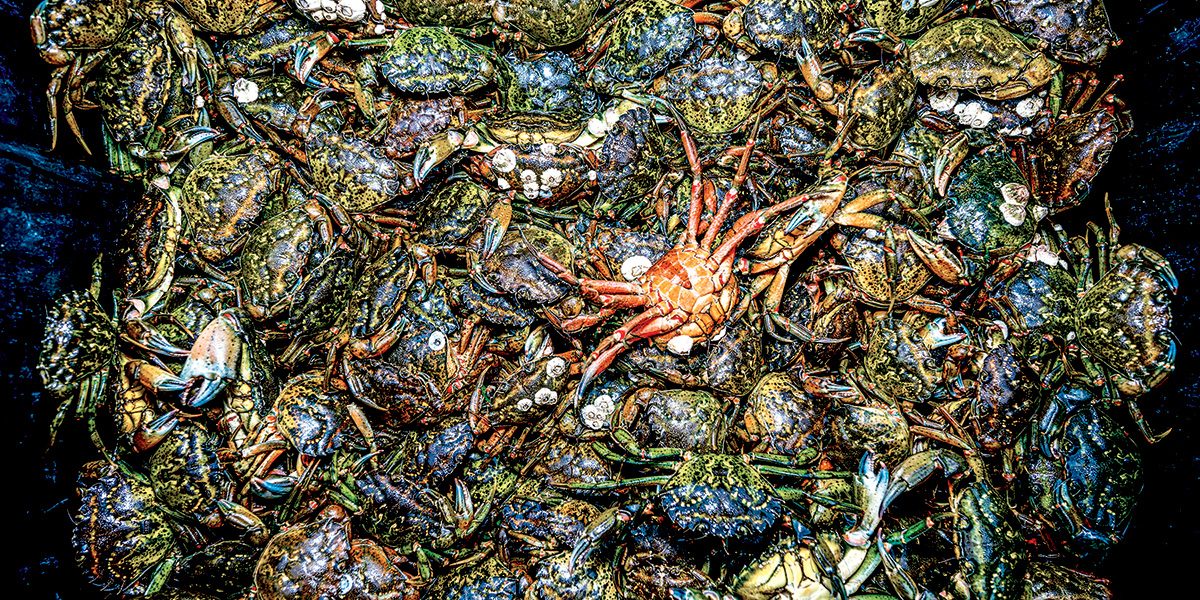
One of the world’s most destructive invasive species is gaining new ground — or water — in Canada and up to Alaska. Carcinus maenas, which translates to “raving mad crab,” outcompetes many local crab species in devouring clams, oysters, and mussels, and they sometimes even eat other crabs and juvenile fish. They destroy seagrass, an essential habitat for juvenile salmon, herring, rockfish, and many other marine animals.
DAN is a membership association, which means attracting new divers is essential to the long-term success of our organization.

Imagine waking up in the early hours of the morning at your favorite dive site. The sun hasn’t quite peaked above the horizon, and light is minimal. You don your dive gear, grab your camera, and giant stride off the back of the boat to begin your descent into the dimly lit ocean.
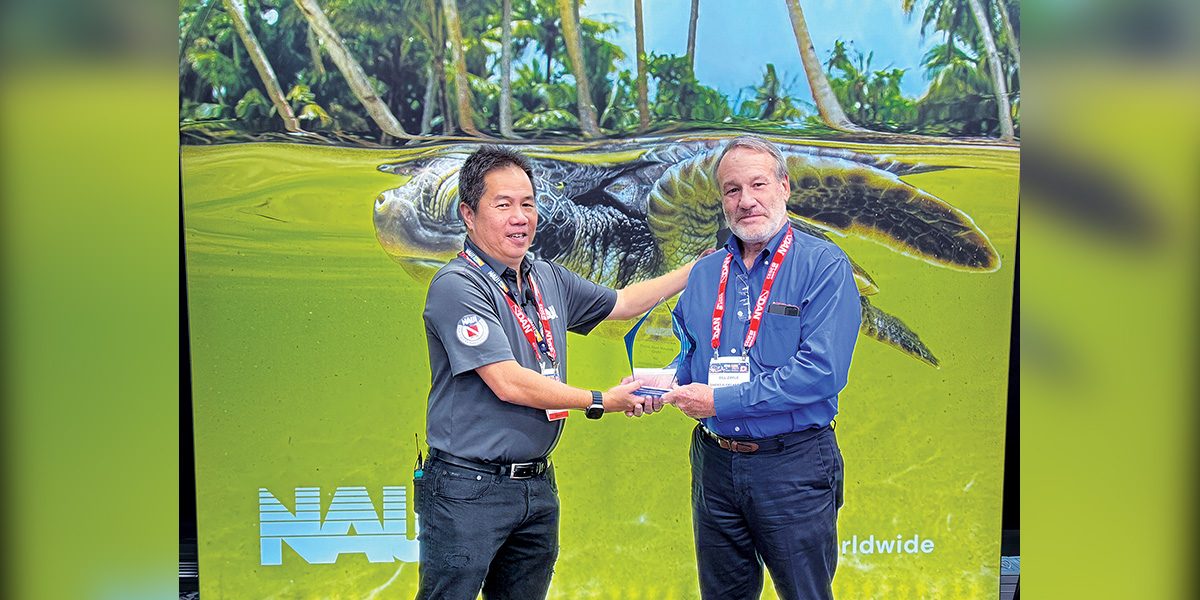
Every year the National Association of Underwater Instructors (NAUI) recognizes individuals and organizations that make significant contributions to advance the sport of diving and have a noteworthy impact on the dive industry. In 2023 Divers Alert Network received the Award for Innovation, which NAUI presents to those who provide significant innovations to diving and dive education.