The average age of a scuba diver in the U.S. is 42, with a median age of about 36 to 40. The full age range, however, is from preteens to octogenarians and occasionally beyond. Many of us are either older divers or hope to be someday.
Young and new divers need supervision and guidance to dive safely, and some divers with disabilities may need additional assistance. Experienced divers may function independently — but still with a buddy, of course — for a long time, but at some point many people need more assistance and may eventually be dependent on others to help them dive safely. There are, however, ways we can prolong our dive careers.
There is no arbitrary upper age limit for diving. Fitness to dive should be based on individual capability and health, including strength, chronic disease development, and cognitive function. Many positive effects of scuba diving — such as motivation to stay physically fit, intellectual stimulation, emotional well-being, and social involvement — continue into our later years.
Statistics from DAN, however, clearly show a correlation between increasing age and dive fatalities. How does a diver balance the positive aspects of diving with the increasing risks that come with aging? The core protections include medical oversight and monitoring by primary and specialty care physicians, honest and critical self-appraisal, and recognizing the limits of our current knowledge of dive physiology.
The honest and critical parts of self-appraisal are difficult but necessary. While we older divers may fondly remember our glory days, we need to realize that we likely are not the divers we once were and that we need to tailor our diving accordingly. Several normal changes occur with aging that are relevant to scuba diving.
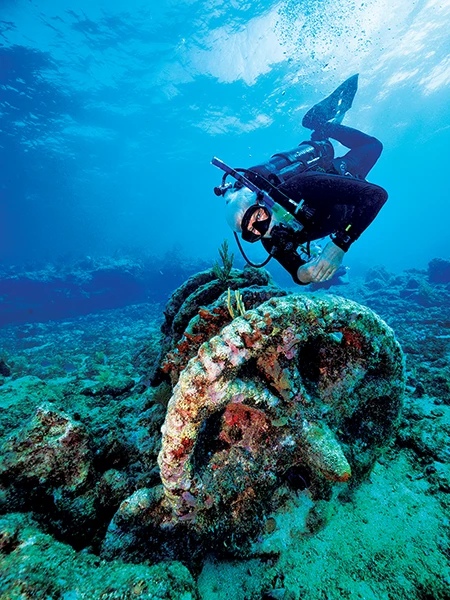
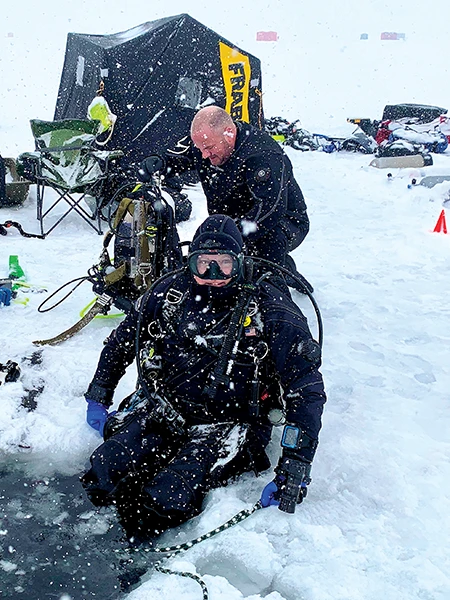
Physical Fitness
There is a reason that Olympians tend to be young adults: Statistical models predict a 1% decline per year in our aerobic capacity. But staying active can blunt this progression somewhat.
A 1990 study by Bernard Marti and Hans Howald reported on fitness in elite male athletes as a function of sustained physical activity. The most active had a decline of 0.7% per year, while the least active had an annual decline of 1.6%. Maintaining regular physical activity as we age can help slow the inevitable decline in physical fitness. We need to target several key elements of fitness:
1. Strength: manual labor, weightlifting, resistance training, kayaking, climbing, etc.
2. Aerobic capacity: running, cycling, swimming, etc.
3. Dynamic movement and flexibility: yoga, volleyball, racquetball, squash, etc.
Remember, you stay fit to dive; you don’t dive to stay fit.
Thermoregulatory Response
There is a differential thermoregulatory response between older and younger people. Higher mean skin temperatures in the older group suggest a weaker peripheral response that accelerates heat loss. This is why, when as a child, you would visit your grandmother and find her wearing a sweater inside the house while you felt very warm.
The management strategy for divers in terms of the declining thermoregulatory response with aging is to dress more warmly (thicker wetsuits, drysuits, hoods, heated undergarments, etc.) or to dive only in warm water.
Visual Acuity
Anyone over the age of 40 will tell you there is an age-related loss of visual acuity, with near vision being the main issue. This can make seeing smaller marine life or even reading your dive computer more difficult. The management strategy here is simple: surgical correction or corrective lenses (contacts or a corrective mask).
Hearing Loss
It is common to have some high-frequency hearing loss as we age. Historically, there was a concern that diving may worsen this issue. While commercial divers frequently experience some hearing loss, we now surmise that it is due to topside noise exposure and not related to scuba diving.
Orthopedic Issues
Strength and flexibility decline with age, and there is a risk of spinal compression fractures, especially for women. These issues can affect gear selection, transporting gear to the dive site, and donning and doffing equipment.
Not being able to reach equipment such as cylinder valves can be a safety issue that divers need to consider as they age. Older divers may want assistance with donning and doffing their gear and prefer to do it on the boat’s swim step or in the water. Some older divers also switch to sidemount configurations to have less weight to carry to the dive site or so they can put on their cylinders in the water.
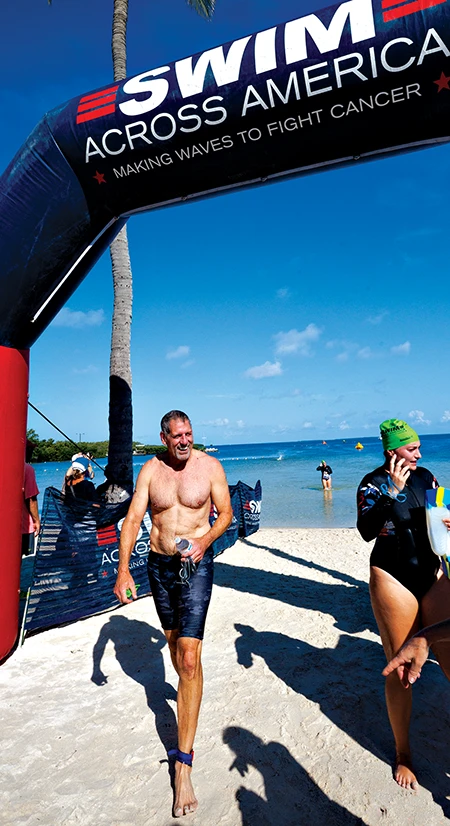
As we get older, we may need more assistance. A generous tip to the divemaster can often make them happy to help you into and out of your gear.
Cognitive Health
As we age, we experience declines in learning and retention, processing speed, and mental flexibility. We can combat these losses with sound nutrition, physical exercise, and mental exercise. Remember, a good diver is always learning. Stay physically fit, and consider taking a new dive course every year to help you stay mentally sharp.
Chronic Disease Development
Various chronic diseases become more common as we age and may affect our diving. Approximately 50% of Americans over age 50 and 72% over age 60 have high blood pressure (hypertension). Most people with hypertension can safely scuba dive, but they need to make sure their blood pressure is controlled, and their physician should monitor them for the development of other diseases associated with hypertension, such as coronary artery disease and stroke.
Coronary artery disease (CAD) is the most common form of heart disease, the leading cause of death in the U.S., accounting for approximately one in every four deaths. Advancing age is one of the major risk factors for developing CAD, along with hypertension, diabetes mellitus, high cholesterol, smoking, and a family history of premature CAD.
While we cannot control advancing age or our family history, we can modify the other risk factors. Blood pressure, diabetes mellitus, and cholesterol levels can be treated and controlled, while smokers can stop smoking. These lifestyle changes will not only help divers enjoy the sport longer but also prolong their lives.
Unfortunately, some people do everything right and still get CAD. Divers commonly wonder if they can return to diving after suffering a heart attack, having a stent placed, or undergoing bypass surgery. While individuals should make this decision in consultation with their cardiologist and on a case-by-case basis, we can offer some generalizations.
Patients with ongoing angina or exercise-induced dangerous heart rhythms and those who experienced large heart attacks that resulted in a severe weakening of their heart should not return to diving. Most divers with CAD can safely return to recreational scuba diving after having a heart attack, stents, or bypass surgery if they have normal heart muscle function, good exercise tolerance, and no evidence of ischemia (limitation of blood flow to the heart) on treadmill testing.
A good exercise tolerance for divers depends on what type of diving they do. Recreational divers who only dive in warm water with a professional dive guide, being able to achieve 6 metabolic equivalents of task (METs) on treadmill testing is probably adequate, because the dive professional would likely handle an emergency requiring more exertion. For comparison, 1 MET is the amount of oxygen consumed while sitting at rest.
Recreational divers who dive without a professional should have a higher level of fitness, such as 10 METs, as they may need to rescue their buddy in an emergency. Technical divers and dive professionals should have a somewhat higher standard of fitness, perhaps 13 METs. The Bruce Protocol exercise stress test table identifies the test parameters and associated MET levels. All stages on the conventional test are three minutes long and sequential.
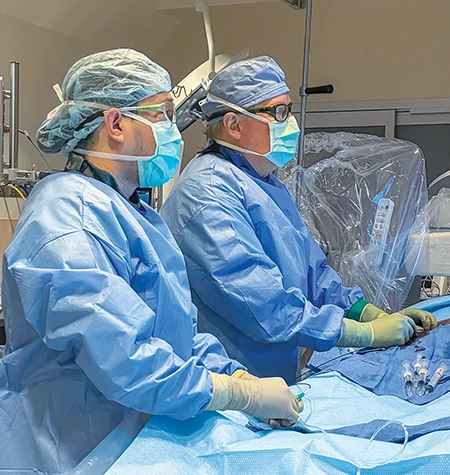
Fibrilación atrial is another condition that commonly develops as we age. While it affects fewer than 1% of the population under age 40, the lifetime risk for those age 60 and older is approximately 25%. There are two aspects of atrial fibrillation: the rhythm and the stroke risk. Some people are very uncomfortable when they go into atrial fibrillation and have the sensation of palpitations, while others are unaware of the condition.
Symptomatic patients can be treated with rate-slowing drugs, rhythm-stabilizing drugs, or an atrial fibrillation ablation. With an ablation, it is important to know that the cardiologist will place a catheter across the wall between the two top chambers of the heart. Divers should have their doctor confirm this hole has closed before returning to diving.
Developing atrial fibrillation increases a person’s risk of stroke fivefold. Many people with atrial fibrillation will be placed on oral anticoagulant therapy (blood thinners), which increases the risk of bleeding should a diver experience physical trauma such as cuts, scrapes, bites, or barotrauma involving the ears and sinuses.
While most of these are nuisance bleeds, there is a risk that if a diver suffers neurologic decompression sickness while on oral anticoagulation medication, they may be at higher risk of bleeding into the area, resulting in a more serious neurologic issue. Divers on oral anticoagulation should discuss the pros and cons of returning to diving with their prescribing physician.
Two devices have been approved in the U.S. for atrial fibrillation patients who cannot take long-term oral anticoagulation medications. The Watchman and Amulet devices close off the left atrial appendage, which is the site of 90% of the clots that cause a stroke in atrial fibrillation. Studies are underway that look at these devices in atrial fibrillation patients who can tolerate oral anticoagulation medications but would prefer a device to close the left atrial appendage.
Aortic stenosis is the narrowing of the aortic valve — the one that lets the blood exit the heart and go to the body. It is the most common valve disease of elderly individuals, affecting about 2% to 4% of people over 65 and up to 10% of those over 80. As the valve narrows, patients begin to develop symptoms of fatigue, breathlessness, chest pain, and even loss of consciousness. The mortality for a patient with symptomatic severe aortic stenosis can be as high as 50% at one to two years. Symptomatic aortic stenosis is a contraindication to scuba diving.
Historically, the only treatment available for symptomatic severe aortic stenosis was surgical aortic valve replacement, but the options have changed dramatically over the past decade or so. Many patients can now have their aortic valve replaced via a nonsurgical percutaneous approach. This less-invasive option lets them go home as soon as the day after the procedure and return to normal activities, including scuba diving, within several weeks.
In conclusion, there is no specific age when a diver needs to hang up their fins. With medical oversight, honest and critical self-appraisal, and recognizing the limits to current knowledge of dive physiology, many divers can safely enjoy our sport well into their golden years.
© Alert Diver – Q4 2026