
DEMA Show 2026
DAN EST À VOS CÔTÉS
Depuis 1980, DAN œuvre sans relâche pour promouvoir la sécurité en plongée, notamment grâce à sa ligne d’urgence accessible 24 h/24 et 7 j/7, à ses recherches en médecine de la plongée et à sa collaboration avec les différents acteurs du secteur afin d’établir des pratiques exemplaires pour des activités plus sûres. Aujourd’hui, grâce au soutien des plongeurs, des organismes de formation, des professionnels et des entreprises de plongée, DAN est plus solide que jamais.
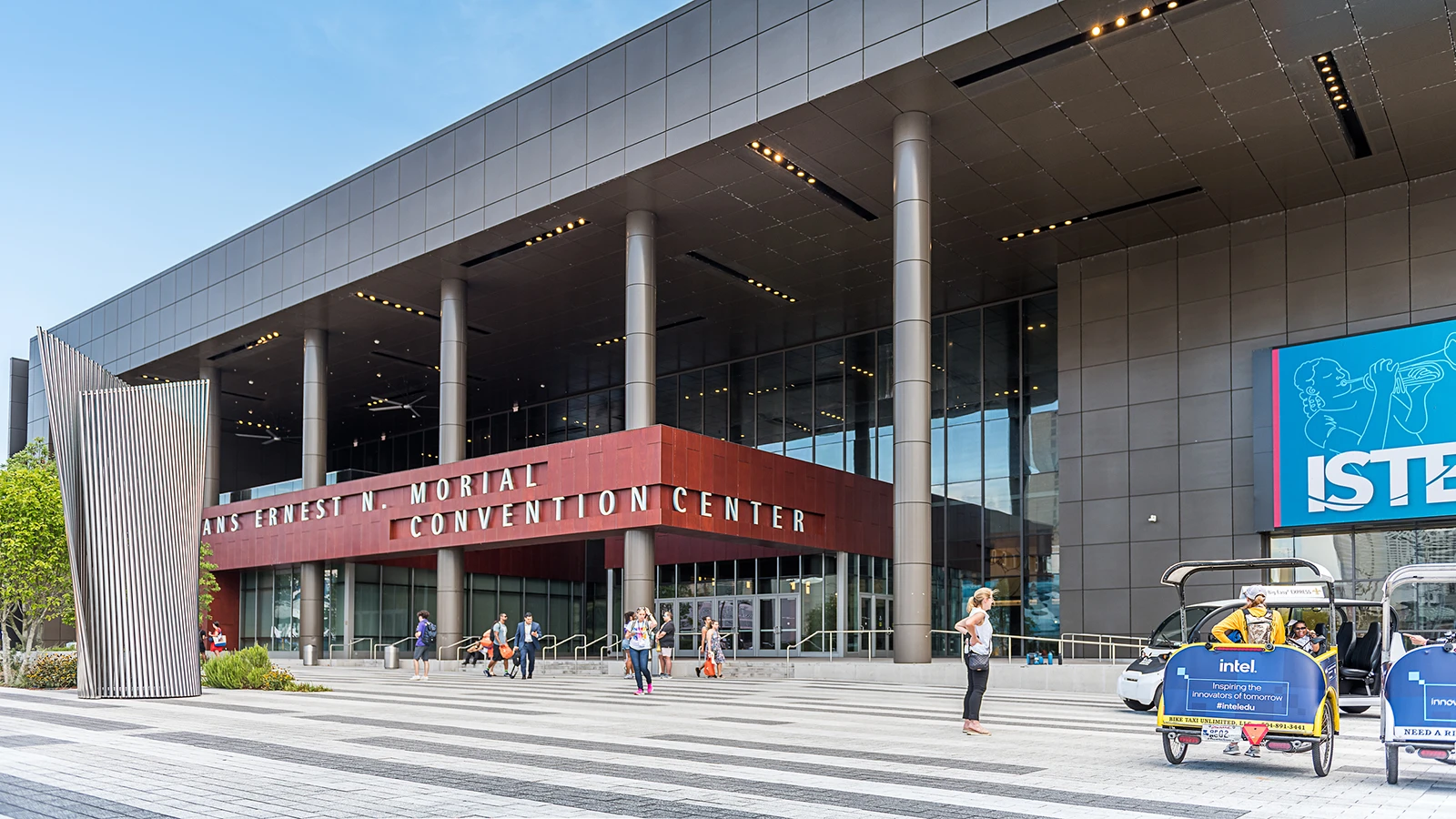
DAN sera présent au booth #1337 l ors du DEMA Show 2026. Organisé à La Nouvelle-Orléans du 3 au 6 novembre, l’événement réunira des professionnels des secteurs de la plongée, du voyage et des sports nautiques. Reconnu comme le plus grand salon professionnel de l’industrie de la plongée, le DEMA Show prévoit d’accueillir plus de 500 exposants et plusieurs milliers de professionnels.
Pour en savoir plus et vous inscrire, visitez le site demashow.com.
PROGRAMME DES CONFÉRENCES (en anglais)
Toutes les conférences ont lieu dans la salle 260.
| TITRE DE LA CONFÉRENCE | HORAIRES |
|---|---|
| Apnée : la physiologie humaine aux limites | 9h00 - 10h00 |
| Avant que l’alarme ne retentisse : un nouvel outil pour des croisières plongée (liveaboard) plus sûres | 10h00 - 11h00 |
| Les enseignements du sauvetage dans la grotte en Thaïlande | 11h00 - 12h00 |
| Au-delà du profil de plongée : le continuum du stress de décompression | 12h00 - 13h00 |
| Mise à jour 2027 pour les instructeurs, formateurs d’instructeurs et examinateurs DAN | 13h00 - 14h00 |
| Programmes DAN pour les professionnels et les entreprises de plongée | 14h00 - 15h00 |
| TITRE DE LA CONFÉRENCE | HORAIRES |
|---|---|
| Apnée : la physiologie humaine aux limites | 9h00 - 10h00 |
| Révision des limites d’exposition à l’oxygène (CNS) en plongée technique | 10h00 - 11h00 |
| Au-delà du profil de plongée : le continuum du stress de décompression | 11h00 - 12h00 |
| Gestion des risques en plongée profonde – Partie 1 | 12h00 - 13h00 |
| TITRE DE LA CONFÉRENCE | HORAIRES |
|---|---|
| Les enseignements du sauvetage dans la grotte en Thaïlande | 9h00 - 10h00 |
| Révision des limites d’exposition à l’oxygène (CNS) en plongée technique | 10h00 - 11h00 |
| Mieux comprendre les plongeurs d’aujourd’hui | 11h00 - 12h00 |
| La sécurité dès la conception : études de cas opérationnelles | 12h00 - 13h00 |
| Mise à jour 2027 pour les instructeurs, formateurs d’instructeurs et examinateurs DAN | 13h00 - 14h00 |
| Réunion annuelle des examinateurs | 14h00 - 15h00 |
| TITRE DE LA CONFÉRENCE | HORAIRES |
|---|---|
| Avant que l’alarme ne retentisse : un nouvel outil pour des croisières plongée (liveaboard) plus sûres | 9h00 - 10h00 |
| Gestion des risques en plongée profonde – Partie 2 : l’histoire de l’hydrogène | 10h00 - 11h00 |
| La sécurité dès la conception : études de cas opérationnelles | 11h00 - 12h00 |
| Mieux comprendre les plongeurs d’aujourd’hui | 12h00 - 13h00 |
| Programmes DAN pour les professionnels et les entreprises de plongée | 13h00 - 14h00 |
DESCRIPTION DES CONFÉRENCES
Apnée : la physiologie humaine aux limites
Par : Matias Nochetto, MD L’apnée soumet le corps humain à des contraintes particulières. Si de remarquables adaptations physiologiques permettent de plonger en retenant sa respiration, elles ont aussi leurs limites. Cette présentation explore la façon dont le corps réagit à la profondeur, à la pression et à l’apnée prolongée, et explique les mécanismes à l’origine d’accidents et de blessures courants, notamment les barotraumatismes, la perte de connaissance hypoxique et les accidents de décompression. Les responsables de plongée acquerront ainsi une compréhension pratique des mécanismes physiologiques permettant de favoriser une pratique plus sûre et mieux informée.Avant que l’alarme ne retentisse : un nouvel outil pour des croisières plongée (liveaboard) plus sûres
Par : JoAnn Perry, MSE De récents incidents survenus à bord de bateaux de croisière plongée ont mis en évidence l’importance d’identifier et de gérer les risques opérationnels de manière proactive, avant qu’ils ne se transforment en situations d’urgence. Cette session présente une liste de contrôle pratique HIRA (Hazard Identification and Risk Analysis — identification des dangers et analyse des risques), conçue pour aider les professionnels de la plongée et les opérateurs de croisières plongée à identifier les dangers, évaluer les risques et mettre en œuvre des mesures d’atténuation efficaces afin d’améliorer la sécurité de l’équipage comme des passagers.Les enseignements du sauvetage dans la grotte en Thaïlande
Par : Richard « Harry » Harris, BMBS, SC, OAM L’histoire est bien connue, mais le plongeur spéléologue et anesthésiste Richard Harris présentera son expérience de l’intérieur et le rôle qu’il a joué dans le sauvetage réussi, en 2018, des 12 garçons et de leur entraîneur coincés dans une grotte isolée du nord de la Thaïlande. En ayant recours à une technique d’anesthésie générale inédite et à haut risque, Harry a travaillé en étroite collaboration avec d’autres plongeurs spéléologues et membres des équipes de secours afin d’élaborer la stratégie qui présentait « le moins de risques ».Au-delà du profil de plongée : le continuum du stress de décompression
Par : Matias Nochetto, MD Le stress de décompression est souvent considéré comme étant essentiellement lié à la profondeur et au temps passé au fond. Pourtant, la réponse de l’organisme à la plongée commence avant même la mise à l’eau et se poursuit bien après le retour en surface. Cette présentation examine comment la préparation avant la plongée, les décisions prises sous l’eau et les comportements après la plongée peuvent chacun influencer le stress de décompression. Elle associe les connaissances physiologiques actuelles à des recommandations pratiques que les plongeurs peuvent appliquer tout au long de leur expérience de plongée.Mise à jour 2027 pour les instructeurs, formateurs d’instructeurs et examinateurs DAN
Par : JoAnn Perry, MSE Les instructeurs, formateurs d’instructeurs et examinateurs de Divers Alert Network sont invités à participer à la mise à jour 2027. Cette session présentera les améliorations et changements apportés au cours de l’année écoulée, ainsi qu’un aperçu des évolutions prévues pour l’année à venir.Programmes DAN pour les professionnels et les entreprises de plongée
Par : Angela Williams et Rochelle « Shelli » Wright Cette présentation propose un aperçu des programmes d’adhésion et d’assurance DAN et des nombreux avantages proposés aux professionnels, aux entreprises de plongée et à leurs clients. Nous aborderons les avantages de l’adhésion DAN, la couverture en cas d’accident de plongée, la protection voyage ainsi que l’assurance responsabilité civile. Un temps sera également consacré à vos questions.Apnée : la physiologie humaine aux limites
Par : Matias Nochetto, MD L’apnée soumet le corps humain à des contraintes particulières. Si de remarquables adaptations physiologiques permettent de plonger en retenant sa respiration, elles ont aussi leurs limites. Cette présentation explore la façon dont le corps réagit à la profondeur, à la pression et à l’apnée prolongée, et explique les mécanismes à l’origine d’accidents et de blessures courants, notamment les barotraumatismes, la perte de connaissance hypoxique et les accidents de décompression. Les responsables de plongée acquerront ainsi une compréhension pratique des mécanismes physiologiques permettant de favoriser une pratique plus sûre et mieux informée.Révision des limites d’exposition à l’oxygène (CNS) en plongée technique
Par : Simon Mitchell, MB ChB, PhD En 2025, un séminaire réunissant des experts internationaux de la plongée technique a été organisé afin d’examiner les données scientifiques sur lesquelles reposent les limites actuelles d’exposition à l’oxygène de la NOAA — communément appelées « horloge SNC » — enseignées à l’ensemble des plongeurs techniques, et de déterminer si les données disponibles justifiaient une révision de ces limites. Cette présentation expliquera le processus ayant conduit à l’élaboration d’une recommandation modifiée.Au-delà du profil de plongée : le continuum du stress de décompression
Par : Matias Nochetto, MD Le stress de décompression est souvent considéré comme étant essentiellement lié à la profondeur et au temps passé au fond. Pourtant, la réponse de l’organisme à la plongée commence avant même la mise à l’eau et se poursuit bien après le retour en surface. Cette présentation examine comment la préparation avant la plongée, les décisions prises sous l’eau et les comportements après la plongée peuvent chacun influencer le stress de décompression. Elle associe les connaissances physiologiques actuelles à des recommandations pratiques que les plongeurs peuvent appliquer tout au long de leur expérience de plongée.Gestion des risques en plongée profonde – Partie 1
Par : Richard « Harry » Harris, BMBS, SC, OAM Richard Harris a commencé à plonger à la fin des années 1970 et a toujours été passionné par l’exploration. Il s’est progressivement spécialisé dans la plongée spéléologique profonde, notamment parce que de nombreux sites profonds restaient inexplorés, mais aussi en raison de son intérêt pour les limites physiques et physiologiques d’une pratique sûre au-delà des profondeurs de la plongée loisir. Cette conférence présente les risques et les stratégies permettant de les atténuer, en s’appuyant notamment sur son projet emblématique mené à Pearse Resurgence, en Nouvelle-Zélande.Les enseignements du sauvetage dans la grotte en Thaïlande
Par : Richard « Harry » Harris, BMBS, SC, OAM L’histoire est bien connue, mais le plongeur spéléologue et anesthésiste Richard Harris présentera son expérience de l’intérieur et le rôle qu’il a joué dans le sauvetage réussi, en 2018, des 12 garçons et de leur entraîneur coincés dans une grotte isolée du nord de la Thaïlande. En ayant recours à une technique d’anesthésie générale inédite et à haut risque, « Harry » a travaillé en étroite collaboration avec d’autres plongeurs spéléologues et membres des équipes de secours afin d’élaborer la stratégie qui présentait « le moins de risques ».Révision des limites d’exposition à l’oxygène (CNS) en plongée technique
Par : Simon Mitchell, MB ChB, PhD En 2025, un séminaire réunissant des experts internationaux de la plongée technique a été organisé afin d’examiner les données scientifiques sur lesquelles reposent les limites actuelles d’exposition à l’oxygène de la NOAA — communément appelées « horloge SNC » — enseignées à l’ensemble des plongeurs techniques, et de déterminer si les données disponibles justifiaient une révision de ces limites. Cette présentation expliquera le processus ayant conduit à l’élaboration d’une recommandation modifiée.Mieux comprendre les plongeurs d’aujourd’hui
Par : Jim Chimiak, MD Les plongeurs loisir se mettent à l’eau avec des parcours, des capacités et des profils médicaux très variés. Pourtant, les facteurs à l’origine de la majorité des blessures et des situations évitées de justesse sont remarquablement similaires et, dans une large mesure, évitables. En s’appuyant sur des observations concrètes issues des rapports d’incidents DAN, des appels à la ligne d’urgence, des demandes d’information et de l’expérience sur le terrain, cette session fournira des informations utiles aux plongeurs comme aux professionnels de la plongée. La présentation mettra en lumière les facteurs les plus étroitement associés aux accidents évitables et montrera comment les traduire en stratégies pratiques que les plongeurs peuvent appliquer.La sécurité dès la conception : études de cas opérationnelles
Par : Shannon Hunt Une gestion efficace des risques repose sur une planification réfléchie et une démarche d’amélioration continue. Cette présentation s’appuie sur des études de cas opérationnelles réelles pour montrer comment l’identification proactive des dangers, l’analyse des incidents et la mise en œuvre de mesures correctives peuvent se compléter afin de renforcer la sécurité des opérations de plongée.Mise à jour 2027 pour les instructeurs, formateurs d’instructeurs et examinateurs DAN
Par : JoAnn Perry, MSE Les instructeurs, formateurs d’instructeurs et examinateurs de Divers Alert Network sont invités à participer à la mise à jour 2027. Cette session présentera les améliorations et changements apportés au cours de l’année écoulée, ainsi qu’un aperçu des évolutions prévues pour l’année à venir.Réunion annuelle des examinateurs
Par : JoAnn Perry, MSE Les examinateurs DAN sont invités à participer à cette réunion annuelle. Nous aurons le plaisir de vous présenter notre équipe de formation et d’échanger sur les changements à venir ainsi que sur de nouvelles idées concernant les formations DAN. Votre expérience étant particulièrement précieuse, nous comptons sur vos connaissances et vos suggestions pour enrichir ces échanges.Avant que l’alarme ne retentisse : un nouvel outil pour des croisières plongée (liveaboard) plus sûres
Par : JoAnn Perry, MSE De récents incidents survenus à bord de bateaux de croisière plongée ont mis en évidence l’importance d’identifier et de gérer les risques opérationnels de manière proactive, avant qu’ils ne se transforment en situations d’urgence. Cette session présente une liste de contrôle pratique HIRA (Hazard Identification and Risk Analysis — identification des dangers et analyse des risques), conçue pour aider les professionnels de la plongée et les opérateurs de croisières plongée à identifier les dangers, évaluer les risques et mettre en œuvre des mesures d’atténuation efficaces afin d’améliorer la sécurité de l’équipage comme des passagers.Gestion des risques en plongée profonde – Partie 2 : l’histoire de l’hydrogène
Par : Richard « Harry » Harris, BMBS, SC, OAM Après dix années d’expérience à des profondeurs supérieures à 150 m, Harry estimait approcher des limites de ce qu’il était possible de réaliser en toute sécurité avec les technologies disponibles. Pourtant, les sites qu’il explorait atteignaient désormais des profondeurs supérieures à 250 m. Cette présentation retracera le parcours qui l’a conduit à devenir le premier plongeur à utiliser de l’hydrogène comme gaz respiratoire dans un recycleur, ainsi que la petite série de plongées effectuées en Nouvelle-Zélande et en Afrique du Sud. Il reviendra sans détour sur sa dernière plongée à l’hydrogène, à la suite de laquelle il a souffert d’un accident de décompression médullaire, et partagera sa réflexion sur l’avenir de la plongée technique à très grande profondeur.La sécurité dès la conception : études de cas opérationnelles
Par : Shannon Hunt Une gestion efficace des risques repose sur une planification réfléchie et une démarche d’amélioration continue. Cette présentation s’appuie sur des études de cas opérationnelles réelles pour montrer comment l’identification proactive des dangers, l’analyse des incidents et la mise en œuvre de mesures correctives peuvent se compléter afin de renforcer la sécurité des opérations de plongée.Mieux comprendre les plongeurs d’aujourd’hui
Par : Jim Chimiak, MD Les plongeurs loisir se mettent à l’eau avec des parcours, des capacités et des profils médicaux très variés. Pourtant, les facteurs à l’origine de la majorité des blessures et des situations évitées de justesse sont remarquablement similaires et, dans une large mesure, évitables. En s’appuyant sur des observations concrètes issues des rapports d’incidents DAN, des appels à la ligne d’urgence, des demandes d’information et de l’expérience sur le terrain, cette session fournira des informations utiles aux plongeurs comme aux professionnels de la plongée. La présentation mettra en lumière les facteurs les plus étroitement associés aux accidents évitables et montrera comment les traduire en stratégies pratiques que les plongeurs peuvent appliquer.Programmes DAN pour les professionnels et les entreprises de plongée
Par : Angela Williams et Rochelle « Shelli » Wright Cette présentation propose un aperçu des programmes d’adhésion et d’assurance DAN et des nombreux avantages proposés aux professionnels, aux entreprises de plongée et à leurs clients. Nous aborderons les avantages de l’adhésion DAN, la couverture en cas d’accident de plongée, la protection voyage ainsi que l’assurance responsabilité civile. Un temps sera également consacré à vos questions.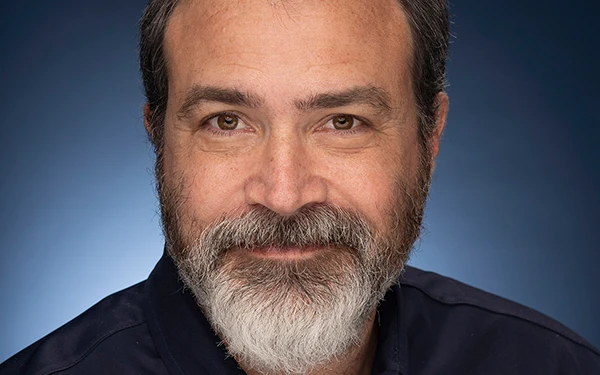
BIOGRAPHIES DES INTERVENANTS
Matias Nochetto, MD FUHM
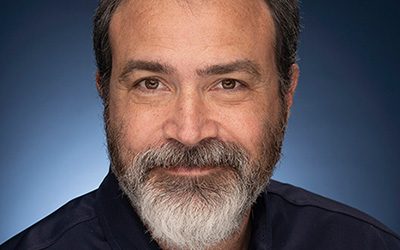
Matias est vice-président exécutif, Affaires médicales mondiales et Services médicaux, chez DAN, où il travaille depuis 2006. Il est codirecteur du programme de formation médicale continue DAN-UHMS et membre du corps enseignant de plusieurs cours et programmes nationaux et internationaux consacrés à la médecine de la plongée. Il est devenu instructeur de plongée en 1999, alors qu’il était étudiant en médecine. Cette expérience l’a conduit à suivre une formation clinique et de recherche de trois ans en médecine hyperbare et en médecine de la plongée, lui permettant ainsi de réunir ses deux passions.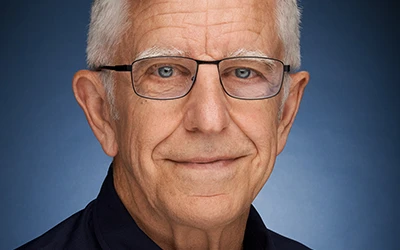
Jim Chimiak, MD
Le Dr Chimiak est médecin-chef de Divers Alert Network et est responsable de l’ensemble des questions médicales au sein de DAN, qu’elles concernent la plongée ou la médecine en milieux isolés. Son travail couvre un large éventail de problématiques liées à la plongée, de l’apnée jusqu’aux environnements spatiaux. Il collabore étroitement avec les plongeurs, les organisations de plongée, les caissons hyperbares, l’UHMS, les milieux scientifiques et la NOAA, ainsi qu’avec les secteurs commercial et militaire et la NASA.
Directrice de la formation, Divers Alert Network, Durham (Caroline du Nord)
JoAnn est directrice des services de sécurité et de la formation chez DAN. Elle est titulaire d’un diplôme de licence et d’un master en ingénierie, et elle met à profit ses connaissances en sécurité dans les secteurs de la construction et de la fabrication pour le domaine de la plongée sous-marine. JoAnn enseigne la plongée depuis 2008 ; elle est formatrice d’instructeurs de plongée et examinatrice DAN.
Rochelle "Shelli" Wright
Shelli est directrice des assurances commerciales chez DAN. Agent d'assurance agréée depuis plus de 25 ans, elle a travaillé avec tous les types de produits d'assurance. Shelli est également instructrice de plongée et une passionnée de plongée technique et de plongée en grotte. Elle allie ses connaissances en assurance à sa passion pour la plongée afin de promouvoir la réduction des risques et l'éducation à la sécurité au sein de la communauté des plongeurs.
Angela Williams
Angela est directrice de l’adhésion et des assurances personnelles chez DAN. Elle supervise l’équipe des services aux membres et cumule 18 ans d’expérience au sein de l’organisation. Agente d’assurance agréée, elle a à cœur d’informer les membres de DAN sur les programmes et produits d’assurance personnelle que l’organisation met à leur disposition.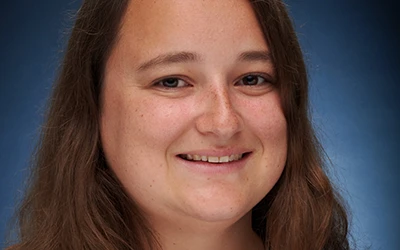
Shannon Hunt
Shannon Hunt est une professionnelle de la sécurité en plongée dont l’expérience couvre la recherche, la formation et la gestion opérationnelle. Issue du domaine de la biologie marine et forte de plusieurs années d’expérience en tant que responsable de la sécurité des activités de plongée dans des zoos et aquariums, elle a supervisé des programmes combinant sécurité, conformité réglementaire et formation pratique des plongeurs dans des environnements complexes. Dans ses fonctions d’administratrice des programmes des Services de sécurité, Shannon contribue à renforcer la culture de la sécurité en soutenant les programmes de formation, de sensibilisation et de développement de la sécurité destinés au secteur de la plongée. Elle s’efforce de favoriser une culture dans laquelle chaque plongeur, professionnel et opérateur dispose des connaissances et des outils nécessaires pour plonger en toute sécurité.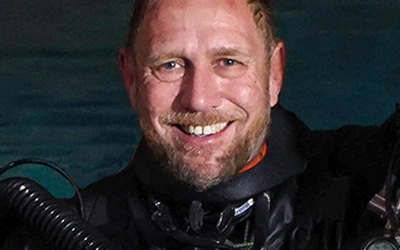
Richard “Harry” Harris, BMBS, SC, OAM
Richard Harris est un ancien anesthésiste spécialisé dans la médecine en milieux isolés, la médecine de la plongée et la médecine aéronautique. Il a commencé à plonger il y a plus de 45 ans et possède 25 années d’expérience avec les recycleurs à mélanges gazeux. Harry s’intéresse depuis longtemps aux enquêtes sur les accidents mortels de plongée et a mis en place en Australie, en 2010, une capacité d’intervention pour le sauvetage et la récupération en milieu souterrain. Le sauvetage dans la grotte en Thaïlande en 2018 lui a donné l’occasion de mettre cette expertise en pratique. Il travaille aujourd’hui comme conférencier, réalisateur et cadreur sous-marin. Il est fier de collaborer avec Divers Alert Network dans le domaine de la sécurité en plongée.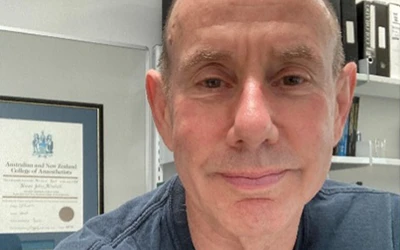
Simon Mitchell, MB, ChB, Ph.D.
Simon Mitchell est professeur d’anesthésiologie et spécialiste de la médecine de la plongée à la faculté de médecine de l’Université d’Auckland. Ses recherches sur la théorie de la décompression et la médecine de la plongée ont fait l’objet de nombreuses publications. Il a également occupé de nombreuses fonctions de responsabilité et de direction au sein de sociétés savantes et d’organisations professionnelles.
LA SOIRÉE DAN RÉSERVÉE AUX MEMBRES EST DE RETOUR
Retrouvez DAN et d’autres professionnels du secteur de la plongée lors de la soirée DAN Member Social au DEMA pour un moment convivial autour de discussions et de quelques verres. En tant qu’organisation dédiée à votre sécurité en plongée, nous levons notre verre à toutes celles et ceux qui œuvrent sans relâche pour promouvoir la sécurité des plongeurs. Nous espérons vous y voir.DATE & HEURE
Tuesday, November 3 6:30 p.m. – 9 p.m.LIEU
The Fillmore
6 Canal St. New Orleans, LA