
2026 DEMA Show
DAN IS HERE FOR YOU
Since 1980, DAN has worked tirelessly to promote dive safety — operating the 24/7 DAN Emergency Hotline, conducting dive medical research, and collaborating with stakeholders throughout the industry to establish best practices for safe operations. Today, thanks to the support of divers, training agencies, dive pros, and dive businesses, DAN is stronger than ever.
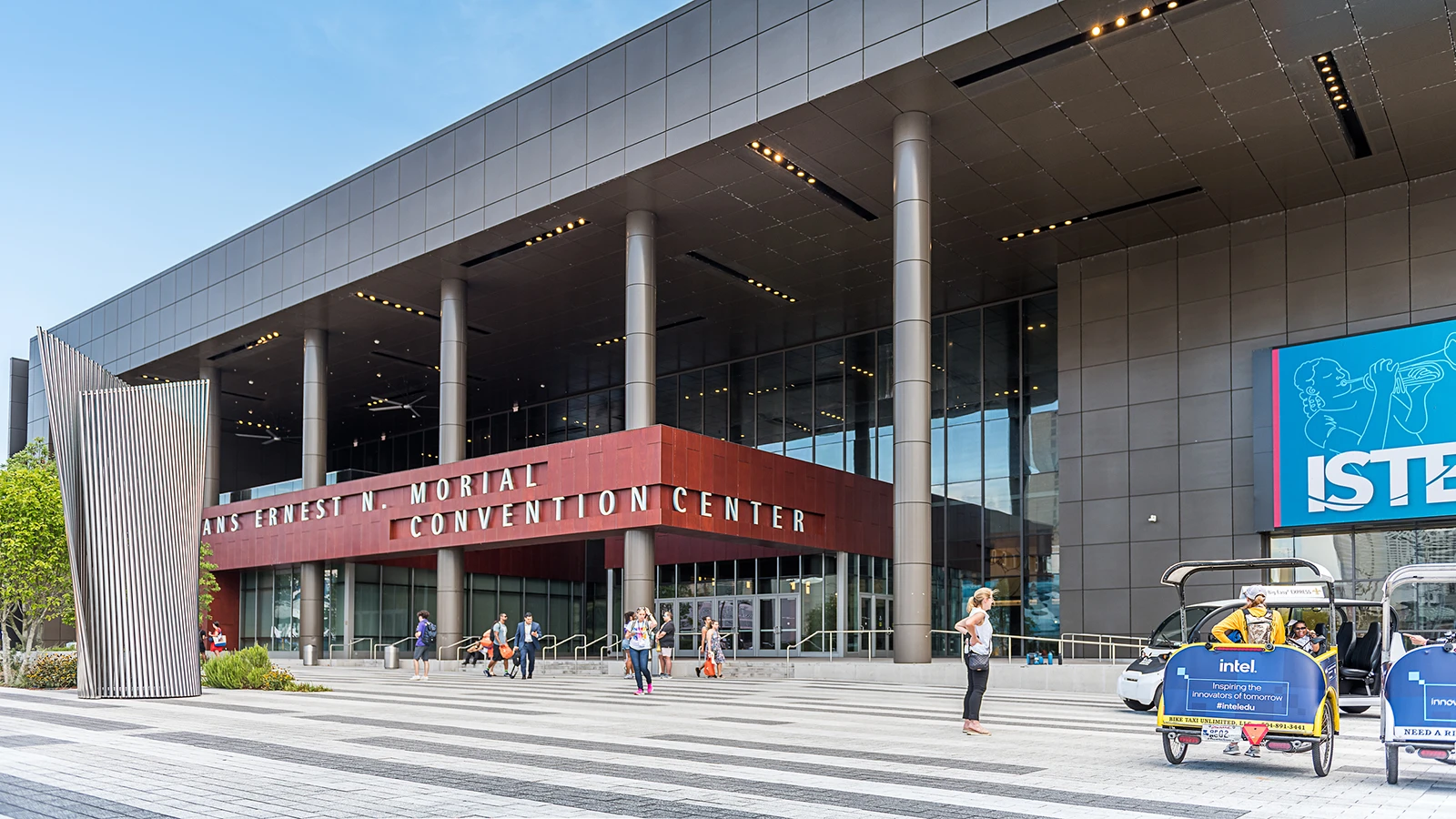
DAN will exhibit at booth #1337 during DEMA Show 2026. Held in New Orleans from November 3–6, this year’s event will bring together professionals from the dive, travel, and water sports industries. Recognized as the largest trade-only event in the dive industry, DEMA anticipates hosting over 500 exhibitors and thousands of professionals.
To learn more and register to attend, visit demashow.com.
SEMINAR SCHEDULE
All seminars are held in room 260
| SESSION TITLE | TIME |
|---|---|
| Freediving: Human Physiology at the Edge | 9am – 10am |
| Before the Alarm Sounds: A New Tool for Safer Liveaboards | 10am – 11am |
| Lessons from the Thai Cave Rescue | 11am – 12pm |
| Beyond the Dive Profile: The Continuum of Decompression Stress | 12pm – 1pm |
| 2027 DAN Instructor, Instructor Trainer, and Examiner Update | 1pm – 2pm |
| DAN Programs for Dive Pros and Businesses | 2pm – 3pm |
| SESSION TITLE | TIME |
|---|---|
| Freediving: Human Physiology at the Edge | 9am – 10am |
| Revised “Oxygen Clock” Limits for Technical Diving | 10am – 11am |
| Beyond the Dive Profile: The Continuum of Decompression Stress | 11am – 12pm |
| Risk Management in Deep Diving Part 1 | 12pm – 1pm |
| SESSION TITLE | TIME |
|---|---|
| Lessons from the Thai Cave Rescue | 9am – 10am |
| Revised “Oxygen Clock” Limits for Technical Diving | 10am – 11am |
| Understanding Today’s Divers | 11am – 12pm |
| Safety By Design: Operational Case Studies | 12pm – 1pm |
| 2027 DAN Instructor, Instructor Trainer, and Examiner Update | 1pm – 2pm |
| Annual Examiners’ Meeting | 2pm – 3pm |
| SESSION TITLE | TIME |
|---|---|
| Before the Alarm Sounds: A New Tool for Safer Liveaboards | 9am – 10am |
| Risk Management in Deep Diving Part 2: The Hydrogen Story | 10am – 11am |
| Safety By Design: Operational Case Studies | 11am – 12pm |
| Understanding Today’s Divers | 12pm – 1pm |
| DAN Programs for Dive Pros and Businesses | 1pm – 2pm |
Seminar Descriptions
Freediving: Human Physiology at the Edge
By: Matias Nochetto, MD Freediving places unique demands on the human body. While remarkable physiological adaptations make breath-hold diving possible, they also have limits. This presentation explores how the body responds to depth, pressure, and prolonged breath-holding, explaining the mechanisms behind common injuries and accidents, including barotrauma, hypoxic blackout, and decompression illness. Dive leaders will gain a practical understanding of the physiology that underpins safer and more informed diving.Before the Alarm Sounds: A New Tool for Safer Liveaboards
By: JoAnn Perry, MSE Recent liveaboard incidents have highlighted the importance of proactively identifying and managing operational risks before they become emergencies. This session introduces a practical Hazard Identification and Risk Analysis (HIRA) checklist developed to help dive professionals and liveaboard operators recognize hazards, assess risk, and implement effective mitigation strategies to enhance safety for both crew and guests.Lessons from the Thai Cave Rescue
By: Richard “Harry” Harris, BMBS, SC, OAM The story is well known, but cave diver and anesthesiologist Richard Harris will present an inside perspective on his role in the successful rescue of the 12 boys and their coach from a remote cave in Northern Thailand in 2018. Using a high-risk and unprecedented general anaesthetic technique, Harry worked closely with other cave divers and rescuers to develop the “least worst” strategy.Beyond the Dive Profile: The Continuum of Decompression Stress
By: Matias Nochetto, MD Decompression stress is often viewed as a function of depth and bottom time, but the body’s response to diving begins before entering the water and continues long after surfacing. This presentation explores how pre-dive preparation, in-water decisions, and post-dive behaviors each influence decompression stress, integrating current physiology with practical recommendations that divers can apply throughout the entire dive experience.2027 DAN Instructor, Instructor Trainer, and Examiner Update
By: JoAnn Perry, MSE Divers Alert Network Instructors, Instructor Trainers, and Examiners are invited to attend the 2027 Update. This session will cover improvements and changes from the past year and provide an outlook on changes coming in the year ahead.DAN Programs for Dive Pros and Businesses
By: Angela Williams and Rochelle “Shelli” Wright Join us for an overview of DAN’s membership and insurance programs, and learn about all the great benefits available to you, your business, and your customers. We’ll cover DAN membership benefits, dive accident coverage, trip and travel protection, and liability insurance, and there will be time to get answers to all your questions. Learn how dive pros and dive operators can use DAN’s programs to better serve your customers, mitigate risk, and grow your business.Freediving: Human Physiology at the Edge
By: Matias Nochetto, MD Freediving places unique demands on the human body. While remarkable physiological adaptations make breath-hold diving possible, they also have limits. This presentation explores how the body responds to depth, pressure, and prolonged breath-holding, explaining the mechanisms behind common injuries and accidents, including barotrauma, hypoxic blackout, and decompression illness. Dive leaders will gain a practical understanding of the physiology that underpins safer and more informed diving.Revised “Oxygen Clock” Limits for Technical Diving
By: Simon Mitchell, MB ChB, PhD In 2025 a seminar involving international experts in technical diving was convened to review the evidence underpinning the current NOAA oxygen exposure limits (“the CNS clock”) that are universally taught to technical divers, and to consider whether there was sufficient evidence to revise these limits. This presentation will describe that process, which led to a modified recommendation.Beyond the Dive Profile: The Continuum of Decompression Stress
By: Matias Nochetto, MD Decompression stress is often viewed as a function of depth and bottom time, but the body’s response to diving begins before entering the water and continues long after surfacing. This presentation explores how pre-dive preparation, in-water decisions, and post-dive behaviors each influence decompression stress, integrating current physiology with practical recommendations that divers can apply throughout the entire dive experience.Risk Management in Deep Diving Part 1
By: Richard “Harry” Harris, BMBS, SC, OAM Richard Harris started diving in the late 1970s and always had a fascination with exploration. He developed a niche interest in deep cave diving partly because many of the deep sites were unexplored, and partly because of an interest in the physical and physiological barriers to diving safely beyond recreational depths. This talk discusses the risks and mitigation strategies based around his signature project in the Pearse Resurgence, New Zealand.Lessons from the Thai Cave Rescue
By: Richard “Harry” Harris, BMBS, SC, OAM The story is well known, but cave diver and anesthesiologist Richard Harris will present an inside perspective on his role in the successful rescue of the 12 boys and their coach from a remote cave in Northern Thailand in 2018. Using a high-risk and unprecedented general anaesthetic technique, “Harry” worked closely with other cave divers and rescuers to develop the “least worst” strategy.Revised “Oxygen Clock” Limits for Technical Diving
By: Simon Mitchell, MB ChB, PhD In 2025 a seminar involving international experts in technical diving was convened to review the evidence underpinning the current NOAA oxygen exposure limits (“the CNS clock”) that are universally taught to technical divers, and to consider whether there was sufficient evidence to revise these limits. This presentation will describe that process, which led to a modified recommendation.Understanding Today’s Divers
By: Jim Chimiak, MD Recreational divers enter the water with a range of backgrounds, abilities, and medical profiles. But the issues that lead to most injuries and near misses are remarkably consistent and largely preventable. Drawing on real world insights from DAN incident reports, hotline calls, info requests, and field experience, this session will provide useful insights for divers and dive professionals. The talk highlights the factors most strongly associated with avoidable accidents and translates them into practical strategies divers can apply.Safety By Design: Operational Case Studies
By: Shannon Hunt Effective risk management is built through intentional planning and continuous improvement. This presentation uses real operational case studies to demonstrate how proactive hazard identification, incident analysis, and corrective actions work together to strengthen dive operations.2027 DAN Instructor, Instructor Trainer, and Examiner Update
By: JoAnn Perry, MSE Divers Alert Network Instructors, Instructor Trainers, and Examiners are invited to attend the 2027 Update. This session will cover improvements and changes from the past year and provide an outlook on changes coming in the year ahead.Annual Examiners’ Meeting
By: JoAnn Perry, MSE DAN Examiners are invited to attend this annual meeting. We look forward to introducing you to our training team and discussing upcoming changes and ideas for DAN training. Because of your experience, we will lean on you for your ideas and knowledge.Before the Alarm Sounds: A New Tool for Safer Liveaboards
By: JoAnn Perry, MSE Recent liveaboard incidents have highlighted the importance of proactively identifying and managing operational risks before they become emergencies. This session introduces a practical Hazard Identification and Risk Analysis (HIRA) checklist developed to help dive professionals and liveaboard operators recognize hazards, assess risk, and implement effective mitigation strategies to enhance safety for both crew and guests.Risk Management in Deep Diving Part 2: The Hydrogen Story
By: Richard “Harry” Harris, BMBS, SC, OAM With a decade of experience diving past 150m, Harry was reaching the limits of what he believed could be safely achieved using current technology. However the sites he was exploring were now heading down past 250m. This talk will describe the path to being the first diver to utilize hydrogen as a breathing gas in a rebreather and the small series of dives performed in New Zealand and South Africa. He will give a frank description of his final hydrogen dive that resulted in spinal decompression sickness and share his thoughts on the future of technical ultra-deep diving.Safety By Design: Operational Case Studies
By: Shannon Hunt Effective risk management is built through intentional planning and continuous improvement. This presentation uses real operational case studies to demonstrate how proactive hazard identification, incident analysis, and corrective actions work together to strengthen dive operations.Understanding Today’s Divers
By: Jim Chimiak, MD Recreational divers enter the water with a range of backgrounds, abilities, and medical profiles. But the issues that lead to most injuries and near misses are remarkably consistent and largely preventable. Drawing on real world insights from DAN incident reports, hotline calls, info requests, and field experience, this session will provide useful insights for divers and dive professionals. The talk highlights the factors most strongly associated with avoidable accidents and translates them into practical strategies divers can apply.DAN Programs for Dive Pros and Businesses
By: Angela Williams and Rochelle “Shelli” Wright Join us for an overview of DAN’s membership and insurance programs, and learn about all the great benefits available to you, your business, and your customers. We’ll cover DAN membership benefits, dive accident coverage, trip and travel protection, and liability insurance, and there will be time to get answers to all your questions. Learn how dive pros and dive operators can use DAN’s programs to better serve your customers, mitigate risk, and grow your business.
Presenter Bios
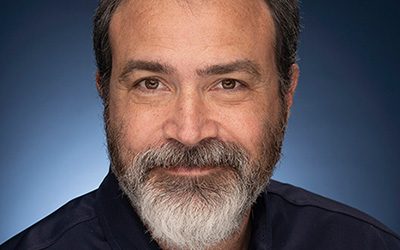
Matias Nochetto, MD FUHM
Matias is the Executive VP Global Medical Affairs, Medical Services, at DAN, where he has worked since 2006. He is co-director of the DAN-UHMS continuing medical education program and a faculty member of several national and international diving medicine courses and programs. He became a dive instructor in 1999 during medical school, which led him to complete a three-year clinical and research fellowship in hyperbaric and diving medicine to combine the two passions.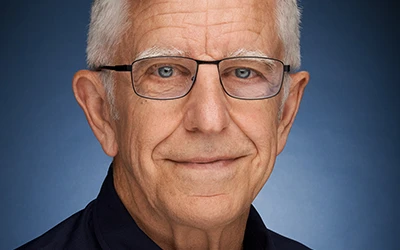
Jim Chimiak, MD
Dr. Chimiak, MD is the Chief Medical Officer for Divers Alert Network, responsible for all medical issues at DAN that include both diving and remote medical issues. He works with the range of diving issues from breath hold to space interacting closely with individual divers, dive organizations, chambers, UHMS, science/NOAA, commercial, military to NASA.
JoAnn Perry, MSE
JoAnn is the Director of Safety Services and training at DAN. She has bachelor’s and master’s degrees in engineering and brings knowledge of safety in the construction and manufacturing industries to scuba diving. JoAnn has been teaching diving since 2008 and is a diving Instructor Trainer and a DAN Examiner.
Rochelle “Shelli” Wright
Shelli is the Director of Commercial Insurance at DAN. She has been a licensed insurance agent for over 25 years, actively working with all lines of insurance products. Shelli is a dive instructor and an avid technical and full cave diver. She combines her knowledge of insurance and her passion for diving to promote risk mitigation and safety education for the diving community.
Angela Williams
Angela is the Director of Membership and Personal Insurance at DAN. She manages the DAN Member Services team and has 18 years of experience at the organization. She is a licensed insurance agent who is highly motivated to ensure DAN members are educated about the personal insurance programs and products DAN offers.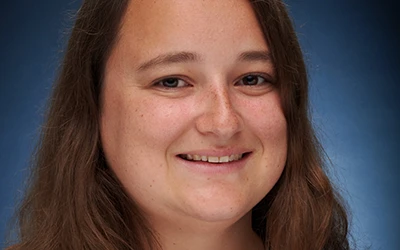
Shannon Hunt
Shannon Hunt is a dedicated dive safety professional with experience spanning research, training, and operational management. With a background in marine biology and years of experience as a Dive Safety Officer in zoos and aquariums, she has overseen programs that integrate safety, compliance, and hands-on diver training in complex environments. In her role as the Safety Services Program Administrator, Shannon works to strengthen safety culture by supporting education, outreach and safety development programs for the dive industry. She strives to create a culture where every diver, professional, and operator is empowered with the knowledge and tools to dive safely.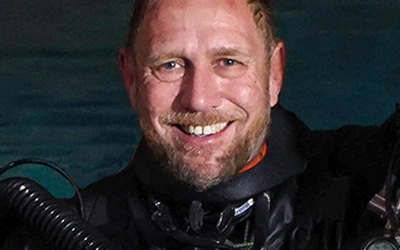
Richard “Harry” Harris, BMBS, SC, OAM
Richard Harris is a former anesthesiologist with experience in remote area, diving and aeromedical medicine. He started diving over 45 years ago has 25 years of experience with mixed gas rebreathers. Harry has a long standing interest in diving fatality investigation, and established a cave rescue and recovery capability in Australia in 2010. The 2018 Thai Cave rescue was an opportunity to put this into practice. He now works as a speaker, film maker and underwater camera operator. He is proud to be collaborating with the Divers Alert Network in the field of diver safety.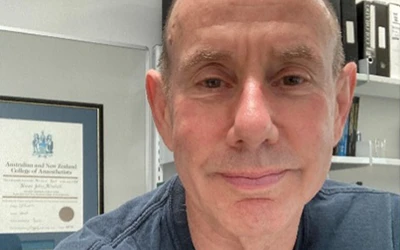
Simon Mitchell, MB, ChB, Ph.D.
Simon Mitchell, MB, ChB, Ph.D., is a professor of anesthesiology and a diving medicine specialist at the University of Auckland School of Medicine. Mitchell’s studies on decompression theory and dive medicine have been published in numerous publications, and he has held numerous service and executive roles in academic societies and organizations.
DAN Members-Only Social Returns
Join DAN and your fellow dive industry professionals at the DAN Social at DEMA to enjoy an evening of conversation, drinks, and fun. As your dive safety organization, we raise a glass to all who work tirelessly to promote dive safety. We hope you can join us.DATE & TIME
Tuesday, November 3 6:30 p.m. – 9 p.m.LOCATION
The Fillmore
6 Canal St. New Orleans, LA