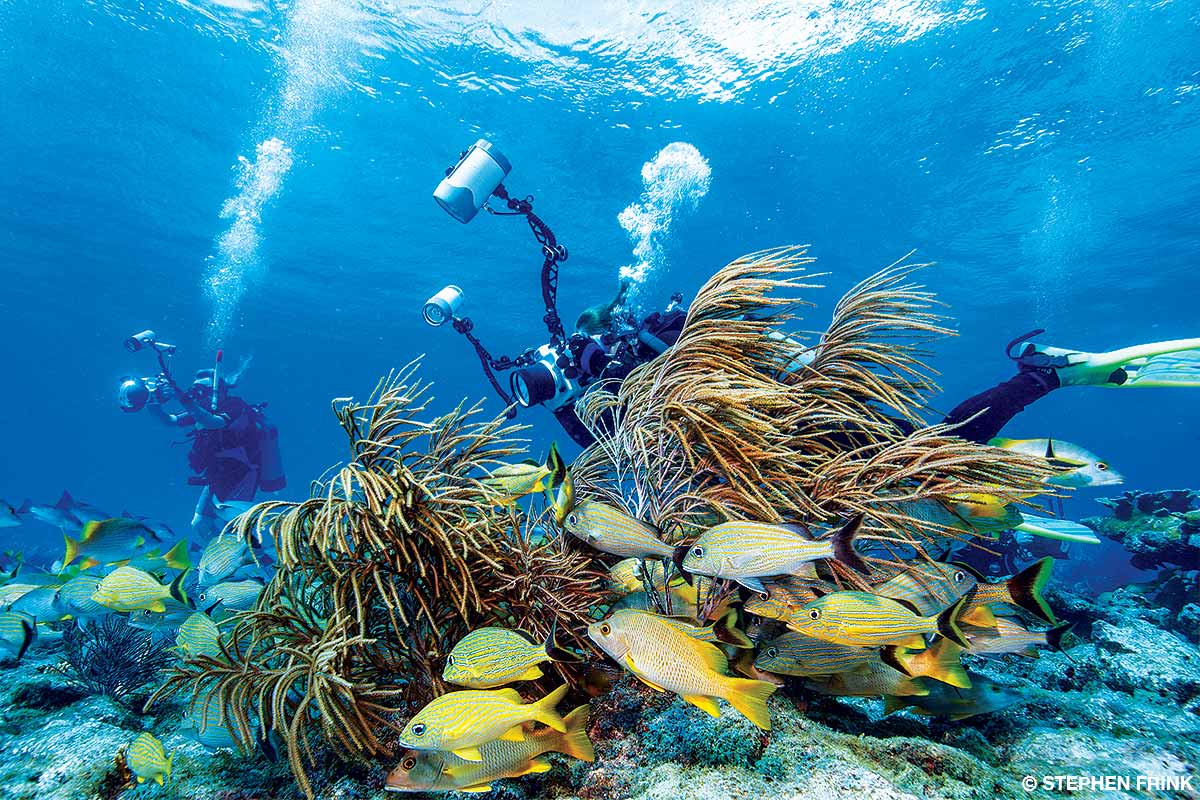
Hindari Menyelam dengan Penyumbat Telinga
TOPIK YANG SERING TERJADI saat membahas keselamatan menyelam adalah penggunaan penyumbat telinga. Apakah mereka aman digunakan saat menyelam? Apakah DAN memiliki rekomendasi?
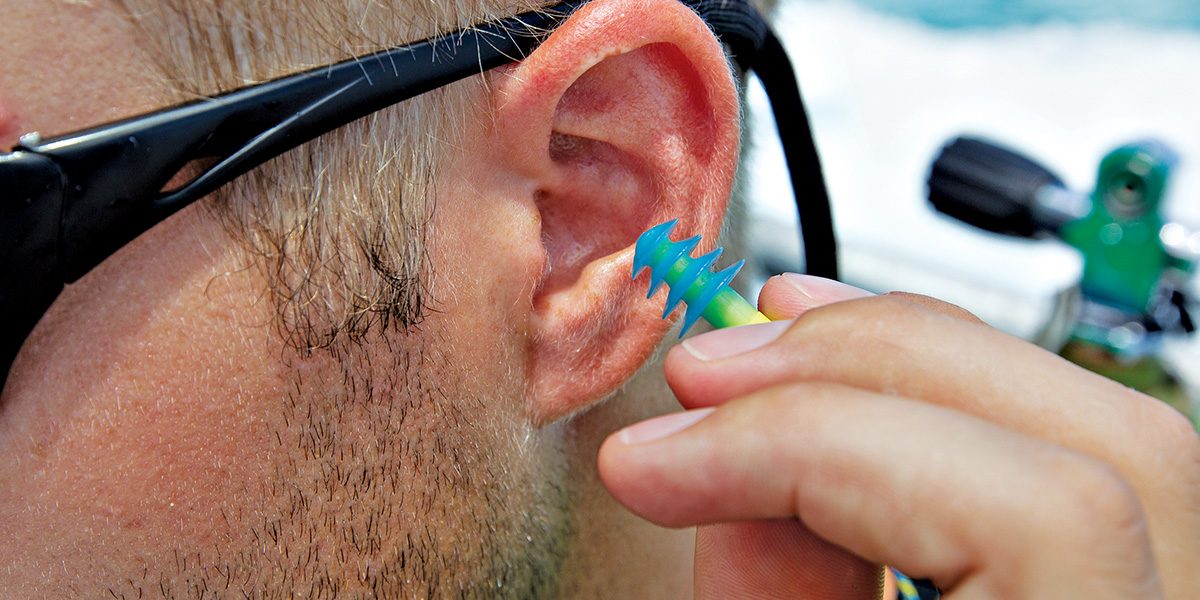
TOPIK YANG SERING TERJADI saat membahas keselamatan menyelam adalah penggunaan penyumbat telinga. Apakah mereka aman digunakan saat menyelam? Apakah DAN memiliki rekomendasi?
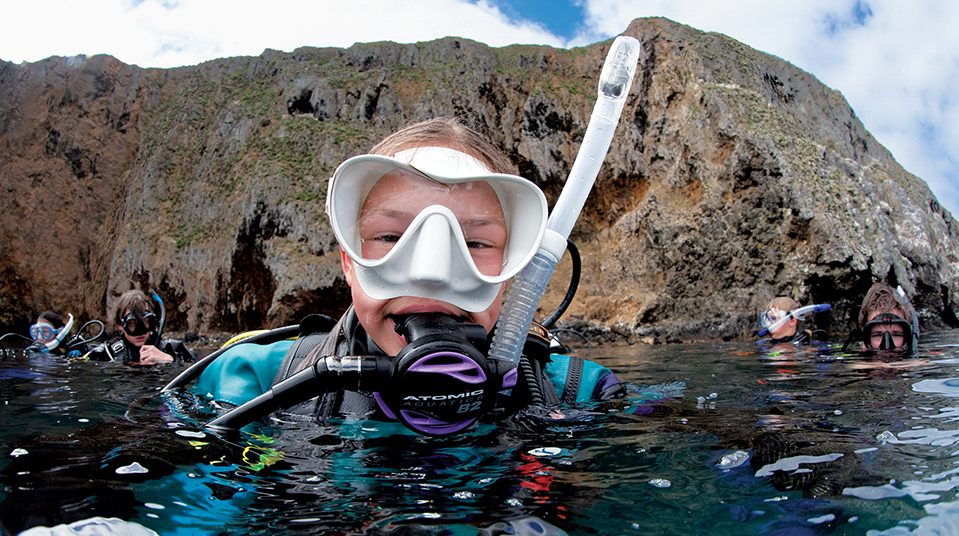
ANAK di bawah umur telah menyelam selama puluhan tahun, tetapi kejadian cedera akibat menyelam di antara mereka masih belum banyak diteliti.
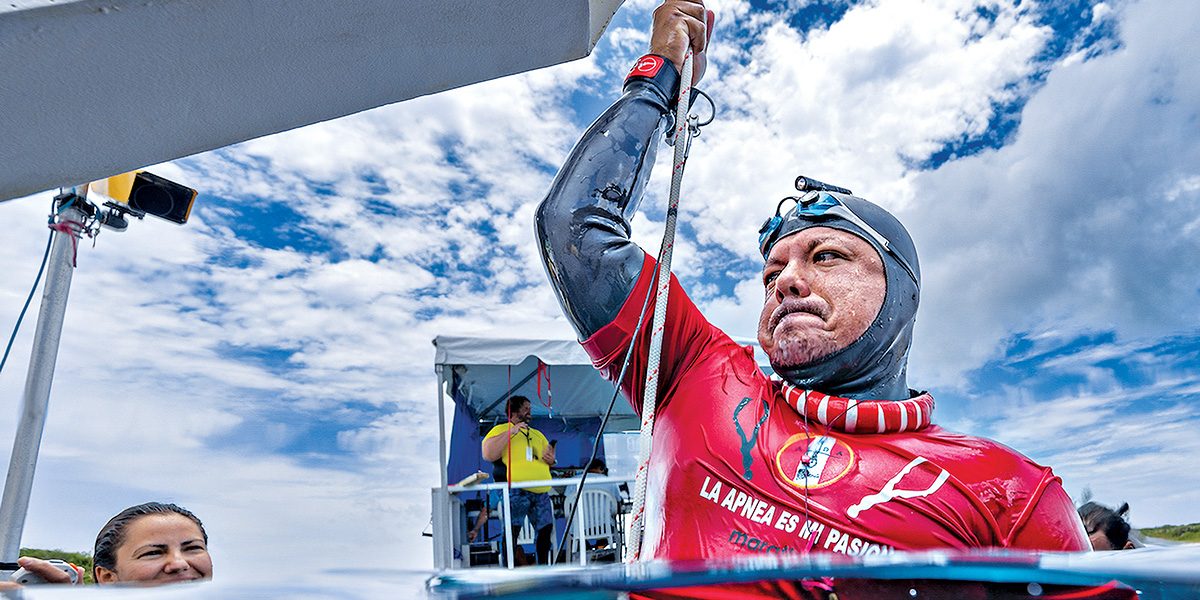
THE RAPID GROWTH OF FREEDIVING in the U.S. brings a positive light to a sport that is mentally healthy and physically inspiring but has little tolerance for error. Shallow-water blackout and respiratory barotrauma are the most feared consequences of freediving, but they can be minimized with training and good safety practices.
Scuba diving demands not only physical fitness but also proper nutritional preparation. Like with any activity, we expend energy while diving; surprisingly, the energy required for routine recreational diving is somewhat moderate. Under unusually strenuous recreational conditions, however, it’s possible to burn more than 500 calories.

To clear up any confusion divers may have about patent foramen ovale (PFO), I will share how I explain the condition to patients.
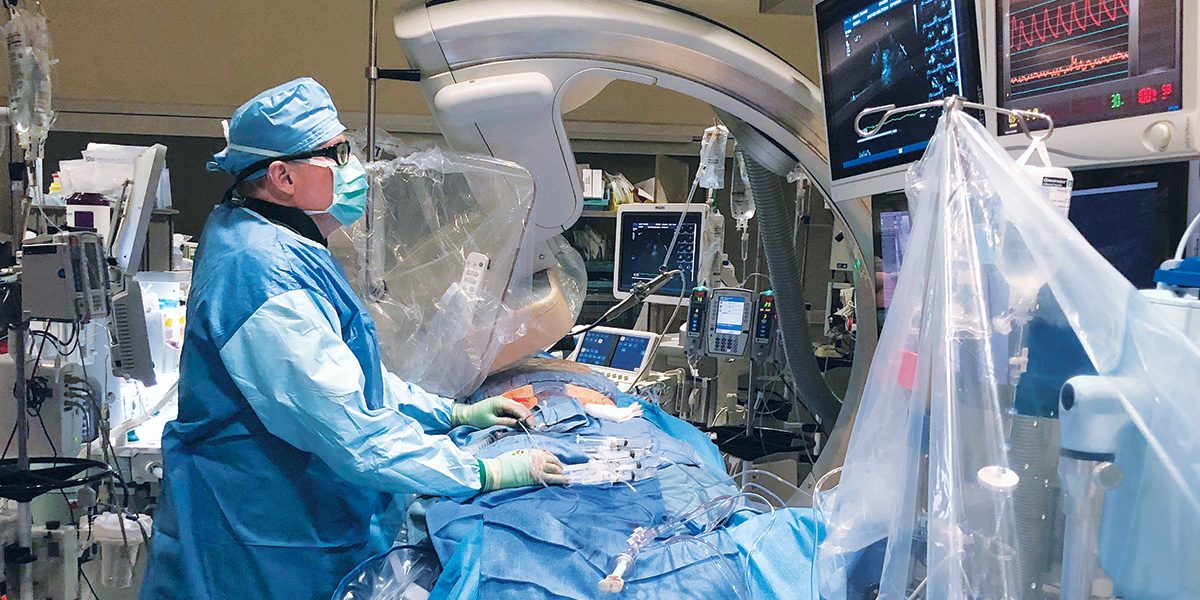
The day-to-day tasks of injury monitoring at Divers Alert Network include tracking dive fatalities by sifting through emails, news alerts, and social media to collect information about recent events. Our goal is to report to the dive community our findings on what people report to us or what we encounter in our research.
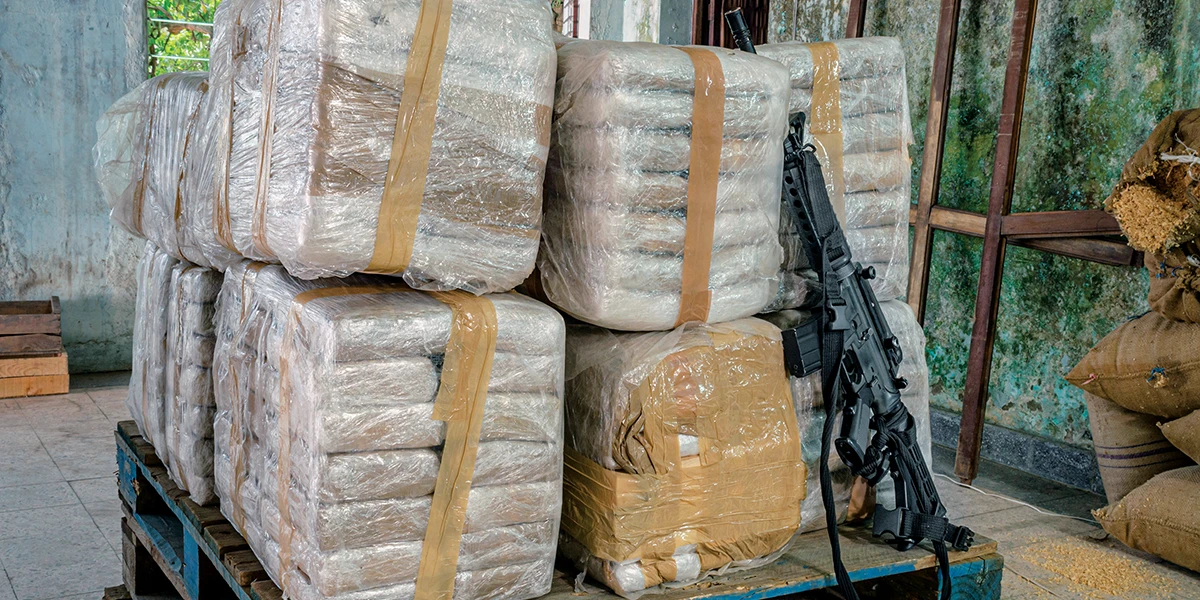
As a hyperbaric physician and dive instructor, I’ve been around a lot of dive accidents, and I’ve spent decades educating divers and treating decompression sickness (DCS).

You check in at the dive shop, sign your waivers, get your gear on the boat, and set up your BCD on your first tank for the day. The divemaster introduces you to your dive buddy for this trip — a total stranger from another part of the world who is here for the same things you are: great diving and returning home safely.

Being physically fit can be important, and sometimes crucial, for dive safety. Physical fitness plays a role in both regular dive activities and emergent events. A quick and effective response to sudden demands can often quickly and easily resolve a situation, while an insufficient response can prolong or exacerbate it.
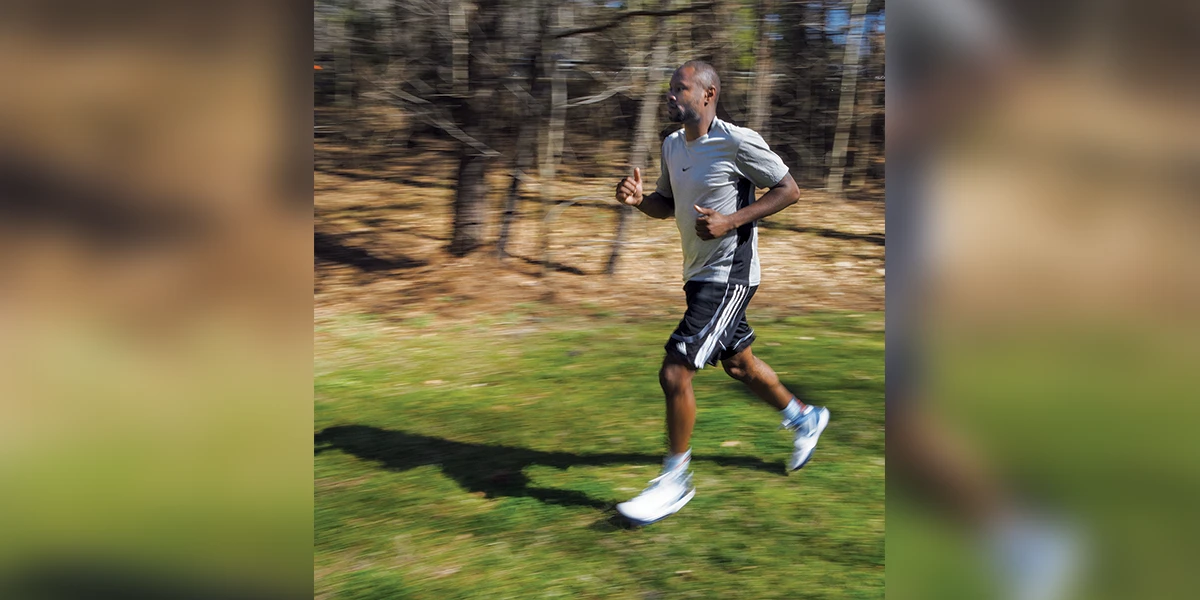
Pada Musim Gugur 2013, istri saya, Liv, dan saya mengawasi 16 penyelam baru yang mengalami jarak pandang rendah untuk pertama kalinya. Tempat pelatihan kami memiliki kedalaman maksimum [...]