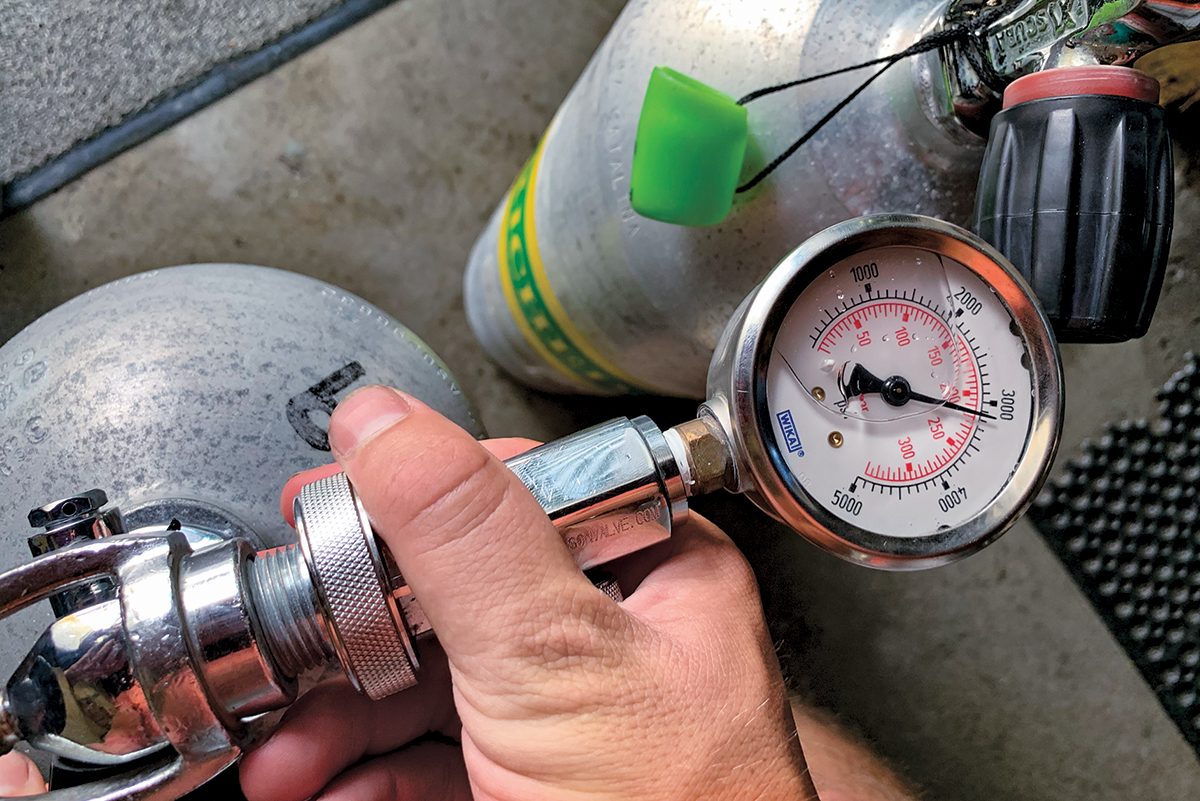
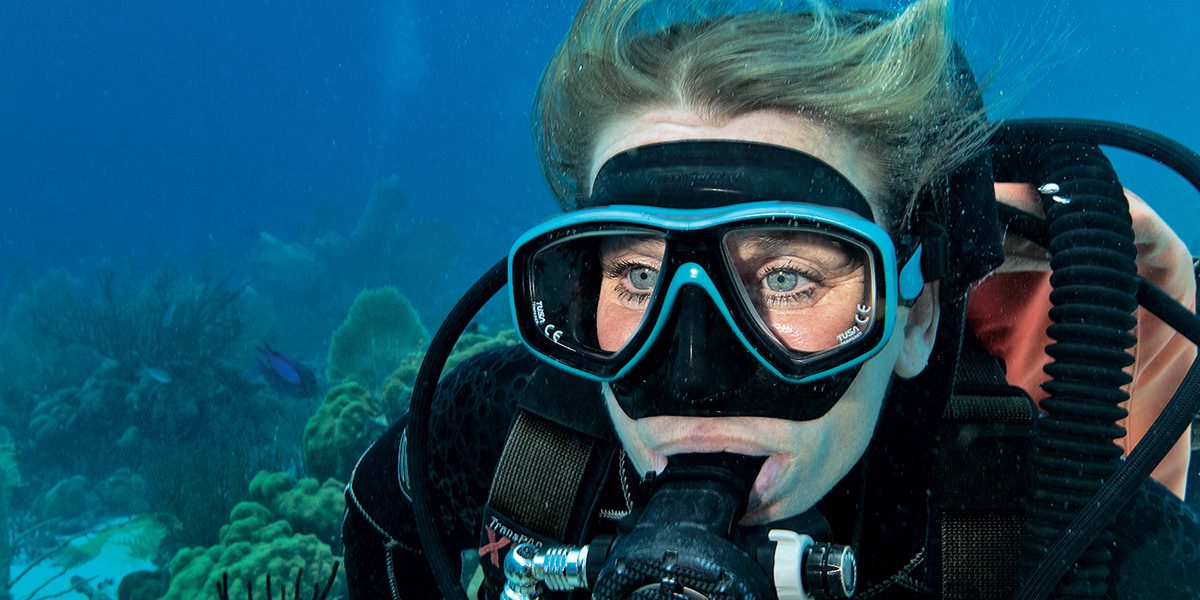
The 11-liter aluminum 80, aptly named for its 11-liter internal volume and 80-cubic-foot capacity when filled to its 200 bar/3,000 PSI rated pressure, is by far the most common cylinder. Just because it is the most common, however, may not mean it is the right one for you. Cylinders come in a wide variety of […]
As the field of recreational diving continues to evolve, DAN remains committed to being at the forefront of safety and scientific advancement. The purpose of this article is to educate […]
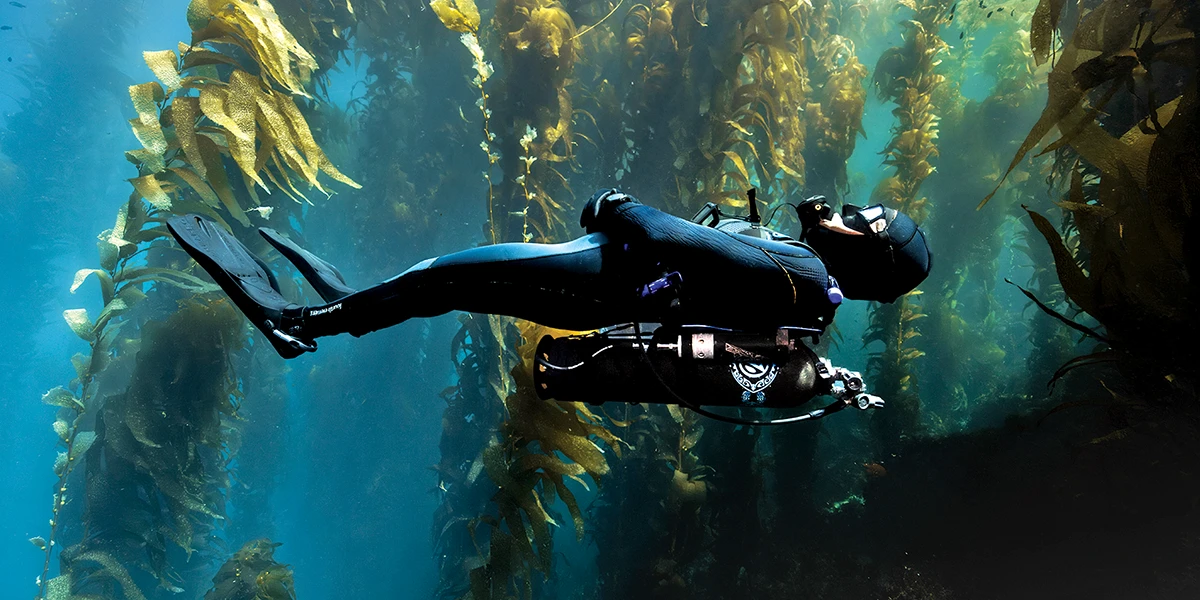
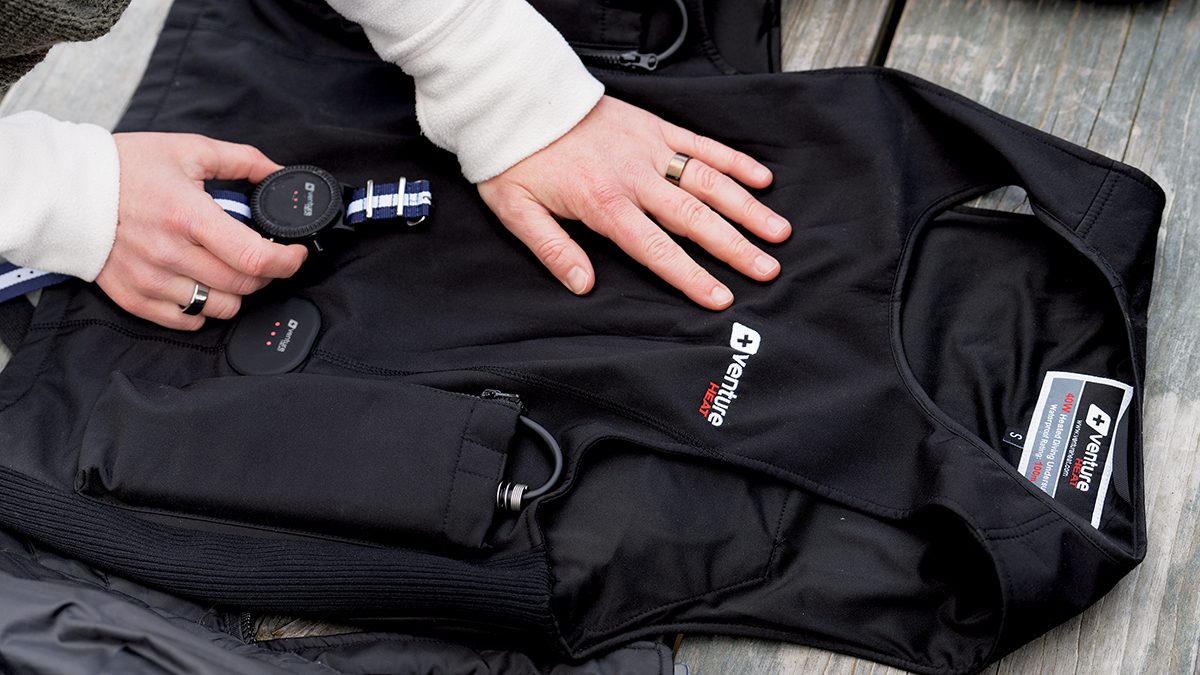
GETTING COLD ON A DIVE IS UNPLEASANT, but if it progresses to hypothermia, it becomes potentially fatal. Even more than discomfort, considering the physiological and psychological stress it can cause, being cold is potentially risky.
Les plongeurs évoluent dans un environnement hostile, dépourvu d'air respirable et parfois soumis à des températures extrêmes. Pour survivre dans ces conditions, leur équipement assure le maintien des fonctions vitales tout en isolant le corps afin de contribuer à la régulation de sa température.
Dive computers and BCDs are expensive, which can make it very tempting to keep using the ones we own year after year. Remember that this is life-support gear, and it won’t last forever.
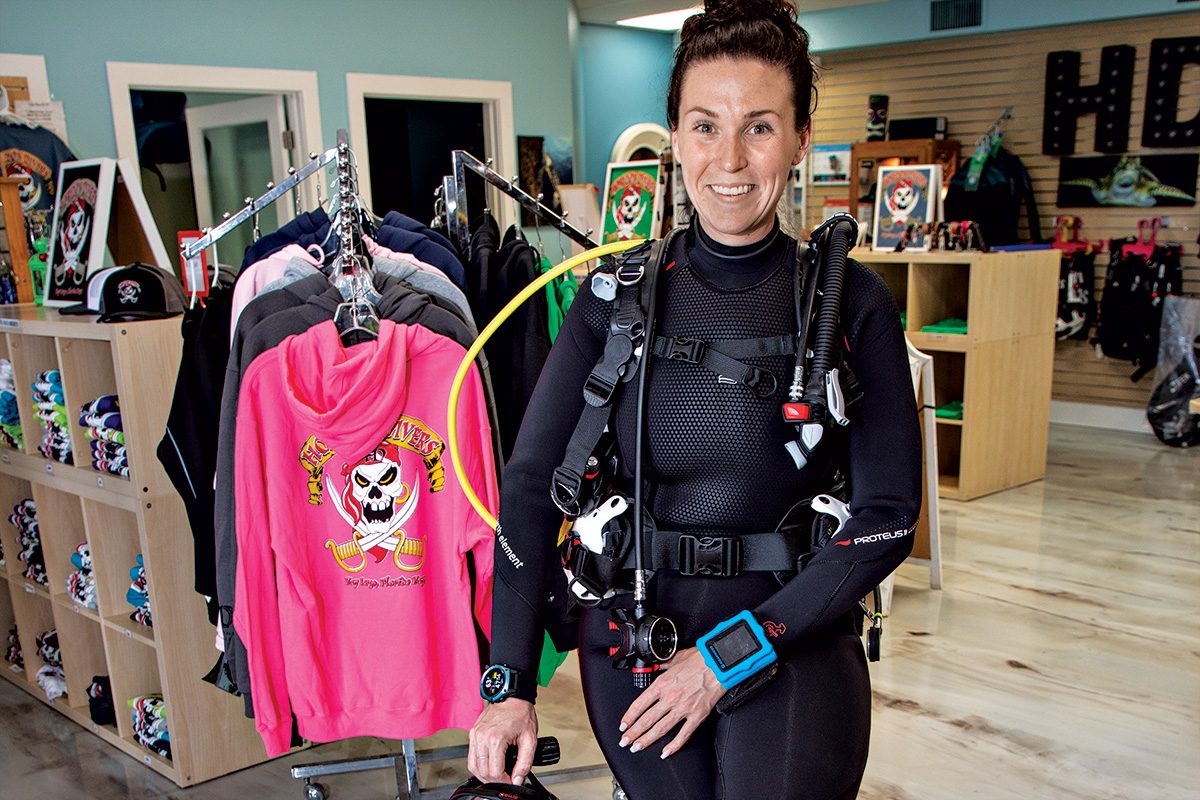
Regardless of diving skill level, it’s important to become acquainted with your gear. Whether you rent or purchase, inspect your gear and thoroughly learn about it.
There are many options currently available for divers who need corrective eyewear. With the right mask or lens, divers are better able to enjoy the underwater sights.