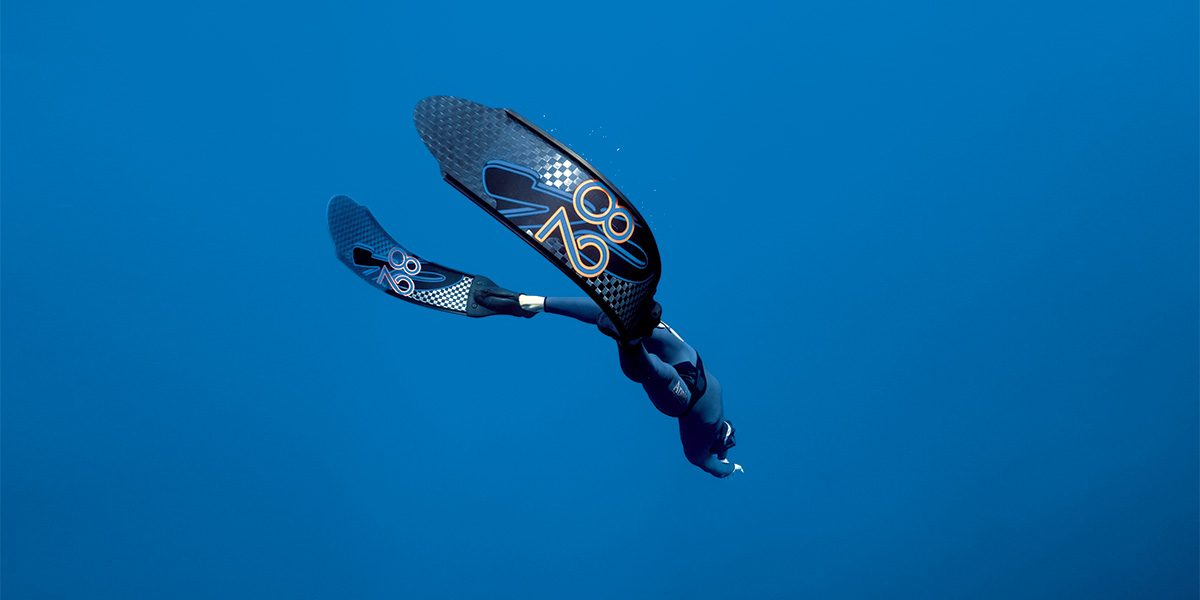
IN THE 1900s UMBERTO PELIZZARI was a young diver from Busto Arsizio, Italy, who was making headlines by breaking world records in constant weight and variable weight freediving. Needing an edge against his archrival, Francisco “Pipin” Ferreras, he sought advice on fins from a friend who was knowledgeable about innovative freediving equipment: Valerio Grassi, founder of Omersub.
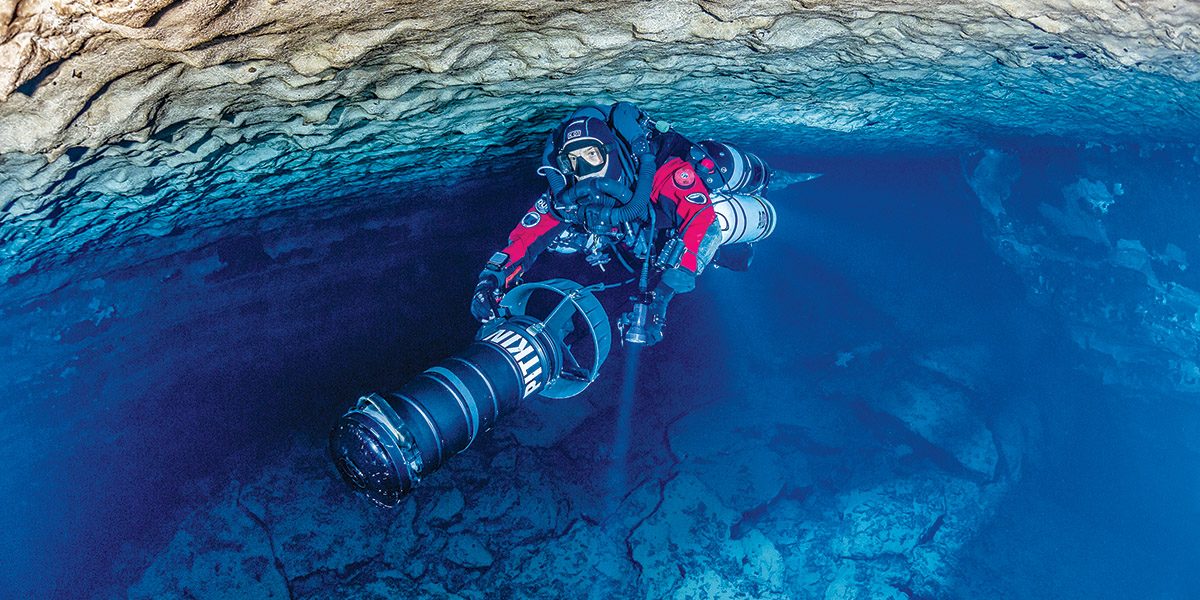
To pee or not to pee? That is not the question for technical divers, instructors, or others who spend long hours in the water. Proper hydration and comfort ensure that urine will flow. The question is, What’s the best way to handle it?
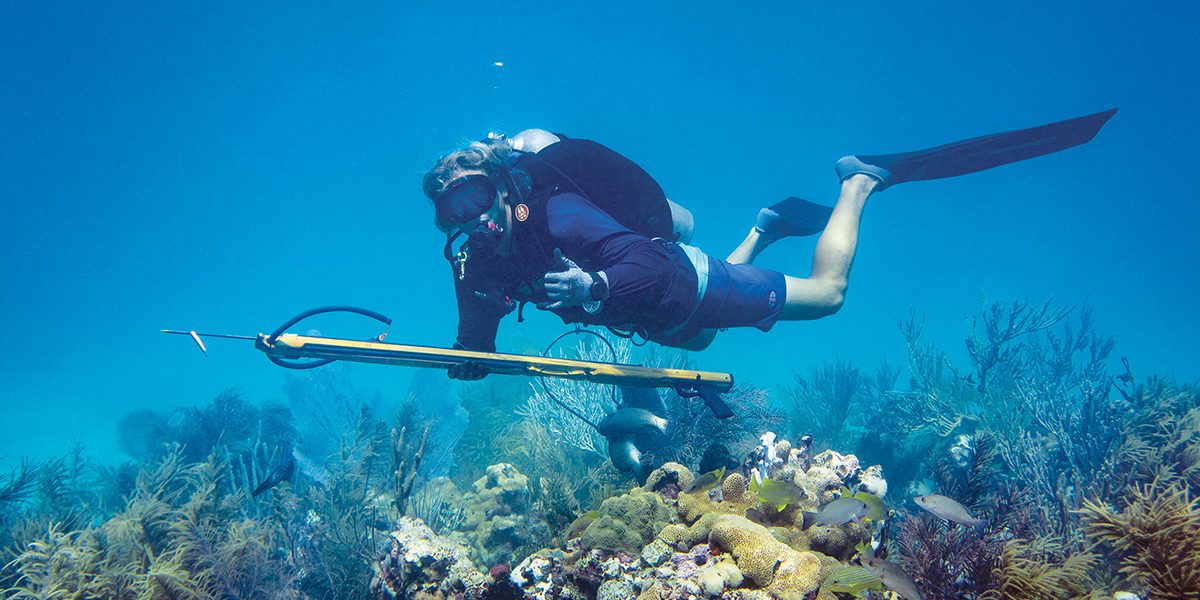
The decision to sustainably harvest marine life can spark vigorous discussions among divers. Regardless of your views, there are benefits to understanding the equipment, procedures, and dangers associated with spearfishing.
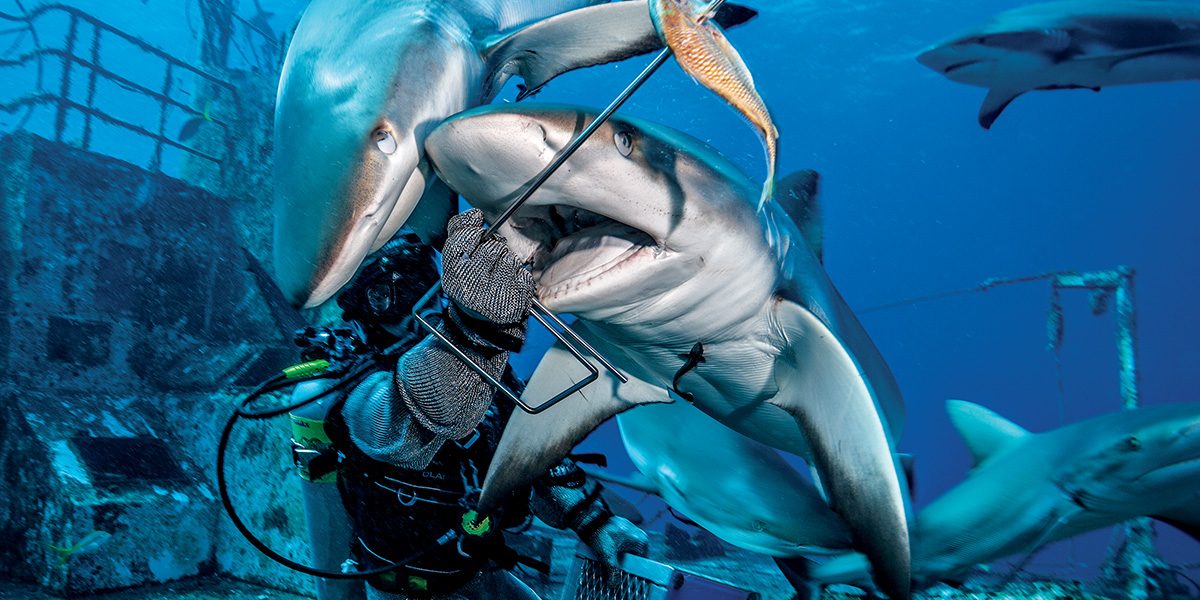
Many divers seek interactions with sharks, but others actively seek to avoid them. As long as sharks are in the water, people will look for ways to reduce the lethality of a shark bite or decrease encounters altogether.
Dive computers and BCDs are expensive, which can make it very tempting to keep using the ones we own year after year. Remember that this is life-support gear, and it won’t last forever.
Regardless of diving skill level, it’s important to become acquainted with your gear. Whether you rent or purchase, inspect your gear and thoroughly learn about it.
There are many options currently available for divers who need corrective eyewear. With the right mask or lens, divers are better able to enjoy the underwater sights.