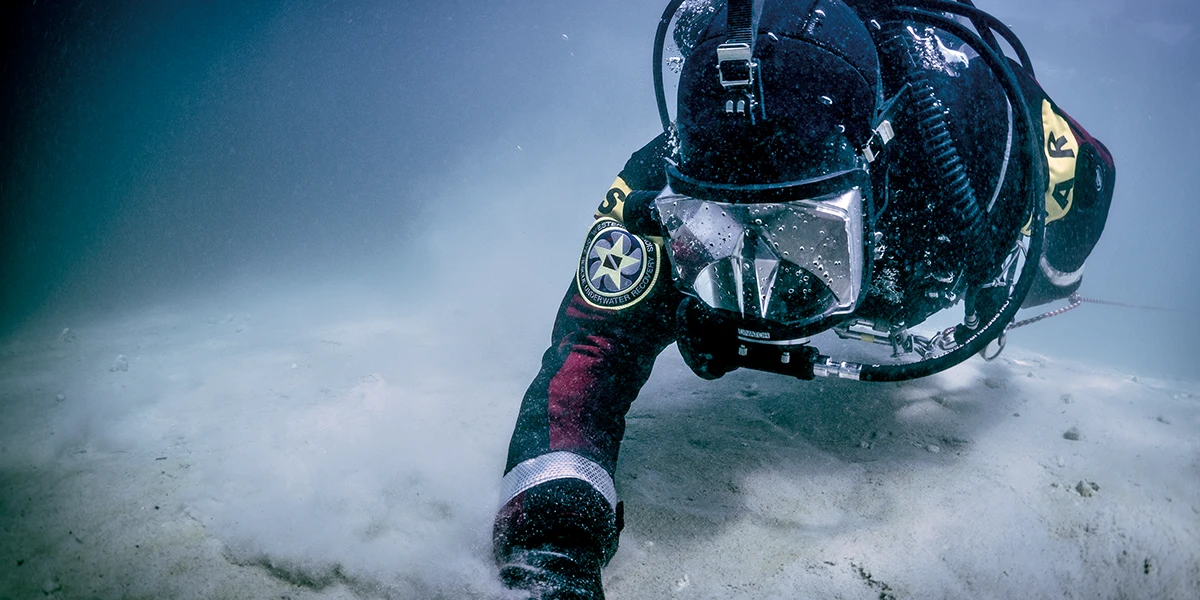
Je faisais récemment défiler les réseaux sociaux lorsque je suis tombé sur une vidéo populaire montrant un plongeur de récupération affirmant que l’« ear beer » suffisait après une plongée en eau contaminée. Entendre ce conseil m’a interpellé — quelqu’un pourrait subir de graves effets sur sa santé s’il le suit sans en comprendre les límites.
Pulmonary barotrauma can occur in a shallow swimming pool if a diver holds their breath during ascent or inadvertently floats to the surface while holding their breath. Most dive-related pulmonary barotraumas occur in compressed-gas diving due to pulmonary overinflation during a breath-hold ascent. Pulmonary barotrauma can occur even with normal breathing if there is an obstruction in the bronchial tree that prevents one lung segment’s normal ventilation.
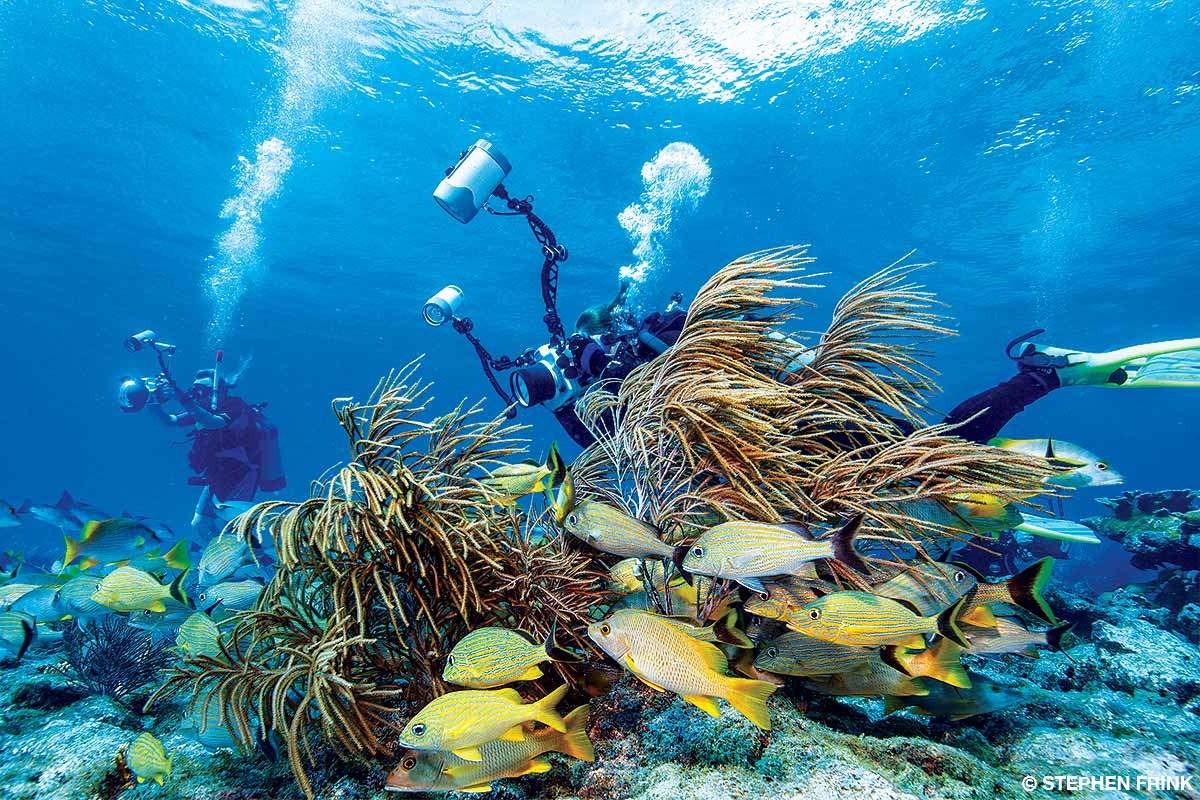
Imaginez que vous descendiez vers un magnifique récif. L'eau est limpide, les poissons filent à toute allure, puis vous sentez une étrange pression sur votre visage, comme si le masque essayait de se coller à vos yeux. Lorsque vous refaites surface, vos yeux sont rouges, gonflés et peut-être même contusionnés. La cause en est le placage de masque, une blessure courante en plongée, mais qui peut être évitée.
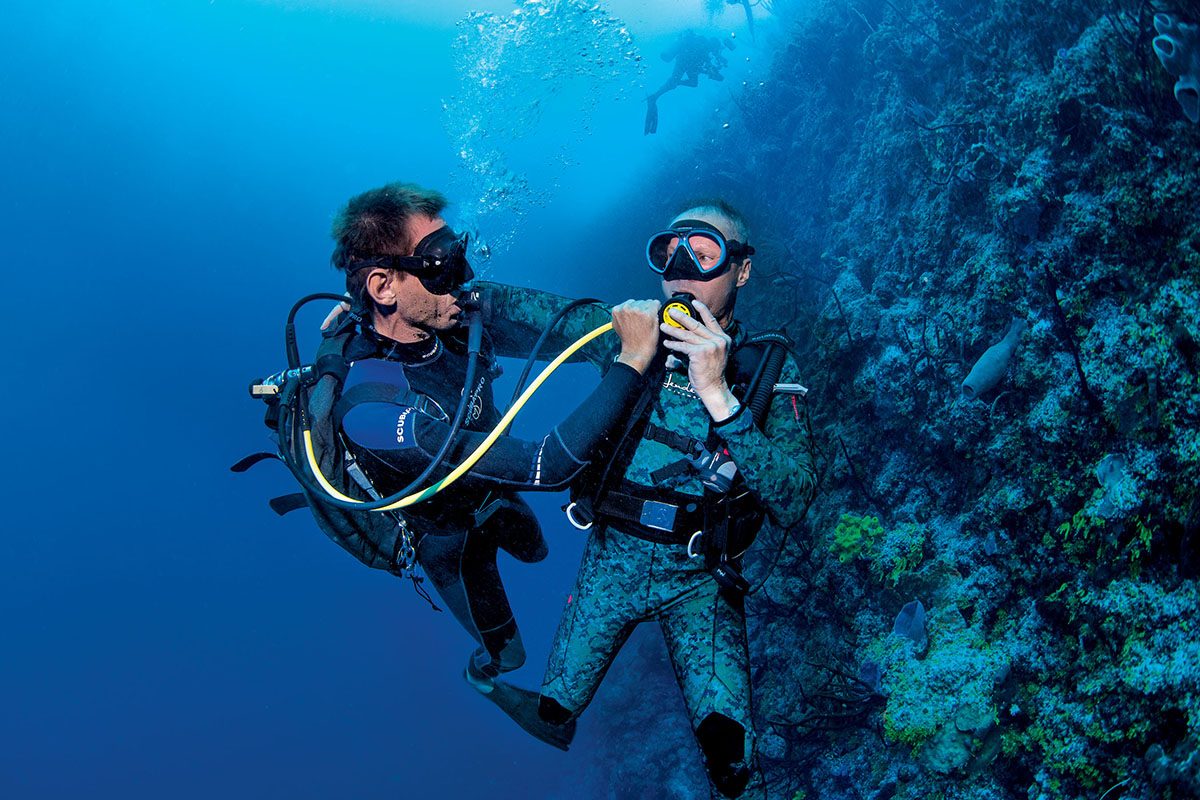
DIVING INHERENTLY CARRIES AN ELEVATED LEVEL OF RISK because humans cannot survive underwater without specialized equipment. When things go wrong, an effective rescue is vital for a favorable outcome. Most rescue diver courses teach students basic techniques to apply after something goes wrong, but better courses also provide techniques to prevent incidents from occurring in […]
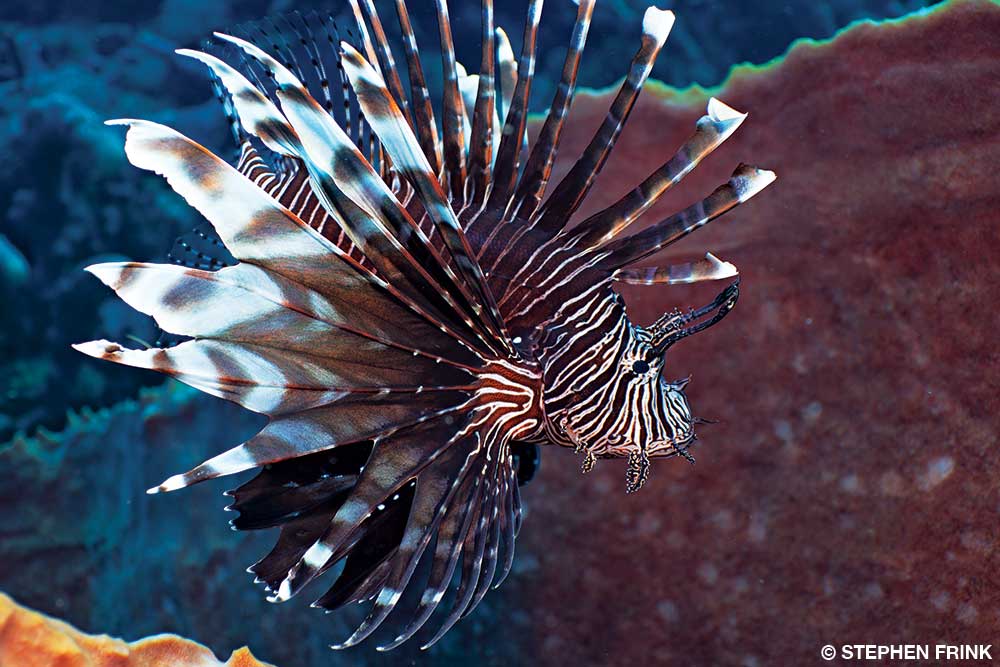
Lionfish are fascinating and beautiful creatures, but they can cause serious injuries as well as environmental problems outside their normal range.
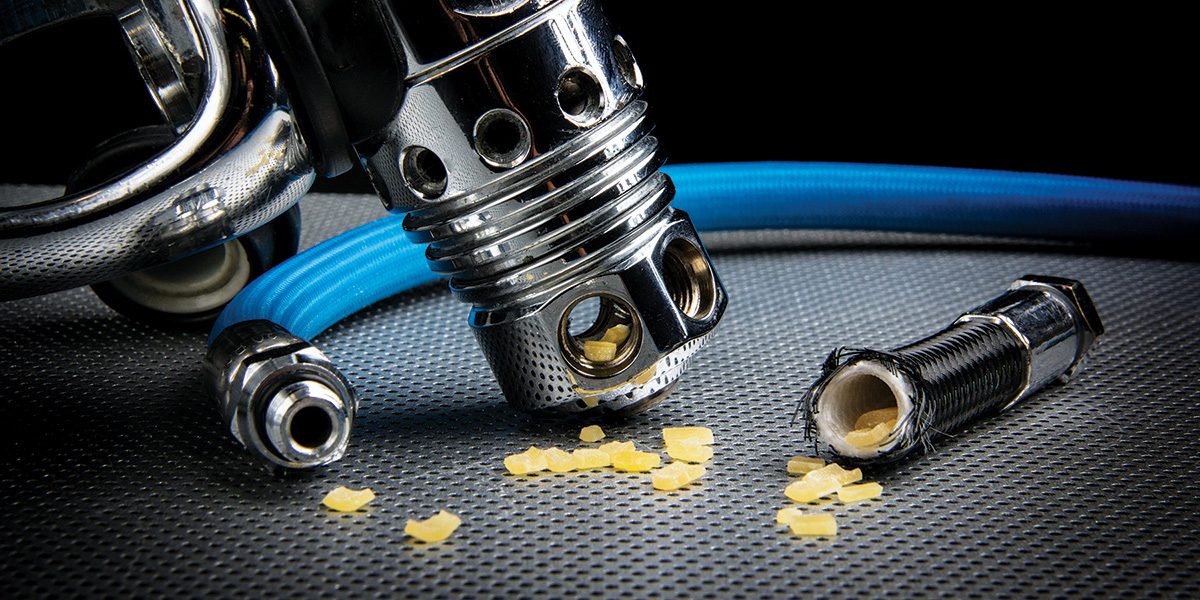
Some first-stage scuba regulators have a shared low-pressure hub. Purging the second-stage regulator to release pressure from all hoses before disassembling gear causes gas in the other hoses to move backward toward the first stage. The gas could carry debris from the other low-pressure hoses and possibly through the first-stage regulator into the hose being used to vent the system. Performing regular maintenance, checking your hoses and noting any difficulty in breathing or inflation during your predive check should prevent hose degeneration from causing an underwater incident.
Certified divers learned to do predive safety checks during training, but do they perform one every time they dive? It is one of the easiest ways to prevent oversights, gear malfunctions and forgotten pieces of equipment. But predive safety checks often aren’t as thorough as they should be. Complacency and skipping your predive safety check or buddy check are entirely preventable factors in dive accidents. Complete all your checks before every dive.