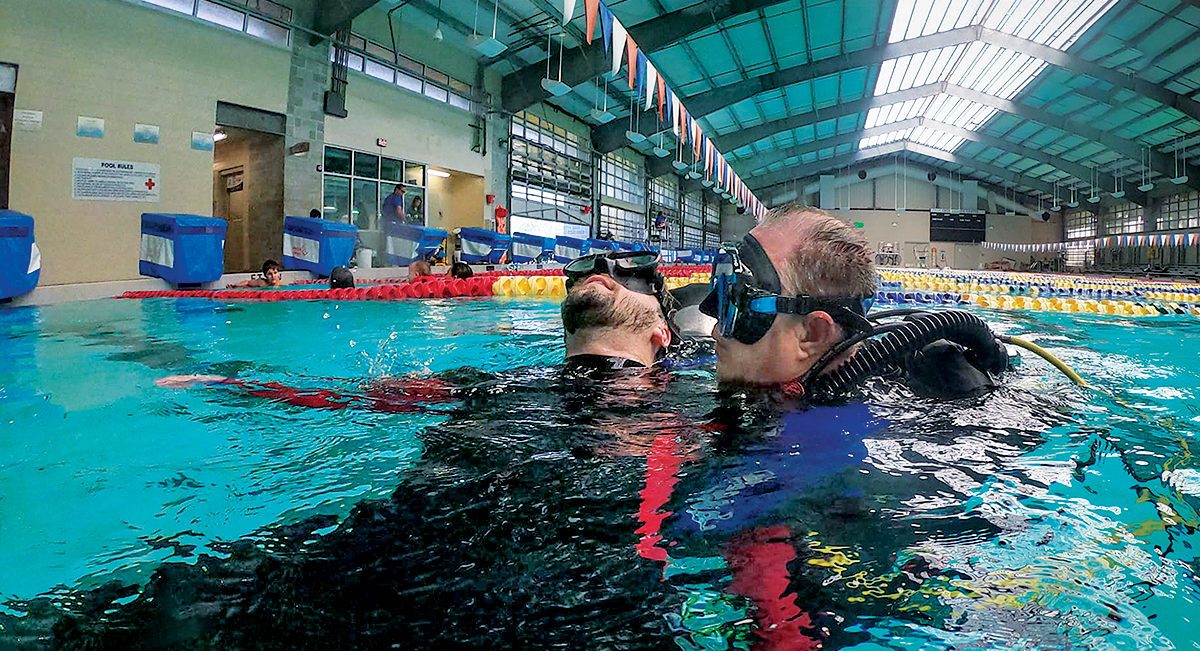
WHEN ASKED TO DESCRIBE THEIR FAVORITE COURSE, many divers will discuss the challenges and triumphs they experienced during their rescue class. Instructors often describe rescue as the most rewarding course they teach. It is often the first course in which divers begin thinking about others more than themselves, so it’s little surprise that it stands […]
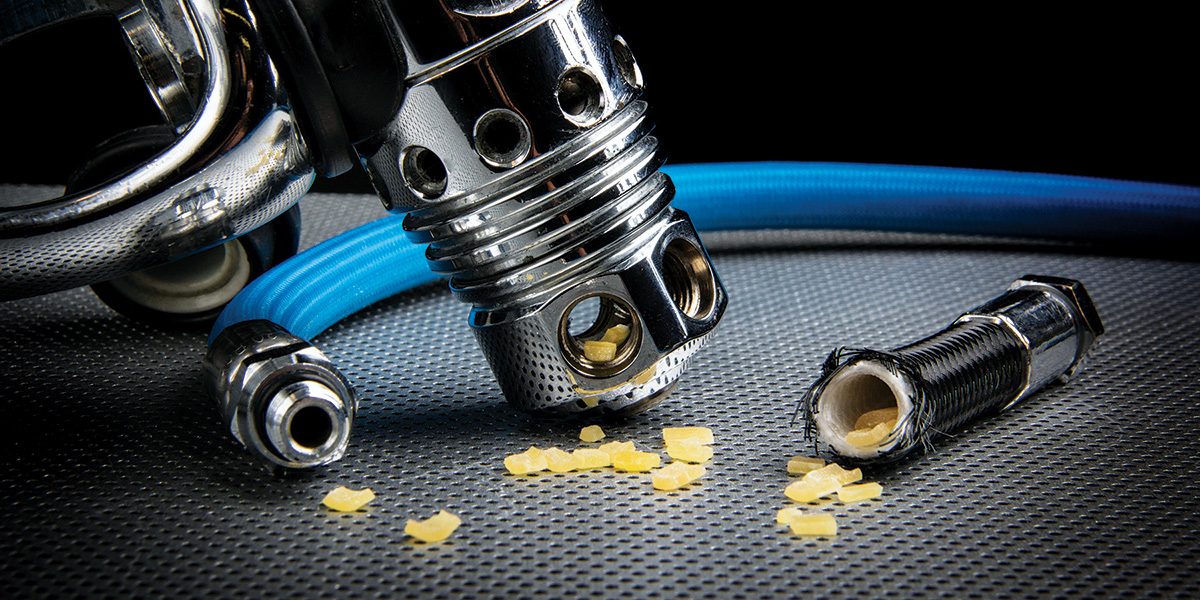
A diver reported feeling unwell after a series of dives and described an uncomfortable irritation on the roof of his mouth, which raised a question about the quality of the […]
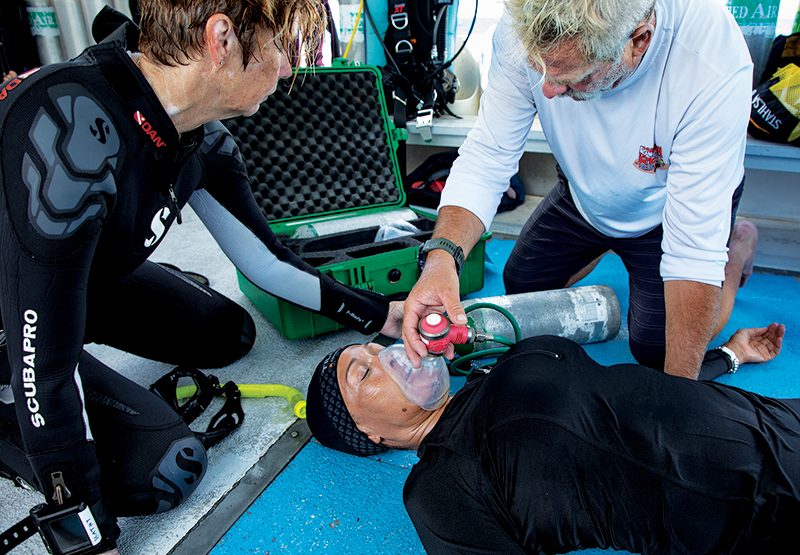
Being involved in a traumatic event can take a toll on everyone: dive professionals or rescue divers who perform a rescue, lay providers who help with CPR and first aid, and dive buddies or bystanders.
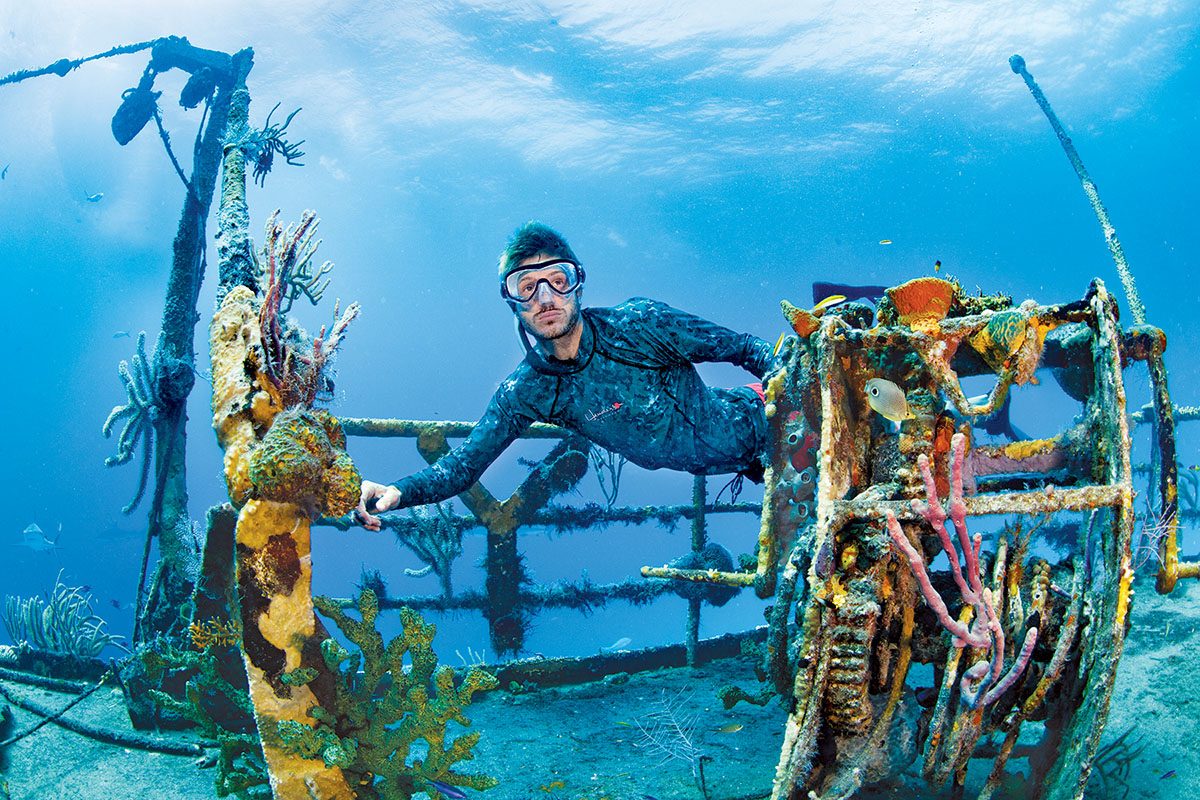
Interest in breath-hold diving, also known as freediving, has grown exponentially over the past decade. Most individuals who enjoy watersports have held their breath underwater at some point, but most do so without formal training or awareness of the known dangers despite the ready availability of this lifesaving information.
Some first-stage scuba regulators have a shared low-pressure hub. Purging the second-stage regulator to release pressure from all hoses before disassembling gear causes gas in the other hoses to move backward toward the first stage. The gas could carry debris from the other low-pressure hoses and possibly through the first-stage regulator into the hose being used to vent the system. Performing regular maintenance, checking your hoses and noting any difficulty in breathing or inflation during your predive check should prevent hose degeneration from causing an underwater incident.
Certified divers learned to do predive safety checks during training, but do they perform one every time they dive? It is one of the easiest ways to prevent oversights, gear malfunctions and forgotten pieces of equipment. But predive safety checks often aren’t as thorough as they should be. Complacency and skipping your predive safety check or buddy check are entirely preventable factors in dive accidents. Complete all your checks before every dive.