My buddy and I ascended to 20 feet for our safety stop. As soon as we surfaced I thought I saw the boat moving away from me but quickly realized I was disoriented. It felt like vertigo, but I managed to get on board the boat. I removed my gear and was talking to my buddy when I started involuntarily leaning forward until I lost my balance and collapsed face-down on the deck. I felt paralyzed and couldn’t get up.
Octopuses hole up in small dens, are quite excellent at camouflage and are most active at night, so not all divers have seen one on a dive. But biologist Matthew Birk, who studies octopuses, felt that never having seen one in the wild was a blemish on his career and sought to remedy the situation on a trip to Santa Catalina Island off Southern California.
Si le plongeur présente des symptômes et que vous lui prodiguez des soins, vous devez traiter les symptômes. Administrez-lui la plus forte concentration d'oxygène disponible et amenez-le à un centre de soins et de traitement définitif. Rappelez-vous que de nombreuses pathologies présentent des symptômes qui peuvent imiter le SCD. Ce n'est pas parce qu'une personne a plongé qu'elle souffre d'une maladie liée à la plongée. Lors de l'élaboration de votre plan d'action d'urgence, notez l'emplacement de la salle d'urgence la plus proche ou le lieu et la manière d'accéder aux services d'urgence locaux.
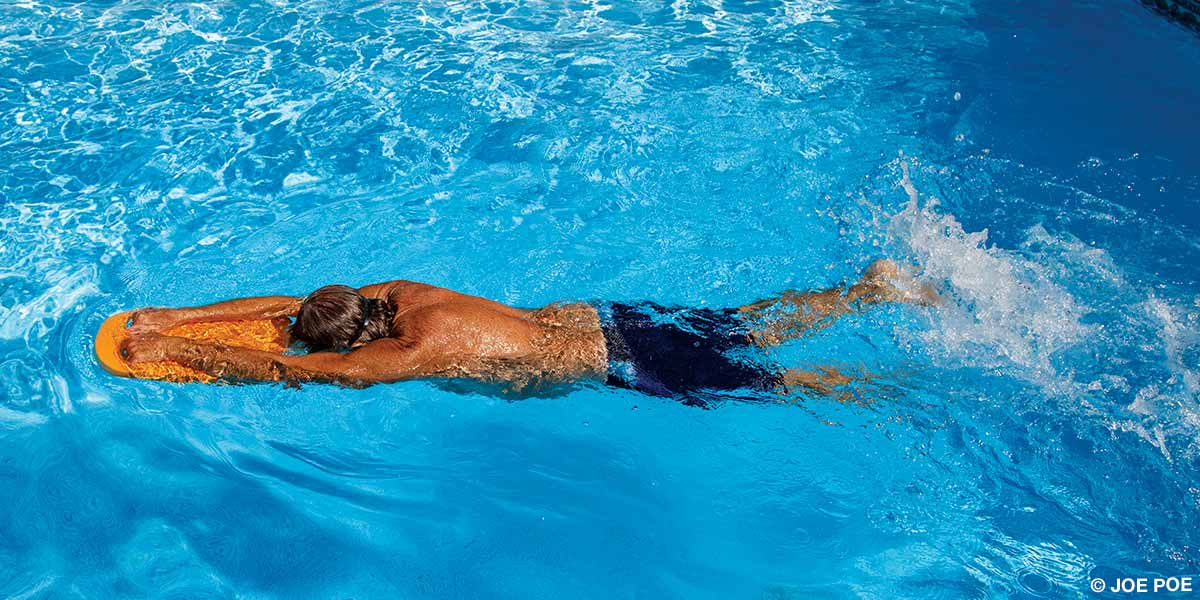
Swimming is a noncontact physical activity that lets you be socially distant while still receiving many health benefits. Exercising in water can increase cardiac function, reduce blood pressure and improve muscle blood flow, respiratory function and brain function. Water reduces joint impact, so you can do high-intensity exercise with little to no discomfort from impact. Swimming targets your entire body and allows a greater range of motion for joints than land-based exercise. Blood flows more freely to your upper body, while the water supports you and lowers gravity’s impact.
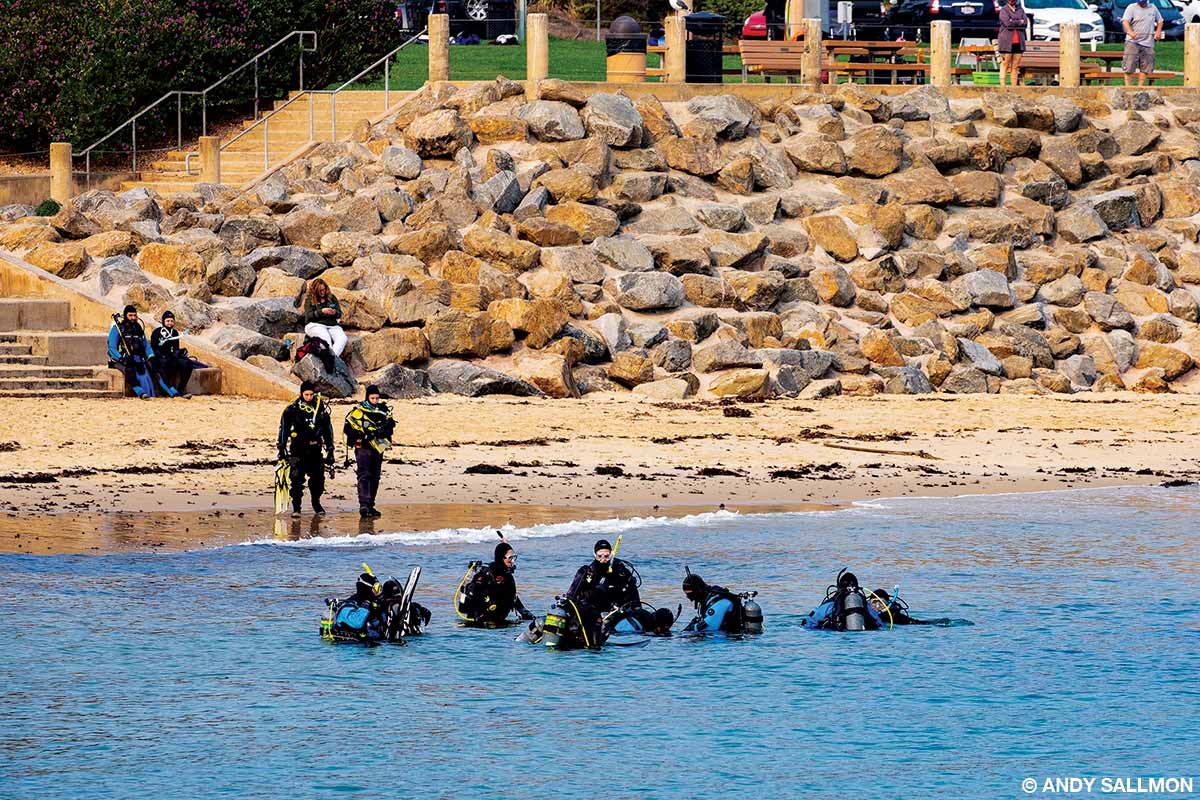
En plus de me permettre d'éviter le réveil au lever du soleil, la plongée sur le rivage offre d'autres libertés : le choix d'un site de plongée à la dernière minute, la possibilité d'effectuer une plongée de deux heures sans inquiéter l'équipage du bateau et la liberté d'ajouter une plongée à ma journée si les conditions le permettent. De plus, la plongée sur la plage peut s'avérer très économique par rapport à la plongée en bateau. De plus, certains des sites les plus incroyables au monde sont plus facilement accessibles depuis la plage.
The current wrapped the line around my ankle and tighten like a noose. My 30-cubic-foot safety cylinder should have provided plenty of oxygen to complete my decompression stops, but I hadn’t closed the valve after charging it, so the current rushing past the mouthpiece purged the tank. I was now trapped 20 feet beneath the surface with nothing to breathe and no one aware of my peril, hoping that my mistakes with the line and my breathing gas wouldn’t be my last.