Lorsque vous planifiez un voyage de plongée dans une destination éloignée, il est préférable de faire quelques recherches pour connaître les capacités d'urgence locales. Malheureusement, tous les établissements médicaux ne sont pas en mesure de fournir des soins pour chaque maladie ou blessure. Que peut-on donc faire?
Les plans d'action d'urgence (PAE) sont des outils essentiels d'atténuation des risques pour les opérateurs et les professionnels de la plongée. Ils permettent de limiter la responsabilité et d'assurer la sécurité des plongeurs, du personnel et du public. Découvrez comment mettre en place un PAE efficace et téléchargez une évaluation gratuite.
Hypothermia can affect anyone, so it’s something to be mindful of as you prepare for deeper dives, longer dives, more dives or dives in water colder than you’re used to.
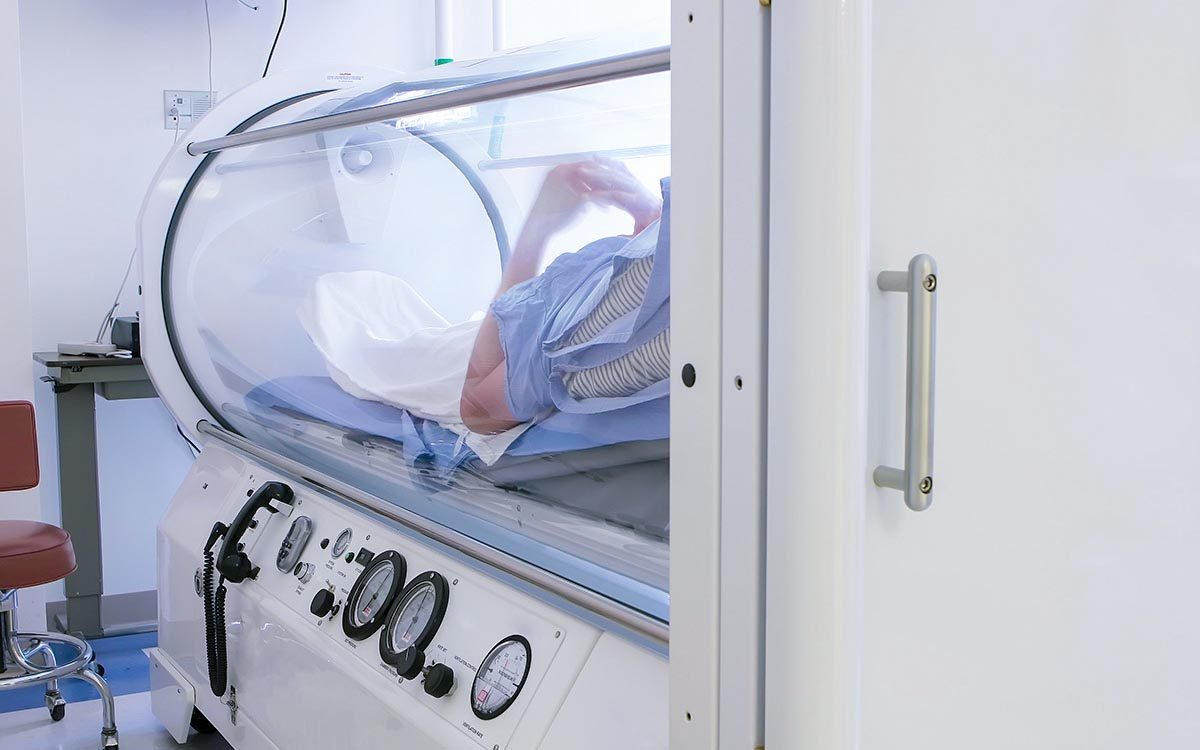
DAN donne souvent des conseils sur les soins, le transport et le traitement hyperbare des plongeurs blessés, mais ne fournit pas d'informations sur la disponibilité ou l'emplacement des caissons. Découvrez pourquoi et apprenez les procédures à suivre si vous avez besoin d'un caisson.
La pandémie de COVID-19 a amené de nombreux membres de DAN à se poser des questions sur les polices d'assurance et les éventuelles annulations de voyage. Vous trouverez ici les réponses à vos questions.
First aid courses require hands-on learning, and as these first-person classes resume, there are considerations that need to be made. If you’re teaching first aid classes, here is how to ensure student and instructor safety.
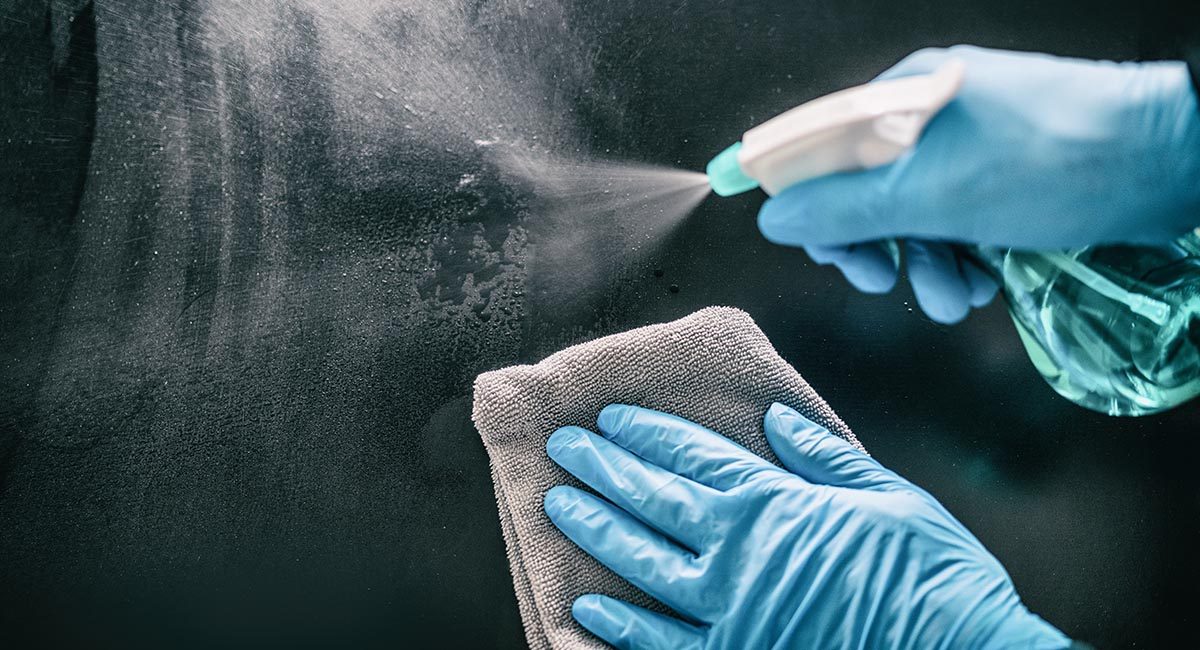
Les informations sur le COVID-19 sont rapidement mises à jour, mais on en sait un peu plus sur la durée de vie du virus sur les surfaces. Il est essentiel de connaître ces durées pour réduire le risque de transmission.
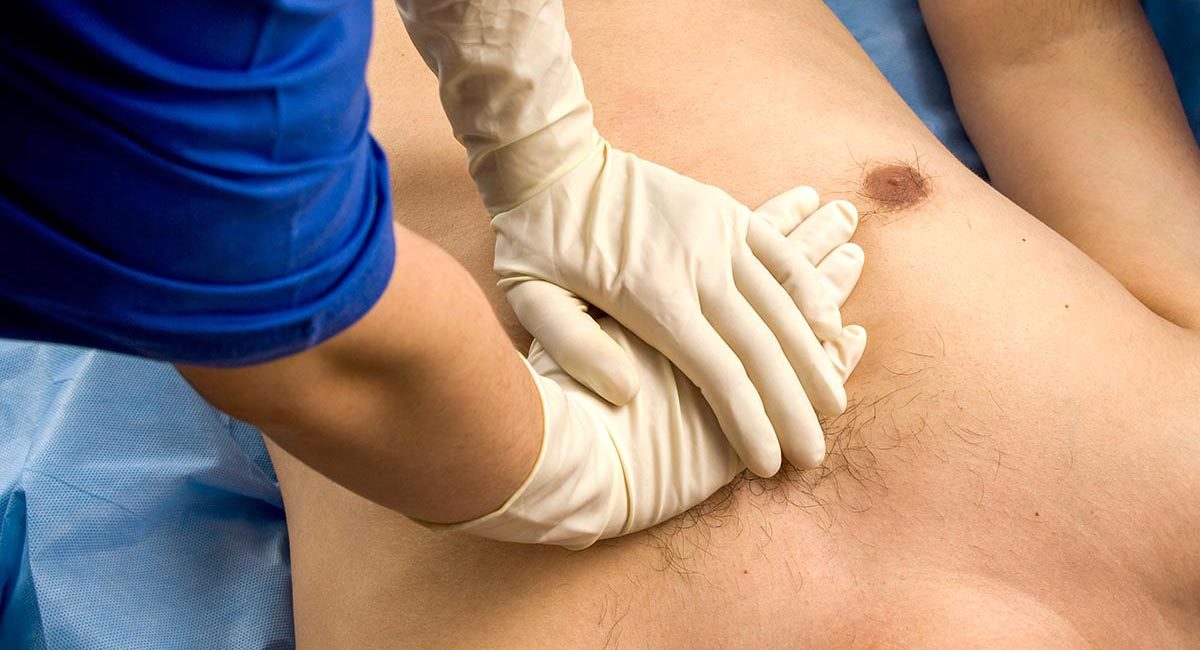
COVID-19 can be contracted by coming into contact with droplets of bodily fluid from an infected person — which makes performing CPR incredibly risky. There are steps you can take, however, if you’re in a situation where CPR needs to be given.
L'accident de décompression (ADC) est l'un des problèmes les plus fréquemment signalés au DAN. Connaissez-vous les mesures à prendre si vous suspectez un accident de décompression ?
Many people with controlled diabetes can enjoy scuba diving. However, considerations need to be made to ensure diver safety and divers should understand their risks.