When planning a dive trip to a remote destination, it’s best to do a little research to get an understanding of local emergency capabilities. Unfortunately not every medical facility can provide care for every illness or injury. So what can be done?
Emergency action plans (EAPs) are essential risk mitigation tools for dive operators and dive professionals to limit liability and ensure the safety of divers, staff and the public. Learn how to set up an effective EAP, and download a free assessment.
Hypothermia can affect anyone, so it’s something to be mindful of as you prepare for deeper dives, longer dives, more dives or dives in water colder than you’re used to.
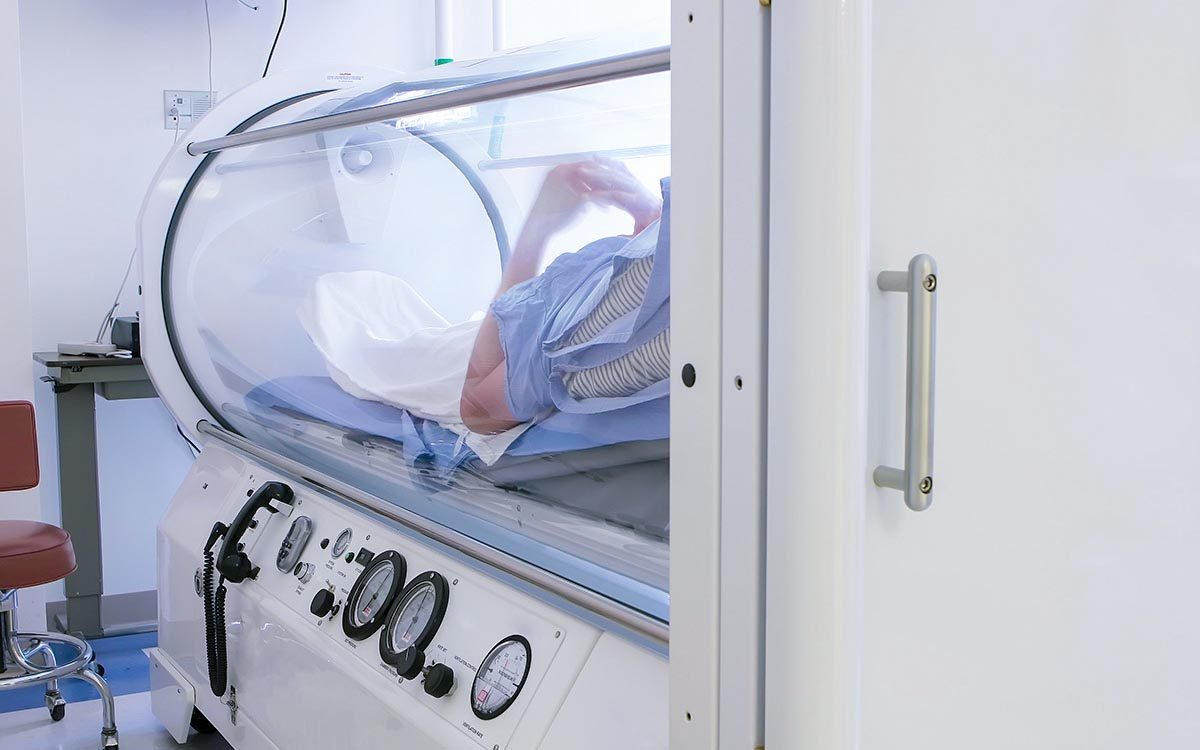
DAN frequently consults on care, transport and hyperbaric treatment for injured divers but does not provide chamber availability or location information. Read why and learn procedures should you need a chamber.
The COVID-19 pandemic has left many DAN members with questions regarding insurance policies and potential trip cancellations. Get your questions answered here.
First aid courses require hands-on learning, and as these first-person classes resume, there are considerations that need to be made. If you’re teaching first aid classes, here is how to ensure student and instructor safety.
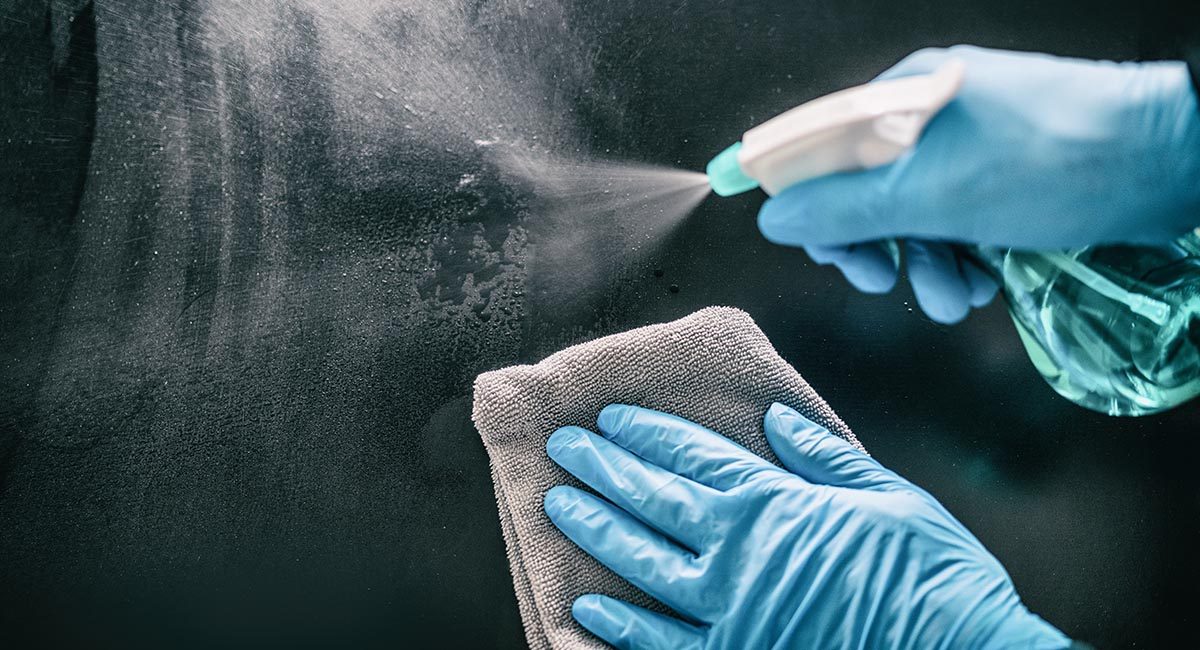
Information on COVID-19 is updating rapidly, but some is known about how long the virus lives on surfaces. Knowing these times is a vital part in reducing the risk of transmission.
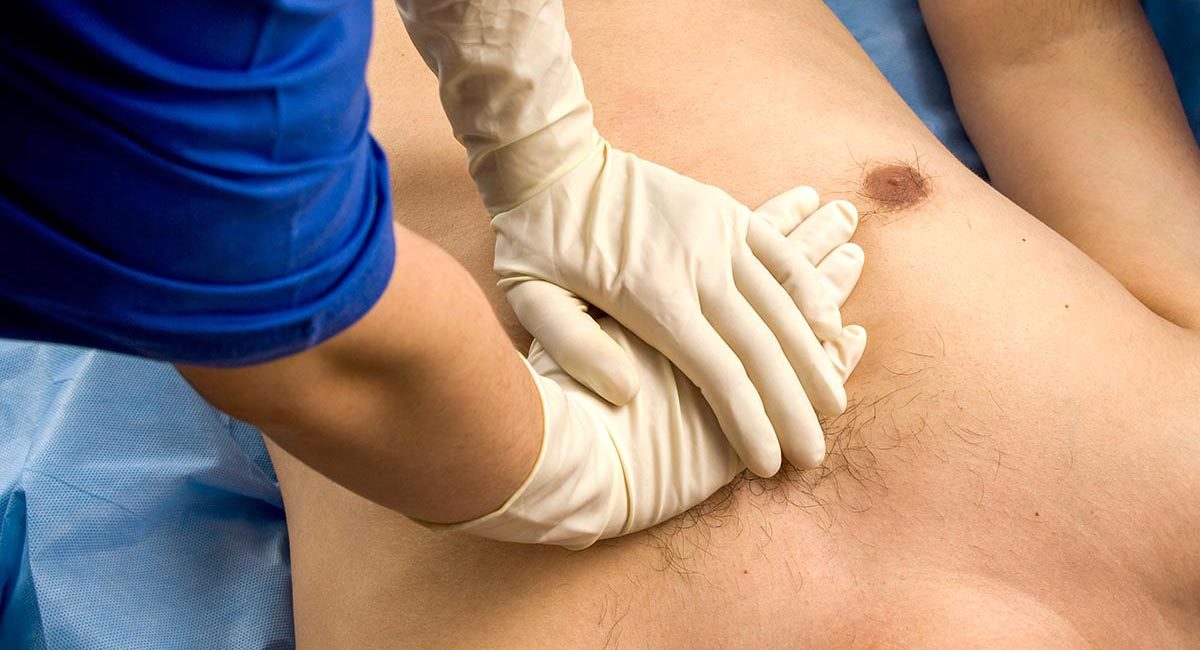
COVID-19 can be contracted by coming into contact with droplets of bodily fluid from an infected person — which makes performing CPR incredibly risky. There are steps you can take, however, if you’re in a situation where CPR needs to be given.
Decompression sickness (DCS) is one of the most common problems reported to DAN. Do you know appropriate actions to take if you suspect DCS?
Many people with controlled diabetes can enjoy scuba diving. However, considerations need to be made to ensure diver safety and divers should understand their risks.