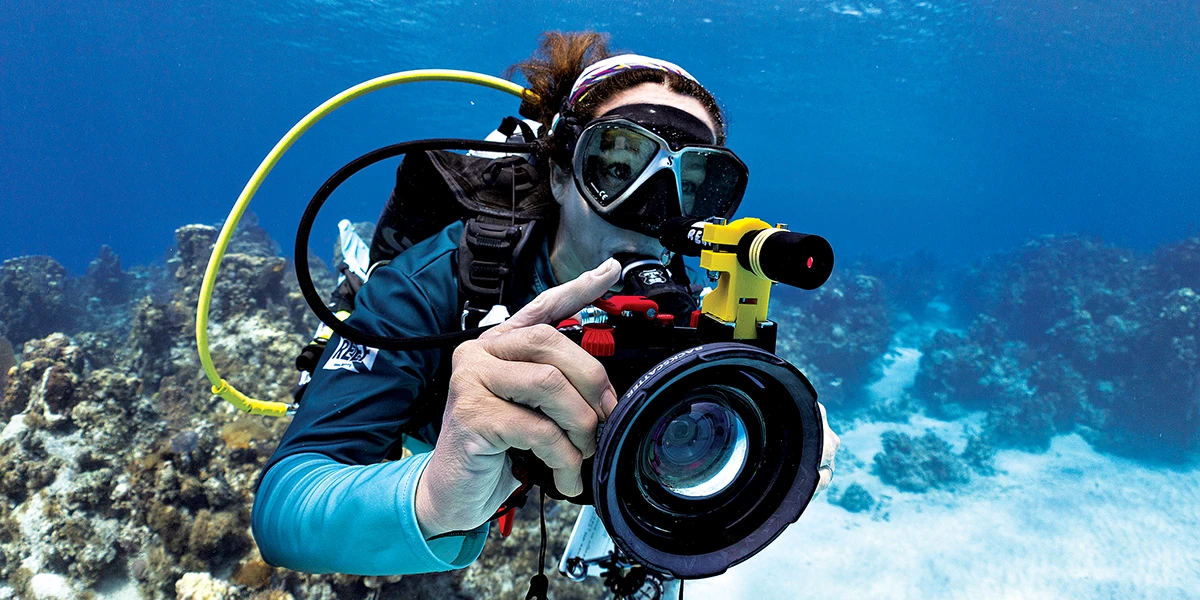
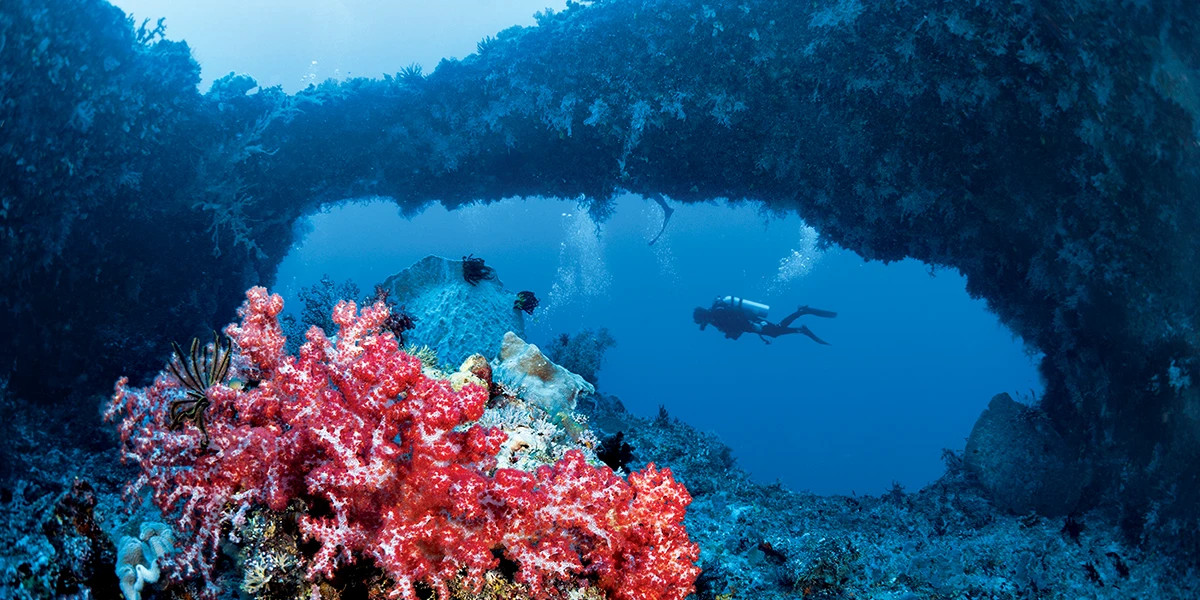
Reef Environmental Education Foundation (REEF) has a long history of connecting the dive community to marine conservation. Through the Volunteer Fish Survey Project (VFSP), REEF has empowered divers to contribute valuable data for more than 30 years, transforming recreational dives into opportunities for scientific research and ecosystem protection.
I am a 57-year-old male who is planning to undergo a laparoscopic Nissen fundoplication for refractory gastroesophageal reflux disease (GERD) and a hiatal hernia. Is the procedure considered an absolute […]
From recent travels I sensed that a lot of liveaboards are now deployed worldwide. I was curious to know the exact numbers, and an online search showed that there are 69 in the Red Sea, 64 in Raja Ampat, and even the Galápagos Islands have 10 dive liveaboards now.
Diving has inherent risks. The human body was not designed to be underwater, and drowning, decompression illness, barotrauma, hazardous marine life injuries, and preexisting health issues all require an emergency response. Diving in remote areas introduces additional risks, especially access to medical care.
About 7,641 islands in the western Pacific Ocean comprise the archipelagic state of the Philippines. The country’s waters are integral to the Coral Triangle and feature some of the world’s most incredible biodiversity and eclectic dive attractions.