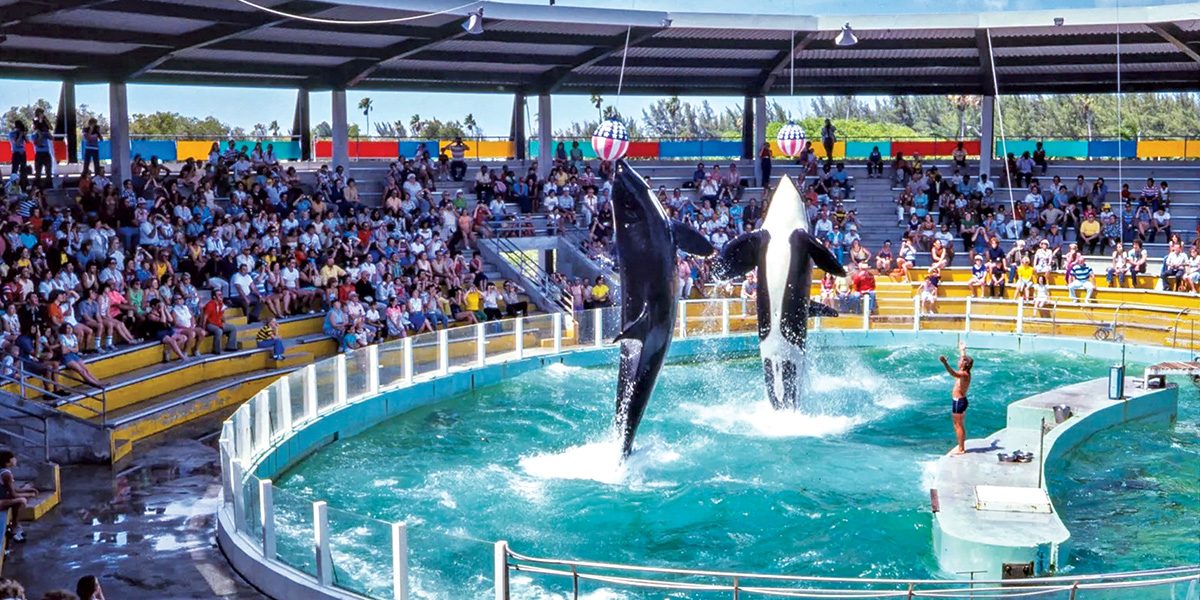
HER NAME WAS TOKITAE, which means “nice day, pretty colors” in the Coast Salish language. The Lummi Nation knows her as Sk’aliCh’elh-tenaut, which is a historical reference to the Penn Cove area, where she was captured along with other young southern resident killer whales (Orcinus orca) in August 1970 near Whidbey Island, Washington, when she was about 4 years old.
In 2012 DAN released a tool for divers to report dive accidents to help us quantify their severity and frequency. We revitalized the reporting process to make it easier and more efficient and relaunched it in 2021.
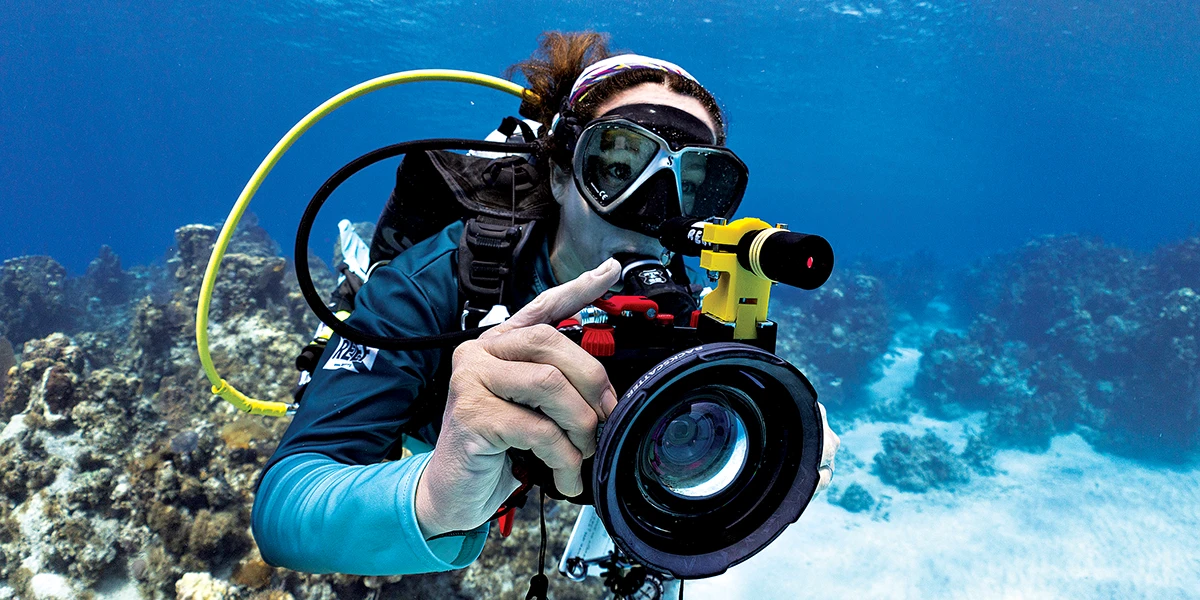
Reef Environmental Education Foundation (REEF) has a long history of connecting the dive community to marine conservation. Through the Volunteer Fish Survey Project (VFSP), REEF has empowered divers to contribute valuable data for more than 30 years, transforming recreational dives into opportunities for scientific research and ecosystem protection.
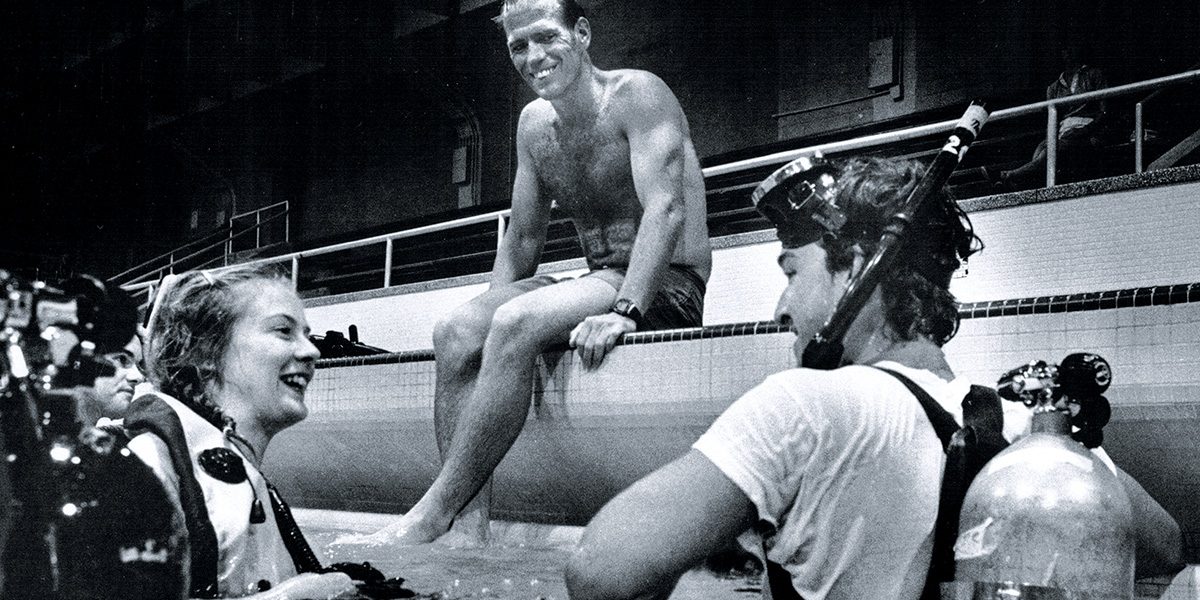
As someone who loves, teaches, and works in the world of scuba diving while also focusing on community service and improving safety, I am often surrounded by amazing people, such as Craig Nelson, MD.
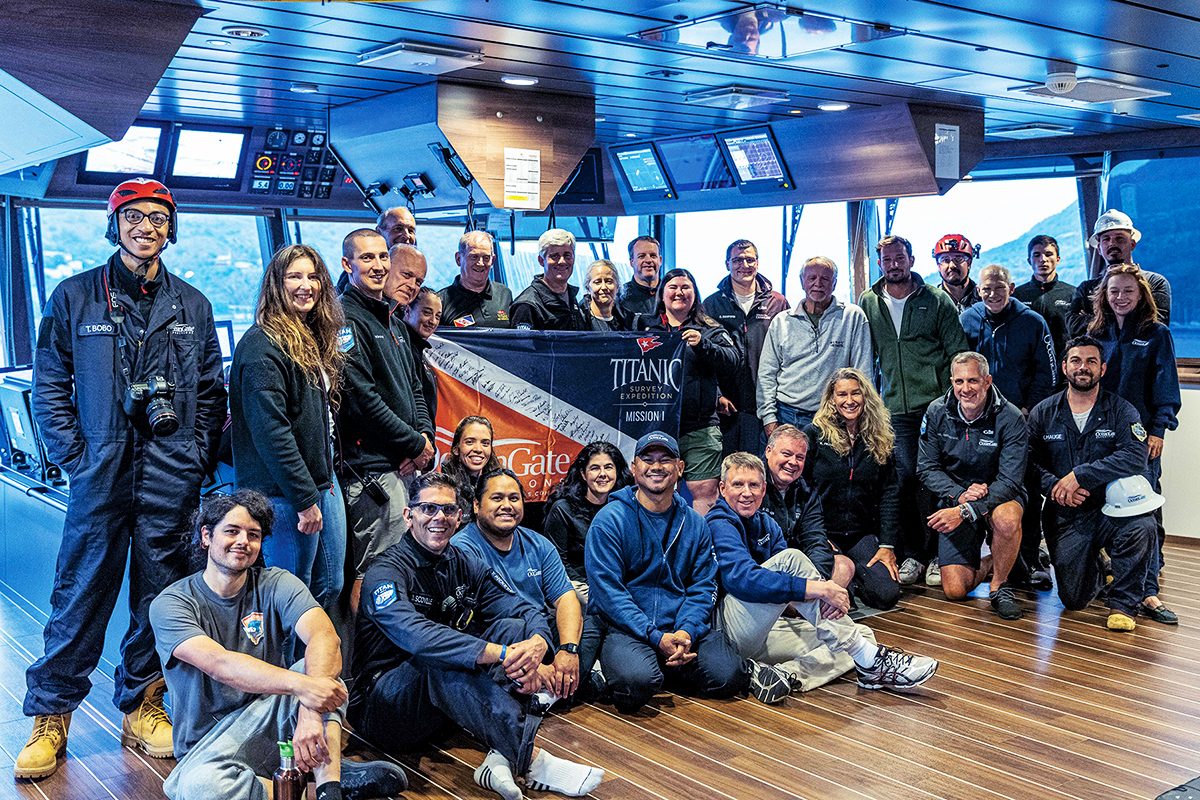
STOCKTON RUSH AND HIS TEAM AT OCEANGATE made history on July 10, 2021, when they reached the Titanic — at a depth of approximately 12,500 feet — in Titan, the only submersible of its kind. The dive proved that this unique cylinder-shaped, carbon fiber and titanium five-person submersible can explore this wreck and was a […]
AS DIVERS JUMP INTO ANOTHER BUSY DIVE SEASON, DAN Research is also gearing up to advance our understanding of dive science and medicine. Here is a quick introduction to two flagship studies and information on how you can contribute to diving research and safety. Bubbles forming in the body after a dive can cause decompression […]
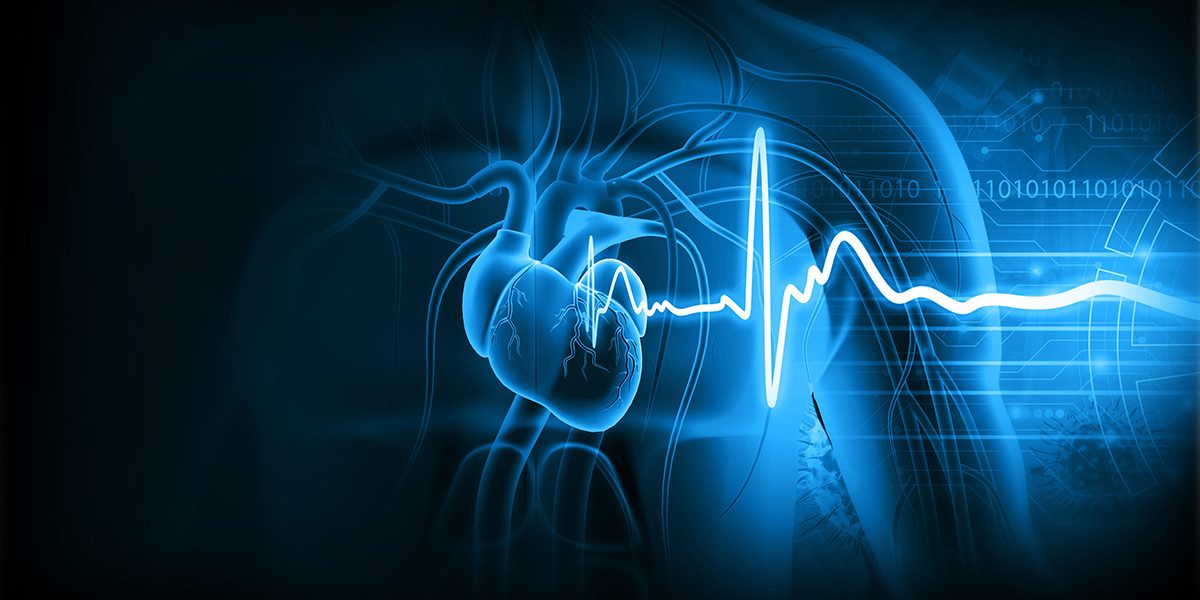
DECOMPRESSION-RELATED EVENTS typically come to mind when thinking of dive injuries and fatalities. DAN Research’s incident analysis program, however, has shown that approximately one-third of dive fatalities can be traced to a cardiac event, making cardiac-related issues the No. 1 cause of fatalities while diving.
A READER RECENTLY BROUGHT TO OUR ATTENTION that over the years multiple Alert Diver contributors have credited a particular dive instructor with providing training that saved their lives.
Many professional and occupational fields — such as medicine, engineering, accounting, and insurance — require continuing education to maintain a current certification.
Cruise ships have extensive safety protocols in place, focusing on passenger safety in areas such as overboard incidents, onboard fires, illness outbreaks, and large-scale ship disasters.