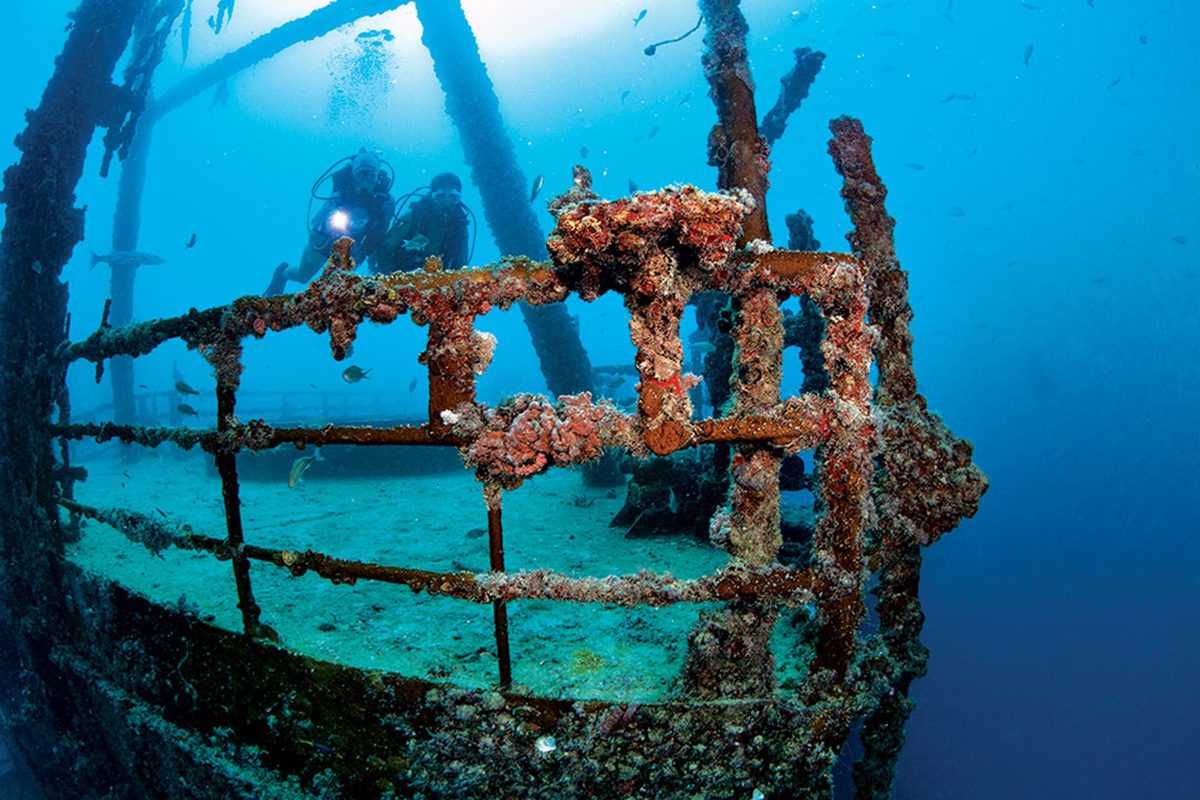
When I began working as a dive photojournalist for Skin Diver magazine in the mid-1980s I was like other photojournalists of that era, Rick Frehsee and Michael Lawrence. We all lived near enough to Miami International Airport so we could easily fly to Caribbean destinations to do articles. Our small posse was frequently sent on assignment to “the islands.”
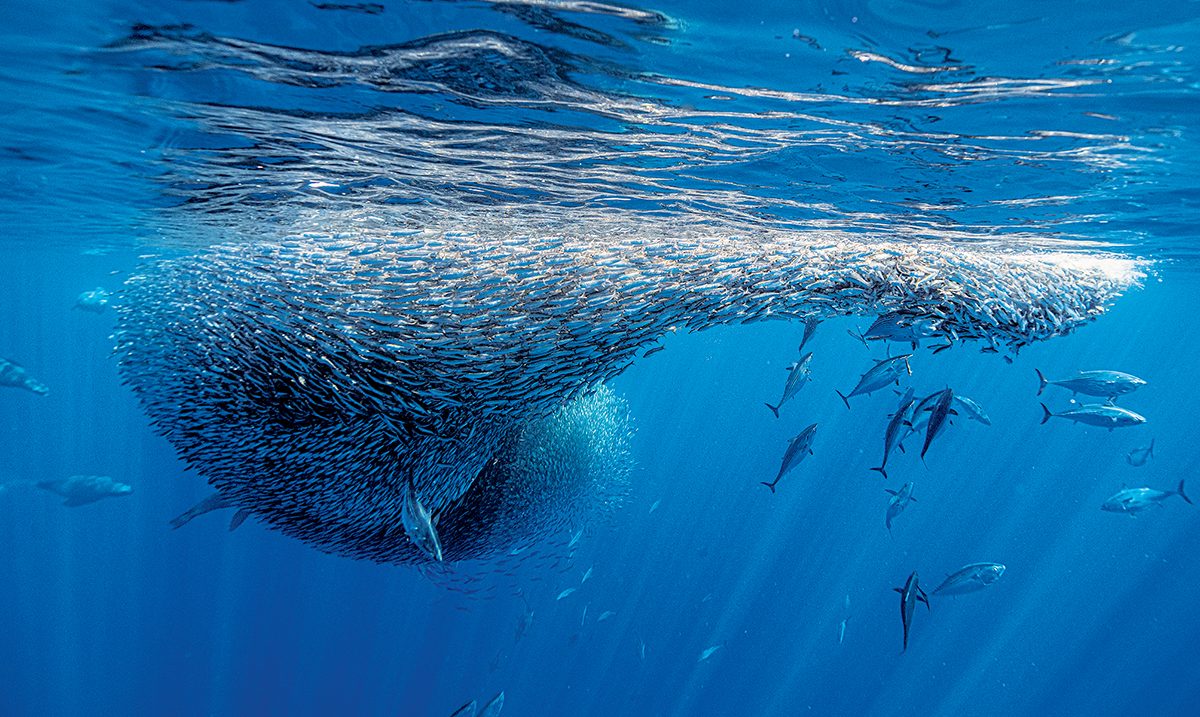
Although striped marlins (Kajikia audax) are slower than some of their billfish cousins, their 50-mph speed is plenty fast for me. I try to swim alongside this stealth bomber of the sea as it works a baitball to separate individual sardines from the silvery mass. While getting outpaced by sailfish and black marlin might be […]
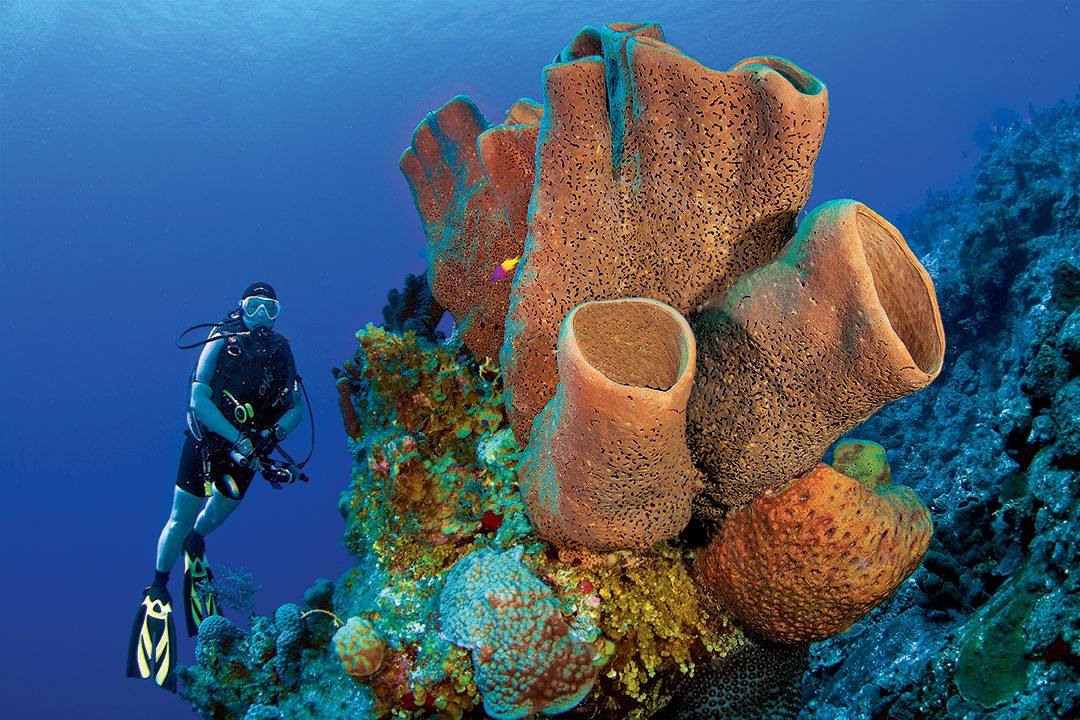
DIVING IN THE TURKS AND CAICOS ISLANDS guarantees plenty of beauty and excitement. This British overseas protectorate entices tourists with the slogan “Beautiful by Nature.” The Caribbean waters throughout the islands offer breathtaking vertical walls, frequent close encounters with pelagics, and opportunities to observe an incredible diversity of fascinating marine life.
It’s 5 p.m., officially boarding time, and the floodgates have opened. Eager, impatient divers synchronously emerge from their cars and begin to haul carts full of gear down the dock. We’re right there with them, jostling to get a prime spot for our tanks.
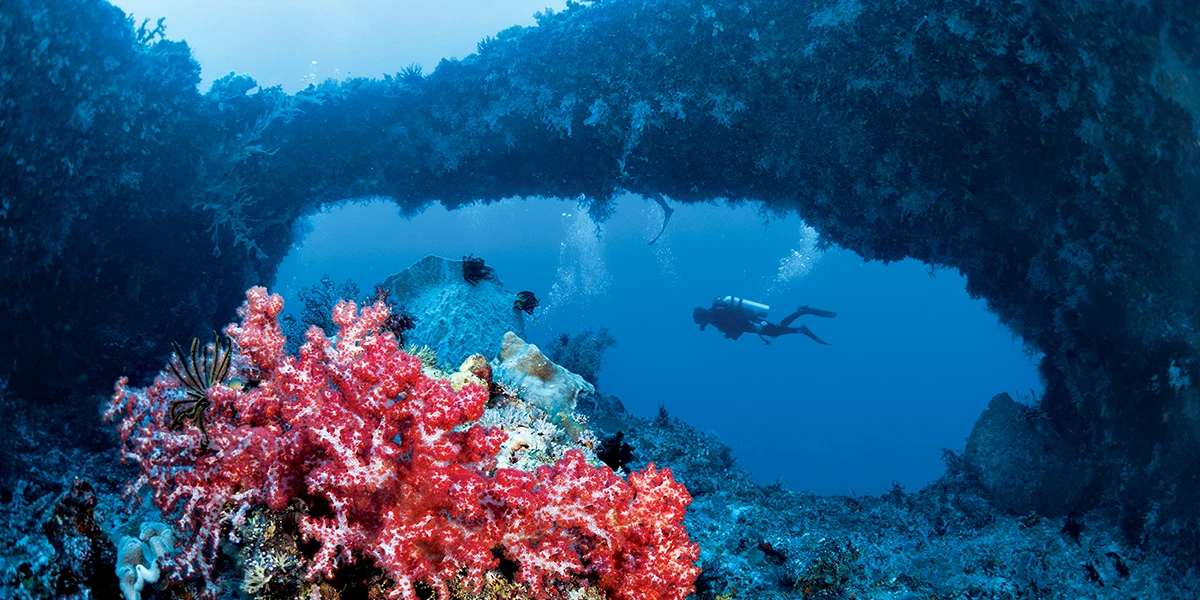
Explore the Bay Islands of Honduras, home to stunning reefs and vibrant marine life. Discover underwater wonders waiting for you.
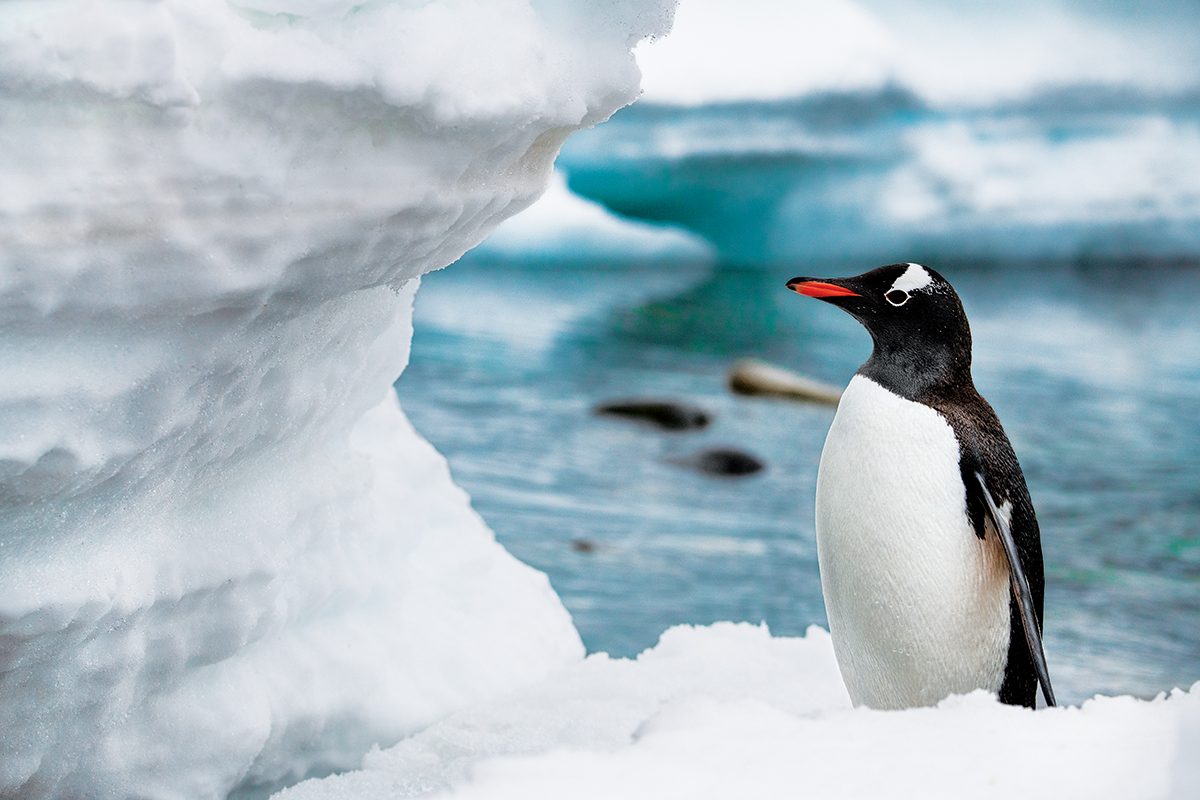
WHEN I STARTED DIVING, I fell in love with colorful coral reefs and marine life. If you had told me that Antarctica would someday become a favorite destination, I might have laughed and said I’d never …
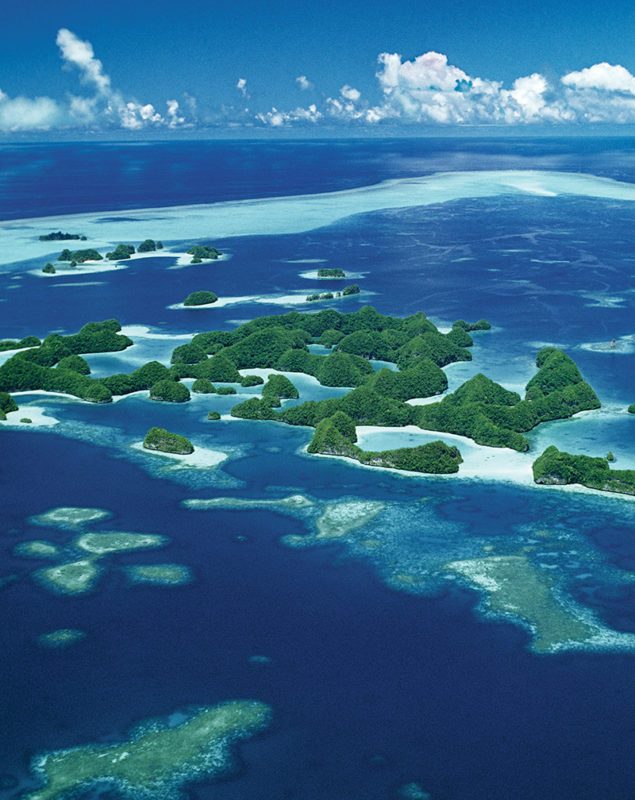
I WAS READING SYLVIA EARLE’S FOREWARD TO Our Ocean, Our Future: Palau, a lovely coffee-table pictorial book by Michael Aw, David Doubilet, and Jennifer Hayes. Earle opened by remarking on when she’s asked about the best place to go diving. Her usual answer is, “Almost anywhere, 50 years ago.”
From recent travels I sensed that a lot of liveaboards are now deployed worldwide. I was curious to know the exact numbers, and an online search showed that there are 69 in the Red Sea, 64 in Raja Ampat, and even the Galápagos Islands have 10 dive liveaboards now.
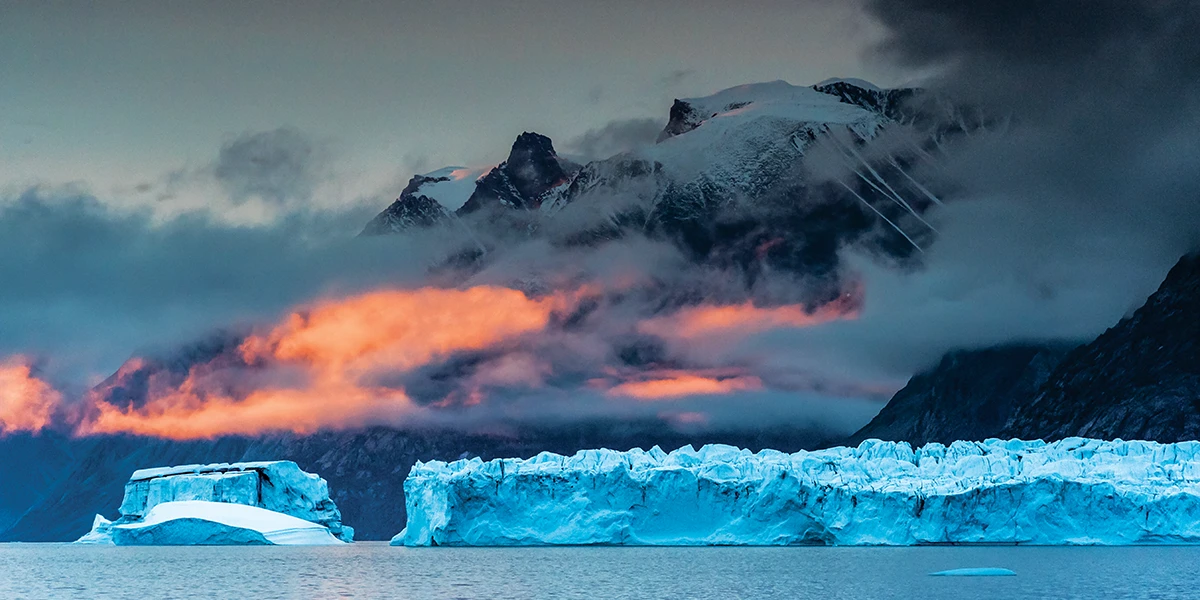
Immerse yourself in the enchanting world of Greenland’s icebergs, where every crack and shimmer tells a story of nature’s power.
What is a safe carbon monoxide (CO) level in our breathing air? Learn the effects of CO poisoning and how the limits are derived.