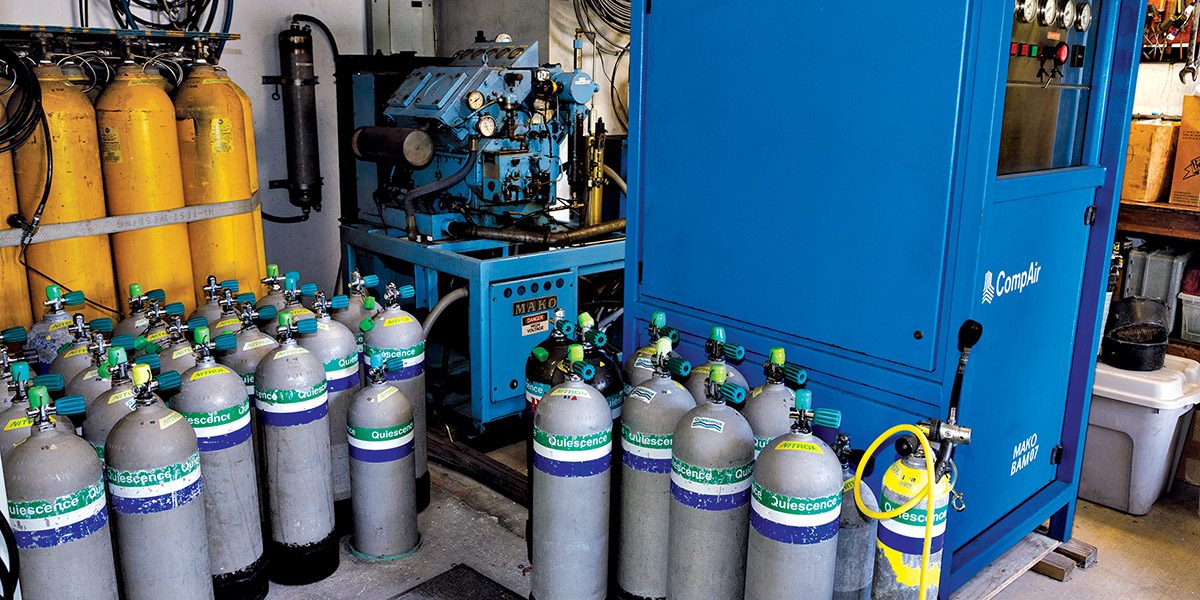
IN THE PREVIOUS ARTICLE, we settled on the recommendation that equipment used to control any breathing gas mix containing 25 percent oxygen and above at typical scuba cylinder pressures should be designed and considered suitable for oxygen use. Possible debates aside, we’ll examine what oxygen cleaning means. How often should gear be oxygen cleaned, and […]
Most divers think about decompression in terms of depth, bottom time, ascent rates, and safety stops. But the body experiences a dive as more than just time underwater. Decompression stress […]
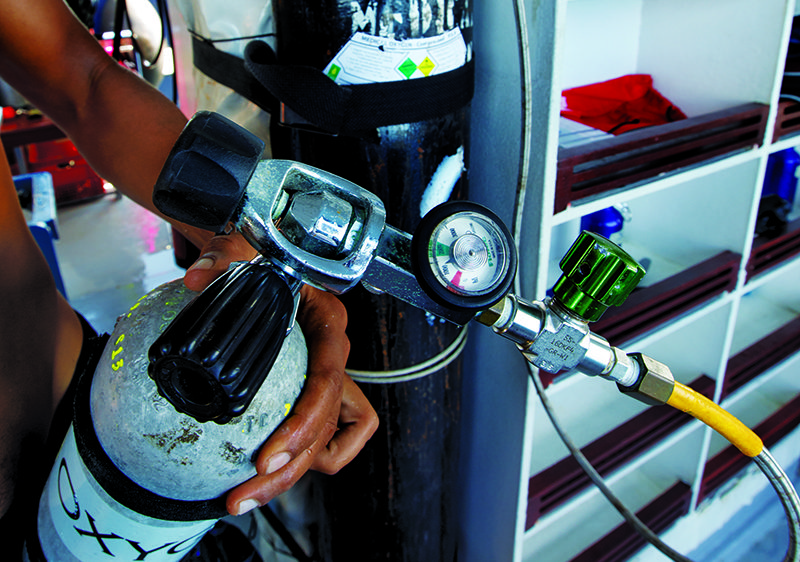
DAN INTRODUCED THE FIRST standardized emergency oxygen course for divers as lay providers in 1991. More people trained in oxygen delivery means that providers in dive locations worldwide need to have emergency oxygen units available. Obtaining oxygen refills, however, is an ongoing problem …
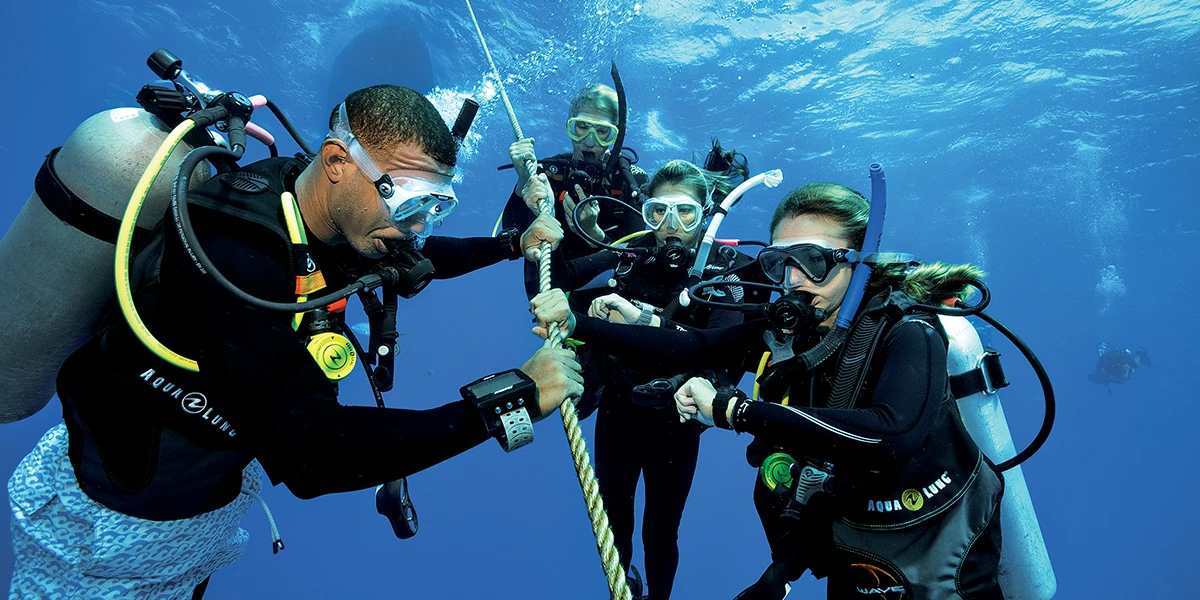
Most divers think about decompression STRESS primarily in terms of depth, bottom time, ascent rates, and safety stops.
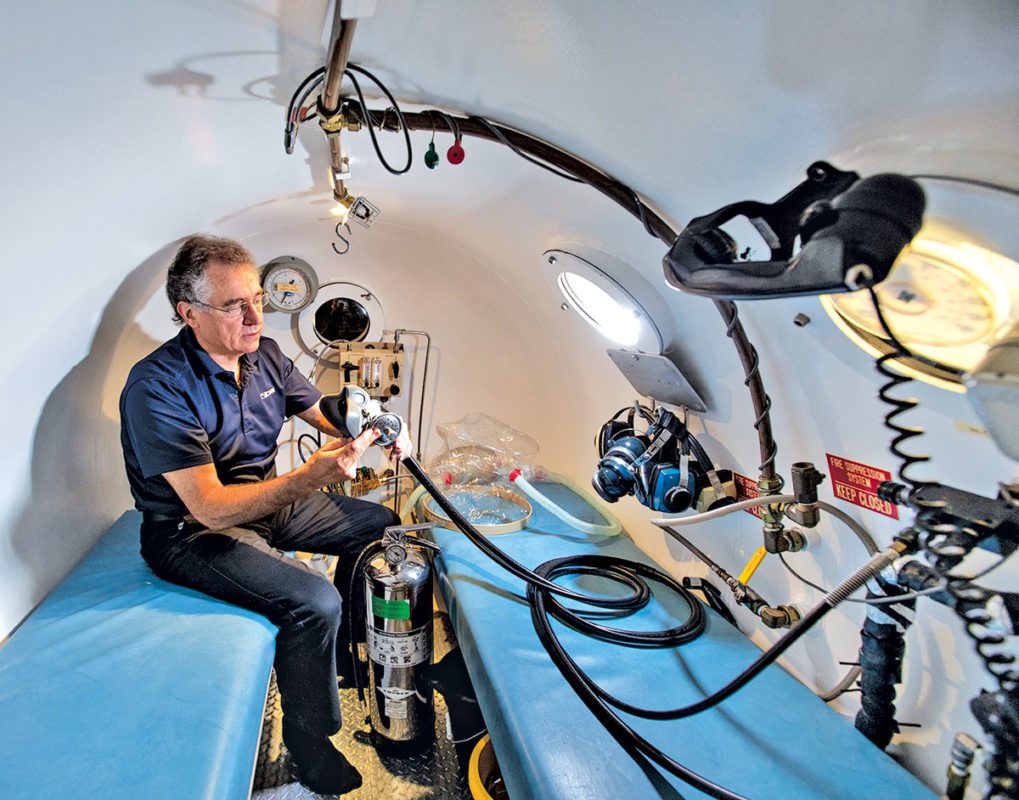
Divers Alert Network (DAN) maintains a global recompression chamber network, which consists of a database of all hyperbaric chambers with the capability and willingness to treat injured divers.
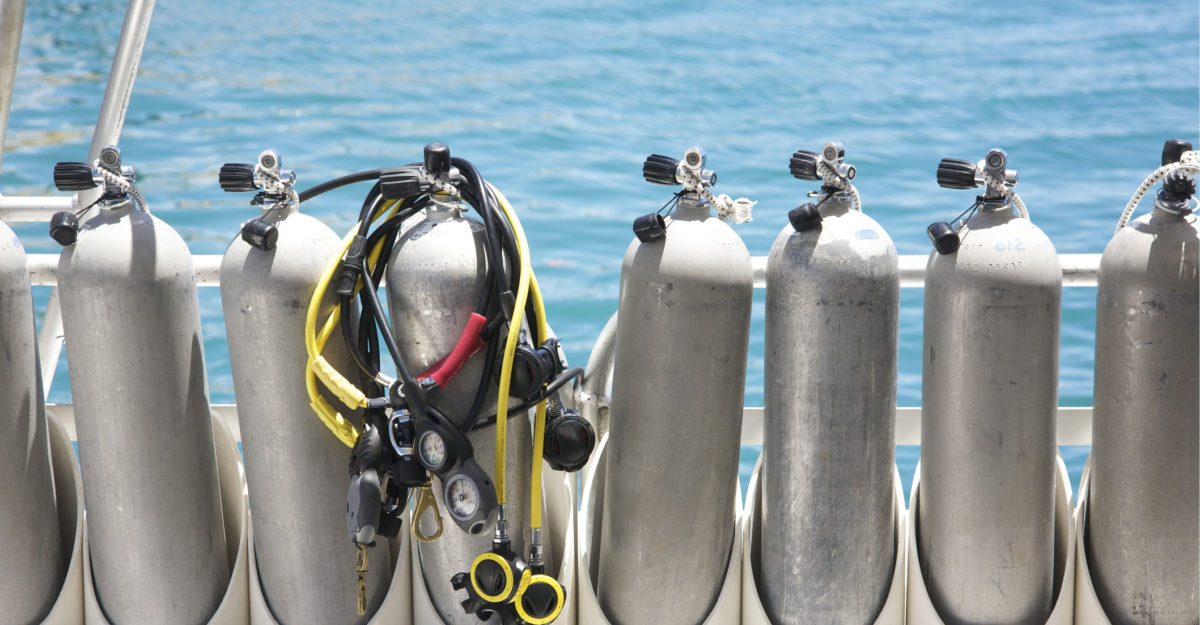
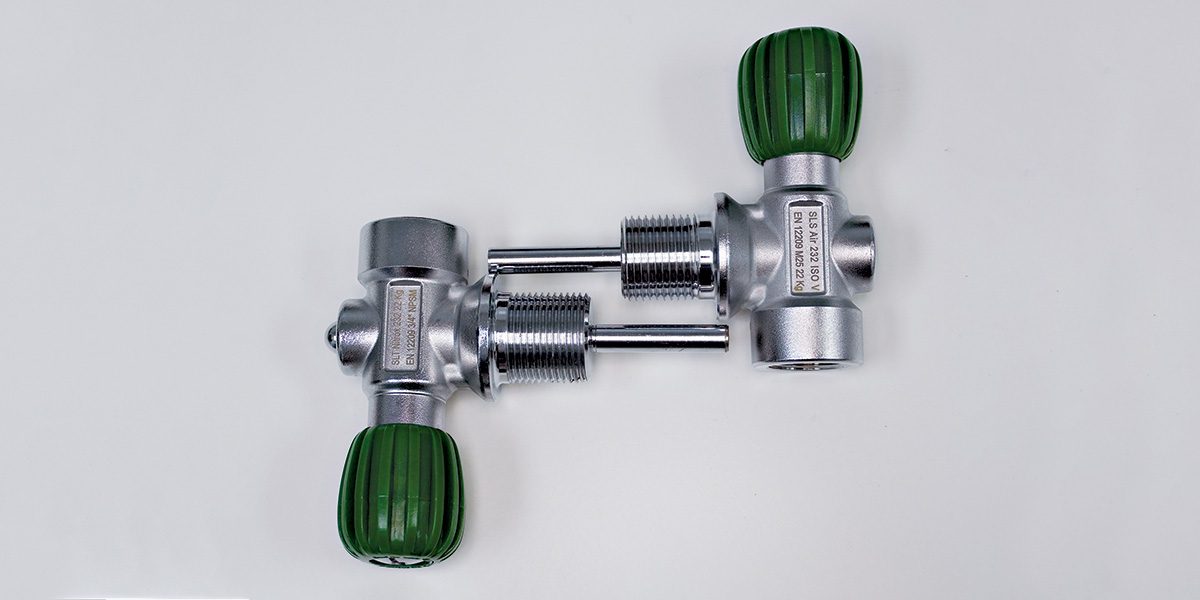
A VALVE-TO-CYLINDER MISMATCH mismatch recently resulted in a deadly outcome in Europe. This issue is preventable with formal, function-specific training and a basic understanding of scuba tank valves and cylinder threads.
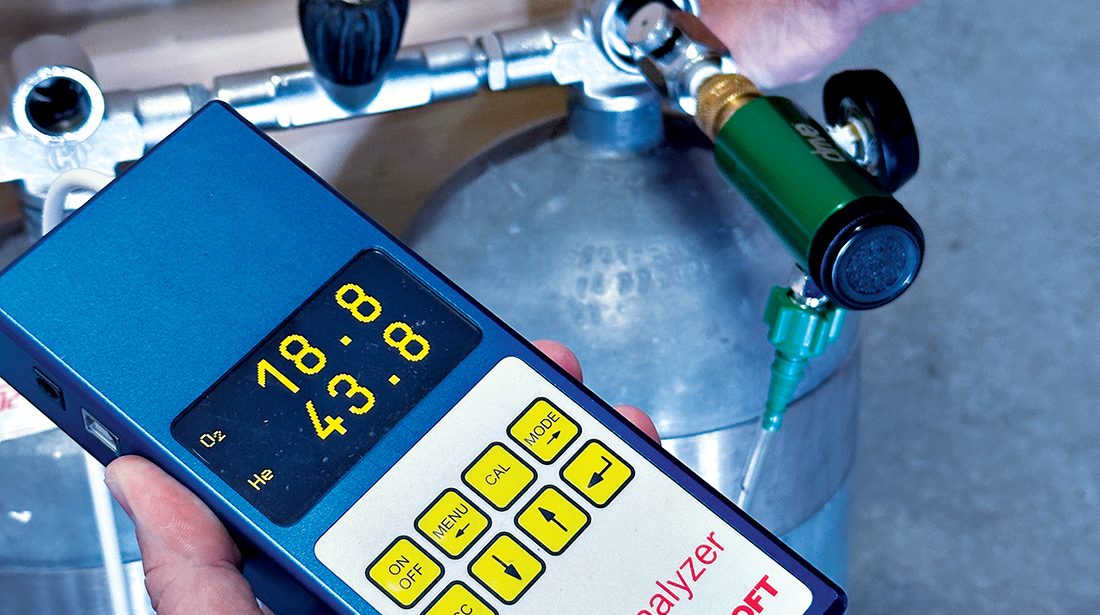
THE THREE GASES GENERALLY used in recreational and technical diving are oxygen, nitrogen, and helium. Nitrogen is the most abundant and is usually the default gas, but no one seems concerned about its purity, although the U.S. Compressed Gas Association (CGA) provides purity levels, or grades, for various applications.
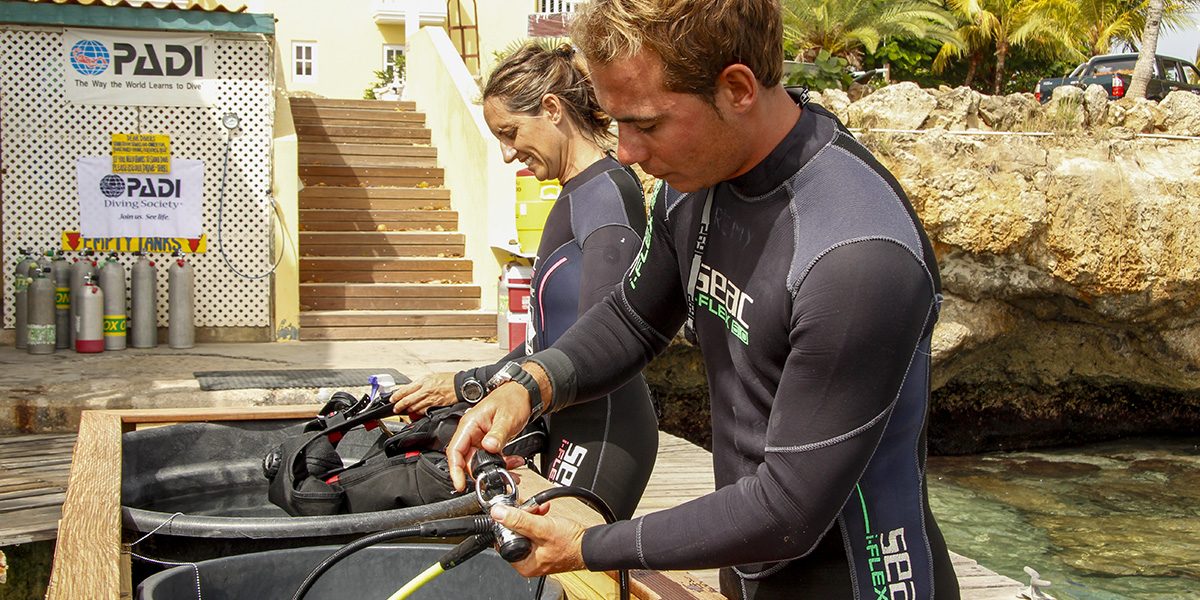
AFTER THE INITAL SCARE AND LOCKDOWNS FROM COVID-19, divers soon started to explore ways to safely get back into the water. Disinfection has always been a consideration in diving, but we needed new standards to allay fears of uncontrolled transmission of infectious diseases.
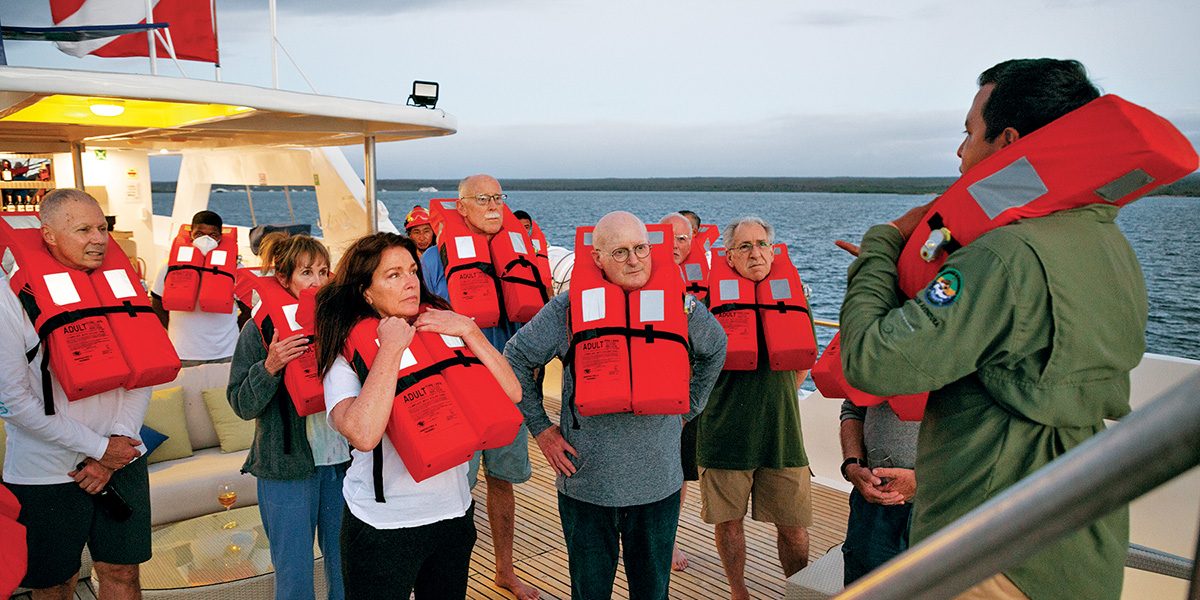
On Sept. 2, 2019, the small passenger vessel Conception burned to the waterline off Santa Cruz Island, California, killing 34 people. This wasn’t the first liveaboard fire, but the fearful reactions to this deadly tragedy echoed throughout the scuba industry. Liveaboard fires that have occurred since this incident have further fueled industry concerns.
Most divers know their scuba cylinders need a visual inspection every year and a hydrostatic test every five years (referred to as a requalification or a hydro). The actual regulations for cylinders and other dive equipment, however, are less clear.